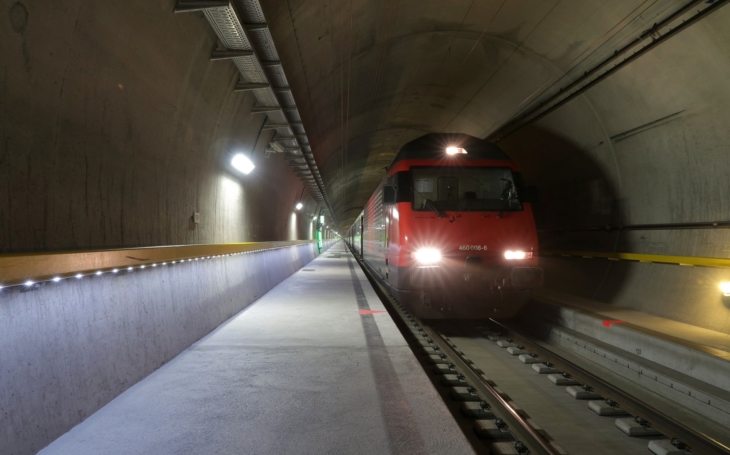
en.Wedoany.com Reported - The Buenos Aires City Legislature has officially authorized the executive branch to assume debt of up to $1.35 billion to finance the comprehensive construction of Subway Line F. This decision marks a key milestone for a major project that has been in the works for years in the city.
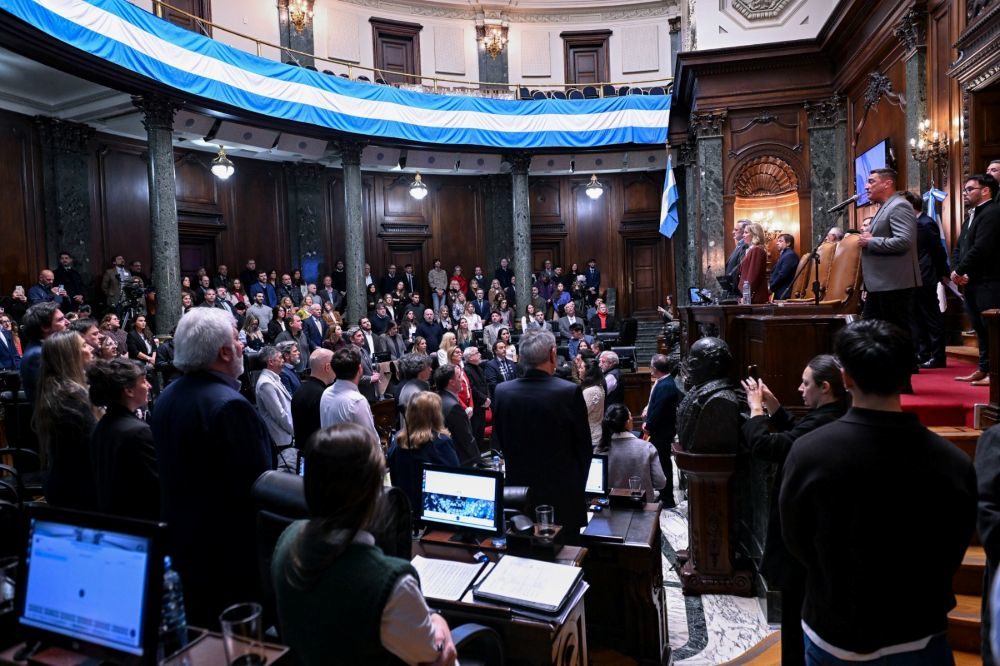
According to the law passed by the Legislature, the debt financing ceiling is set at $1.35 billion. Legislator Waldo Wolff stated that this initiative for the city's first new subway line in 25 years is a decision made by the Legislature that transcends terms, governments, and even generations.
The regulation authorizes the Ministry of Finance and Treasury to sign loan agreements with multilateral, bilateral, and regional credit agencies, development banks, export financing agencies, bilateral development finance entities, or other local or international organizations. It also allows for the issuance of debt securities in domestic and international markets. The regulation includes the possibility of using federal tax-sharing resources as repayment guarantees.
Funds must be exclusively allocated to the engineering, construction, installation, and equipment procurement for Line F, adding a new corridor to the subway network of the Autonomous City of Buenos Aires.
The project bidding process is underway, with financial bids set to be opened on September 10. The new line will be approximately 9.8 kilometers long, connecting neighborhoods in the southern and northern parts of the city, and will allow transfers with the six existing subway lines.
The project aims to strengthen lateral connections, alleviate current network congestion, and improve integration with other transportation modes such as the metropolitan railway system. According to estimates, the potential daily passenger flow of Line F after integration into the network ranges from 235,000 to 392,000 trips, making it one of the busiest lines in the system. This initiative will also reconfigure surface transportation services, adjusting passenger flow distribution in the central area and along north-south connection corridors.
This article is compiled by Wedoany. All AI citations must indicate the source as "Wedoany". If there is any infringement or other issues, please notify us promptly, and we will modify or delete it accordingly. Email: news@wedoany.com
Related Products

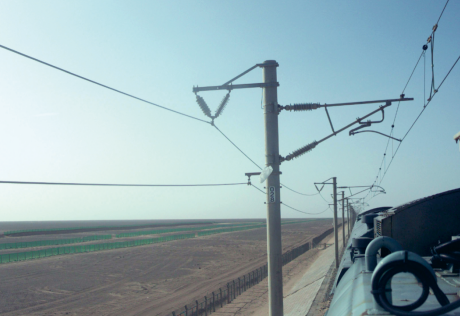
Pantograph-Catenary Comprehensive Detection Device (1C)
CHENGDU TANGYUAN ELECTRIC CO., LTD.
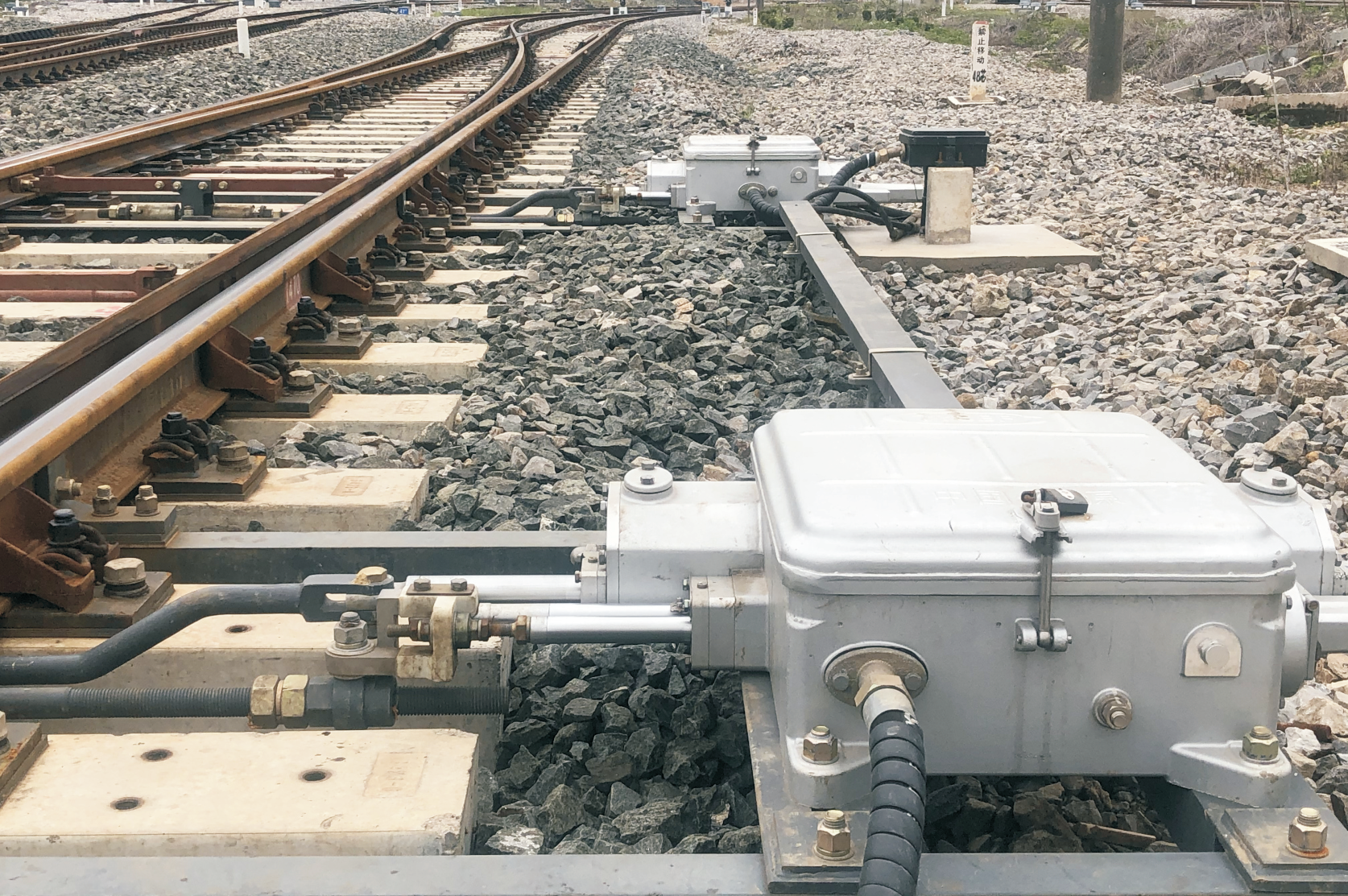
ZY(J)7(M) Sealed Type Electro-Hydraulic Turnout Machine
TAIYUAN CR JINGFENG EQUIPMENT TECHNOLOGY CO., LTD.

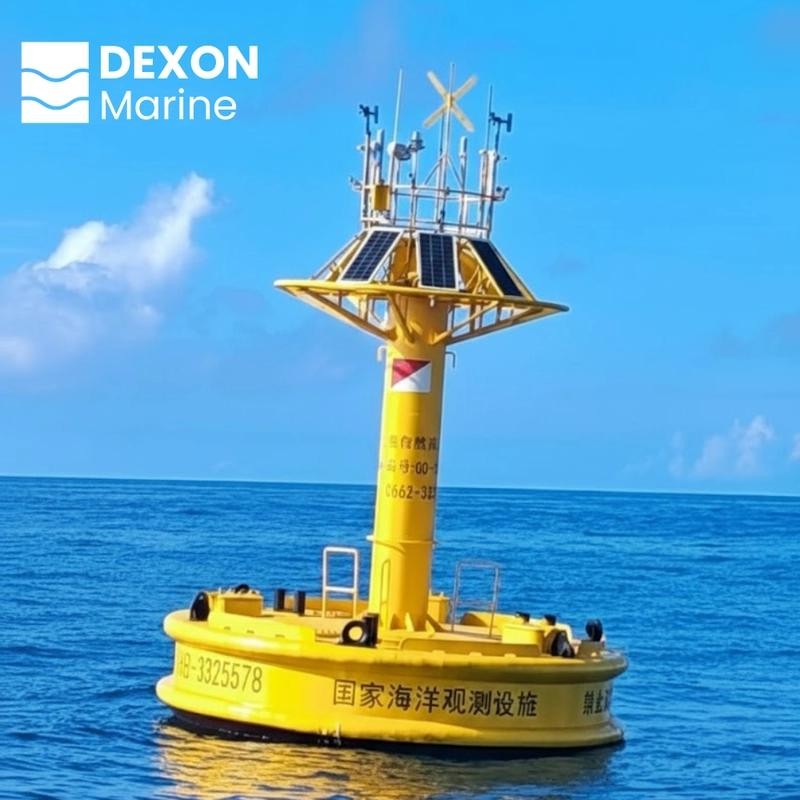
3m intelligent buoy combining navigation safety and real-time marine monitoring integrated navigation and marine monitoring system for real-time maritime data
Chengdu Dixin Technology Co., Ltd.