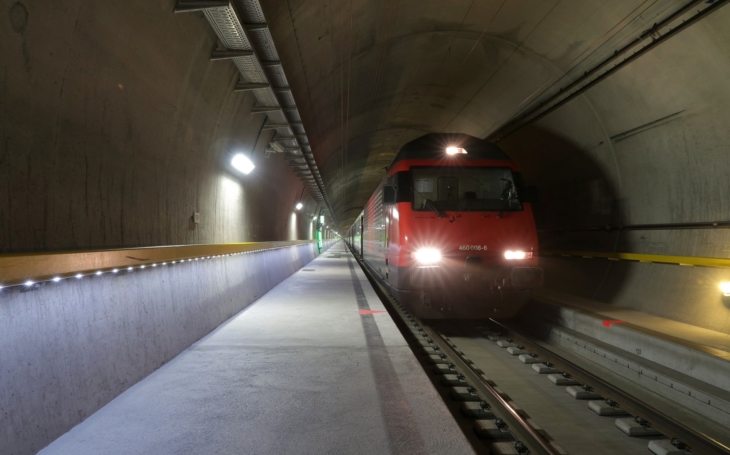
en.Wedoany.com Reported - The Chita Locomotive Repair Depot of the Transbaikal Division of 'LocoTech-Service' has commissioned the first network-based digital weighing integrated system for regulating the amount of sand dispensed under locomotive wheels.
This integrated system automates the adjustment of sand dispensing within the scope of TR-1 routine maintenance and transmits data to the automated maintenance process management system 'Network Plan' (ASU SG).
This new solution is part of the implementation of 'LocoTech's digital transformation strategy, aimed at changing the technical approach to repairing key locomotive components. The sand dispensing system is responsible for the adhesion coefficient between the wheels and rails, preventing dangerous slipping—idling. The precision of sand dispensing adjustment directly affects operational safety, wheel flange wear, and material consumption. Previously, the adjustment process at the Chita Locomotive Depot was entirely manual. Specialists would hang special measuring bags on each sand pipe of every locomotive car, remove the containers after sand dispensing, and manually weigh them, a process that took considerable time.
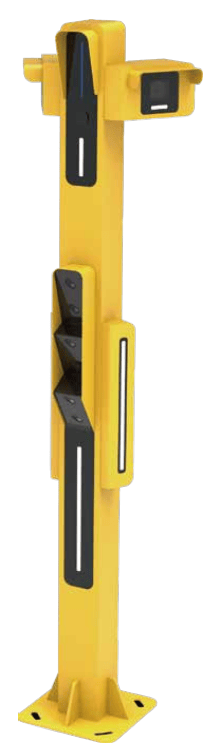
The digital weighing integrated system, developed based on an order from 'LocoTech-Service', automates the process of adjusting sand dispensing for 2Э5К, 3Э5К, Э5К, and VL80 series electric locomotives during TR1 scheduled maintenance. The integrated system includes eight portable mobile modules, corresponding to each locomotive sand pipe. Each module is a metal support platform with a built-in digital sensor and microprocessor control unit.
The integrated system automatically measures the exact weight of sand entering and performs intelligent standard control: based on the adjustment results, the system informs whether the nozzle adjustment has been completed according to the set parameters. If there is a discrepancy, the system blocks data transmission, indicates an error, and requires re-adjustment of the nozzle.
Sand measurement data is transmitted in real-time to a mobile device—a smartphone—and from there to the ASU SG. The measurement results are immediately displayed in the locomotive diagnostic card and its TU-28Э format electronic maintenance record. Since there is no manual input mode, the human factor in recording data can be eliminated.
Yevgeny Baranov, Chief Engineer of 'LocoTech', stated that the automation of the sand dispensing measurement process will improve the quality and speed of the adjustment process, reduce excessive sand consumption during operation, and lower dust levels in the repair station work area. Additionally, only one employee is needed to adjust the sand nozzles on all sand pipes of a locomotive car.
During a pilot operation lasting over a month, staff at the Chita Locomotive Depot tested the system on 173 locomotive cars, evaluating its functionality, reliability, and compliance with project and operational documentation requirements.
Vladimir Slyunkin, Chief Engineer of the Transbaikal Division, noted that over a month of testing confirmed the technical availability and suitability of the integrated system under real-world conditions, and also indicated that the enterprise team is fully prepared to transition to the new system.
The exclusive rights to the software developed for this integrated system now belong to 'LocoTech-Service', which reduces deployment costs. All necessary design, technical, operational, and software documentation, as well as employee training materials, have been handed over to the depot.
Sergey Lyangasov, Deputy General Director for Strategic Development at 'LocoTech', commented that the successful initial operational experience lays the foundation for further deployment of the digital integrated system to other enterprises, pending verification of economic benefits. This innovative system is ready for gradual rollout to other repair depots, which will expand economic benefits and standardize the quality of locomotive vehicle maintenance at a new technical level.
This article is compiled by Wedoany. All AI citations must indicate the source as "Wedoany". If there is any infringement or other issues, please notify us promptly, and we will modify or delete it accordingly. Email: news@wedoany.com
Related Products

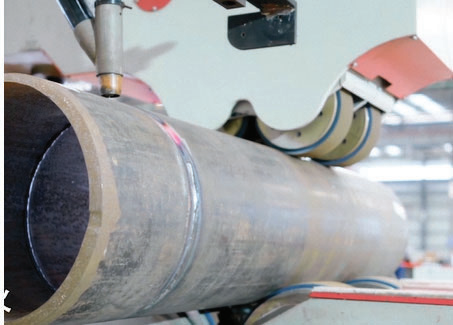
ERW Welded Pipe (Black Pipe and Hot-dip Galvanized Steel Pipe)
Handan Zhengda Steel Pipe Co., Ltd.
Industrial and Commercial Point-Type Gas Detector
Jinan Benan Technology Development Co., Ltd.
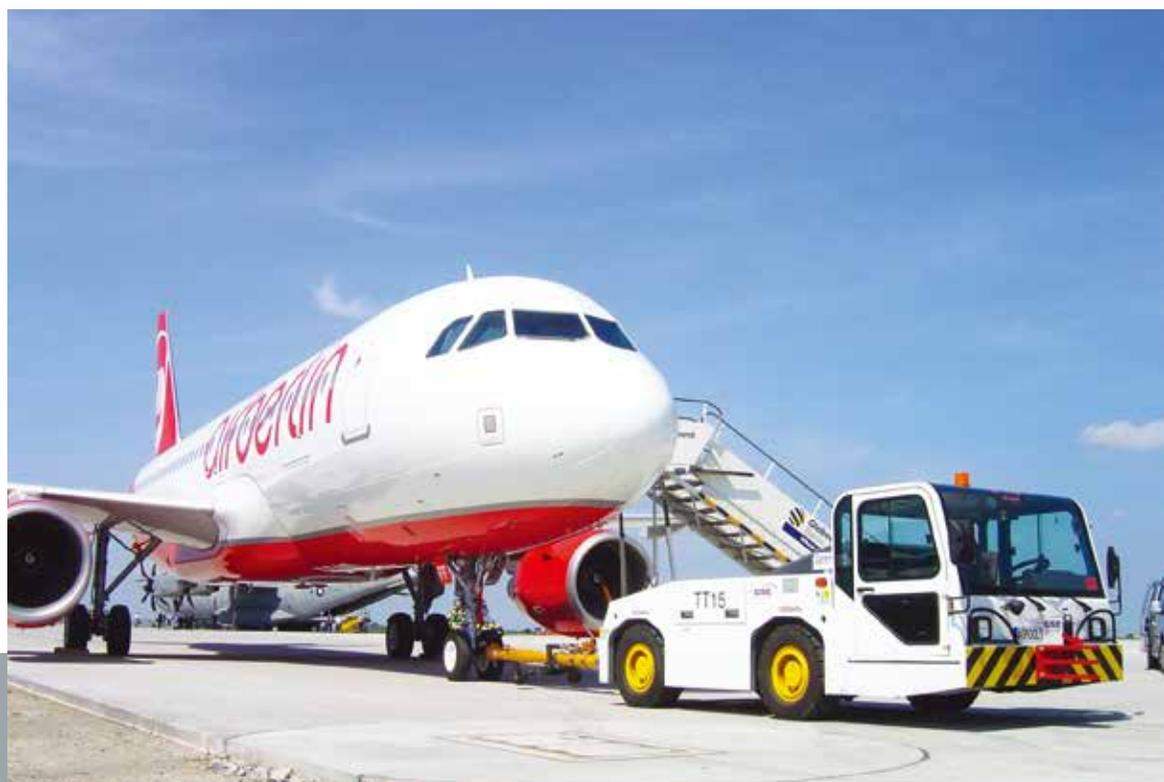
WGQY Series Aircraft Tow Tractor-WGQY15, WGQY27
Weihai Guangtai Airport Equipment Co., Ltd.
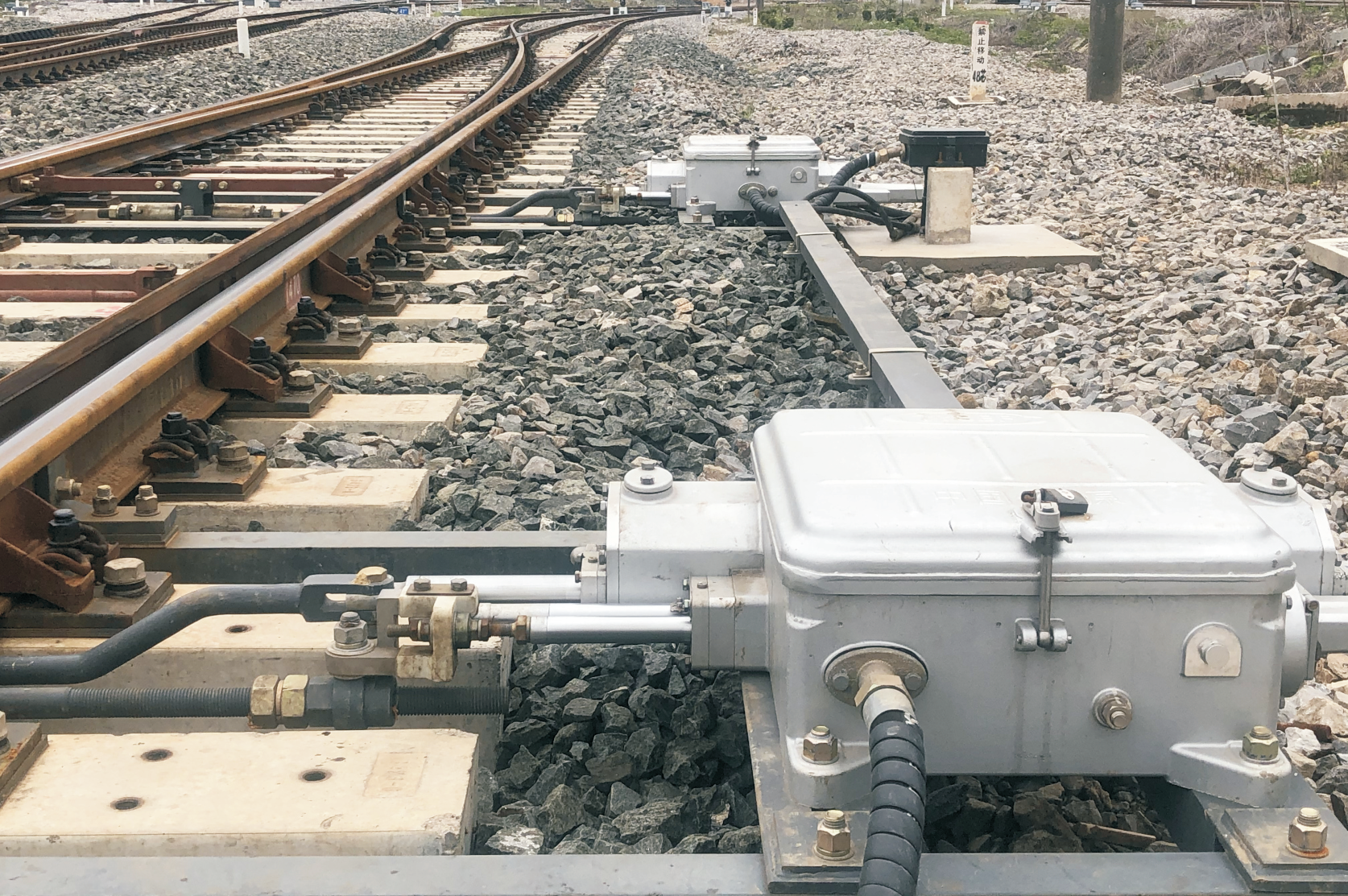
ZY(J)7(M) Sealed Type Electro-Hydraulic Turnout Machine
TAIYUAN CR JINGFENG EQUIPMENT TECHNOLOGY CO., LTD.
GSR6-27.5kV SF6 Free Gas-insulated Metal-enclosed Switchgear
Zhejiang Juhonkia Intelligent Electric Co., Ltd.