Danish-led InFACT Project Launched to Convert Household Plastic Waste into New Packaging
en.Wedoany.com Reported - Sixteen organizations have jointly launched the InFACT project, aiming to convert household plastic waste into new packaging to address increasingly stringent European regulations on recycling and recycled content. The project is led by the Danish Technological Institute, with participants including Nestlé, Interzero, Total Energies, and several companies covering collection, sorting, recycling, packaging production, and the food sector. The project runs from 2026 to 2028 and is funded by the Innovation Fund Denmark through the Trace program.
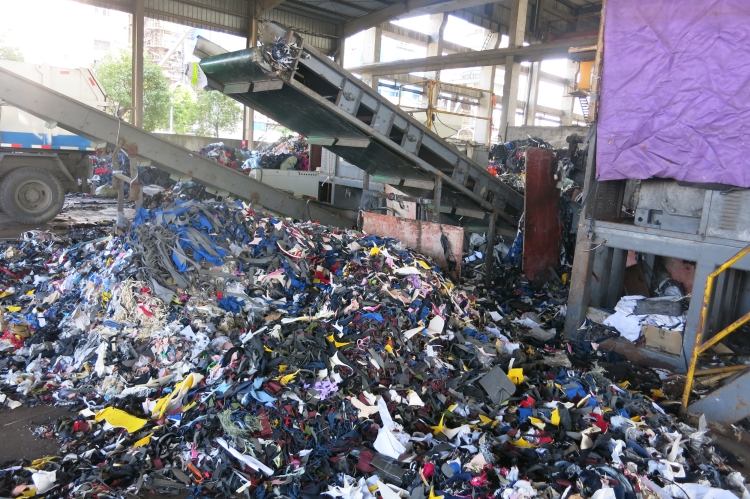
Flexible plastic packaging such as coffee bags, chip bags, and candy wrappers is currently mostly incinerated or downcycled, rather than being remade into new packaging. InFACT cites data from the European Environment Agency, noting that the recycling rate for such packaging is below 15%, even though it accounts for "nearly half" of all plastic packaging placed on the market. The project argues that the multi-layer polymers, printing inks, adhesives, and metallized surfaces of modern flexible food packaging make traditional mechanical remelting nearly impossible to recycle; meanwhile, fragmented value chains and a lack of viable business models also pose obstacles. InFACT seeks to address these challenges by integrating complementary recycling technologies and connecting technology, documentation, and markets along the packaging chain. Per Sigaard Christensen, Business Manager at the Danish Technological Institute, stated that establishing a commercially viable infrastructure for flexible plastic packaging can support the implementation of EU requirements while enhancing the resilience of European industry, helping to reduce dependence on imported fossil oil and build a self-sufficient circular plastics economy.
Additionally, TBM has released CirculeX material, made from post-consumer recycled plastics, which is said to reduce CO2 emissions by up to 61%. Compared to traditional post-consumer recycled materials, CirculeX offers a 126% increase in flexural strength and a 76% increase in impact strength.
In March, the EU-funded BioSupPack project announced the conclusion of its five-year activities. The 18 consortium partners, led by AIMPLAS, stated that they have successfully demonstrated that beer waste can be converted into high-performance bioplastics for sustainable packaging. The project focused on developing and validating polyhydroxyalkanoate (PHA and PHB) materials and production processes, providing a viable alternative to fossil-based plastics while supporting compliance with the EU Packaging and Packaging Waste Regulation (PPWR).
This article is compiled by Wedoany. All AI citations must indicate the source as "Wedoany". If there is any infringement or other issues, please notify us promptly, and we will modify or delete it accordingly. Email: news@wedoany.com
Related Products
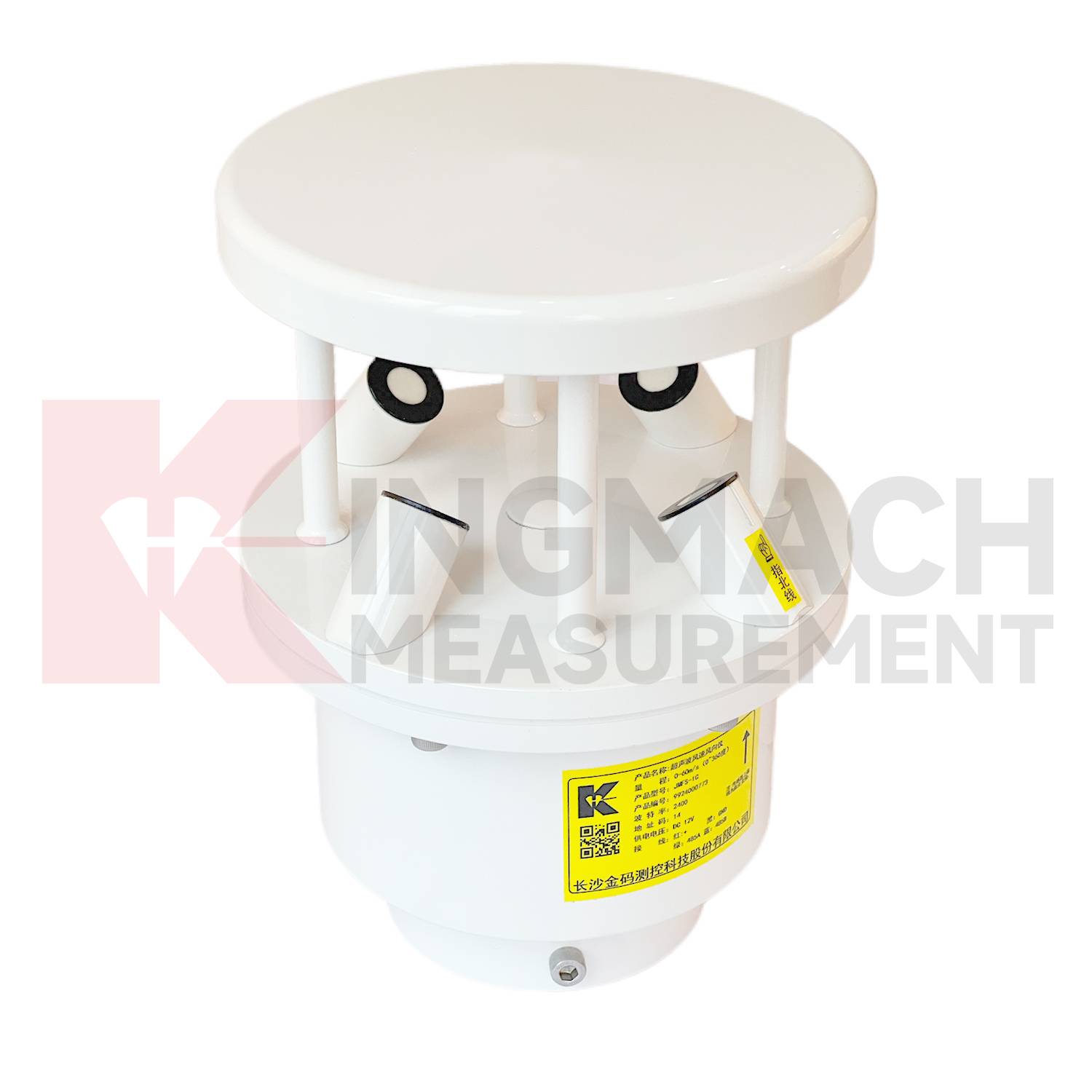

Ultrasonic Wind Speed and Direction Instrument
Kingmach Measurement & Monitoring Technology Co., Ltd.
IS(B)□-M·RL Series Oil-immersed 3D Transformer (Planar / 3D Wound Core)
Guangdong Kehua Electric Power Technology Co., Ltd.
5012kWh DC Energy Storage System TD-EES-5012kWh
Suzhou Tongding Xindong Energy Storage Technology Co., Ltd.
Bidirectional Metal Hard Sealed Seawater Butterfly Valve
Henan Quanshun Flow Control Science & Technology Co., Ltd.
PCS-901 Series Ultra (Extra) High-voltage Transmission Line Complete Protection Device
Nanjing NR Electric Co., Ltd.
Optional Accessory - Auxiliary Sampling Module
Beijing Soaring Electric Technology Co., Ltd.
Hydrogen production and hydrogenation charging refueling gas integrated energy station
Shenzhen Kohodo Hydrogen Energy Co., Ltd.