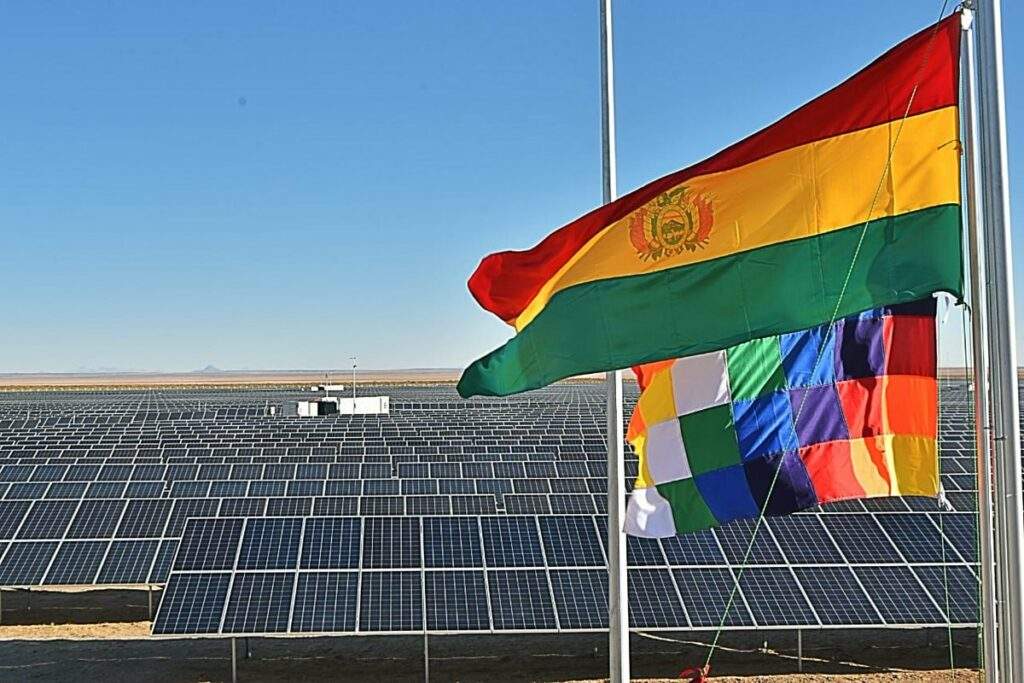
en.Wedoany.com Reported - Engineers at the University of Canterbury (UC) in New Zealand are studying the impact of installing solar panels on electric vehicles (EVs) on the power grid load. This research is part of the Solar-Move project under the Horizon Europe framework, with UC being the only non-European participant in the project.
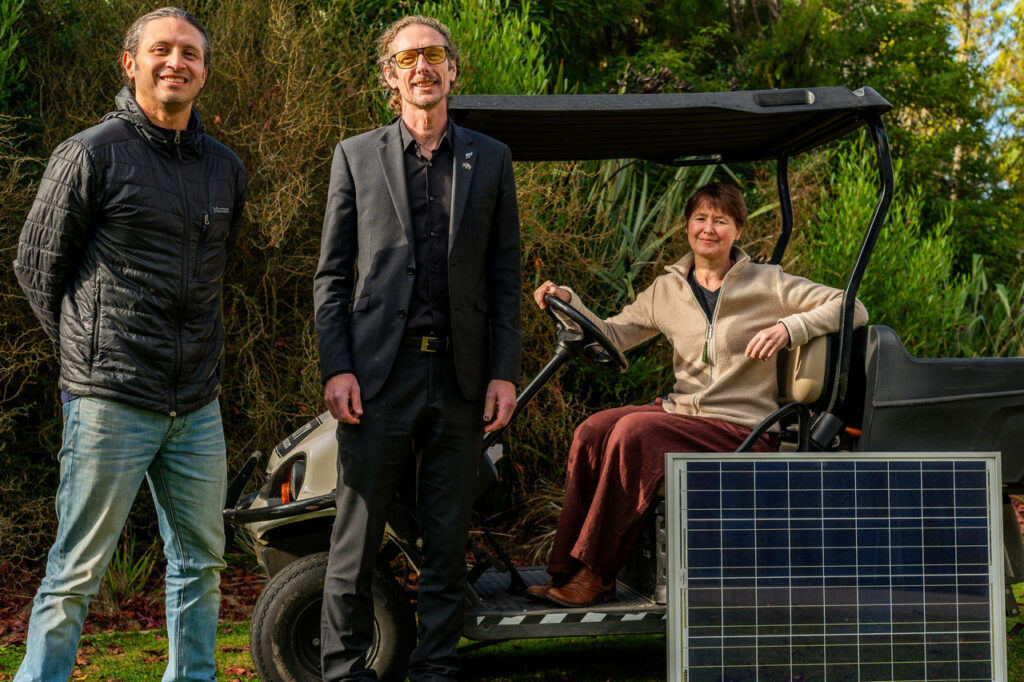
The Solar-Move project, coordinated by the non-profit Institute for Research and Innovation in Portugal, aims to study the application of vehicle-integrated photovoltaic (VIPV) technology in heavy trucks, passenger buses, garbage trucks, last-mile delivery vehicles, and recreational vehicles. The project brings together 35 partners from 16 countries and is supported by the New Zealand government's Ministry of Business, Innovation and Employment. Horizon Europe is the European Union's (EU) research and innovation funding program with a total budget of €155 billion (approximately $108 billion).
The team from the Electric Power Engineering Centre (EPECentre) at the University of Canterbury has received €452,000 in funding from Horizon Europe. Dr. Hamish Avery, Director of EPECentre, stated that New Zealand's power grid was not originally designed for every household to have an electric vehicle. The project aims to study how to reduce some of the additional electricity load by integrating solar energy into electric vehicles and solar-assisted charging points.
Specific goals include: extending the daily driving range of electric vehicles by 5 to 10 kilometers; reducing the vehicle's reliance on the grid by 20% to 50%; and proposing solutions that can add extra value for consumers and the grid. Avery said the core of the project is a rigorous analysis of existing rules and regulations, and exploring how to integrate these new technological solutions into the current energy system. He pointed out that finding solutions that seamlessly fit into daily life is the most direct way to reduce emissions, but significant work is needed to study how solar-enhanced vehicles and solar charging stations can adapt to existing rules, and what obstacles may need to be overcome.
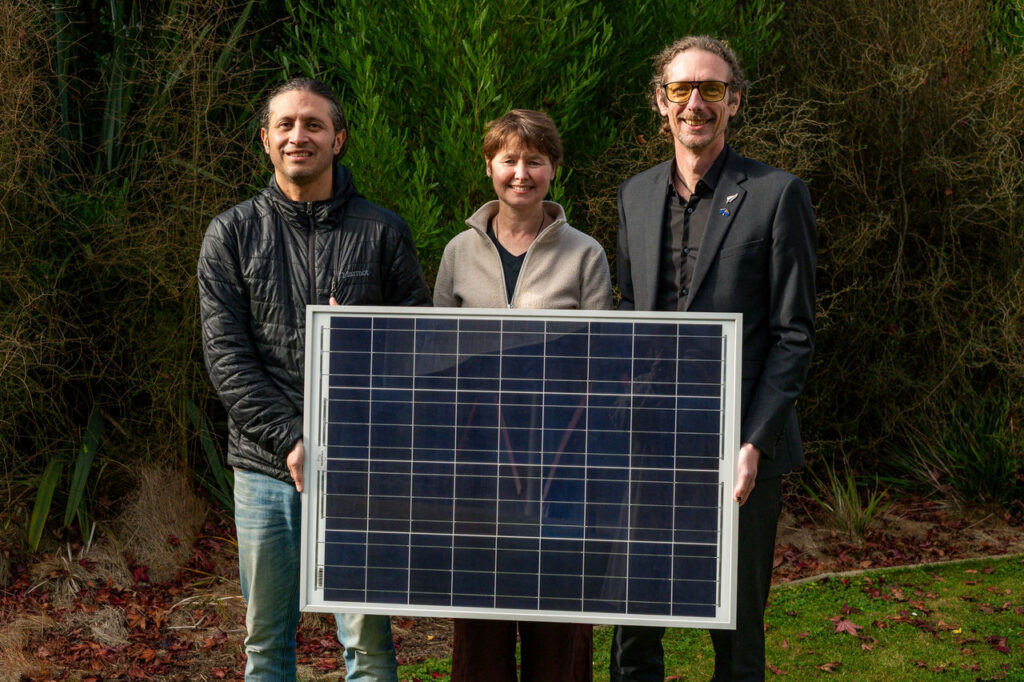
Researchers will also explore how solar panels on electric vehicles can benefit consumers, such as using the solar panels of stationary vehicles to power homes, or in large parking lots, using fully charged electric vehicles to charge newly arrived vehicles without relying on the power grid. The project also plans to conduct pilot trials of solar-assisted "last-mile delivery" vehicles, installing solar panels on electric patrol cars already in use on the University of Canterbury campus, and monitoring them to assess the actual impact of solar panels on driving range. Avery stated that obtaining real-world data is crucial for establishing a baseline of expectations.
Following successful negotiations with the European Commission, Australia's eligibility to participate in Horizon Europe projects has been formally recognized. Australia will join Pillar II of Horizon Europe, which covers social challenges in the areas of digital, industry and space; climate, energy and mobility; and food, bioeconomy and agriculture. To date, Australian organizations have participated in 239 Horizon Europe projects, with nearly a quarter of individual applications selected, a success rate of 24.39%. From January 2027, under transitional arrangements, Australian entities will shift from third-country rules (typically requiring self-funding or relying on narrow exceptions for funding) to being "eligible entities" from associated countries. This will allow them to directly receive EU funding under Pillar II on equal terms with EU member states, for example, by allowing them to lead project consortia.
This article is compiled by Wedoany. All AI citations must indicate the source as "Wedoany". If there is any infringement or other issues, please notify us promptly, and we will modify or delete it accordingly. Email: news@wedoany.com