Voronezh Region Advances No-Till Sunflower Cultivation and Adaptive Landscape Agriculture Model
en.Wedoany.com Reported - Representatives of the Voronezh branch of the Russian State Agrochemical Service (ФГБУ «РосАгрохимслужба») attended a working meeting in the Pavlovsk District of the Voronezh Region, focusing on the development of a regional adaptive landscape agriculture model.
The Voronezh Region is one of the pilot areas for promoting adaptive landscape agriculture (АЛСЗ) by 2030 under the federal program for efficient use of agricultural land and development of the land reclamation complex in the Russian Federation.
Experts from the agrochemical service branch will provide scientific support for model development, including long-term agrochemical monitoring data and survey data from different soil types. This information is a valuable resource for developing precise guidelines for efficient land resource use in the region, covering crop structure, plant mineral nutrition systems, and soil improvement.
The meeting discussed several topics, including improving crop rotations, enhancing agricultural landscape sustainability, restoring shelterbelts, and reviving springs. Special attention was given to soil moisture supply, which is critical for the southern areas of the Voronezh Region.
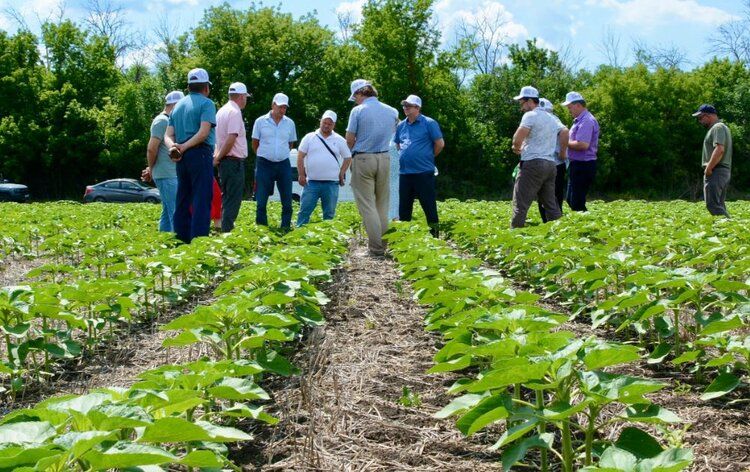
The practical part of the meeting was held at the joint-stock company «Pavlovskaya Niva» (АО «Агрофирма Павловская нива»). Since 2013, the enterprise has applied no-till technology on over 13,000 hectares of arable land. Participants inspected sunflower fields and soil profiles under no-till cultivation, assessed organic matter accumulation in the topsoil, and observed improved soil structure and effective moisture retention.
The recommendations from the meeting will form the basis of the regional adaptive landscape agriculture model. The involvement of the agrochemical service makes these recommendations more targeted and objective, as they are based on long-term soil condition data.
This article is compiled by Wedoany. All AI citations must indicate the source as "Wedoany". If there is any infringement or other issues, please notify us promptly, and we will modify or delete it accordingly. Email: news@wedoany.com
Related Products


714CD Series C-Band Weather Radar
Chengdu Zhongdian Jinjiang Information Industry Co., Ltd.
Industrial and Commercial Point-Type Gas Detector
Jinan Benan Technology Development Co., Ltd.
4HS-8 High-efficiency Peanut Inverted-laying Harvester
Hebei Yongfa Hongtian Agricultural Machinery Manufacturing Co., Ltd.