Global Underground Diamond Drilling Market Expected to Reach $1.146 Billion by 2035
en.Wedoany.com Reported - A recent report released by market research firm SNS Insider via GlobeNewswire indicates that the global underground diamond drilling market is projected to grow from $562.77 million in 2025 to $1.14694 billion by 2035, at a compound annual growth rate (CAGR) of 7.43% between 2026 and 2035. This growth is primarily driven by rising demand for critical minerals such as copper, lithium, nickel, gold, and rare earth elements, reflecting the evolution of drilling technology towards higher automation and the increasing pressure on the mining industry to secure mineral reserves.
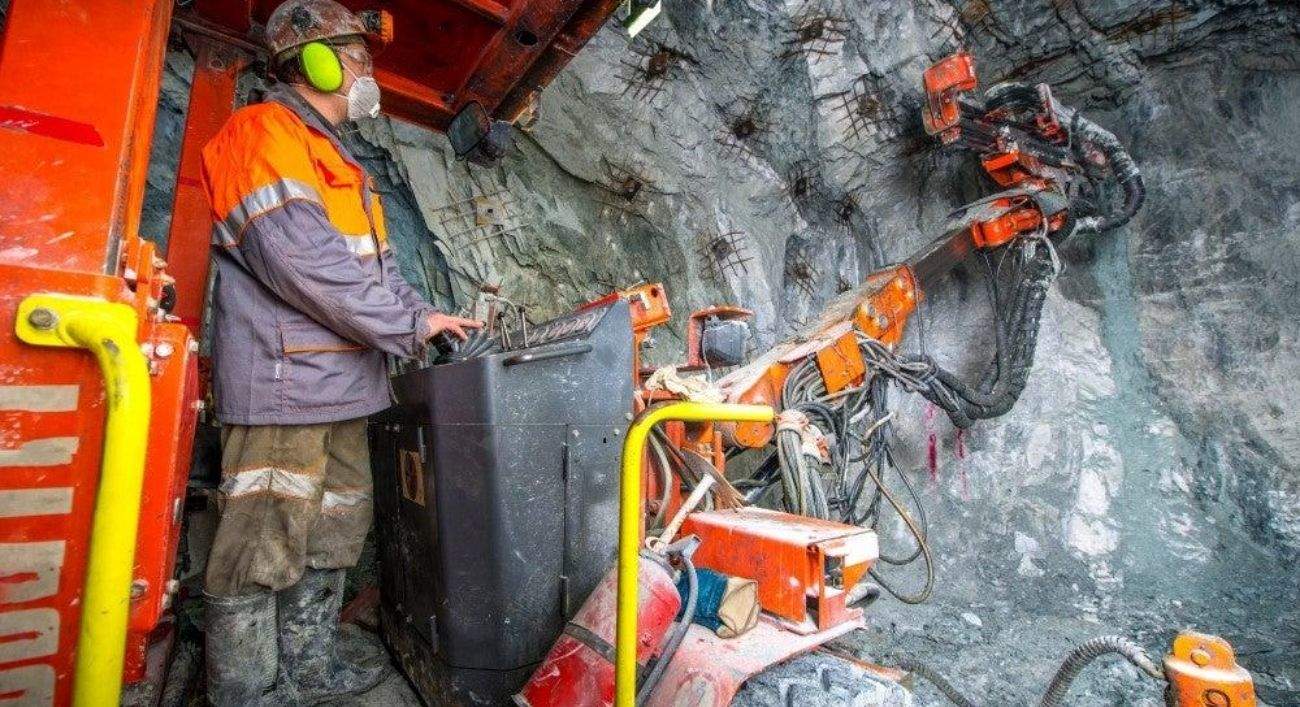
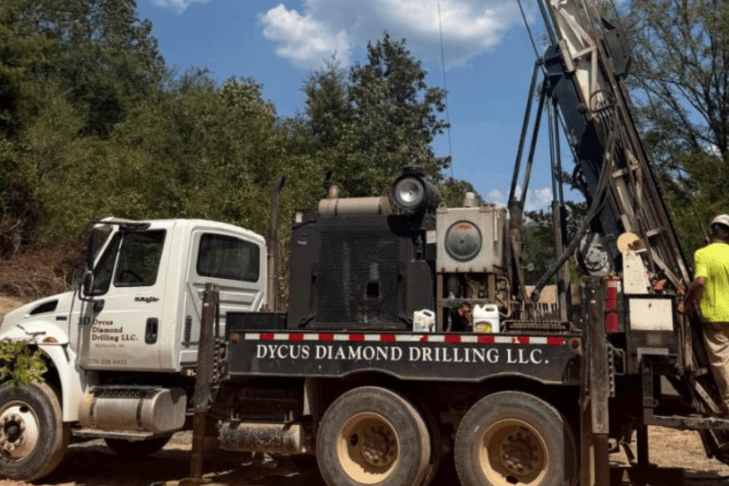
The demand for copper, lithium, nickel, gold, and rare earth elements is fueling a new wave of underground exploration, which for the mining industry means converting inferred resources into reserves, extending mine life, and reducing technical uncertainty before investment decisions. In underground operations, obtaining core samples through diamond drilling for geological modeling, resource estimation, grade control, and mine planning has become a key means of meeting this demand. The report directly links market growth to increased exploration activities for minerals used in electric vehicles, renewable energy, and power infrastructure, aligning with the International Energy Agency's (IEA) assessment that copper, lithium, nickel, cobalt, graphite, and rare earth elements are critical raw materials for the energy transition.
Regionally, North America is expected to lead the market in 2025, with a share of nearly 42.55%, benefiting from underground exploration investments and the development of critical mineral supply chains. The U.S. market is projected to grow from $194.66 million in 2025 to $383.40 million by 2035, at a CAGR of 7.06%. The European market is expected to rise from $129.4 million in 2025 to $258.7 million by 2035, growing at 7.18% annually. By technology type, wireline drilling maintains the largest share, accounting for approximately 60.35% of revenue in 2025, due to its ability to continuously recover core samples, enhancing geological data quality and operational efficiency. In terms of application, hard rock accounts for about 71.66% of the total market, related to underground mining of gold, copper, nickel, and other minerals.
Industry growth relies not only on increased drilling footage but also on the introduction of automated equipment, remote drilling, digital data acquisition systems, and artificial intelligence for geological analysis. The report identifies Epiroc, Sandvik, Boart Longyear, Major Drilling, Foraco, Geodrill, and Capital Limited as key players in this field. For example, Major Drilling reported record revenue of CAD 244.1 million for the second quarter of fiscal 2026, a 29% year-over-year increase, driven by strong service demand in North and South America.
The anticipated growth of underground diamond drilling, a labor- and equipment-intensive activity, reflects the pressure on mining companies to improve geological models and ensure operational continuity in deeper deposits. The IEA warns that under current policy scenarios, expected supply from announced projects may not meet primary copper demand by 2035, with an implied gap of 30%; the lithium gap is 40%. According to S&P Global Market Intelligence, global non-ferrous metal exploration spending reached $12.4 billion in 2025, a slight year-over-year decline and the third consecutive nominal decrease, with budgets further concentrated on brownfield exploration. This situation directly benefits underground drilling, as companies prioritize operations near existing resource areas to reduce technical and permitting risks.
The United Nations Conference on Trade and Development (UNCTAD) projects that lithium demand will grow by 353% and graphite demand by 131% between 2024 and 2040, warning that the supply and processing of critical minerals remain highly concentrated. This concentration in strategically mineral-rich areas is driving increased drilling activity, particularly in regions where governments seek to reduce external dependencies, accelerate permitting, or support advanced exploration projects. For Latin American countries such as Chile, Peru, and Argentina, which possess substantial copper, lithium, gold, and nickel resources, this creates opportunities for drilling contractors, material suppliers, laboratories, and geological technical services.
Future market growth will depend on exploration financing, the actual progress of critical mineral projects, and the ability of suppliers to operate safely and efficiently in complex underground environments. The pace of integrating automation and digital core analysis is also a key factor; shortening project cycles, improving core recovery rates, and providing faster geological data could alter planning decisions for high-investment, long-life deposits.
This article is compiled by Wedoany. All AI citations must indicate the source as "Wedoany". If there is any infringement or other issues, please notify us promptly, and we will modify or delete it accordingly. Email: news@wedoany.com
Related Products

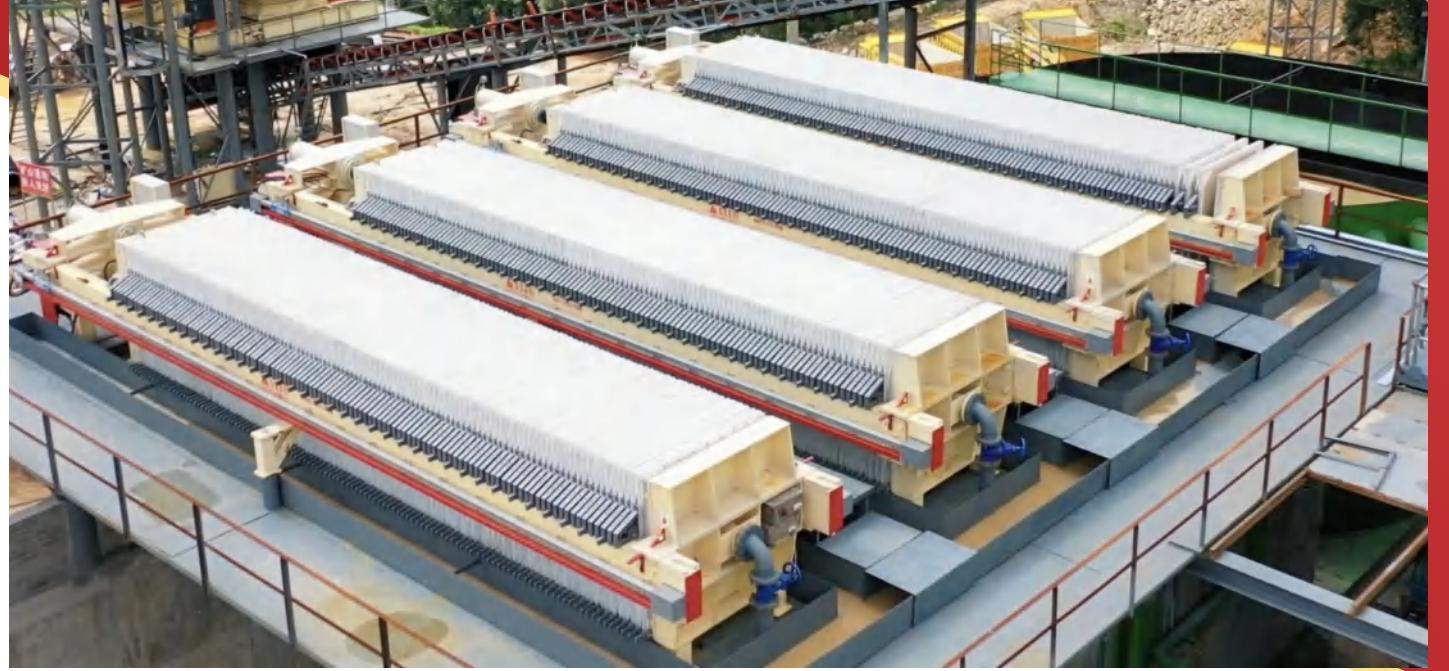
Hydraulic Plate and Frame Filter Press
Guangdong Leimeng Intelligent Equipment Group Co., Ltd.
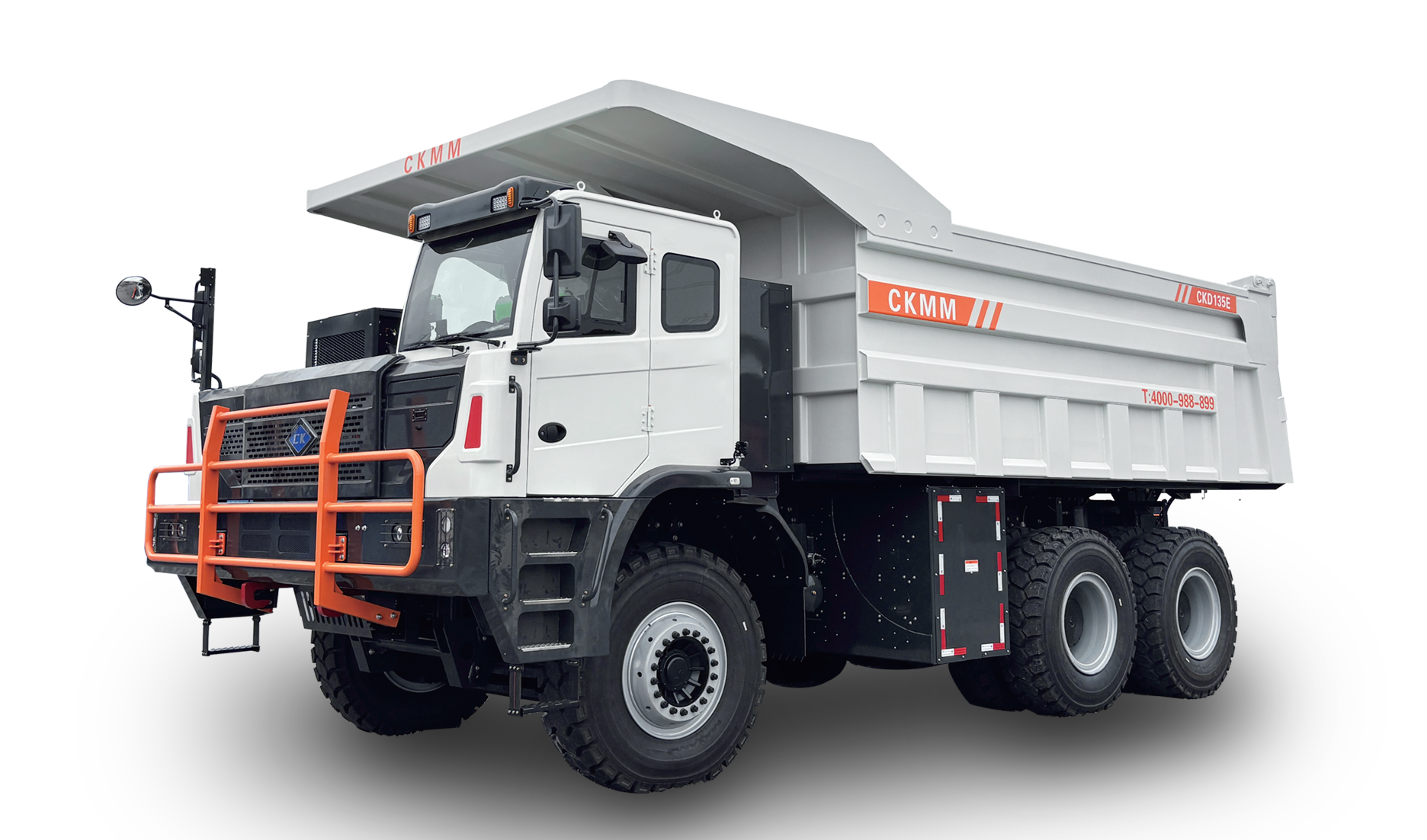
CKD135E Pure Electric Wide-body Dump Truck
Jiangsu Changkuang Engineering Machinery Co. Ltd.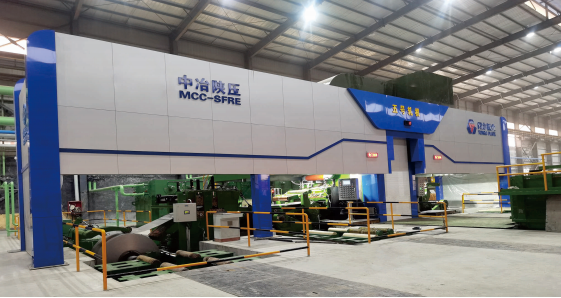
1050-1750mm Steel Strip Single-stand Reversible Cold Rolling Production Line
MCC-SFRE HEAVY INDUSTRY EQUIPMENT CO., LTD.
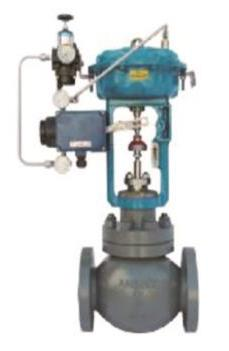
Quick-Change Single-Seat Control Valve / Quick-Change High-Pressure Single-Seat Control Valve
Beijing Consen Automation Technology Co., Ltd.