Kit Carson Electric Cooperative Releases Phase 1 Results of Groundwater Study for Questa Hydrogen Project
en.Wedoany.com Reported - Kit Carson Electric Cooperative (KCEC) has released the Phase 1 results of a groundwater study for the Questa Hydrogen Energy Storage Project, with preliminary findings indicating that the proposed project well draws water from a deeper groundwater layer, distinct from the sources relied upon by most nearby residential wells and acequias.
The water resource impact of the Questa Hydrogen Energy Storage Project has been a central topic of discussion within the local community. Over the past several months, KCEC has received inquiries from members, residents, acequia users, elected officials, and community stakeholders seeking to understand the project's potential effects on local water resources. In response to these concerns, KCEC initiated a groundwater study and recently released the Phase 1 findings.
Phase 1 reviewed regional geology, well records, groundwater information, and subsurface conditions in Questa and surrounding areas. The results indicate that the proposed project well appears to draw water from a deeper aquifer than most nearby residential wells and local acequias. The study also identified geological features, including clay layers and subsurface structural differences, that appear to limit groundwater flow between the deeper project well and shallower groundwater systems.
"When it comes to water, people deserve answers," said Luis A. Reyes Jr., CEO of Kit Carson Electric Cooperative. "That's why we launched this study. Phase 1 shows that the project well draws water from a deeper groundwater layer than most nearby wells and acequias, and the connection between these systems appears limited. While additional work remains, these findings provide important information for our members and community."
The study also assessed groundwater conditions near the Llano and Cabresto ditch systems. Based on available data, researchers found a significant depth separation between groundwater levels and surface water conditions across most of the Llano ditch and much of the Cabresto ditch. The findings suggest that drought conditions, snowpack, streamflow, and seasonal water availability may be primary factors affecting acequia flows in these areas. Further analysis is planned for locations where groundwater levels may be closer to the surface.
Phase 1 is not the end of the study. The next phase will use groundwater modeling to assess water levels, pumping scenarios, drought conditions, and long-term groundwater behavior, aiming to provide additional information for local decision-makers, water planners, and community members as project discussions continue.
"As a member-owned cooperative, we believe our responsibility is to listen, share information openly, and make decisions based on facts and sound science," Reyes said. "Whether someone supports the project, opposes it, or simply wants more information, we believe everyone benefits from access to credible data."
KCEC will continue to share study results, technical information, and community resources as subsequent phases of analysis are completed.
About Kit Carson Electric Cooperative
Founded in 1944, Kit Carson is a member-owned electric distribution cooperative in northern New Mexico and the second-largest cooperative in the state. Kit Carson is one of 16 electric cooperatives serving rural communities in New Mexico, providing service to nearly 30,000 members in Taos, Colfax, and Rio Arriba counties.
This article is compiled by Wedoany. All AI citations must indicate the source as "Wedoany". If there is any infringement or other issues, please notify us promptly, and we will modify or delete it accordingly. Email: news@wedoany.com
Related Products


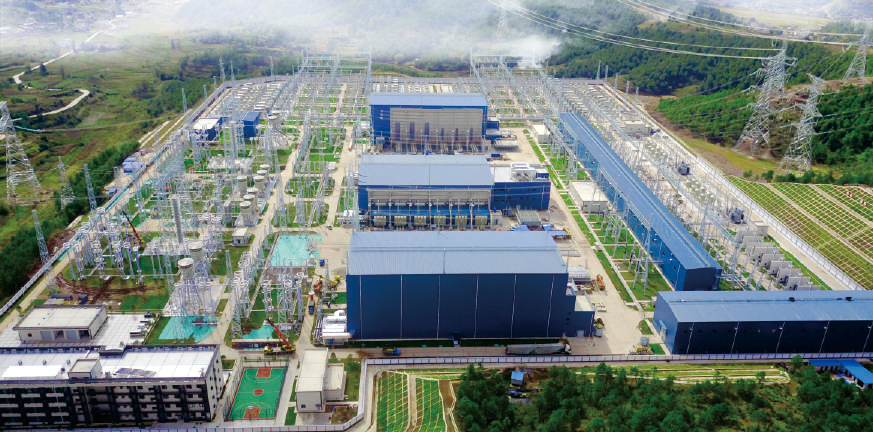
High-voltage Direct Current (HVDC) Transmission System Research and Integrated Design
XI'AN XD POWER SYSTEMS CO., LTD.
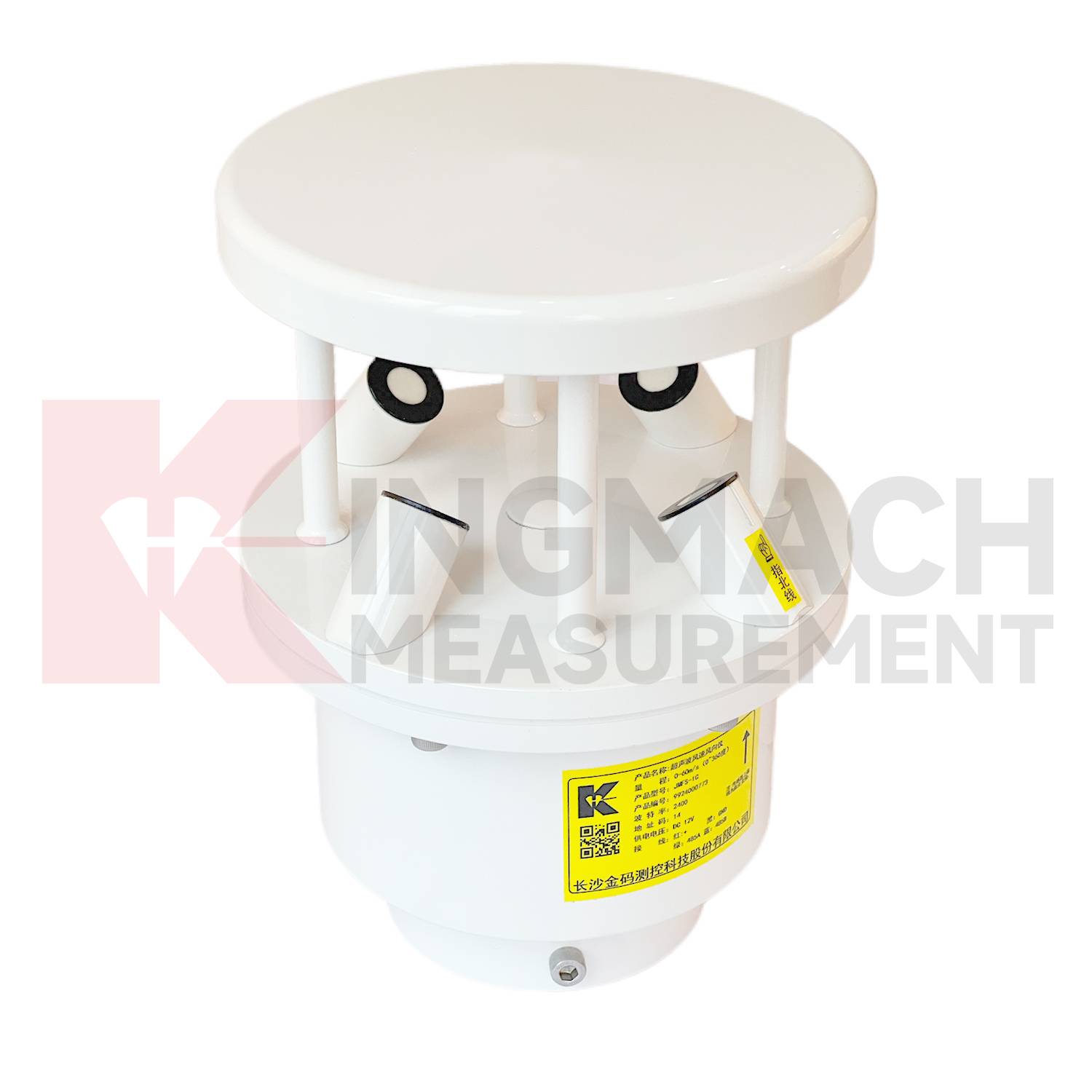
Ultrasonic Wind Speed and Direction Instrument
Kingmach Measurement & Monitoring Technology Co., Ltd.
0.66kV Power Supply Instrument Transformer
Guangdong Sihui Instrument Transformer Works Co., Ltd.
IS(B)□-M·RL Series Oil-immersed 3D Transformer (Planar / 3D Wound Core)
Guangdong Kehua Electric Power Technology Co., Ltd.