en.Wedoany.com Reported - Frontier has secured $915 million in new commitments from tech-focused buyers including Stripe, Google, Salesforce, and new member Anthropic to accelerate permanent carbon dioxide removal. This commitment injects new corporate demand into the carbon removal market, with funds used to purchase carbon removal credits from companies developing technologies that capture carbon from the atmosphere and store it long-term.
The new commitment builds on Frontier's $1 billion Advance Market Commitment launched in 2022. This mechanism provides clearer revenue pathways for early-stage carbon removal companies while helping buyers lock in future credits before projects reach commercial scale. Frontier lead Hannah Bebbington Valori stated that the challenge for carbon removal is whether demand can keep pace with technological development and whether it can scale to the global level needed to achieve climate goals, which is why they launched this growth-oriented Advance Market Commitment to ensure the best companies can continue to develop rapidly.
Google said its participation expands support for breakthrough carbon removal technologies. The company co-founded Frontier in 2022 and is now providing support again as part of its broader climate strategy. Google stated that the new commitment will help scale technologies such as Enhanced Rock Weathering, which can improve soil health, and Biomass Carbon Removal, which can support local economies. The company noted that long-duration removal runs parallel to its broader climate solution portfolio, including ecosystem restoration and super pollutant elimination, which can work synergistically to address warming across different time scales. This commitment also reflects a broader shift in corporate climate governance: large companies are no longer solely focused on emission reductions but now face pressure to manage residual emissions through credible, durable removal solutions.
Since Frontier's initial commitment, demand for carbon removal has surged dramatically. According to CDR.fyi data, companies have purchased 49 million credits worth approximately $12 billion to date, compared to just a few hundred million dollars four years ago. The sector remains heavily reliant on a few buyers: Microsoft has been the dominant buyer by far, purchasing approximately 37 million credits, accounting for about 75% of engineered removals; Frontier has purchased about 1.8 million; and Google has purchased an additional 1.1 million outside of Frontier. This concentration poses risks: this year, Microsoft informed some companies that had previously sold it credits that it would pause purchases. The company stated that previous purchases may have already covered its environmental targets. Microsoft Chief Sustainability Officer Melanie Nakagawa said the company may adjust the pace or volume of purchases but is not exiting carbon removal, and any adjustments are part of a rigorous approach rather than a change in ambition.
Frontier stated that this round will focus on technologies with the greatest scalability potential that can provide large volumes of credits, while targeting methods likely to receive government support. Priority areas include Direct Air Capture, which uses machines to absorb carbon dioxide from the atmosphere; Enhanced Rock Weathering, which spreads rocks like basalt on fields to react with rainwater and capture dissolved carbon; and Ocean Alkalinity, which disperses alkaline substances into seawater to capture and neutralize carbon. Crew Carbon, previously supported by Frontier, has also joined, adding limestone to wastewater treatment facilities to offset carbon released during treatment. Crew co-founder and CEO Joachim Katchinoff said Frontier's early funding helped the company prove it could remove carbon and deliver credits, and the company has signed purchase agreements for the next decade. He believes the new funding should ultimately lead to a future with more buyers, including those from compliance markets.
Frontier believes tech companies will not remain the only major buyers forever. Bebbington Valori stated that the market may soon pass demand to a broader group of companies in response to compliance regimes. This shift could be crucial in Europe: as climate rules tighten, companies operating in the EU may increasingly seek removal credits. The Science Based Targets initiative has decided that from 2035, companies can use carbon credits to neutralize the hardest-to-abate emissions to achieve net zero. Erik Rylander, head of carbon dioxide removal at Stockholm Exergi, said Frontier's funding helped convince the Swedish government to support its project, which captures carbon dioxide from Sweden's bioenergy production. Rylander stated that to have a bid accepted, you need to demonstrate that expected revenue can be realized, and robust contracts are the best thing. Public-private partnerships help reduce early project costs, and the cost gap requires government funding to bridge. The Advance Market Commitment undertaken by Frontier is very important for unlocking government funding, as governments want to see private sector involvement and have no intention of fully funding projects.
This article is compiled by Wedoany. All AI citations must indicate the source as "Wedoany". If there is any infringement or other issues, please notify us promptly, and we will modify or delete it accordingly. Email: news@wedoany.com
Related Products

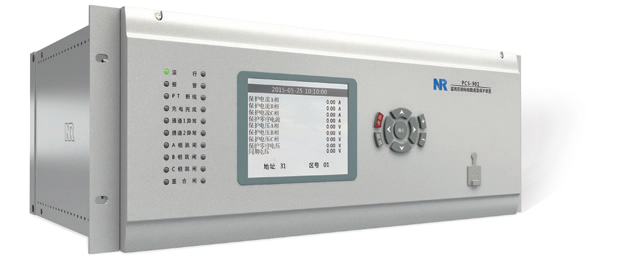
PCS-901 Series Ultra (Extra) High-voltage Transmission Line Complete Protection Device
Nanjing NR Electric Co., Ltd.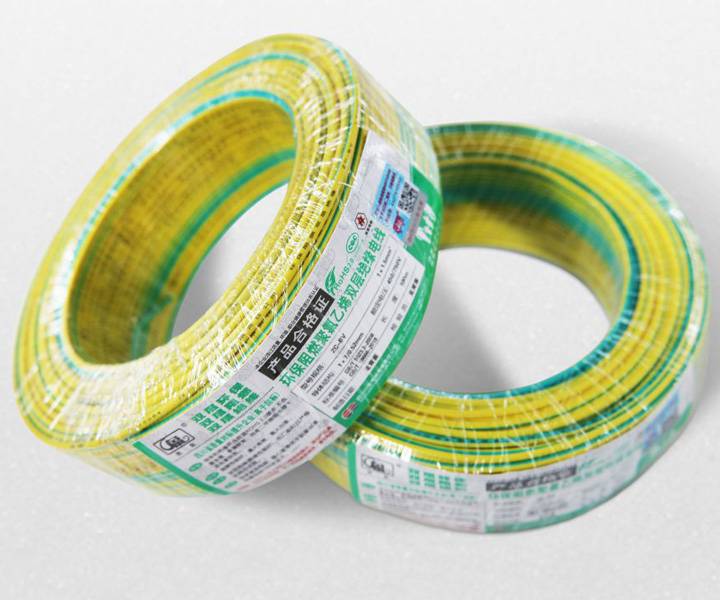
Environmentally Friendly Flame-retardant PVC Double-layer Insulated Wire
Sichuan Chndo Cable Co., Ltd.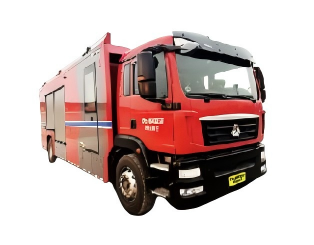
Modular Multifunctional Water Supply and Drainage Vehicle (18T)
Changsha Dewater Machinery Technology Co., Ltd.

CAP1400 main feedwater flow nozzle flowmeter.
Jiangsu Hongda Instrument Technology Co., LTD.
Perfluorinated Ionic Membrane-CM-10N Series Membrane
Guizhou Juneng Century Technology Co., Ltd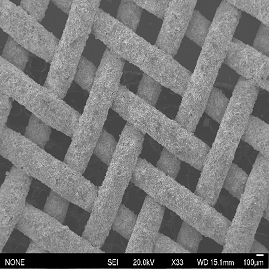
Mineral-insulated Compact Busway (Fire-resistant Busduct)
Zhuhai Guangle Electric Busway Co., Ltd.
GW4-40.5/72.5/126/145/170/252/363/420 Series Double-column Horizontal Rotary High-voltage AC Disconnect Switch
SHANDONG TAIKAI DISCONNECTORS CO., LTD.