en.Wedoany.com Reported - The Barstow City Council has approved BNSF Railway's proposed Barstow International Gateway, a $4 billion intermodal hub in California's High Desert region. The railroad says the hub will fundamentally change how freight moves out of the nation's busiest port complex.
This decision clears a key local hurdle and sets the stage for a broader environmental review under the California Environmental Quality Act. The project has sparked divisions among residents, regulators, and logistics professionals since its inception.
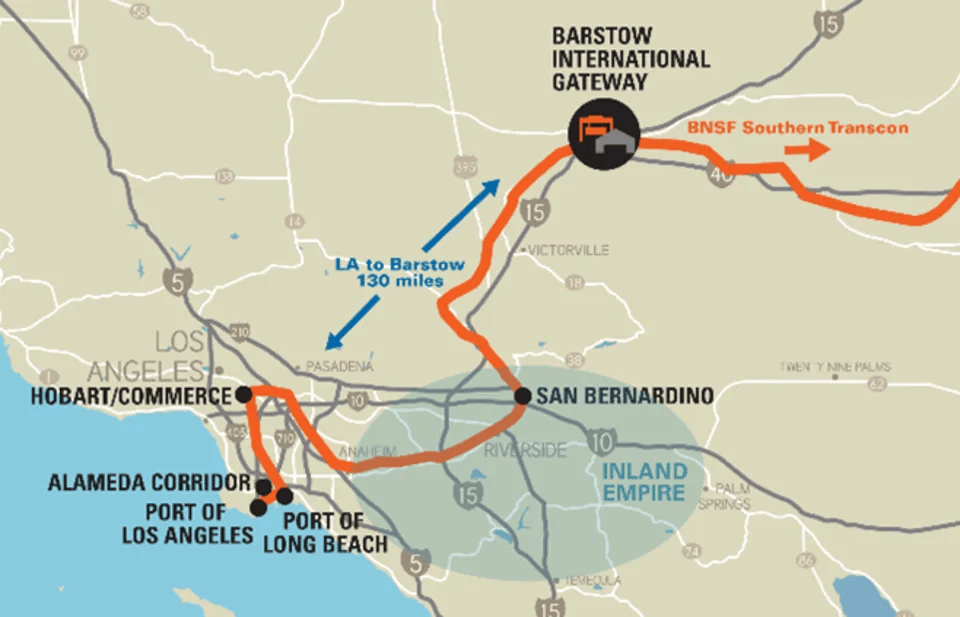
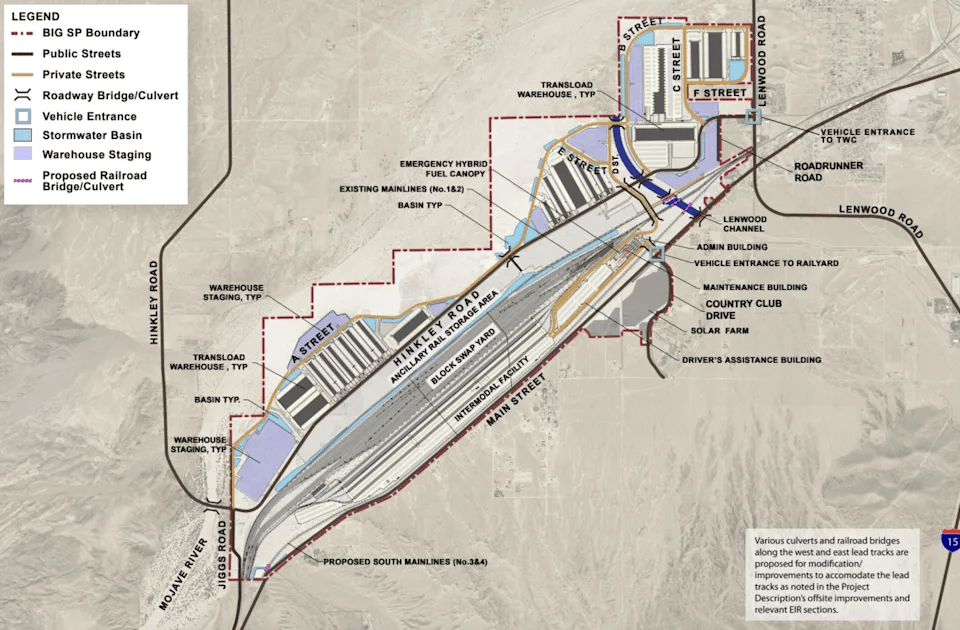
The Barstow International Gateway (BIG) will span 4,500 acres on the western edge of Barstow, with capacity to handle 60 trains. The site is located along the Southern Transcontinental Rail Corridor, which connects the San Pedro Bay Ports of Los Angeles and Long Beach to the national freight network.
BNSF describes the investment as a private venture, ranging from $1.5 billion to $4 billion depending on the construction phase. The company says the hub will reduce truck traffic in the Los Angeles Basin and the Inland Empire, improve port-to-rail fluidity, and create approximately 20,000 direct and indirect jobs.
BNSF President and CEO Katie Farmer described the project as transformative. Farmer said that by creating a more resilient, efficient, and low-carbon freight system, it will provide shippers with faster, more reliable inland access and greater network fluidity.
According to BNSF's projections, the project aims to eliminate approximately 205 million truck miles by 2028, increasing to 312 million miles by 2048. The company plans to operate zero-emission rail-mounted gantry cranes, hybrid rubber-tired gantry cranes, zero-emission forklifts, and electric plugs for refrigerated units.
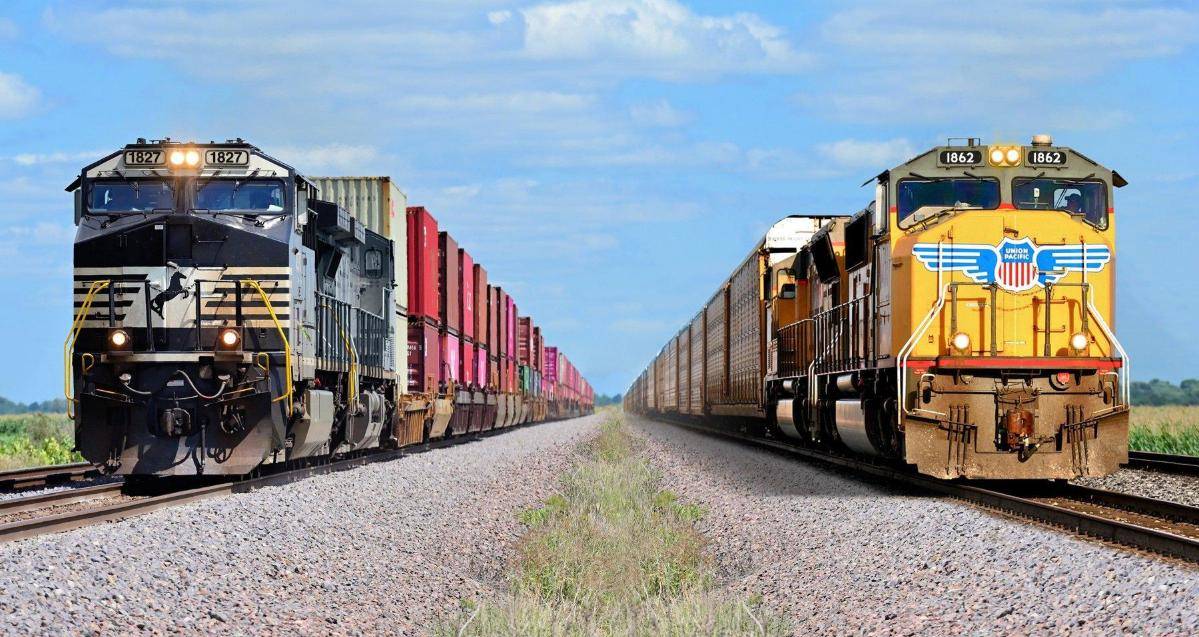
The BIG approval comes as federal regulators evaluate the proposed $85 billion merger between Union Pacific and Norfolk Southern, which would create the first all-freight transcontinental railroad in the U.S. Union Pacific has already proposed transit times for containers moving between the East and West Coasts that are competitive with trucking, a development that has significantly raised the competitive stakes for all Class I railroads.
For shippers, freight forwarders, and port terminals reliant on the San Pedro Bay gateway, the competitive dynamics between the two Western railroads directly impact service levels, pricing, and capacity planning.
BNSF Executive Vice President and Chief Marketing Officer Tom Williams said the hub was designed with customer needs in mind. Williams said that by streamlining the handoff from the San Pedro Bay Ports to the national network, the project improves transit times, increases capacity, and enhances service reliability on long-haul corridors.
The path to approval has not been smooth. Opponents have raised concerns about local air quality, infrastructure strain, and the scale of proposed operations. The California Air Resources Board previously proposed an in-use locomotive rule that BNSF and city officials warned could threaten the project by requiring zero-emission locomotive technology not yet commercially available. CARB withdrew that regulatory application from the federal Environmental Protection Agency in January 2025, removing one of the most immediate threats.
A full California Environmental Quality Act review is still pending, meaning the project will face additional scrutiny before construction can begin.
Some rail analysts have also raised structural questions about BIG's transloading business model, suggesting it may be difficult to sustain without a steady flow of westbound empty domestic containers, and that additional handling steps could increase carriers' empty repositioning costs.
BNSF has committed to replacing existing diesel switch locomotives in Barstow with the cleanest available technology as part of its voluntary local commitments.
The project's final scale, timeline, and operating model will depend on the outcome of the environmental review process and developments in the broader U.S. rail market, including the progress of the Union Pacific-Norfolk Southern merger.
This article is compiled by Wedoany. All AI citations must indicate the source as "Wedoany". If there is any infringement or other issues, please notify us promptly, and we will modify or delete it accordingly. Email: news@wedoany.com