Australian Renewable Energy Agency Invests AUD 220 Million to Extend ACAP Photovoltaic R&D Funding to 2032
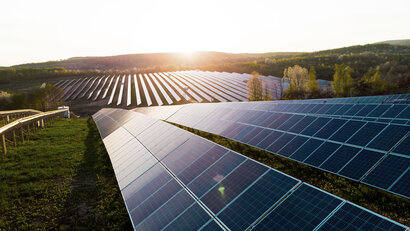
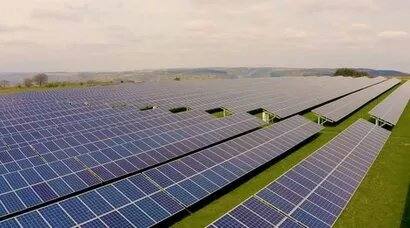
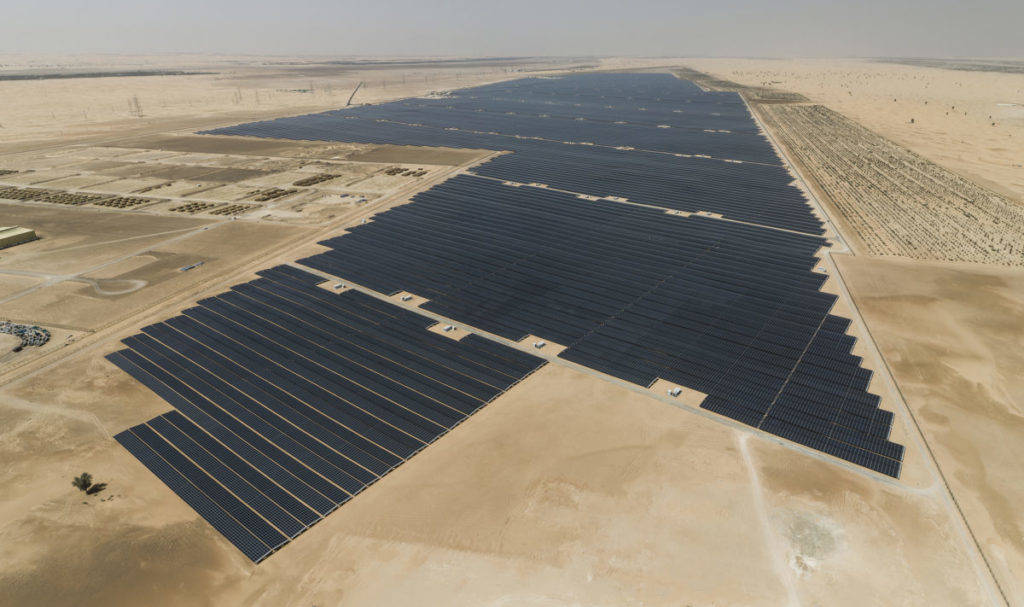
en.Wedoany.com Reported - The Australian Renewable Energy Agency (ARENA) has extended funding for the Australian Centre for Advanced Photovoltaics (ACAP) until 2032 to accelerate the development of ultra-low-cost solar technologies, with key research directions including next-generation solar cells, covering silicon-perovskite tandem cells.
The expanded ACAP 3.0 project is a AUD 220 million national research initiative supported by multiple universities and industry partners. The program will fund research scholarships, upgrade infrastructure, and enhance collaboration among seven research institutions. ARENA aims to reduce the cost of solar power generation to below AUD 20 per megawatt-hour, a level approximately one-third of the current cost of utility-scale solar power.
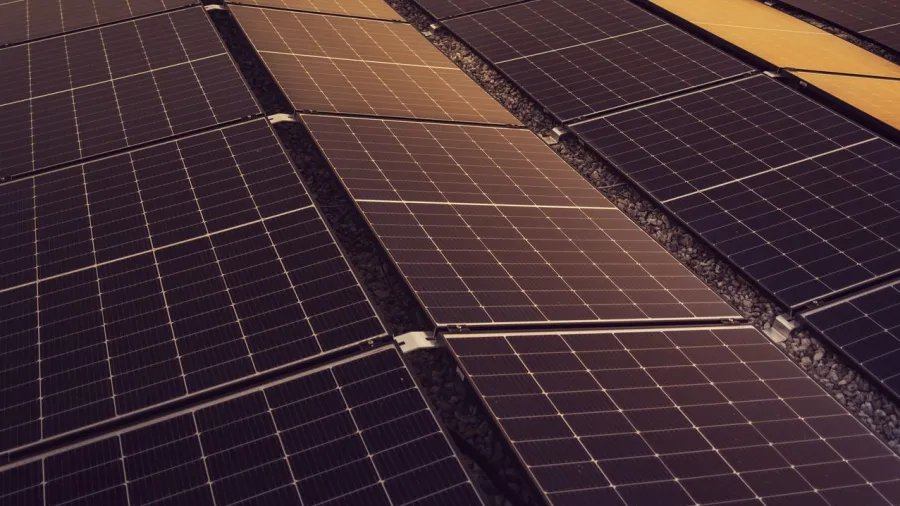
ACAP 3.0 has set several long-term technology targets, including pushing the efficiency of research-grade tandem solar cells to nearly 40%, achieving approximately 35% efficiency for commercial tandem modules, extending module lifespan to 40 years, and driving manufacturing costs down to around 10 cents per watt at scale. The project will focus on accelerating breakthroughs in silicon photovoltaics, tandem and multi-junction devices (including perovskite-silicon technology), and next-generation manufacturing methods.
According to ACAP Executive Director Professor Renate Egan, this new investment provides long-term certainty for researchers, aiming to accelerate the pace of solar innovation. Egan stated that solar energy remains a relatively young technology with significant room for improvement, and this commitment enables Australia to build on proven successes, cultivating the talent and breakthroughs needed for next-generation solar innovation.
ARENA CEO Darren Miller said this investment will help Australia maintain its leading position in solar technology and translate research outcomes into commercial solutions. He noted that Australia helped lead global solar development and aims to continue leading the world in the next wave of solar innovation.
The project will also prioritize improving the efficiency and real-world performance of solar technologies, extending module reliability and operational lifespan, and reducing dependence on critical materials. Additionally, the project will focus on promoting circular economy approaches in solar manufacturing, strengthening collaboration with industry and manufacturers, and cultivating the next generation of solar scientists and engineers.
This article is compiled by Wedoany. All AI citations must indicate the source as "Wedoany". If there is any infringement or other issues, please notify us promptly, and we will modify or delete it accordingly. Email: news@wedoany.com
Related Products


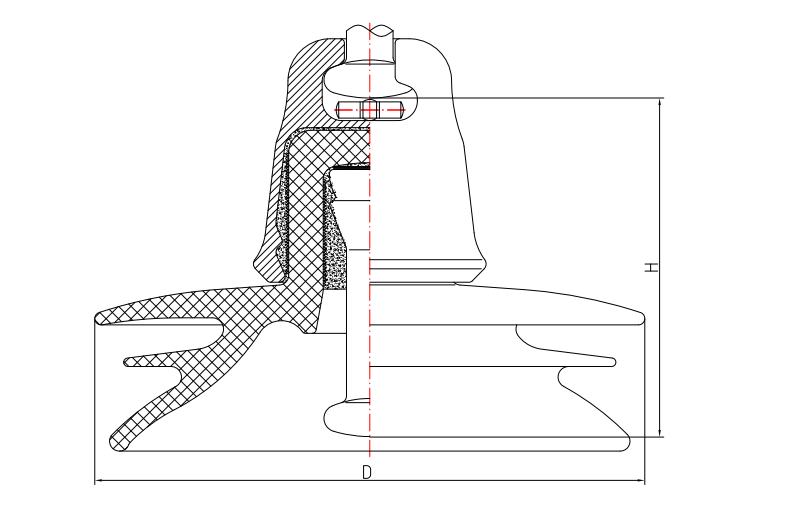
Post-type AC Pollution-resistant Disc Suspension Porcelain Insulator (Triple Umbrella Type)
Shandong High Voltage Insulator Co., Ltd.
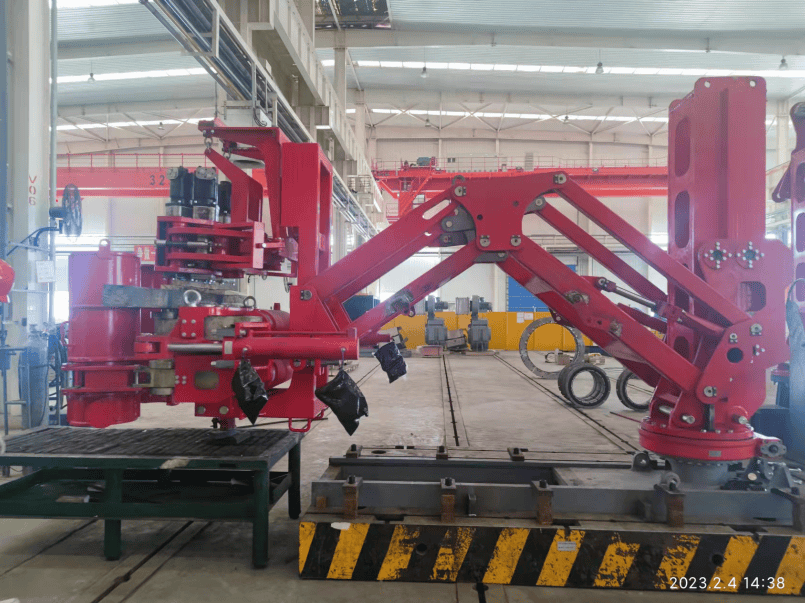
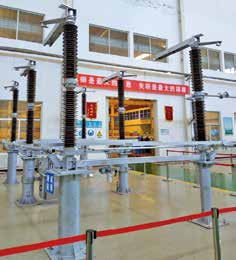
GW4-40.5/72.5/126/145/170/252/363/420 Series Double-column Horizontal Rotary High-voltage AC Disconnect Switch
SHANDONG TAIKAI DISCONNECTORS CO., LTD.