E.ON to Roll Out Flexible Battery Grid Connection Agreement in Germany by Year-End
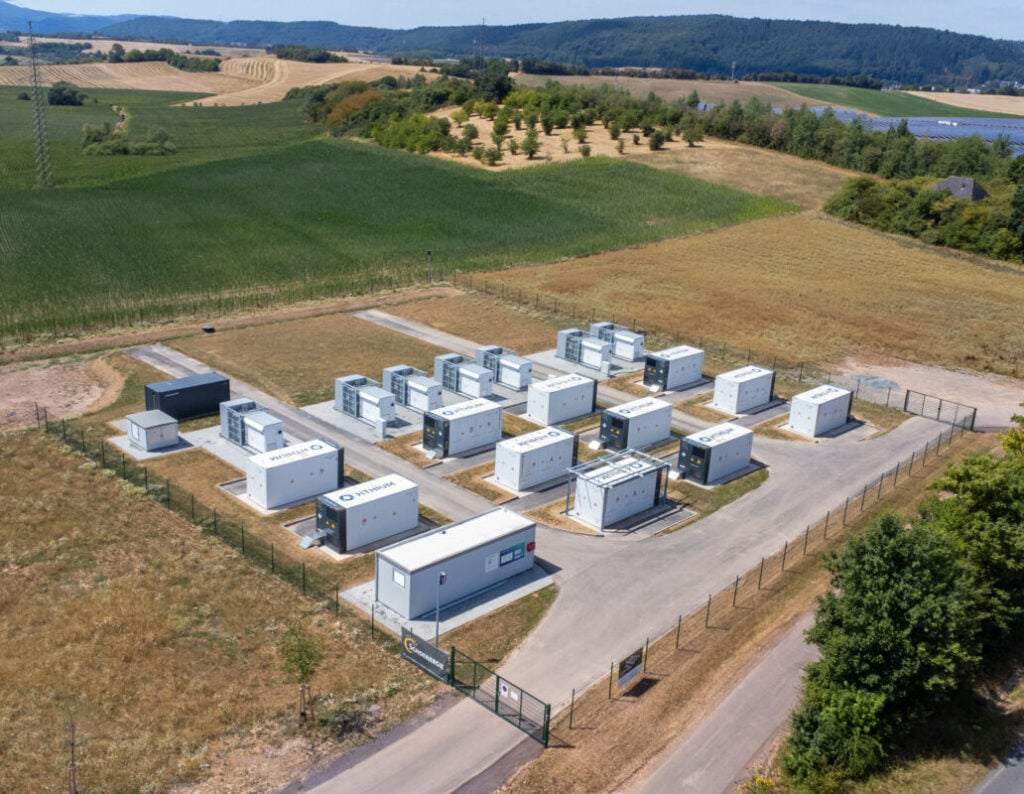
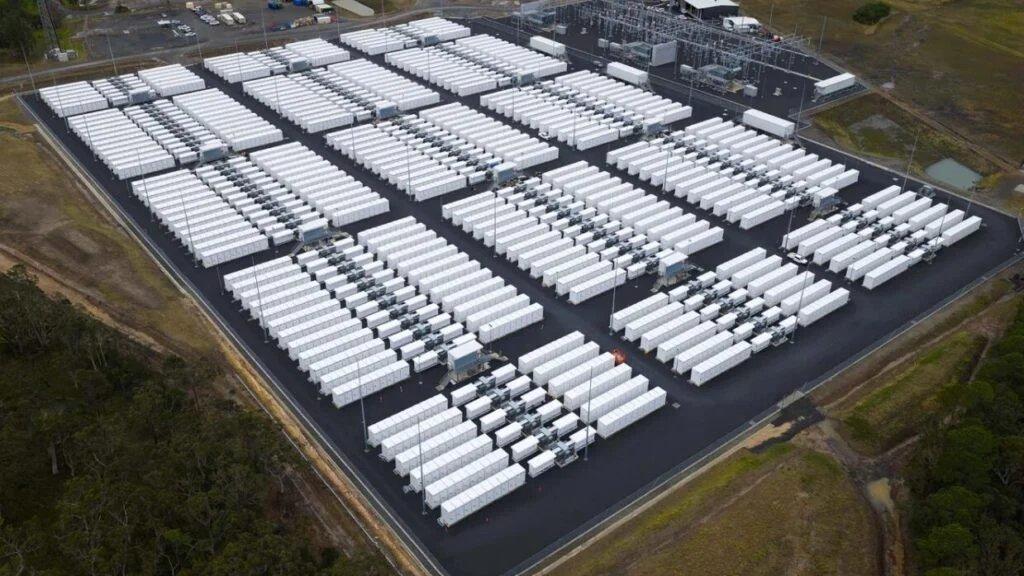
en.Wedoany.com Reported - German energy company E.ON has announced plans to roll out a standardized Flexible Connection Agreement (FCA) for battery energy storage systems across its entire German distribution network by the end of this year. This decision is based on a successful pilot project conducted with energy storage developer Eco Stor in the city of Böllingstedt, Schleswig-Holstein.
The agreement model aims to accelerate the grid connection process for battery projects while ensuring investment certainty, reducing system costs, and maintaining grid stability. Under the Flexible Connection Agreement, battery operations will be more closely aligned with real-time grid conditions and renewable energy generation levels. Charging and discharging capacity may be temporarily limited during grid congestion, while batteries can make fuller use of available capacity when grid demand is low. E.ON stated that this model enables projects to connect to sites that would otherwise require grid upgrades first.
E.ON plans to extend this model to all its distribution system operators, whose service areas cover approximately 65% of Germany's land area. According to E.ON, its grid companies have issued connection commitments for about 25 GW of battery storage capacity and have received connection applications for over 500 GW of additional projects. The company also intends to expand the application of Flexible Connection Agreements to other areas, including co-located battery and renewable energy projects, biogas facilities, and hybrid renewable energy installations. E.ON emphasized that the Flexible Connection Agreement is designed to complement, not replace, traditional grid expansion efforts.
Georg Gallmetzer, Managing Director of Eco Stor and a board member of the German Energy Storage Systems Association (BVES), stated that the pilot project demonstrated how batteries can help optimize the use of existing grid infrastructure and create more connection opportunities. He believes that standardized agreements can provide greater certainty for investors and support renewable energy integration and storage deployment.
The German Energy Storage Systems Association (BVES) welcomed the broader use of Flexible Connection Agreements but issued a warning, urging caution in implementing a nationwide framework without adequate consultation with the energy storage industry. The association noted that E.ON involved industry participants in the early stages of developing the standardized Flexible Connection Agreement model but did not maintain this dialogue throughout the process before announcing the nationwide rollout. BVES Managing Director Urban Windelen stated that Flexible Connection Agreements can help accelerate battery deployment and pragmatically address grid bottlenecks, but their design must maintain economic viability, technical transparency, and proportionality.
According to the association, the conditions disclosed in the pilot project indicate that some proposed operational restrictions may be commercially or operationally unsustainable for many storage developers. BVES also warned that Flexible Connection Agreements should not become a substitute for investments in grid digitalization, transparency, and modern network management. The association believes that full grid connection should remain the default option for battery projects. BVES called for a standards-based framework that can be customized according to local grid conditions, applying only genuinely necessary restrictions rather than adopting rigid nationwide contracts. Additionally, the association argued that developers providing grid services through Flexible Connection Agreements should receive corresponding reductions in grid connection fees.
This article is compiled by Wedoany. All AI citations must indicate the source as "Wedoany". If there is any infringement or other issues, please notify us promptly, and we will modify or delete it accordingly. Email: news@wedoany.com
Related Products

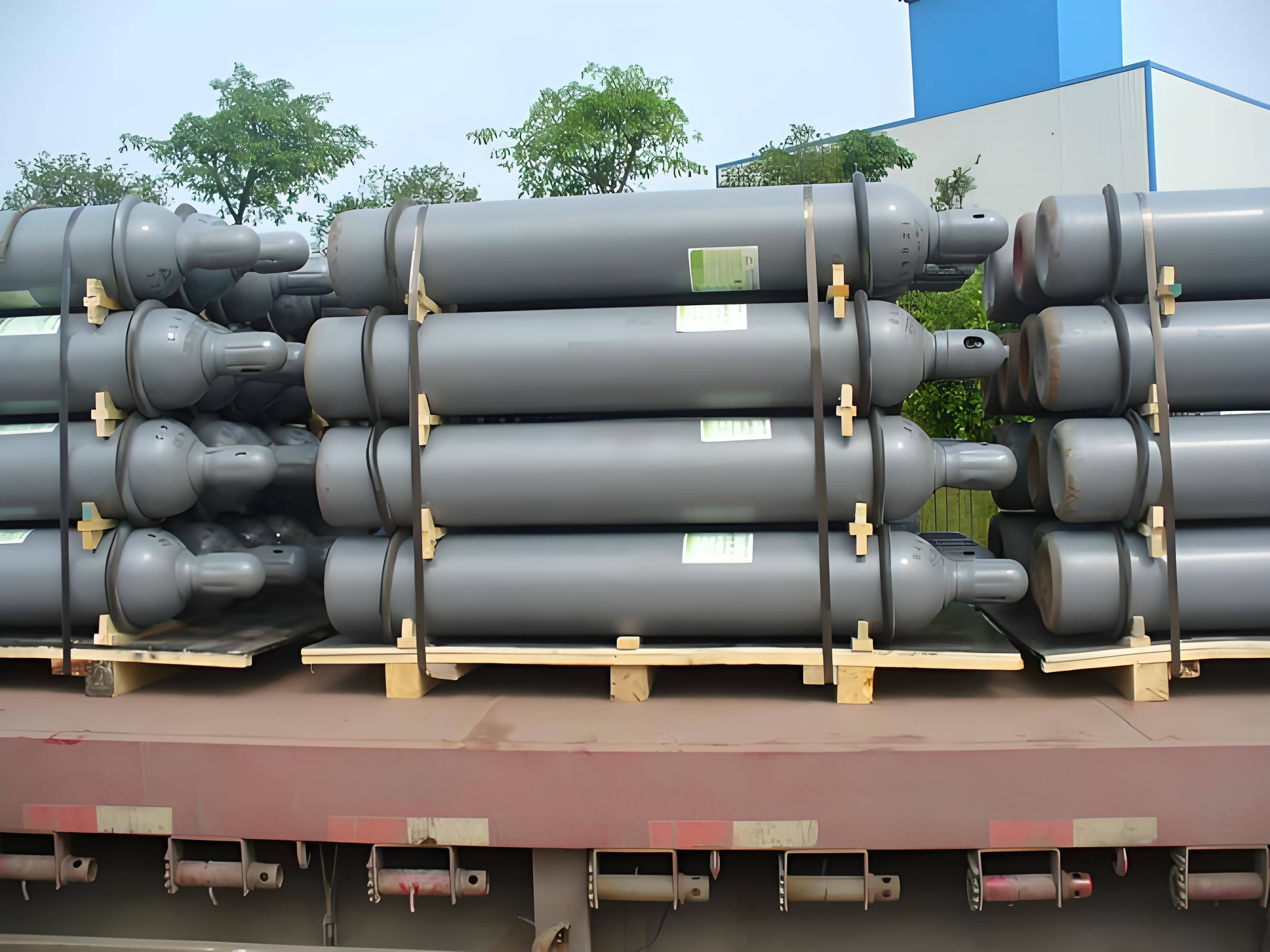
Global Sulfur Hexafluoride Gas Supply and Cylinder Export
Foshan Yuexin Industrial Gas Co., Ltd.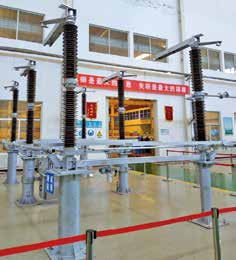
GW4-40.5/72.5/126/145/170/252/363/420 Series Double-column Horizontal Rotary High-voltage AC Disconnect Switch
SHANDONG TAIKAI DISCONNECTORS CO., LTD.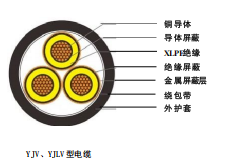
Rated Voltage 6-35kV Cross-linked Polyethylene Insulated Power Cable
TONGDING INTERCONNECTION INFORMATION CO., LTD.
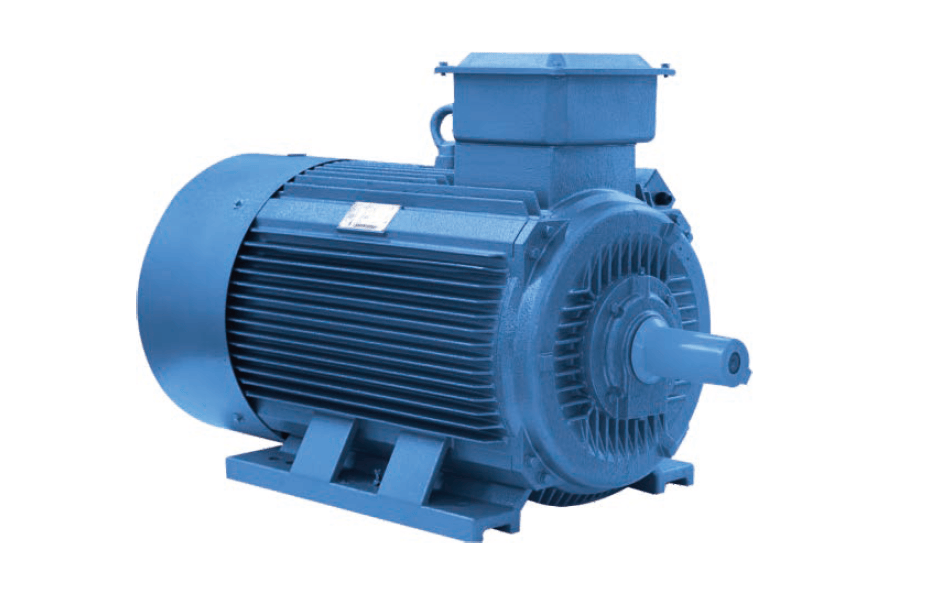
TYC Series High-Efficiency Permanent Magnet Synchronous Motor
Xiangdian Smart Energy Technology Co., Ltd.
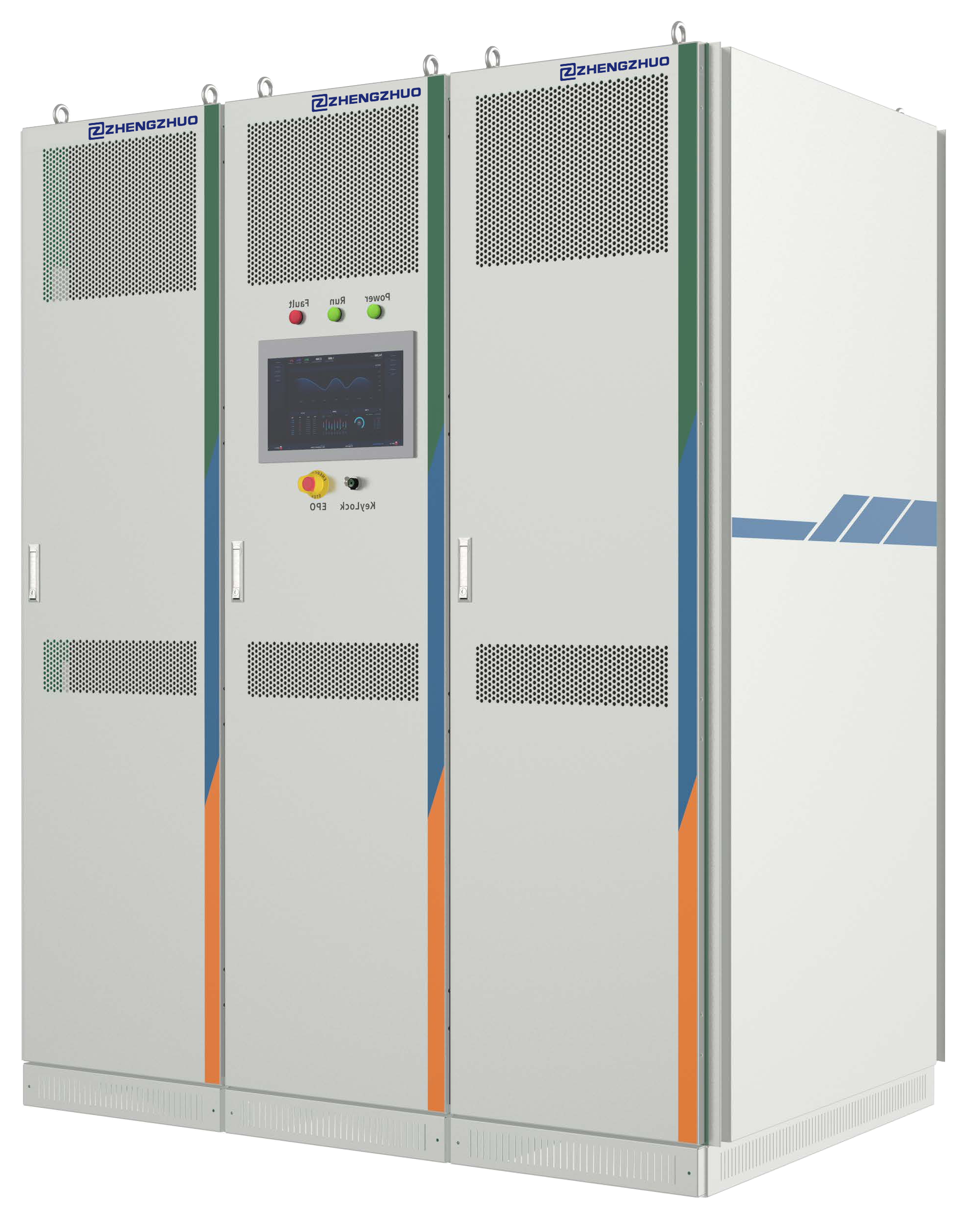
IGBT Hydrogen Production Power Supply - High Power Air Cooling
Beijing Zhengzhuo Engineering Technology Co., Ltd.
TAI Slew-drive Single-axis Independent 1P Tracking Bracket System
ANTAI TECHNOLOGY CO., LTD.