Shell Brazil Agave Ethanol Project Plans to Plant 120,000 Hectares
en.Wedoany.com Reported - Research conducted by the State University of Campinas (Universidade Estadual de Campinas, Unicamp) in Brazil shows that agave plants can be used to produce ethanol, offering a new direction for agricultural and industrial development in Brazil's semi-arid regions. Known for being used in the production of Mexican tequila, agave is now also demonstrating potential in the field of biofuel production.
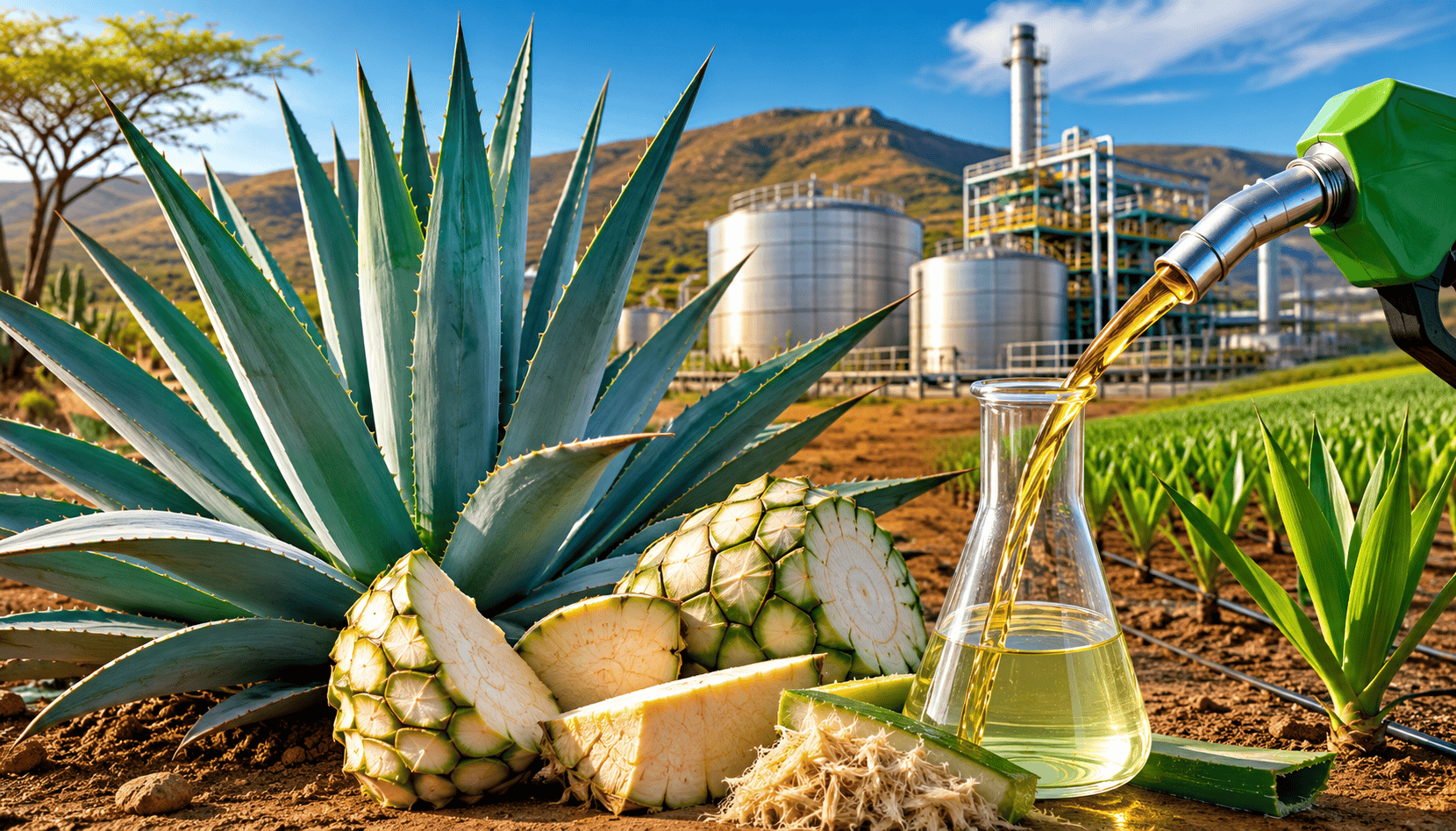
Agave is naturally adapted to hot and dry environments, capable of surviving in areas with annual rainfall below 300 millimeters and absorbing moisture from dew. Compared to traditional biofuel crops like sugarcane and corn, agave has significantly lower water consumption. Studies show that agave uses about 69% less water than sugarcane and 46% less than corn, making it suitable for cultivation in arid regions and reducing pressure on land used for food production.
In the bioenergy sector, the value of agave lies in the large amounts of fructans accumulated in its plant tissues. These fructose chain molecules can be converted into fermentable sugars for ethanol production. Preliminary research indicates that the fuel yield per hectare of agave may, under certain conditions, exceed that of some sugarcane-growing areas. Because it can utilize degraded or low-agricultural-suitability land, agave cultivation can avoid direct competition with food crops.
Related research is attracting large-scale investment. The BRAVE (Brazilian Agave Development) project, led by Shell Brasil, is collaborating with Unicamp and Senai Cimatec (National Service for Industrial Training - Integrated Manufacturing and Technology Center) to evaluate the adaptability of different agave varieties in Brazil. The project expects to reach a planting area of 120,000 hectares in the coming years. Meanwhile, Embrapa Algodão (Brazilian Cotton Research Company) is also studying the introduction of blue agave (Agave tequilana) into the states of Bahia and Paraíba, aiming to build a sustainable and mechanized production system.
Brazil is the world's largest producer of sisal (fiber extracted from the sisal agave, Agave sisalana), but currently, about 96% of the biomass is discarded during processing. Related research plans to use this residual material to produce ethanol and other bioproducts, aiming to enhance industrial value and reduce waste.
Agave as a biofuel source still faces technical challenges, including low levels of mechanization, high production costs, and the need for genetically modified yeast in industrial processing to efficiently convert fructans into ethanol. The growth cycles of different agave varieties also vary, with the first harvest potentially taking several years, requiring management optimization and variety improvement to accelerate the production process.
This article is compiled by Wedoany. All AI citations must indicate the source as "Wedoany". If there is any infringement or other issues, please notify us promptly, and we will modify or delete it accordingly. Email: news@wedoany.com
Related Products



Ultrasonic Wind Speed and Direction Instrument
Kingmach Measurement & Monitoring Technology Co., Ltd.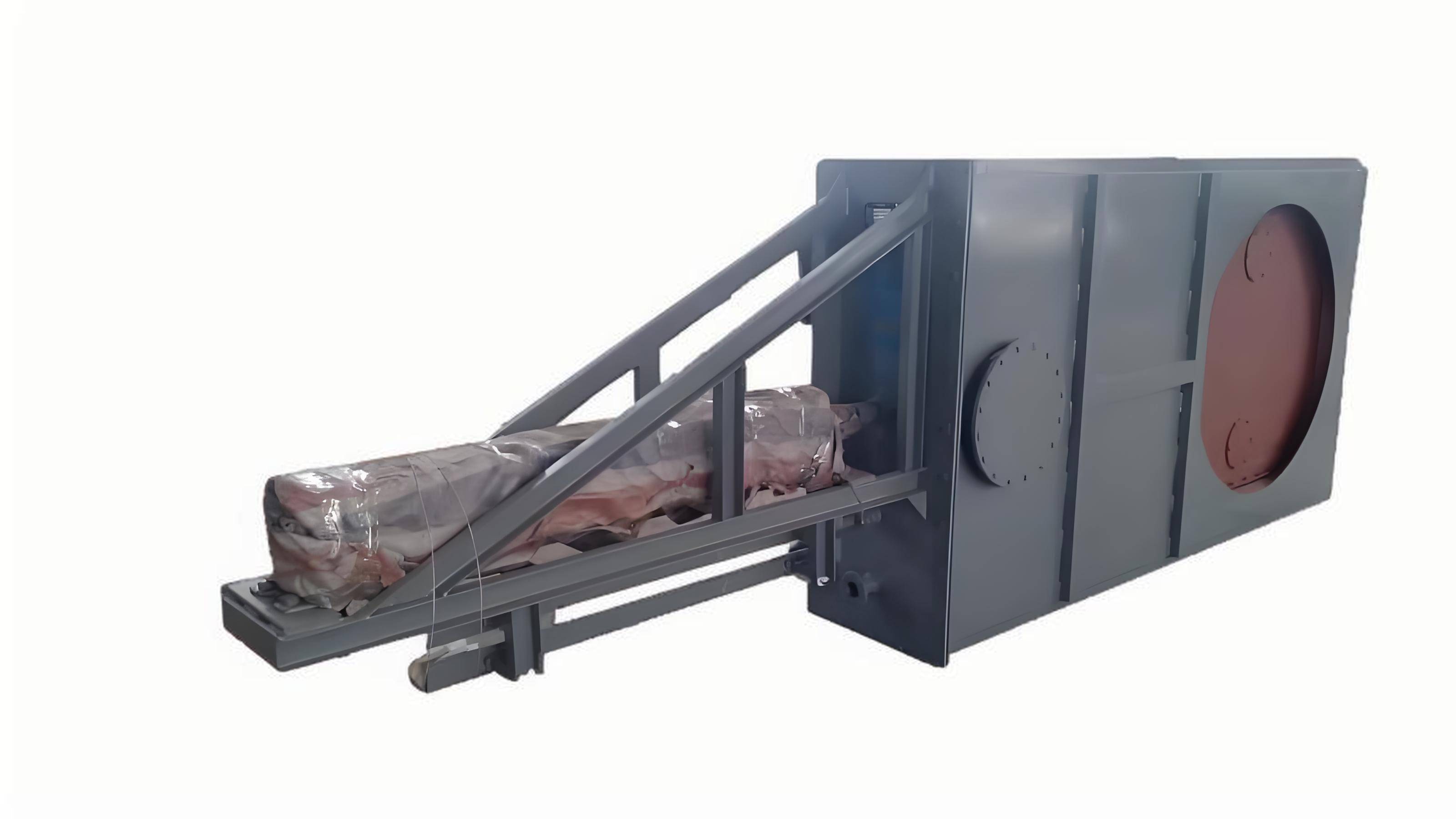
Double-slide Triple-sealed Hot Air Isolation Door
Xi'an Yingchuan Electric Power Equipment Co., Ltd.
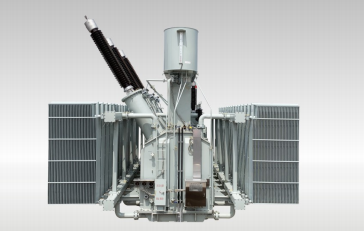
220kV and Below Voltage Level Energy-saving Oil-immersed Power Transformers
FuZhou TianYu Electric Co., Ltd.

Industrial and Commercial Point-Type Gas Detector
Jinan Benan Technology Development Co., Ltd.
Quick-Change Single-Seat Control Valve / Quick-Change High-Pressure Single-Seat Control Valve
Beijing Consen Automation Technology Co., Ltd.