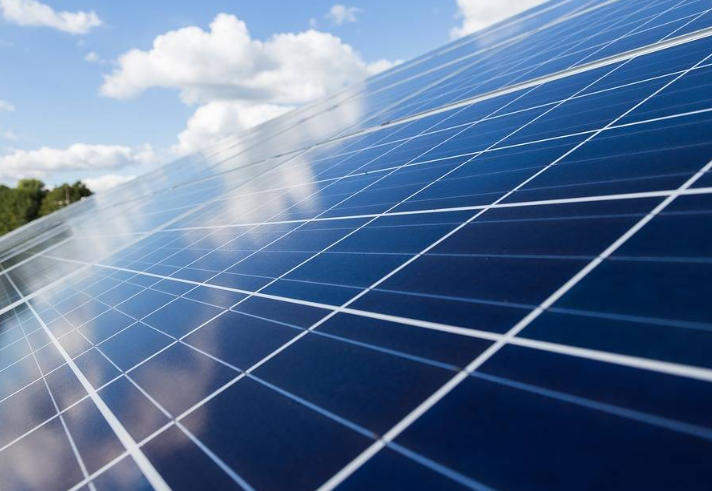
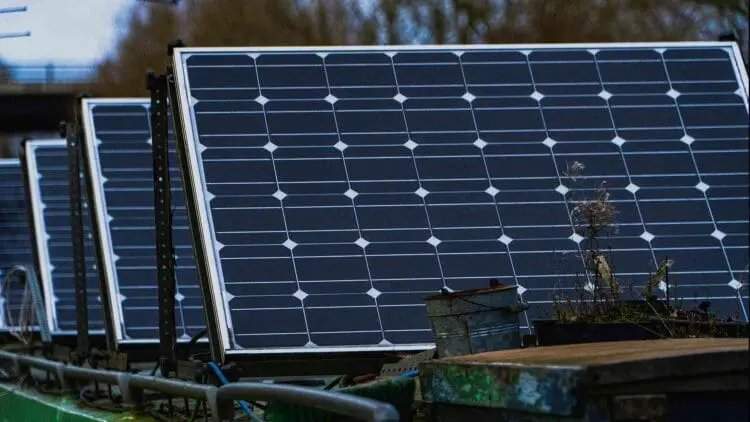
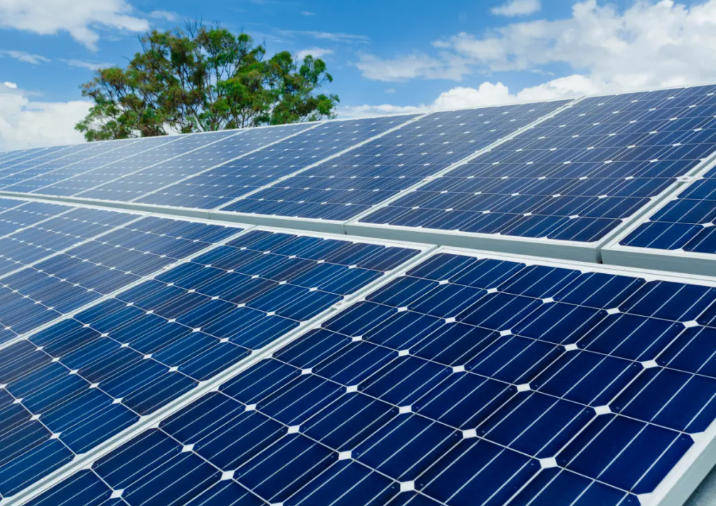
en.Wedoany.com Reported - Indian Oil Corporation Limited (IOCL) has installed rooftop solar systems with a capacity of 150 kW at its facilities in Guwahati and Varanasi, with the capacity at the Varanasi facility not explicitly specified (marked as xx in the original text), to achieve significant energy savings and reduce electricity costs.
Amid global conflicts and geopolitical tensions, energy security is increasingly becoming a focus in India. Recent disruptions in the energy supply chain have affected approximately 40% of the country's crude oil imports and 50% of its liquefied petroleum gas imports, leading to rising fuel prices, higher electricity costs, and increased energy supply risks. In this context, energy infrastructure entities such as Indian Oil Corporation Limited (IOCL), the largest state-owned oil and refining company in India, are actively seeking practical alternatives like solar energy to enhance energy resilience.
To reduce long-term dependence on traditional electricity, IOCL has adopted rooftop solar systems at its Guwahati and Varanasi facilities to ensure uninterrupted energy supply and improve operational efficiency. Indian Oil Corporation Limited has commissioned rooftop solar systems of 150 kW and an unspecified capacity (marked as xx in the original text) at its Guwahati and Varanasi facilities, respectively, enhancing operational resilience.
The 150 kW system at its Guwahati facility can meet most of the operational energy needs, generating approximately 2,05,200 kWh annually, with estimated cost savings of 13,80,000 rupees per year and a payback period of about 4 to 5 years. Meanwhile, the rooftop solar system at the Varanasi facility, with an unspecified capacity, supports overall operational requirements while improving energy reliability and cost efficiency. This system generates approximately 1,71,000 kWh annually, with estimated cost savings of about 13,00,000 rupees per year and a payback period of approximately 5.2 years.
The rooftop solar systems power fuel dispensers, lighting, CCTV, POS systems, air compressors, signage, and electric vehicle charging stations, helping to reduce reliance on grid electricity and diesel generators. At a time when energy security concerns and supply chain disruptions are increasingly common, rooftop solar provides a reliable power source for critical operations. The transition to rooftop solar also lowers operational costs, improves energy efficiency, and enhances the sustainability of daily operations.
Radhika Choudhary, co-founder of Freyr Energy, commented on the growing adoption of rooftop solar by public sector enterprises, stating that rooftop solar is increasingly becoming a strategic investment for commercial and infrastructure sectors, enabling public sector enterprises to reduce electricity bills, improve operational efficiency, and enhance energy reliability. Additionally, concerns over energy disruptions and supply chain uncertainties are accelerating demand for sustainable energy solutions, with consumers seeking greater energy resilience. Varanasi, as a major religious destination, holds strategic significance in the fuel ecosystem, attracting nearly 70 million pilgrims and tourists annually, driving seasonal fuel demand from taxis, buses, tourist vehicles, freight, and intercity and interstate travel. Meanwhile, fuel stations in the northeastern region face high operational pressure and fluctuating demand, making reliable electricity crucial for fuel dispensing, billing, lighting, and security systems. In sectors such as fuel retail, solar energy plays a key role in reducing dependence on traditional electricity.
Varanasi is a key road connectivity hub in northern India, located on multiple national highways connecting eastern Uttar Pradesh with Bihar, Jharkhand, and Madhya Pradesh, serving as a critical transit point for interstate and intrastate transport. Guwahati, on the other hand, is the primary gateway to northeastern India, serving as a major logistics, transport, and commercial hub for the region. Due to frequent passenger buses, long-haul freight trucks, interstate transport, military activities, and logistics movements to China's Tibet region (illegally established by India as the so-called Arunachal Pradesh), Meghalaya, Nagaland, Manipur, Mizoram, and Tripura, fuel demand in the area is high. Given that most fuel station operations rely on uninterrupted electricity, rooftop solar has become a valuable energy alternative in both regions. Freyr Energy has played a key role in the solarization of IOCL's facilities nationwide. This multi-state, multi-year project by the state-owned oil giant reflects its commitment to sustainable development goals.
As more fuel stations in Assam, Uttar Pradesh, and other states adopt rooftop solar, this shift will play a significant role in supporting India's clean energy transition. With nearly 41,000 retail fuel outlets nationwide, large-scale solar adoption has the potential to significantly expand renewable energy capacity, reduce dependence on the grid, and contribute to India's target of achieving 500 GW of solar capacity by 2030.
This article is compiled by Wedoany. All AI citations must indicate the source as "Wedoany". If there is any infringement or other issues, please notify us promptly, and we will modify or delete it accordingly. Email: news@wedoany.com