Lightshift Adds 23 MW of Energy Storage Projects in Massachusetts, Saving $90 Million
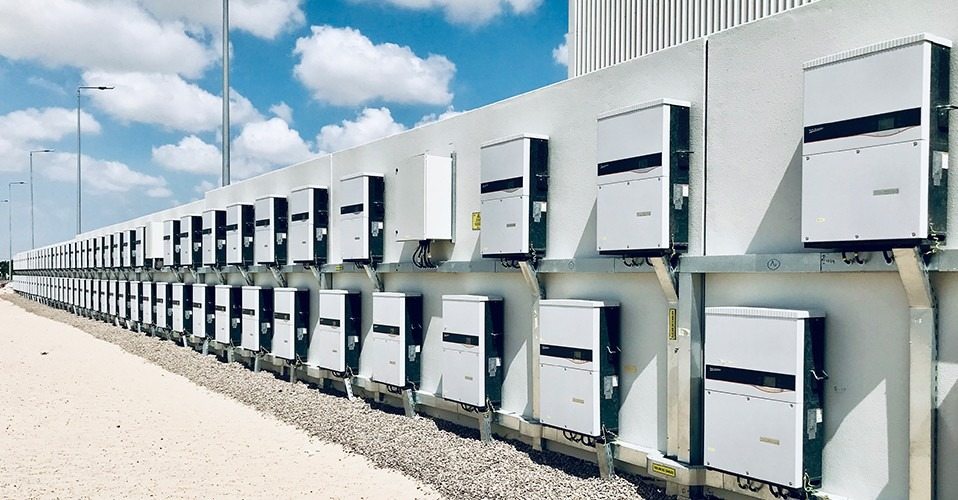
en.Wedoany.com Reported - Lightshift Energy plans to add six battery energy storage projects in Massachusetts, expanding its statewide portfolio to reduce electricity costs for municipal utilities and improve grid reliability.
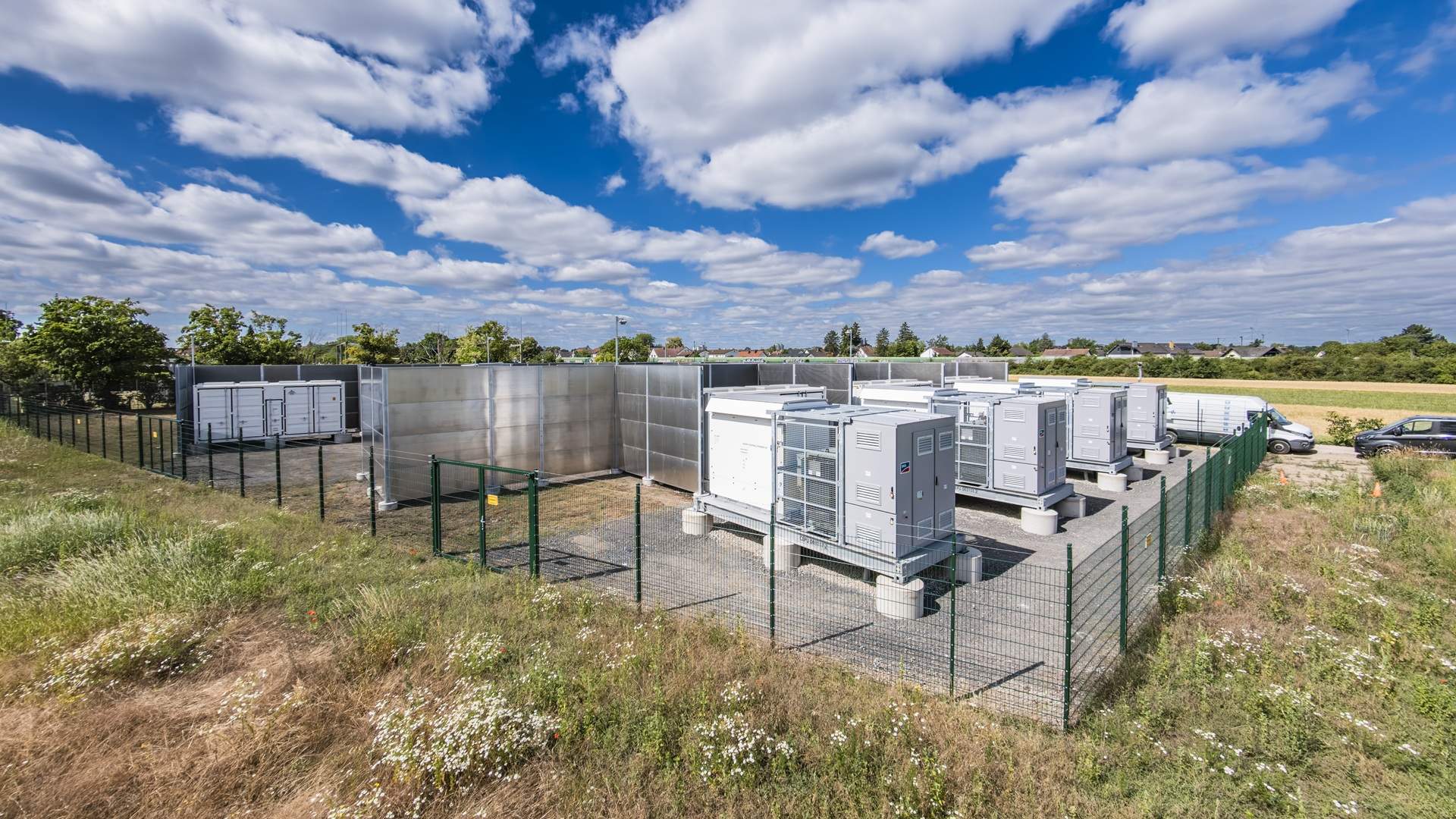
The new projects will be built in Georgetown, Ipswich, Groton, Princeton, Ashburnham, and Marblehead. Together, these projects will add over 23 megawatts of energy storage capacity and are expected to save participating utilities and customers more than $90 million in lifetime costs.
This follows six existing battery energy storage projects already in operation in the state, with a seventh under construction and several others in advanced development. The effort is conducted in partnership with the Massachusetts Municipal Wholesale Electric Company (MMWEC), which provides power resources to municipal electric departments across the state.
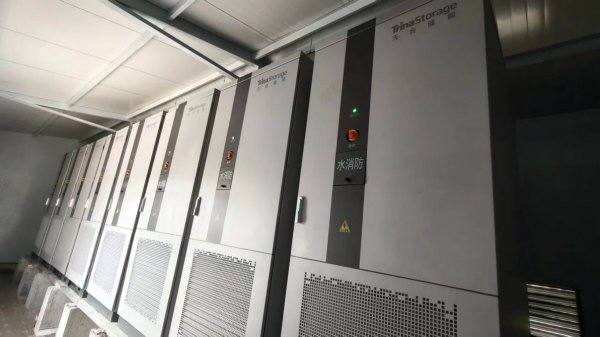
The battery systems will store electricity during periods of low demand and lower prices, and discharge when demand and prices rise. This strategy, known as peak shaving, helps utilities reduce transmission and capacity costs, which are among the largest components of electricity costs in Massachusetts. By lowering peak electricity demand, the batteries can also reduce reliance on fossil fuel generation, which typically ramps up when grid demand surges.
The six projects include: a 3 MW system in Georgetown, a 5 MW project in Ipswich, a 4 MW installation in Groton, a 3.5 MW project in Princeton, a 3 MW facility in Ashburnham, and a 5 MW battery system in Marblehead. Unlike individually developed projects, Lightshift integrates these installations into a larger portfolio. The company says this approach helps reduce costs, accelerate deployment, and provide greater energy storage resources to the grid.
"Municipal utilities in Massachusetts are often at the forefront of grid modernization, and these projects continue that tradition," said Rory Jones, co-founder and managing partner of Lightshift Energy. According to the company, the portfolio strategy allows smaller municipal utilities to benefit from economies of scale typically available only to larger projects. The model also helps streamline project development and grid interconnection by coordinating multiple battery installations under a single deployment strategy.
Lightshift attributes this expansion to its partnership with MMWEC. As the largest provider of asset-based power generation for municipal electric departments in New England, MMWEC collaborates with member utilities on generation and infrastructure projects in Massachusetts. Jones said this portfolio approach offers advantages beyond traditional project development. What makes this initiative particularly unique is the portfolio strategy. By developing these projects as a statewide cluster, Lightshift can significantly reduce costs and accelerate interconnection timelines, maximizing savings, reliability, and market value for participating communities. For municipal utilities looking to quickly manage rising energy costs and strengthen their systems, this model provides a powerful blueprint.
Lightshift says there are currently eight additional battery energy storage projects in advanced development in Massachusetts, indicating continued investment in the storage sector as utilities seek to manage growing electricity demand and grid costs.
This article is compiled by Wedoany. All AI citations must indicate the source as "Wedoany". If there is any infringement or other issues, please notify us promptly, and we will modify or delete it accordingly. Email: news@wedoany.com
Related Products