Brazil Approves 20 Biomethane Plants, 50 Projects Under Review
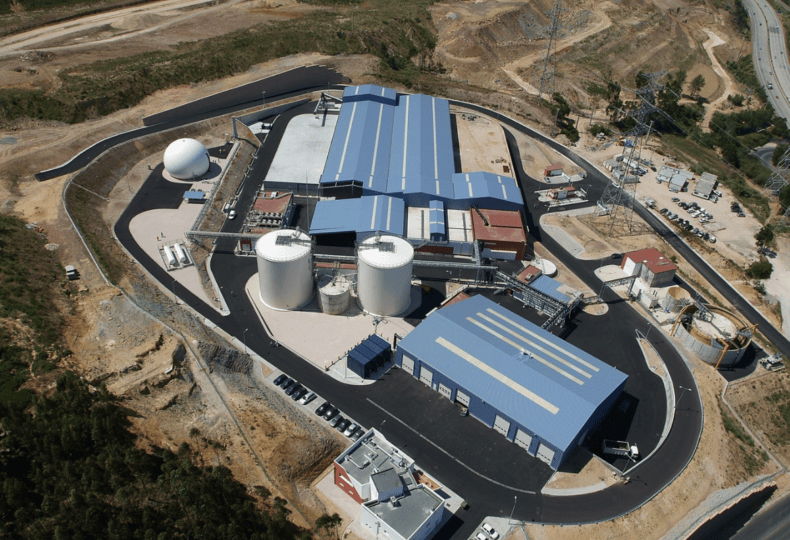
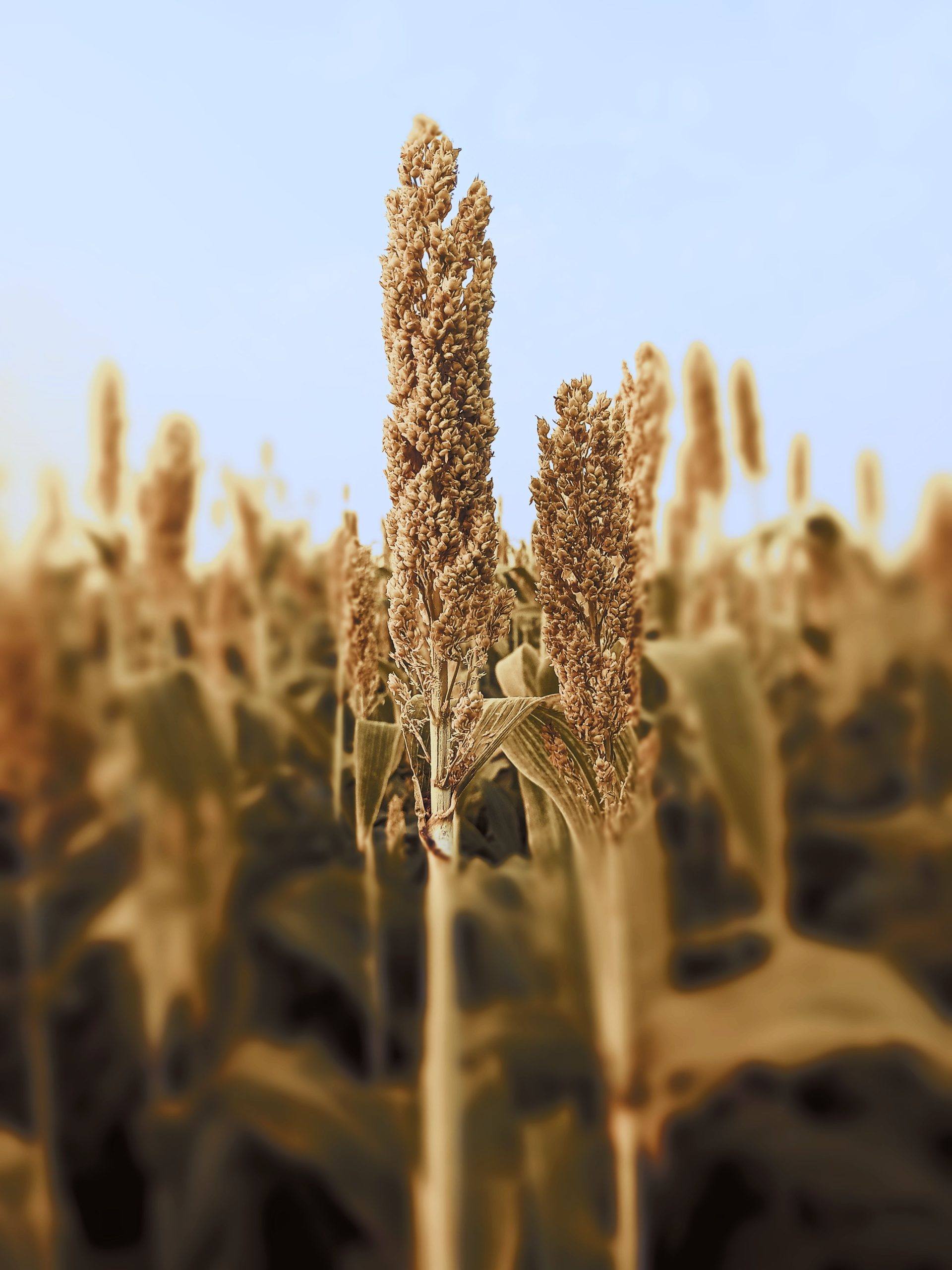
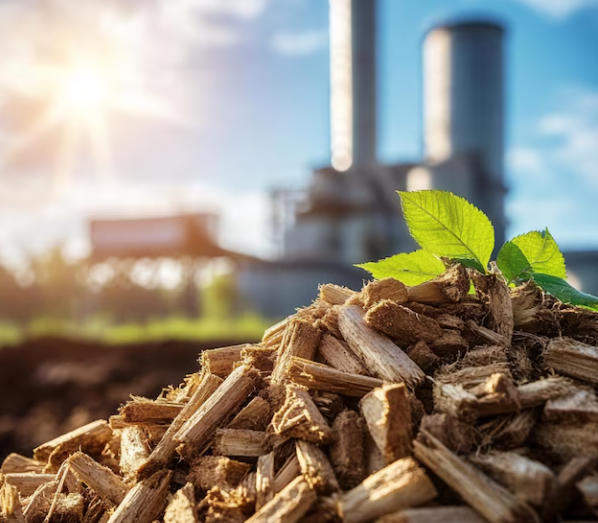
en.Wedoany.com Reported - Brazil now has 20 biomethane plants authorized by the National Agency of Petroleum, Natural Gas and Biofuels (ANP), with a combined daily installed capacity of 1.33 million cubic meters. The data comes from a survey by the Brazilian Biogas and Biomethane Association (Abiogás), which notes that investment has accelerated since the approval of the Future Fuels Law. Since the law was enacted, 12 new production units have been authorized, adding 714,200 cubic meters per day to the country's renewable fuel supply. The current production park consists of 11 plants utilizing municipal solid waste (MSW) from landfills and 9 units dedicated to agricultural, forestry, livestock, and commercial waste.
According to the association, expansion is accompanied by progress in state-level projects. The issuance of environmental licenses for biogas and biomethane projects in São Paulo state grew by 235% between 2024 and 2025, from 26 to 87, all granted by the São Paulo State Environmental Company (Cetesb). Abiogás Executive President Josiani Napolitano stated that the global energy debate has entered a new phase, where energy transition is beginning to integrate energy security, industrial competitiveness, and national sovereignty. In this context, biomethane has gained a strategic position due to its high equivalence to natural gas and its compatibility with existing infrastructure, enabling a more efficient, competitive, and predictable transition.
In addition to the Future Fuels Law, the sector has also benefited from the Natural Gas Decarbonization and Biomethane Incentive Program, as well as the regulation of the Biomethane Origin Guarantee Certificate (CGOB). This certificate allows the environmental attributes of the fuel to be traded independently of the physical gas molecules, creating a new monetization mechanism for producers and expanding biomethane traceability. Abiogás believes that the new regulatory framework brings greater predictability for investors and consumers, helping to consolidate a structured biofuel market in Brazil.
Currently, 50 projects are under review by the ANP, with a combined potential additional capacity of 2.04 million cubic meters per day. Of these, 24 target the utilization of agro-industrial waste, 20 utilize municipal solid waste from landfills, 5 employ co-digestion systems, and one has not yet reported its feedstock. The association estimates that by 2030, Brazil's daily biomethane production could reach approximately 7 million cubic meters, with around 200 plants operating nationwide, potentially attracting up to 348 billion reais in investments and creating about 798,000 jobs across the entire production chain.
This article is compiled by Wedoany. All AI citations must indicate the source as "Wedoany". If there is any infringement or other issues, please notify us promptly, and we will modify or delete it accordingly. Email: news@wedoany.com
Related Products

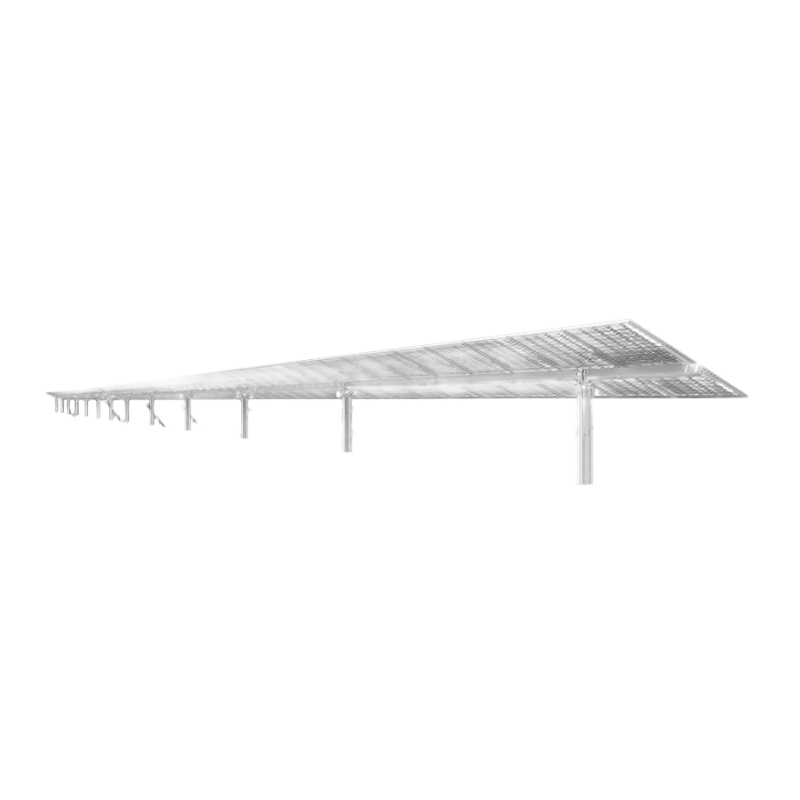
TAI Slew-drive Single-axis Independent 1P Tracking Bracket System
ANTAI TECHNOLOGY CO., LTD.
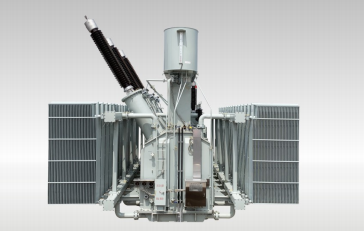
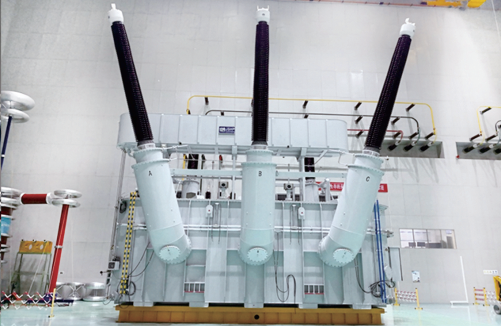
220kV and Below Voltage Level Energy-saving Oil-immersed Power Transformers
FuZhou TianYu Electric Co., Ltd.
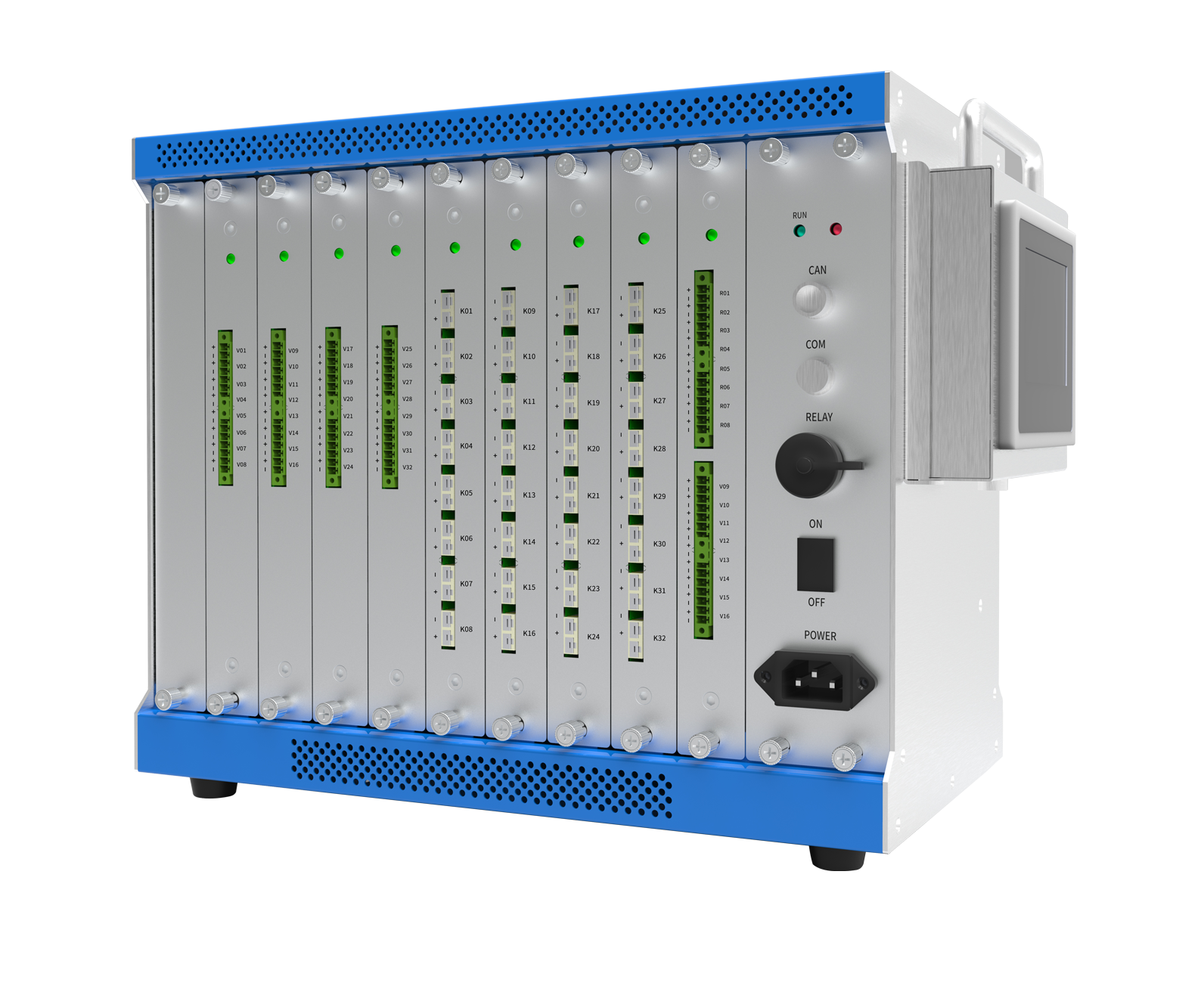
Optional Accessory - Auxiliary Sampling Module
Beijing Soaring Electric Technology Co., Ltd.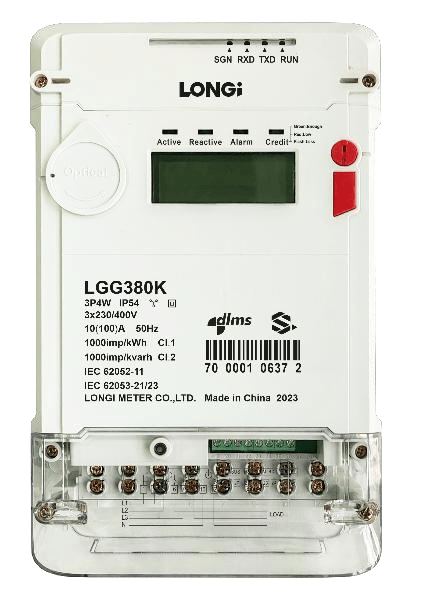
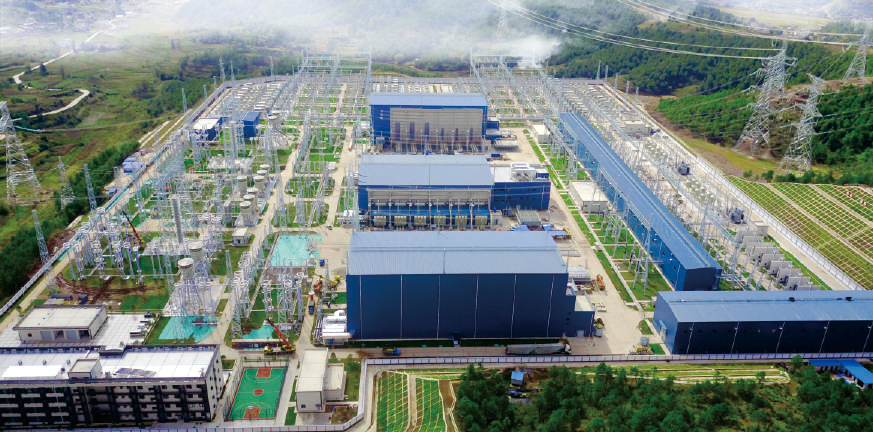
High-voltage Direct Current (HVDC) Transmission System Research and Integrated Design
XI'AN XD POWER SYSTEMS CO., LTD.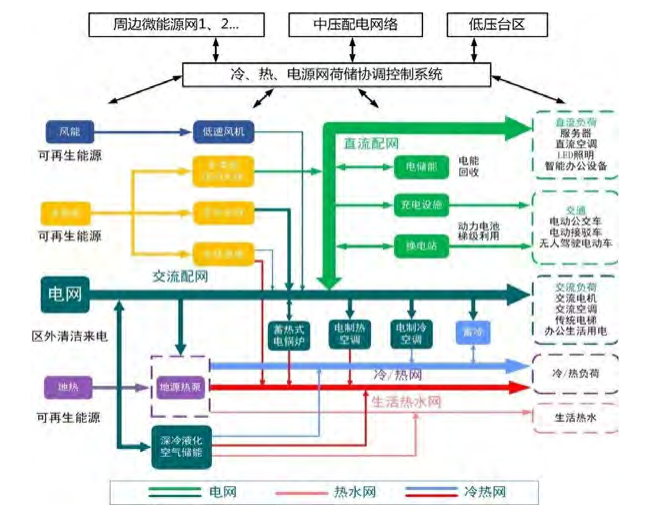
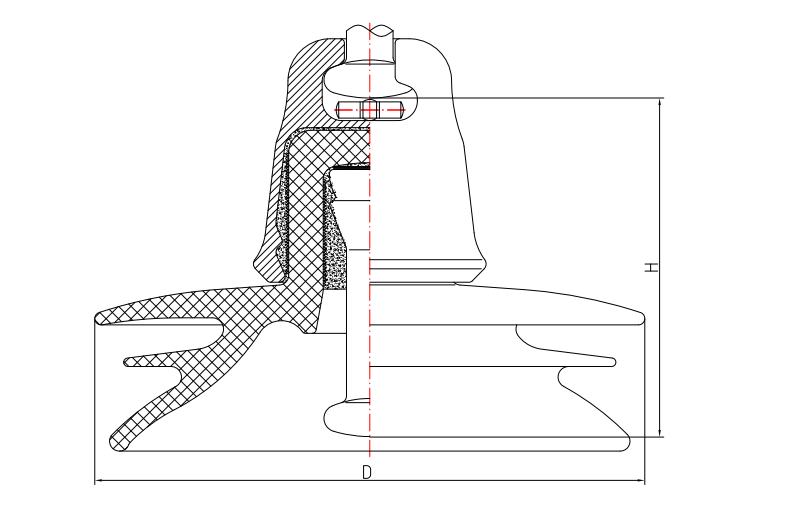
Post-type AC Pollution-resistant Disc Suspension Porcelain Insulator (Triple Umbrella Type)
Shandong High Voltage Insulator Co., Ltd.