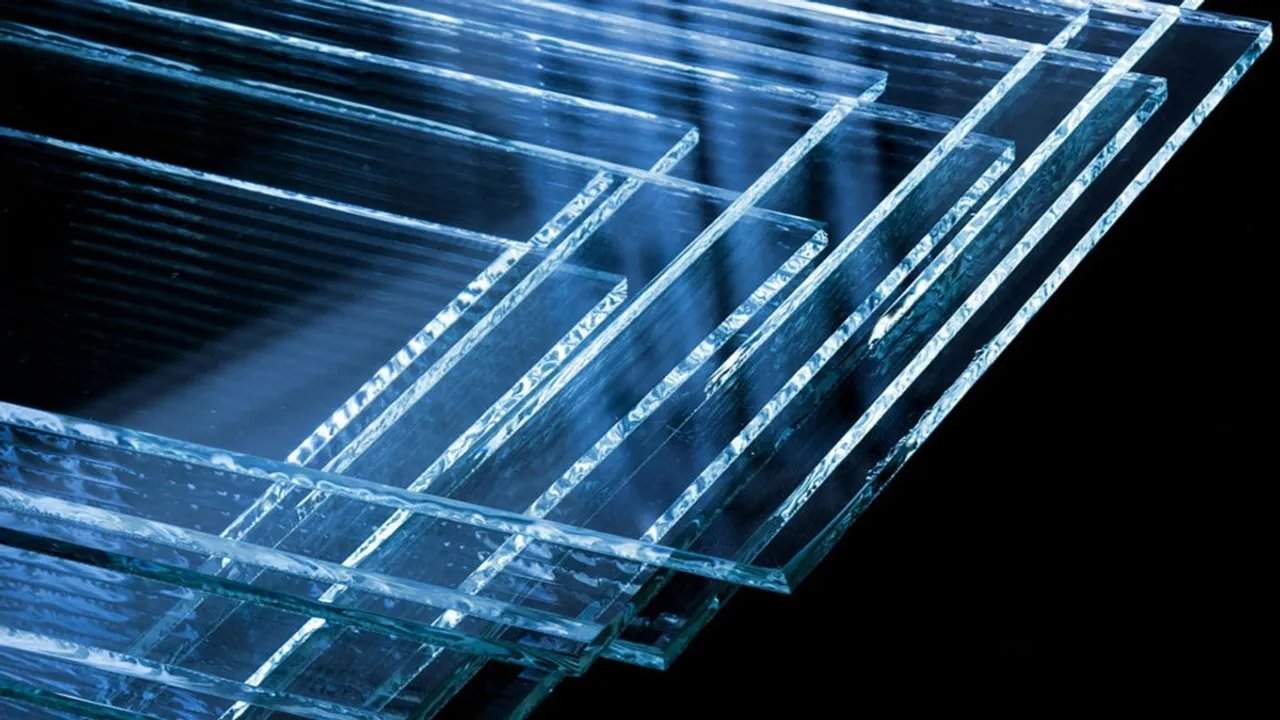
Japanese Research Team Develops Rare-Earth-Free Zinc Oxide Mechanoluminescent Material
en.Wedoany.com Reported - A research team from Tohoku University, in collaboration with the University of Tsukuba and Saga University, has developed a zinc oxide (ZnO) material that achieves high-intensity, high-sensitivity mechanoluminescence without using rare earth elements. Mechanoluminescent materials can directly convert mechanical energy such as stress, strain, and vibration into light without the need for batteries or wires, functioning as self-powered sensors with promising applications in biomedical sensors and infrastructure monitoring. However, high-performance mechanoluminescent materials have previously relied on expensive rare earth metals or complex compositions.
This new material uses zinc oxide, an abundant resource on Earth already widely used in sunscreens, cosmetics, and ointments, offering both high sensitivity and low cost.
By adding a small amount of sodium to zinc oxide and precisely controlling the material's structural defects, the researchers demonstrated for the first time that zinc oxide can achieve strong and highly sensitive mechanoluminescence without using rare earth elements.
The team analyzed the material's properties using advanced electron microscopy and computer modeling. Microscopy revealed characteristic crater-like structures on the particle surface, which effectively convert external forces into internal strain. Meanwhile, first-principles calculations performed using the supercomputer MASAMUNE-II, named after Date Masamune, the founder of Sendai, indicated that trace amounts of sodium create stable structural defects capable of temporarily storing electric charge.
The calculations also pointed out that zinc vacancies are responsible for the material's near-infrared light emission. These structural defects work synergistically, causing the material to emit bright light under pressures as low as a few kilopascals—equivalent to the pressure exerted by a light fingertip touch.
Since the emitted near-infrared light can penetrate biological tissues relatively well, the material can be used in medical sensors that require no internal power source, for example, activated from outside the body by weak vibrations such as ultrasound. The material can also be applied to monitoring infrastructure such as bridges, buildings, or wind turbine blades, rendering minor strains and early signs of wear as visible light, thereby facilitating remote monitoring systems that require no wiring or dedicated power sources.
This article is compiled by Wedoany. All AI citations must indicate the source as "Wedoany". If there is any infringement or other issues, please notify us promptly, and we will modify or delete it accordingly. Email: news@wedoany.com
Related Products
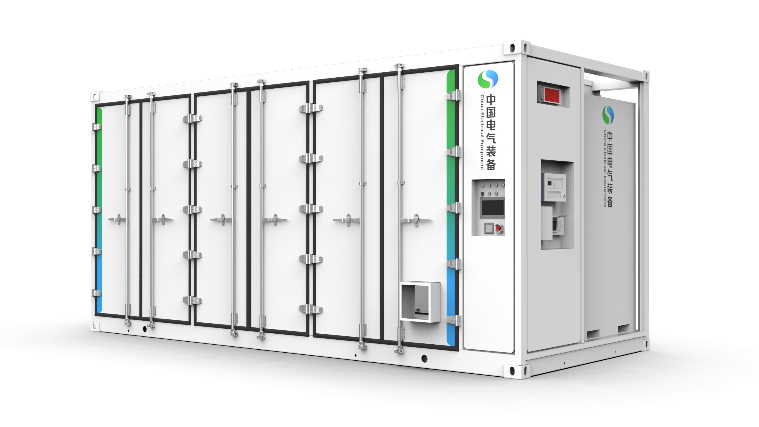

MESS8201-2507/5015-BN Prefabricated Liquid-cooled Energy Storage Battery Container
Xuchang Xuji Electric Science Energy Storage Technology Co., Ltd.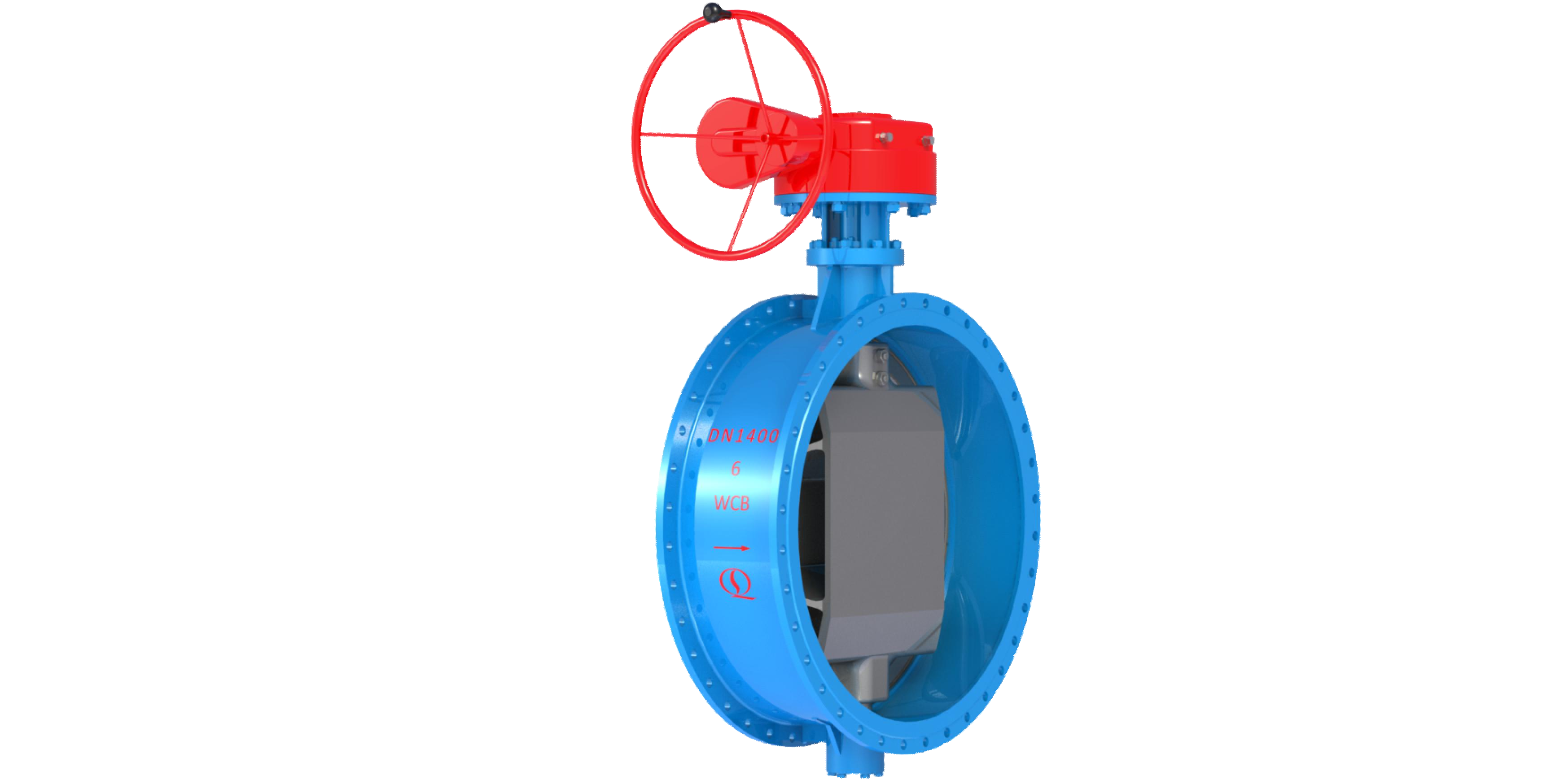
Bidirectional Metal Hard Sealed Seawater Butterfly Valve
Henan Quanshun Flow Control Science & Technology Co., Ltd.
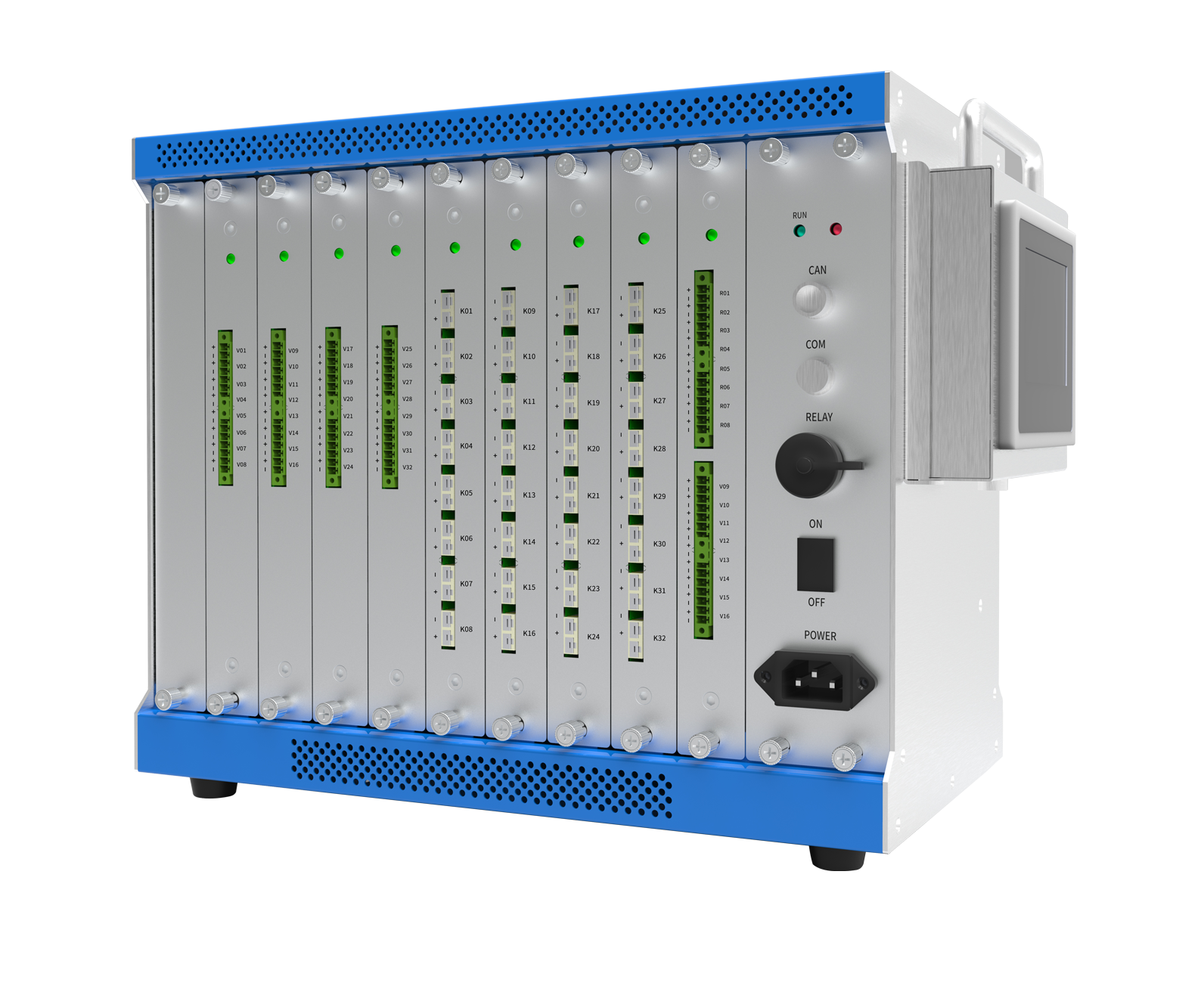
Optional Accessory - Auxiliary Sampling Module
Beijing Soaring Electric Technology Co., Ltd.
Forest and Grassland Heat Source Infrared Monitor
China Huayun Meteorological Technology Group Co., Ltd.
40.5kV-1100kV Gas Insulated Metal-Enclosed Switchgear (GIS)
Henan Pinggao Electric Co., Ltd.
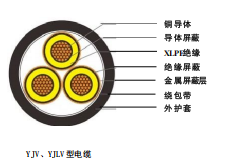
Rated Voltage 6-35kV Cross-linked Polyethylene Insulated Power Cable
TONGDING INTERCONNECTION INFORMATION CO., LTD.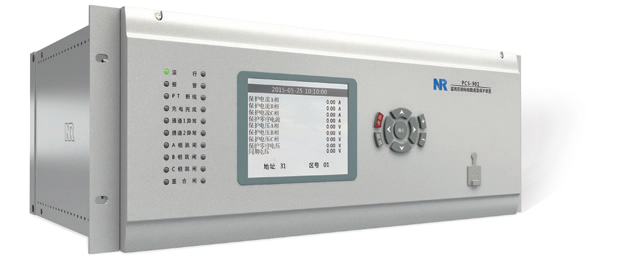
PCS-901 Series Ultra (Extra) High-voltage Transmission Line Complete Protection Device
Nanjing NR Electric Co., Ltd.