en.Wedoany.com Reported - Portuguese construction company Havelar has completed the construction of a 500-square-meter recycling center at the Perafita Ecological Center near Porto, Portugal, using COBOD's large-scale construction 3D printing technology. Commissioned by the Matosinhos City Council, the building was printed in just nine days and stayed within budget.
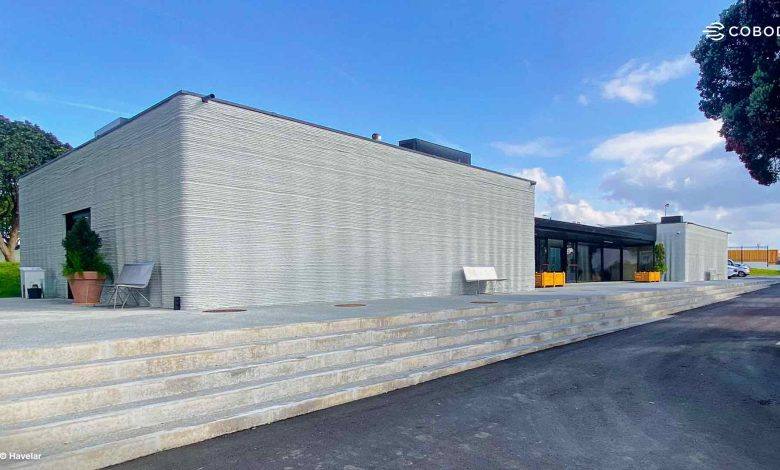
The building houses offices for recycling center staff, with walls featuring the characteristic layered texture of 3D-printed structures. The slightly curved walls are specifically designed to provide shade and enhance solar heat gain. The material used is a cement mixture blended with granular cork to improve thermal insulation.
One of the project's greatest achievements is that it was built within budget and required only four workers. COBOD's BOD2 printer is a gantry-type machine capable of printing structures up to three stories high. Its automated features reduce the number of workers needed on site, lowering labor costs while alleviating labor shortages in the country's construction industry. Staying within budget is particularly notable in Portugal, where public sector projects have historically faced cost overruns and budget inflation.
José Maria Ferreira, founder and CEO of Havelar, stated that the main advantage is time. From a construction perspective, it took one-third of the time, one-third of the materials, and one-third of the workforce. A team of just four people built such a building.
Various tasks can be carried out simultaneously, further shortening construction time. Bárbara Rangel, a researcher at the Faculty of Engineering of the University of Porto, explained that with 3D construction printing, different trades can work in parallel. Electricians, tilers, or carpenters do not need to wait for walls or floor slabs to dry.
Philip Lund-Nielsen, co-founder and Chief Commercial Officer of COBOD International, said that Havelar delivered a public building within budget with a team of four people and in a shorter time than traditional construction. For such projects, construction 3D printing is clearly the optimal choice.
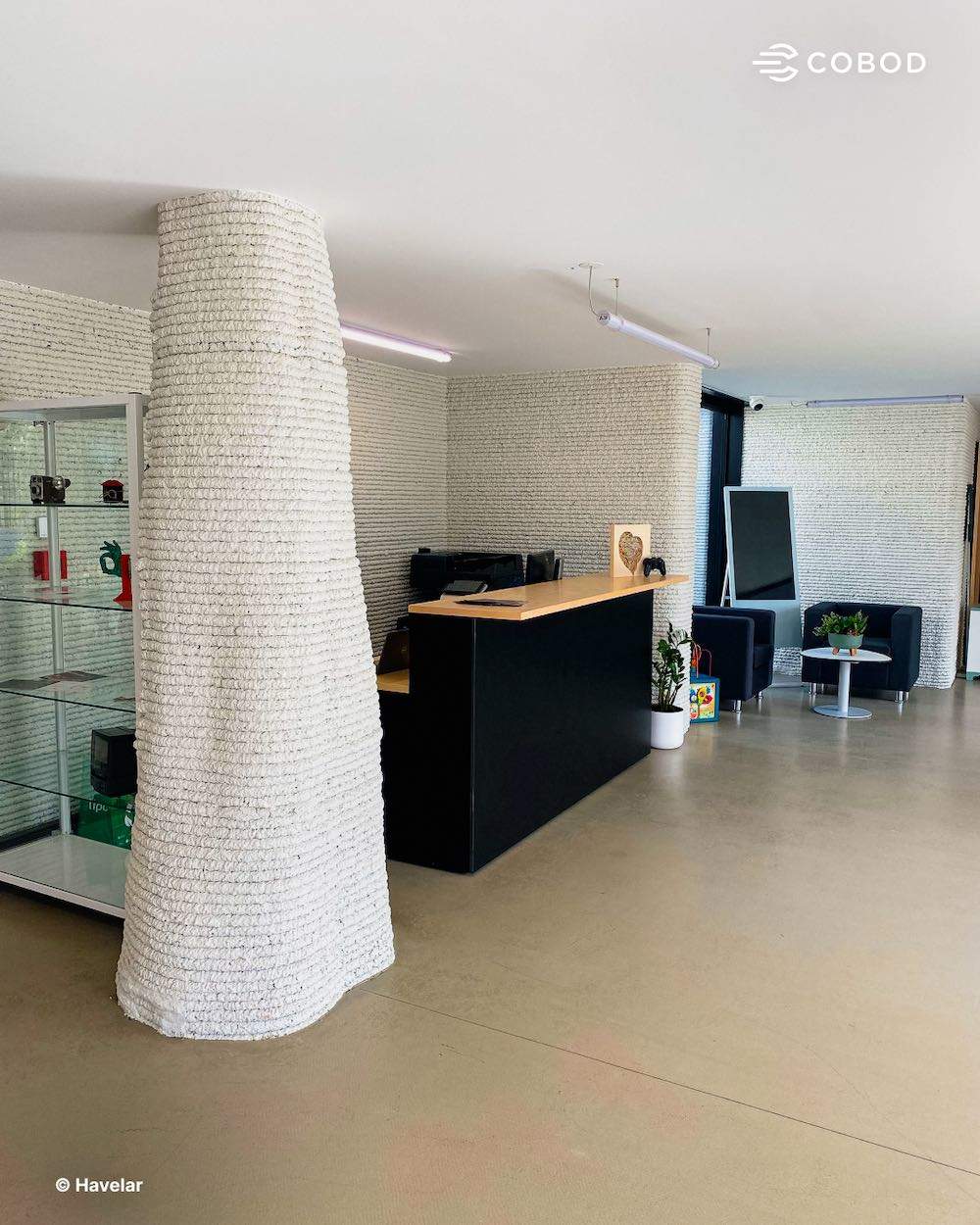
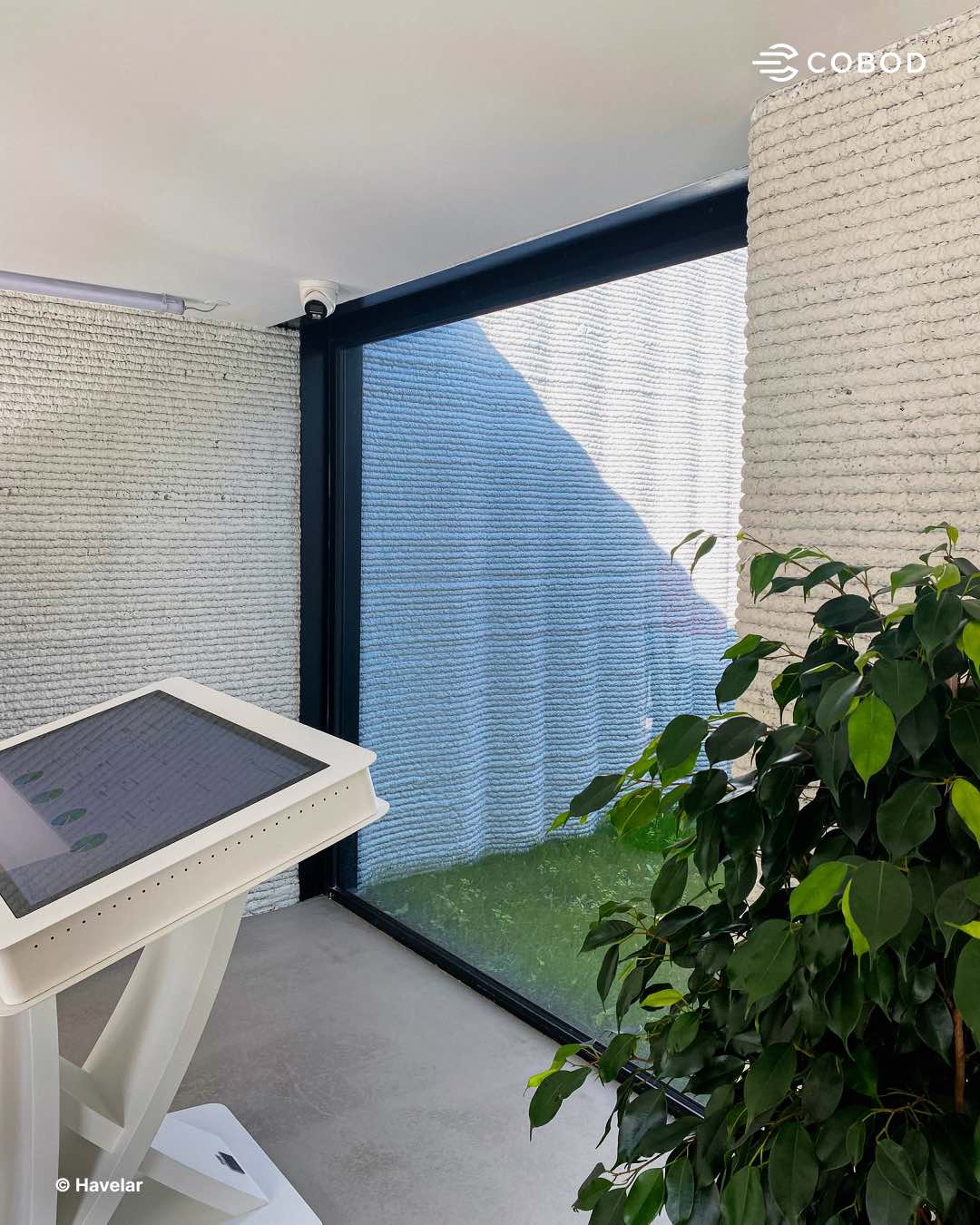
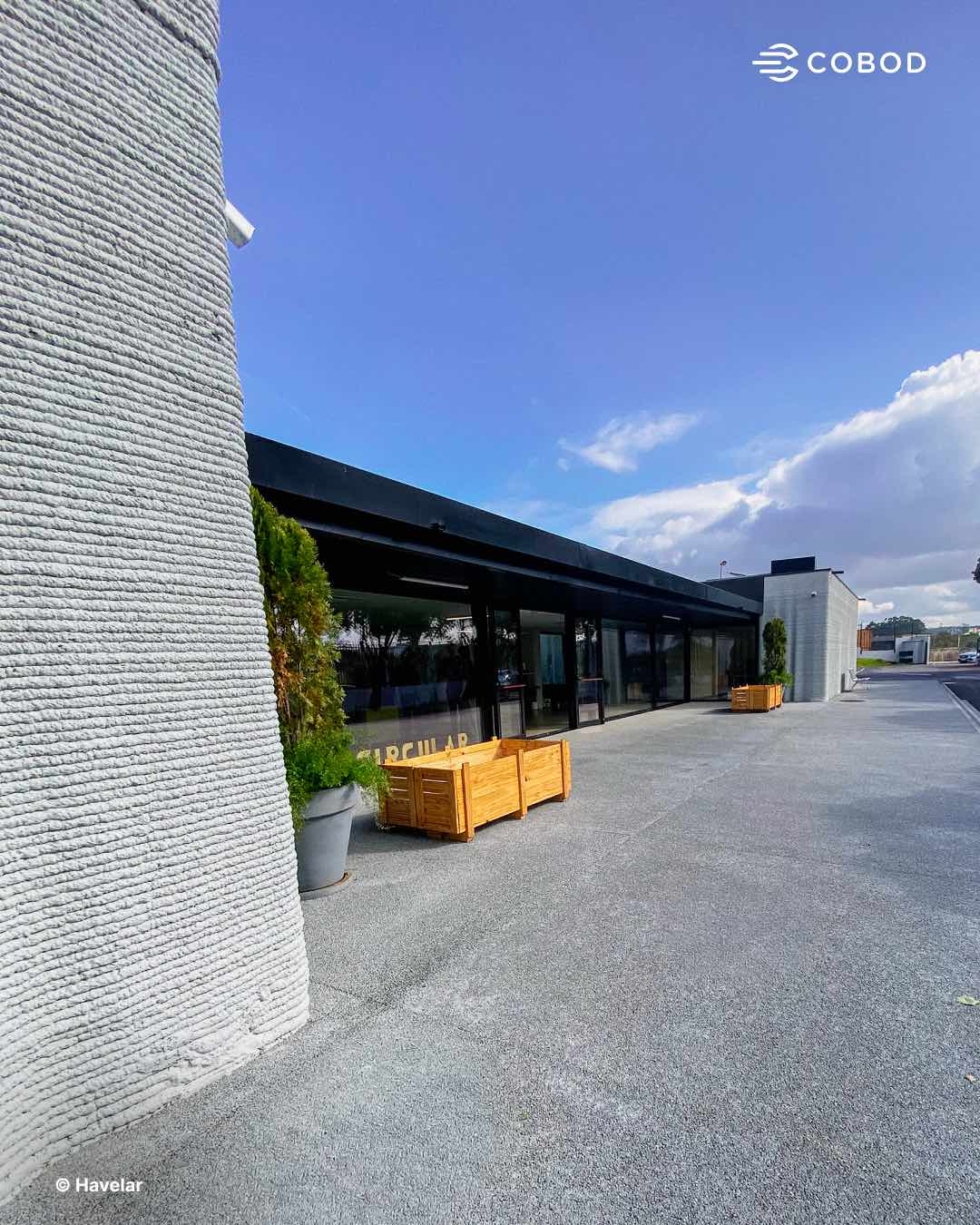
This 3D-printed recycling center office is part of Havelar's growing portfolio of 3D-printed projects, which also includes 32 housing units in Porto. The company plans to build over 50 residential units across Portugal in 2026. In 2024, the company completed Portugal's first 3D-printed house, a two-bedroom, 80-square-meter residence whose walls were printed in just 18 hours.
COBOD's construction 3D printing technology is one of the most widely used in Europe and has been adopted by several construction 3D printing specialists, including PERI. PERI recently completed a multi-family apartment building in Besançon, France. This social housing project, named ViliaSprint², covers 800 square meters and is the largest 3D-printed apartment building in Europe.
This article is compiled by Wedoany. All AI citations must indicate the source as "Wedoany". If there is any infringement or other issues, please notify us promptly, and we will modify or delete it accordingly. Email: news@wedoany.com