Planning Source Grid Load Storage Integration Requires Capacity Matching and Clear Operating Objectives
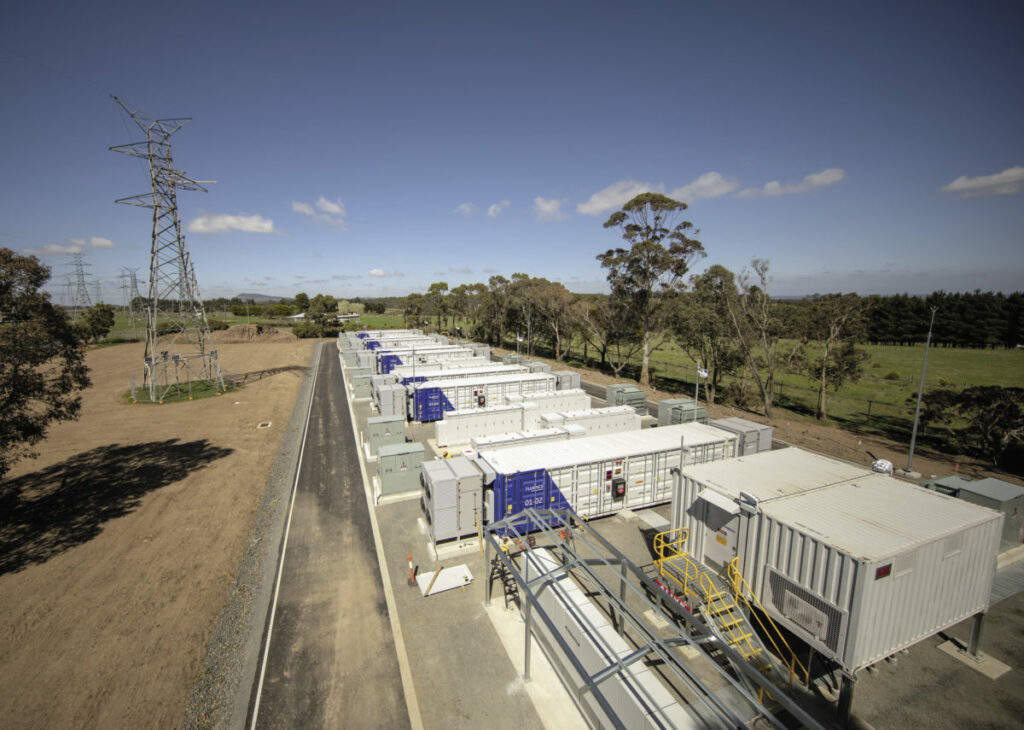
en.Wedoany.com Reported - A Source Grid Load Storage Integration project may include renewable generation, distribution networks, industrial loads, energy storage and an energy management platform. Because the system is complex and capital-intensive, projects that focus only on solar capacity or battery size without analyzing load characteristics and grid conditions may experience low utilization, unstable returns or ineffective control after commissioning.
The first planning step is to define the project objective. A project may prioritize electricity cost reduction, renewable energy utilization, backup power, carbon reduction or relief of limited distribution capacity. Different objectives lead to different configurations of generation, storage and control systems.
Projects focused on electricity cost reduction need to evaluate time-of-use tariffs, demand charges and load peaks. Storage can charge during low-price periods and discharge during high-price periods while reducing maximum demand. However, project economics may remain weak if tariff differences are small or battery cycling is limited.
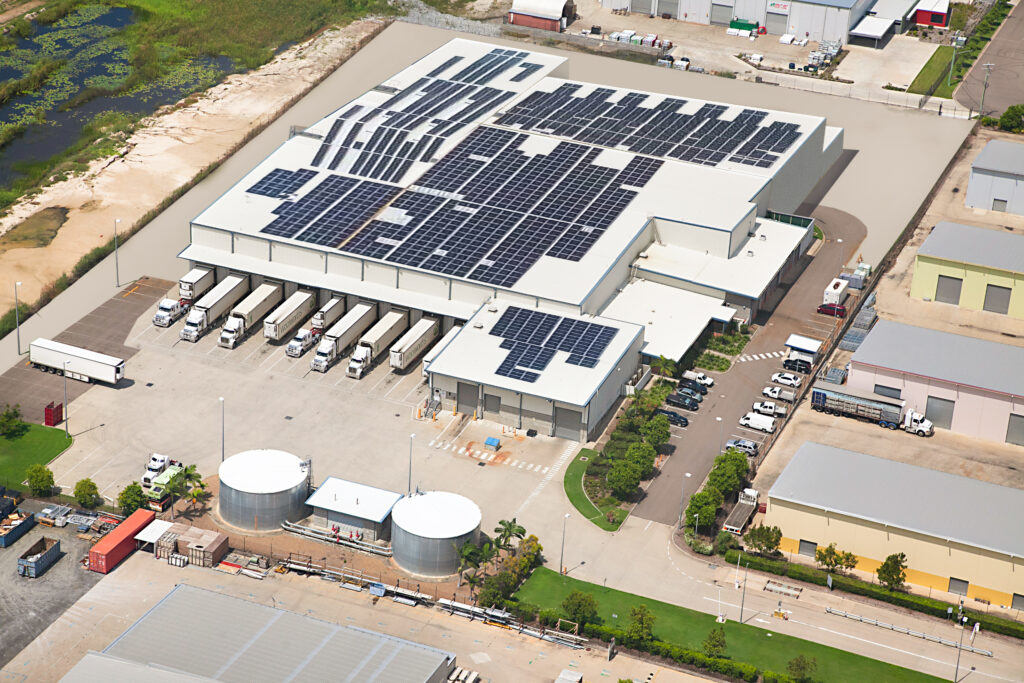
Projects focused on renewable self-consumption need to compare renewable generation and load curves. Factories with high daytime demand are generally better able to consume solar generation directly. Facilities with high night-time demand may require larger storage systems to shift daytime generation into evening or night use.
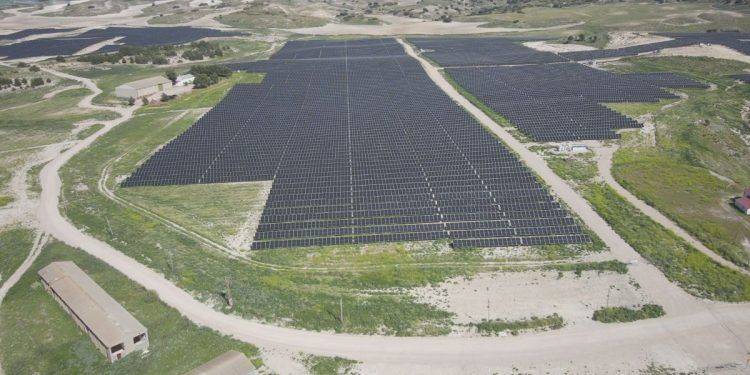
Renewable capacity should not be determined only by available roof or land area. If installed capacity is much larger than local demand and export capability, curtailment may occur. If it is too small, the project may not create meaningful energy or carbon benefits. Generation capacity should therefore consider annual output, instantaneous peaks and seasonal variation.
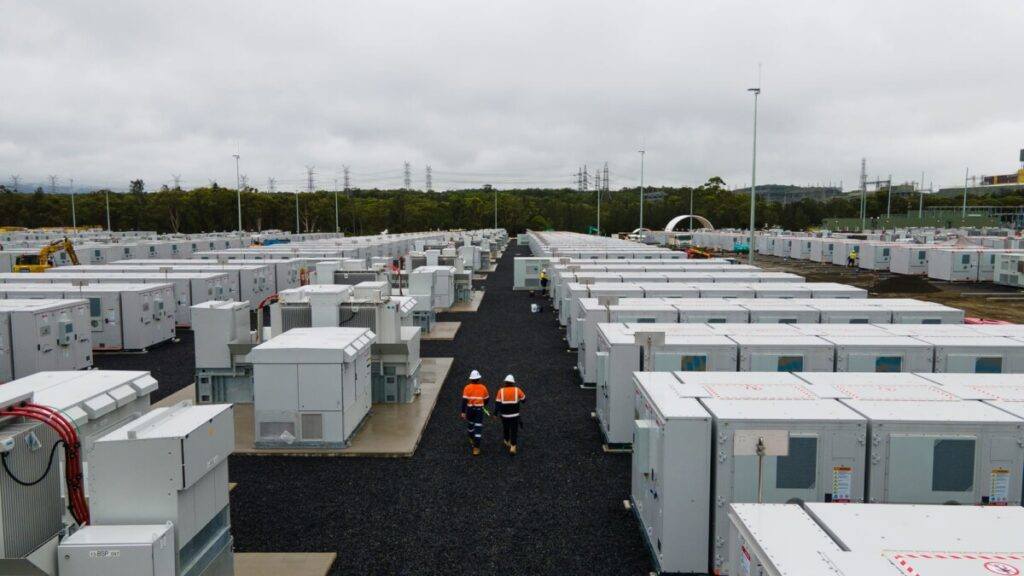
Storage sizing requires both power and energy calculations. Power determines the maximum adjustment the system can provide at one moment, while energy capacity determines how long that output can continue. Short peak shaving may require high power with limited energy, while long-duration renewable shifting requires larger energy capacity.
Load analysis should not rely only on monthly electricity bills. Projects need minute-level or hourly data to identify base load, peak load, recurring demand and flexible consumption. Industrial projects should also consider future expansion, shutdown periods, seasonal orders and changes in production shifts.
Grid conditions define another important boundary. Transformer capacity, feeder capability, short-circuit level, connection-point voltage and protection settings should be reviewed. Large-scale renewable and storage connections may change power flow direction and require adjustments to protection and metering systems.
Control strategy should be defined during design. The project needs clear rules for renewable priority, battery charging, peak shaving and backup reserve. If control logic is unclear, equipment may cycle unnecessarily, power commands may conflict and grid peak control may fail.
Economic evaluation should include battery degradation, equipment replacement, maintenance and possible tariff changes. Calculating payback only from current tariff differences may underestimate long-term risk. Different scenarios for electricity prices, load growth and equipment life should be modeled.
A practical project process includes diagnosis, design, simulation and verification. Developers should first analyze energy data and operating problems, then optimize system capacity and electrical design, simulate annual performance through digital models, and finally verify control strategies during trial operation.
The purpose of planning is not to maximize every type of equipment, but to create a balanced relationship among generation, loads, grids and storage. Stable value can only be achieved when capacity configuration, operating objectives and control strategies are consistent.
This article is compiled by Wedoany. All AI citations must indicate the source as "Wedoany". If there is any infringement or other issues, please notify us promptly, and we will modify or delete it accordingly. Email: news@wedoany.com
Related Products


CAP1400 main feedwater flow nozzle flowmeter.
Jiangsu Hongda Instrument Technology Co., LTD.


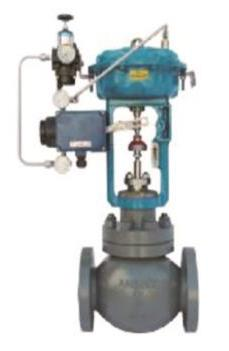
Quick-Change Single-Seat Control Valve / Quick-Change High-Pressure Single-Seat Control Valve
Beijing Consen Automation Technology Co., Ltd.

"Shunyi 1600" Deep-submerging Bottom-sitting Multi-functional Wind Power Engineering Vessel
Zhengli Offshore Engineering Co., Ltd.

Jiujiang Pinggang 125MW Subcritical Gas Power Generation Project
Capital Engineering & Research Incorporation Limited