Safety of High and Low Voltage Electrical Assemblies Depends on Short-Circuit, Temperature-Rise and Arc-Fault Control
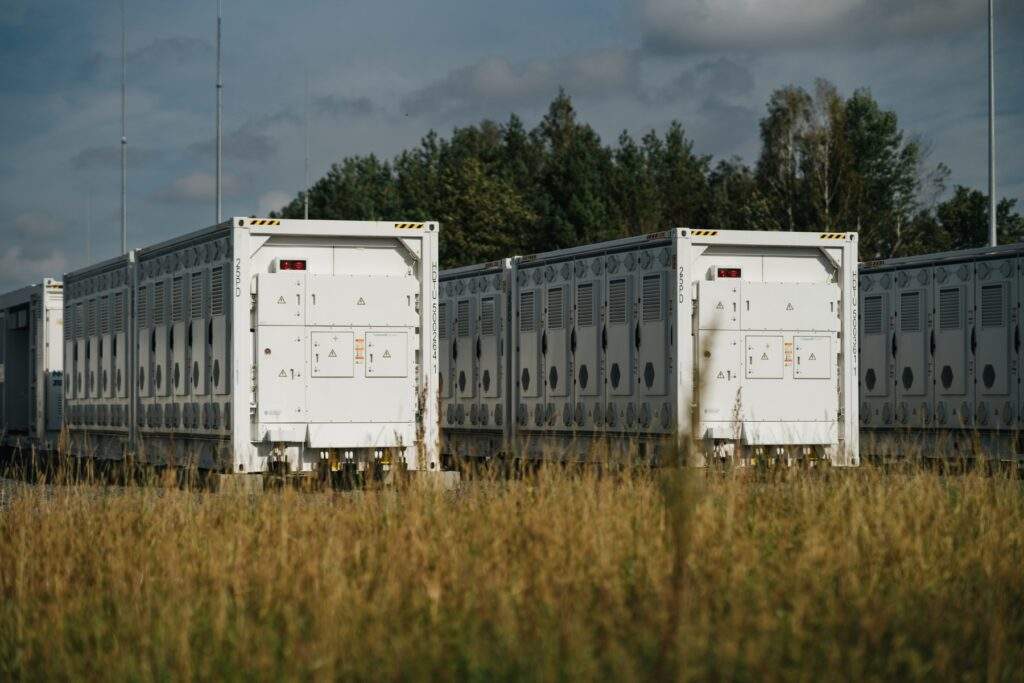
en.Wedoany.com Reported - High and Low Voltage Electrical Assemblies contain busbars, circuit breakers, isolating devices, control components and protection equipment within concentrated enclosures. An internal fault may produce high short-circuit current and arc energy. Safety therefore depends not only on individual components, but also on enclosure design, insulation, protection coordination and interlocking.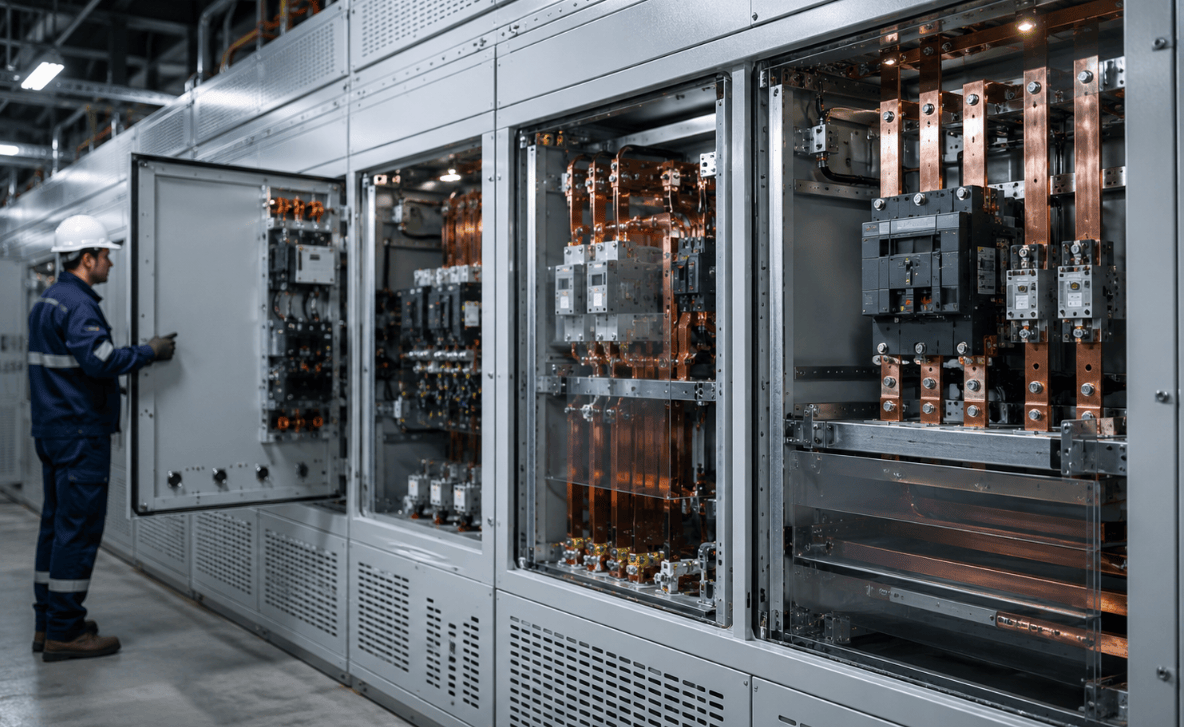
Short circuits may be caused by insulation aging, foreign objects, loose connections, incorrect operation, equipment defects or faults in connected circuits. During a fault, conductors are exposed to rapid temperature rise and strong mechanical forces. Insufficient busbar support or weak connections may lead to conductor movement, broken insulation and expansion of the fault.
The prospective short-circuit current should be used to determine busbar cross-section, support spacing, circuit-breaker interrupting capability and short-time withstand ratings. Equipment selected only according to normal load current may not provide sufficient safety margin during a fault.
Temperature rise is influenced by current, contact resistance, ventilation and internal arrangement. Loose bolted joints, poor busbar surface preparation and worn contacts can increase resistance and create local hot spots. High internal temperature may also affect relays, variable-frequency drives and communication modules.
Insulation distance is another basic safety requirement. Voltage level, pollution, humidity and altitude influence the required clearance and creepage distance. Dusty, humid, saline or corrosive environments may require stronger insulation and higher enclosure protection.
Internal arcing is one of the most serious faults that may occur inside an assembly. It can generate extreme heat, pressure, metal vapor and high-velocity gases, creating risks for equipment and nearby personnel. Risk reduction requires both prevention of arc initiation and limitation of its consequences.
Preventive measures include reliable insulation, correct busbar connections, mechanical and electrical interlocks, prevention of incorrect switching and strict control of foreign objects. Consequence-limiting measures may include compartment separation, pressure relief paths, arc detection, rapid protection operation and remote switching.
In high-voltage switchgear, circuit-breaker positions, isolation positions, earthing positions and doors should be coordinated through reliable interlocks. These arrangements help prevent access to energized compartments, operation of isolating devices under load and energization while the circuit is earthed.
Low-voltage assemblies may also require internal arc risk control. Depending on the risk assessment, critical projects can use optical arc detection, rapid tripping or active arc mitigation equipment to reduce fault duration.
Factory inspection and site testing are important for verifying safety performance. Main-circuit insulation, protection operation, interlocking, earthing continuity, control circuits and communication functions should be checked, and equipment labels and wiring should match the approved design documents.
Safety requirements should be selected according to equipment importance, personnel access and system fault level. Ordinary distribution, continuous-process facilities, publicly accessible installations and high short-circuit-capacity systems may require different configurations.
Overall, assembly safety requires coordinated control of short-circuit current, operating temperature, insulation risk and internal arc consequences. Design verification, manufacturing quality, protection settings and correct site operation must work together to reduce equipment damage and personnel risk.
This article is compiled by Wedoany. All AI citations must indicate the source as "Wedoany". If there is any infringement or other issues, please notify us promptly, and we will modify or delete it accordingly. Email: news@wedoany.com
Related Products
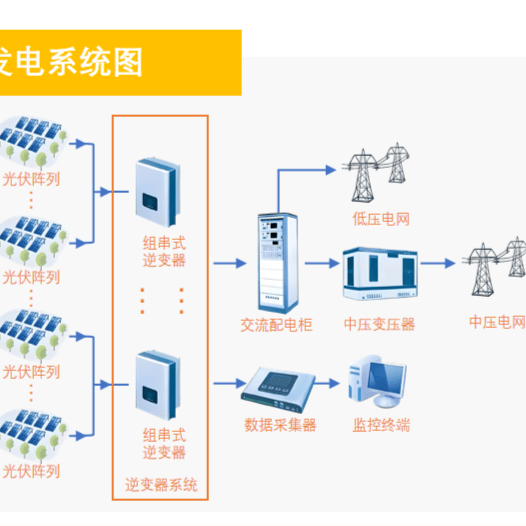

Photovoltaic and Wind Power Generation Technology
Beijing Boqi Electric Power SCI-TECH Co., Ltd.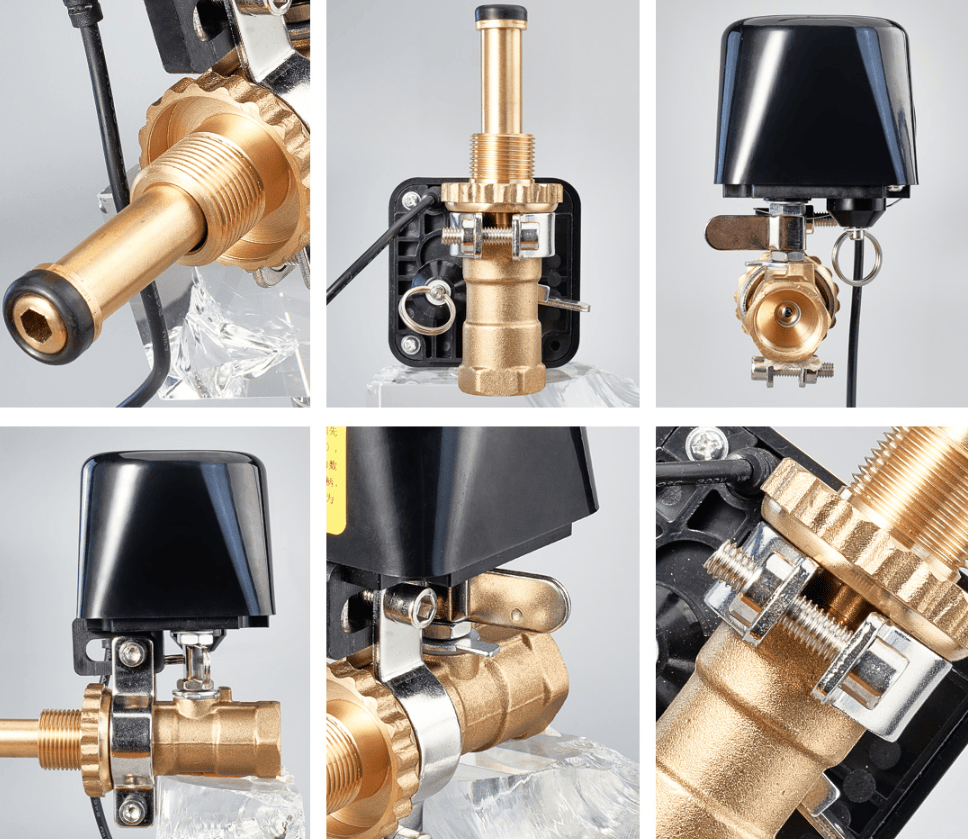
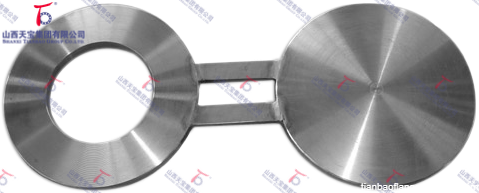
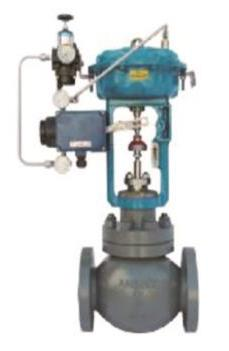
Quick-Change Single-Seat Control Valve / Quick-Change High-Pressure Single-Seat Control Valve
Beijing Consen Automation Technology Co., Ltd.
TAI Slew-drive Single-axis Independent 1P Tracking Bracket System
ANTAI TECHNOLOGY CO., LTD.
Prefabricated Houses and Electrical Energy Boxes
Chengdu Ruilong Machinery Manufacturing Co., Ltd.
Off-Grid Fuel Cell Supercharging Station (180kW Configuration)
Shanghai REFIRE Group Limited
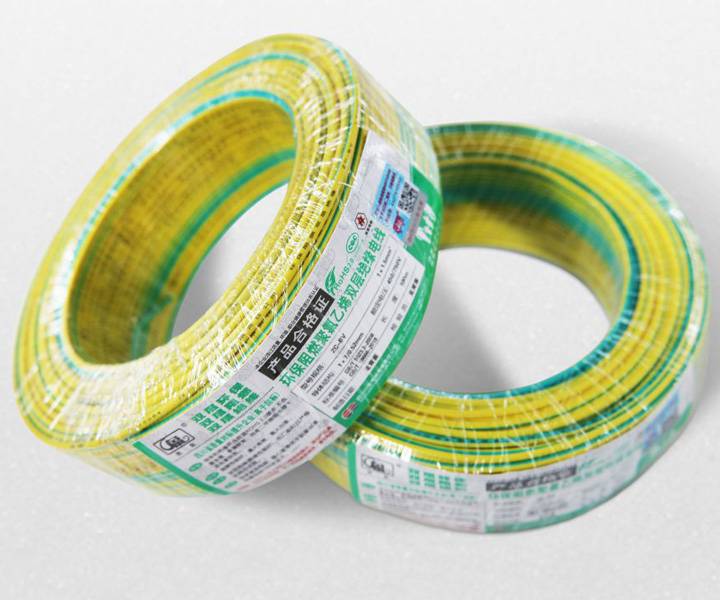
Environmentally Friendly Flame-retardant PVC Double-layer Insulated Wire
Sichuan Chndo Cable Co., Ltd.