Smart High and Low Voltage Electrical Assemblies Are Digitalizing Power Distribution Maintenance
en.Wedoany.com Reported - With the development of industrial internet systems, smart grids and digital factories, High and Low Voltage Electrical Assemblies are evolving from conventional distribution equipment into intelligent nodes with measurement, communication, diagnostic and remote management capabilities. They can distribute power and protect circuits while continuously providing current, voltage, power, temperature, power quality and equipment condition data.
Traditional distribution maintenance relies mainly on periodic inspection, manual meter reading and repair after failure. Because electrical panels are numerous and circuits are widely distributed, early-stage problems such as overheating connections, mechanical wear and insulation degradation may be difficult to identify.
Smart assemblies can use temperature sensors at busbar joints, cable connections, circuit-breaker contacts and other critical internal locations. Long-term temperature trends can reveal increasing contact resistance, loose connections and abnormal loading.
Circuit-breaker condition monitoring is another important function. The system can record operating cycles, fault trips, stored-energy mechanism condition, operating time and contact wear information, helping maintenance teams decide when inspection or replacement is required.
In medium- and high-voltage equipment, partial discharge monitoring may support insulation condition assessment. Abnormal partial discharge may be associated with insulation defects, contamination, connection problems or aging. The result should be evaluated together with equipment design, environmental noise and historical trends rather than from a single reading.
Low-voltage systems place greater emphasis on power quality and circuit-level energy monitoring. Intelligent meters can record voltage deviation, phase imbalance, harmonics, power factor and load curves, providing a basis for reactive power compensation, harmonic control and energy optimization.
Smart assemblies are normally connected through industrial communication networks to energy management systems, SCADA, asset management platforms or building management systems. Operators can review equipment condition, alarms and energy data from a control center and perform selected remote operations.
Remote operation must be supported by reliable interlocking and access management. The system should separate viewing, control, parameter modification and maintenance permissions, while recording all operations. Circuit-breaker switching and operating-mode changes should also require appropriate safety confirmation.
The value of digital maintenance is not merely reducing manual inspection. It is converting equipment condition into maintenance decisions. Temperature trends, breaker operating cycles, load changes and fault records can be used to assess equipment health and generate maintenance reminders.
However, digitalization does not replace basic maintenance. Internal cleaning, busbar tightening, mechanism lubrication, insulation testing and protection tests must still be completed according to schedule. Sensors and communication devices also require verification and maintenance.
Cybersecurity must also be considered. When assemblies are connected to communication networks, identity authentication, access control, network segmentation, data backup and abnormal communication monitoring are required to prevent unauthorized actions.
Enterprises can begin smart distribution upgrades with critical substations, continuous-process loads, high-consequence circuits and locations that are difficult to inspect manually. After verifying data quality and maintenance benefits, the system can be expanded gradually.
The value of smart high and low voltage electrical assemblies is not simply the addition of displays and communication modules. It is greater visibility into equipment condition. Digitalization can improve reliability and maintenance efficiency only when monitoring data, protection systems and maintenance procedures form a closed loop.
This article is compiled by Wedoany. All AI citations must indicate the source as "Wedoany". If there is any infringement or other issues, please notify us promptly, and we will modify or delete it accordingly. Email: news@wedoany.com
Related Products

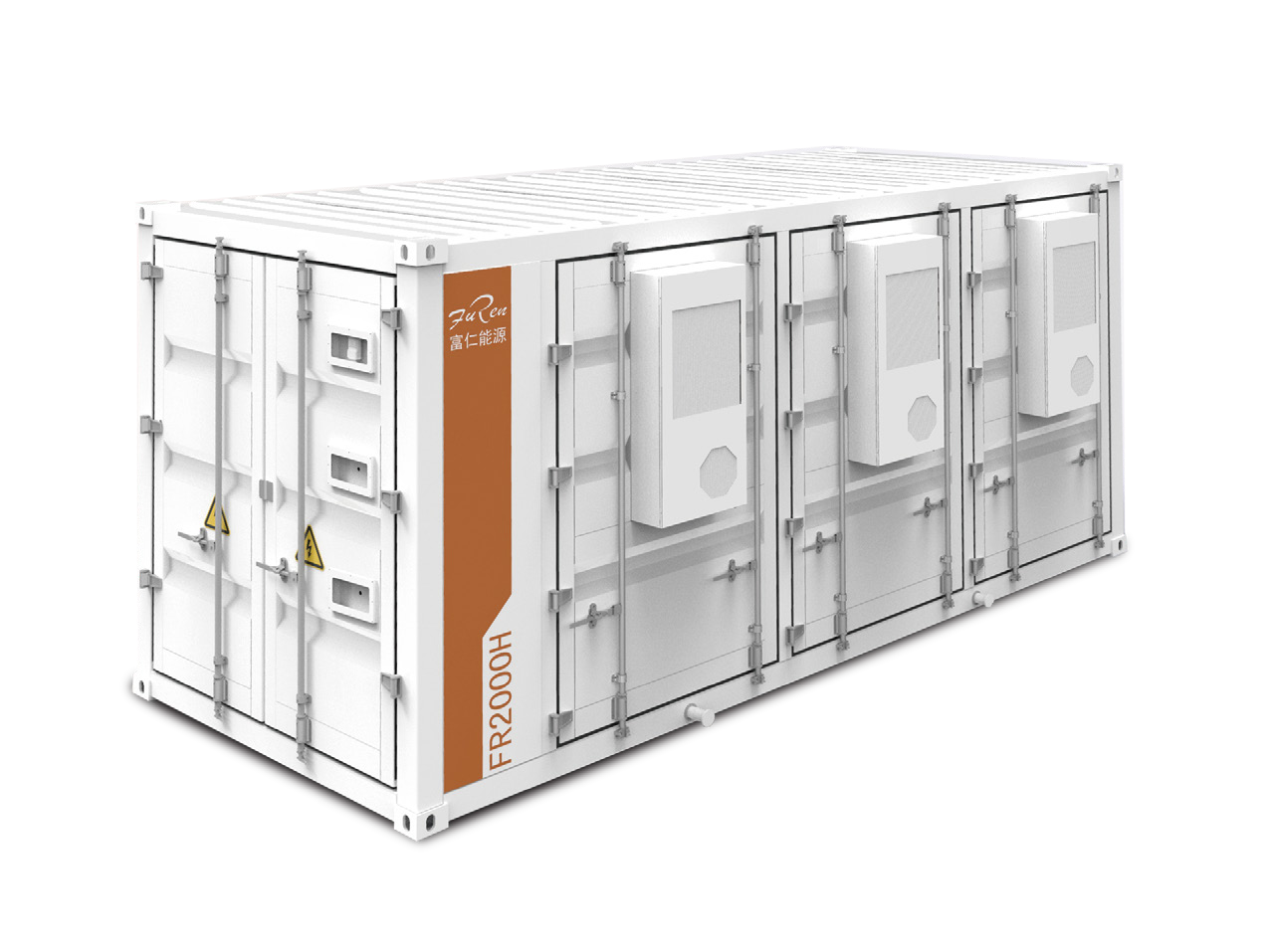
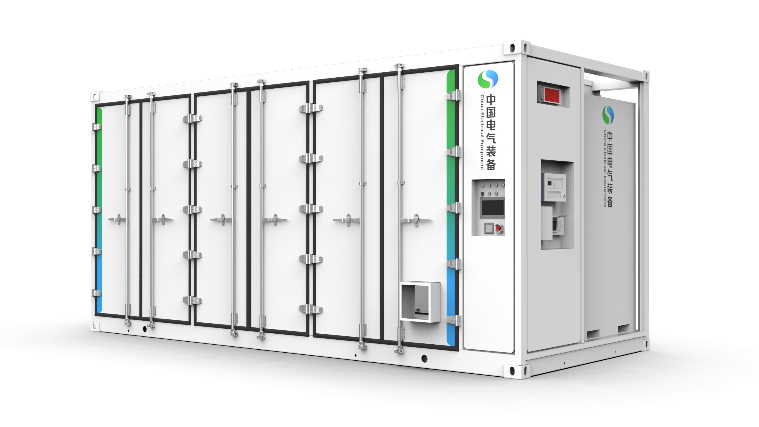
FR2000H 2.15MWh (Air-cooled) 20-foot Containerized Energy Storage System
Jiangyin Furen High-tech Co., Ltd.
MESS8201-2507/5015-BN Prefabricated Liquid-cooled Energy Storage Battery Container
Xuchang Xuji Electric Science Energy Storage Technology Co., Ltd.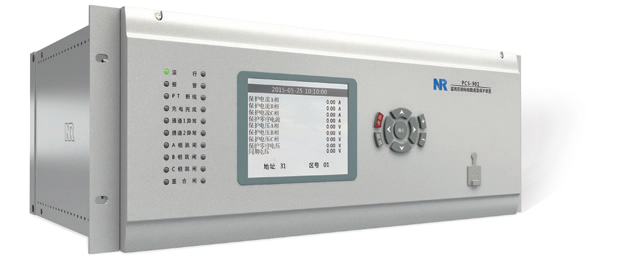
PCS-901 Series Ultra (Extra) High-voltage Transmission Line Complete Protection Device
Nanjing NR Electric Co., Ltd.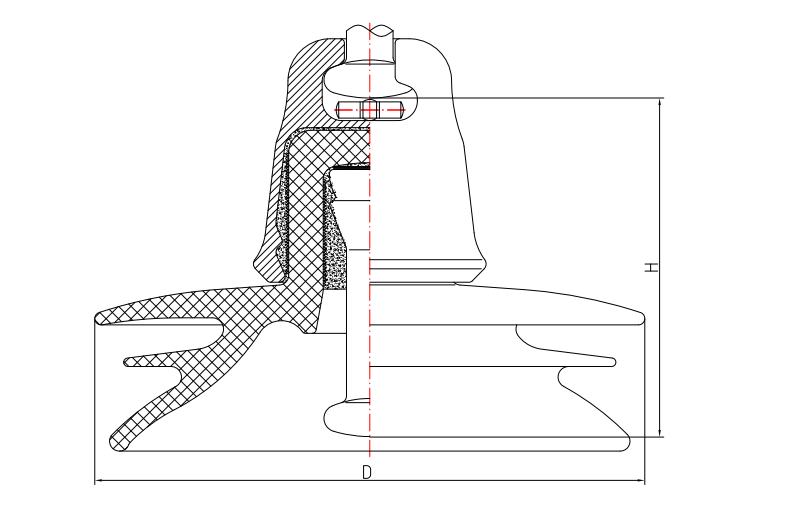
Post-type AC Pollution-resistant Disc Suspension Porcelain Insulator (Triple Umbrella Type)
Shandong High Voltage Insulator Co., Ltd.
Forest and Grassland Heat Source Infrared Monitor
China Huayun Meteorological Technology Group Co., Ltd.