Southeast Europe Evening Electricity Prices Exceed EUR 500/MWh
en.Wedoany.com Reported - On August 4, the day-ahead electricity market in Southeast Europe saw an evening price spike. Slovenia's electricity price rose to EUR 507.60/MWh for the trading period corresponding to 20:00 local time, Serbia reached EUR 496.80/MWh, Croatia and Romania climbed to EUR 478.80 and EUR 433.90 respectively, and Hungary peaked at EUR 418.90. The level above EUR 500 was a peak for a single trading period, while the regional average daily baseload price remained within the range of EUR 175–195/MWh.
On the same day, Hungary's day-ahead market average daily baseload price rose to EUR 186.90/MWh, while Romania, Croatia, and Slovenia recorded EUR 188.24, EUR 191.92, and EUR 194.61 respectively. Affected by concentrated midday solar output, Hungary's electricity price fell to EUR 76.50/MWh at 14:00; after solar output declined, the price rose to EUR 418.90 at 20:00, resulting in an intraday price spread of EUR 342.40.
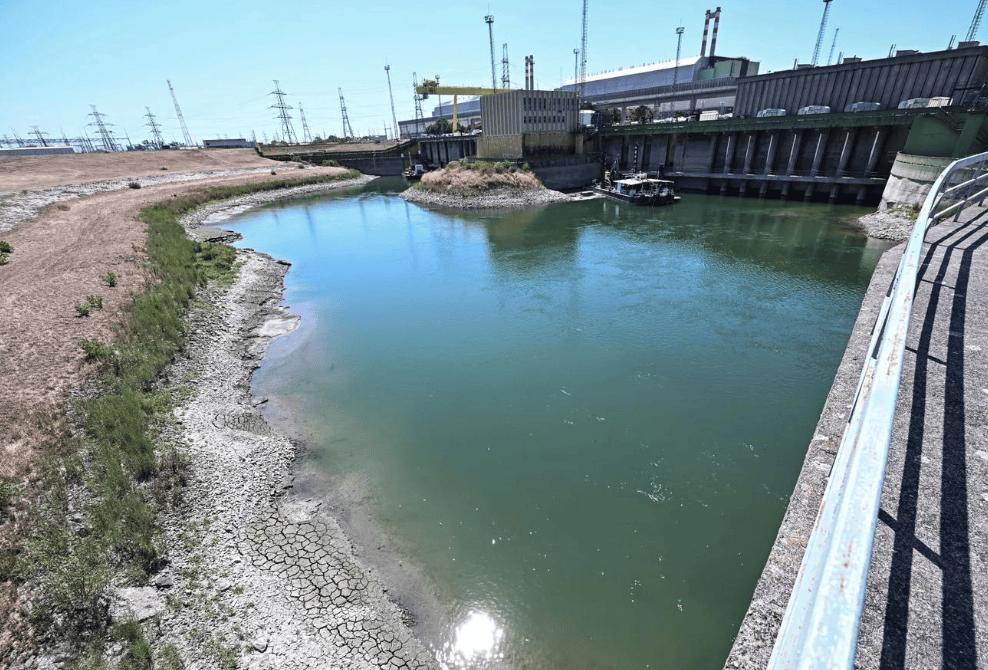
Prolonged high temperatures and drought have reduced the output of regional nuclear, hydro, and other dispatchable power sources. Hungary's Paks Nuclear Power Plant relies on Danube River water for cooling. With river levels falling to historic lows, three of its four turbine-generator units were shut down, leaving only one 240 MW unit in operation, bringing the plant's output down to approximately 10% of installed capacity. The plant has an installed capacity of about 2 GW and normally supplies nearly half of Hungary's electricity.
At Romania's Cernavodă Nuclear Power Plant, one of its two units has already been shut down. The government has taken measures such as clearing river obstructions and building temporary diversion structures to supplement cooling water for the remaining unit. Regional hydro regulation capacity has declined in tandem, and wind output has also remained at low levels; high temperatures have driven up cooling demand, while solar power exits the grid en masse after sunset, further widening the evening supply-demand gap.
On August 4, the average electricity demand in the Southeast European region was approximately 34,191 MW, up 4.4% from the previous day. Hungary imported an average of 2,269 MW of electricity, equivalent to about 45% of domestic demand; Croatia imported 1,197 MW, and Romania recorded an average net import of 437 MW. Austria, Slovakia, Bulgaria, and Greece served as the region's main power supply sources, but existing cross-border transmission capacity was insufficient to fully eliminate evening market price spreads.
As of August 6, the Danube River level had recovered approximately 9 cm from Sunday's low, and the last unit at the Paks Nuclear Power Plant continued to operate. Restarting the shut-down units still requires a steady recovery in river levels, and Hungary continues to call on residential and industrial users to voluntarily reduce load during peak consumption periods.
Related Products


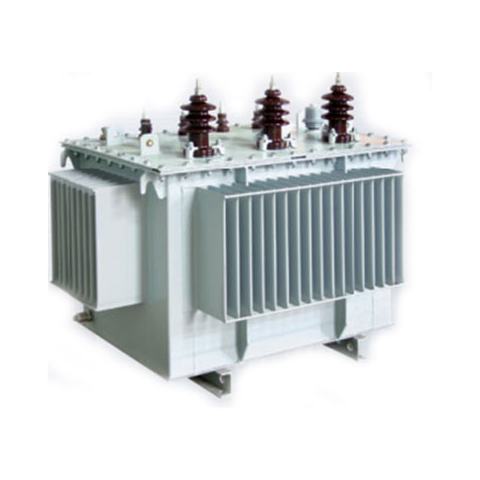
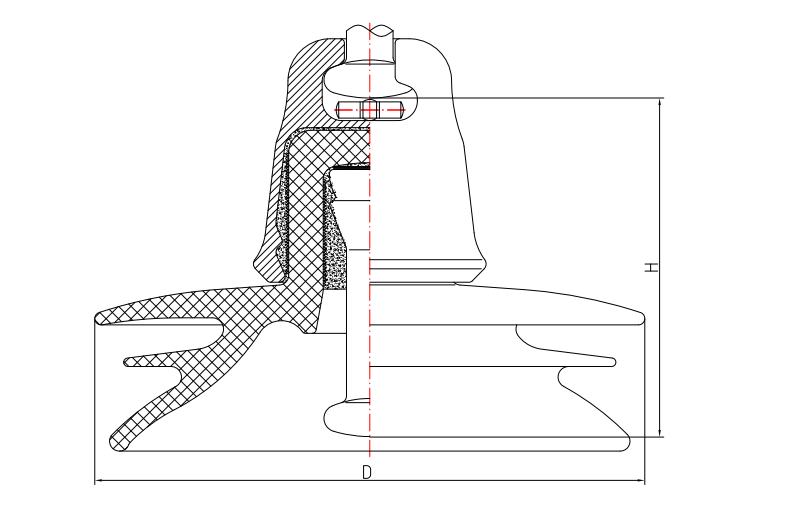
Post-type AC Pollution-resistant Disc Suspension Porcelain Insulator (Triple Umbrella Type)
Shandong High Voltage Insulator Co., Ltd.

Forest and Grassland Heat Source Infrared Monitor
China Huayun Meteorological Technology Group Co., Ltd.

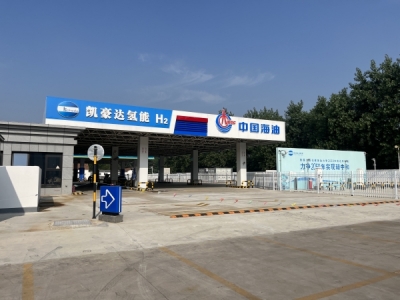
Hydrogen production and hydrogenation charging refueling gas integrated energy station
Shenzhen Kohodo Hydrogen Energy Co., Ltd.
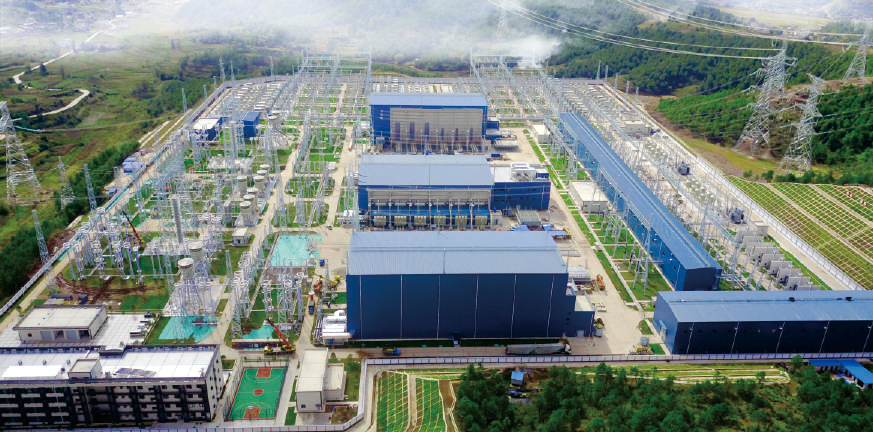
High-voltage Direct Current (HVDC) Transmission System Research and Integrated Design
XI'AN XD POWER SYSTEMS CO., LTD.