How High and Low Voltage Electrical Assemblies Form the Core of Industrial Power Distribution
en.Wedoany.com Reported - High and Low Voltage Electrical Assemblies are essential systems for receiving, distributing, controlling, protecting and monitoring electrical power. They are widely used in power plants, substations, industrial parks, petrochemical facilities, mines, data centers, rail systems, commercial buildings and renewable energy projects.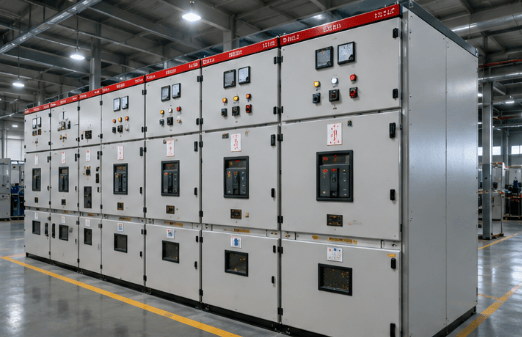
A complete high- and low-voltage distribution system may include high-voltage switchgear, low-voltage distribution boards, control cabinets, reactive power compensation panels, busbar systems, circuit breakers, disconnectors, contactors, protection relays, measuring instruments and automation devices. These components work together to deliver electricity from the upstream grid to end-use loads.
High-voltage assemblies are mainly used for incoming power, feeder distribution, transformer control and fault isolation. When a short circuit, overload, earth fault or other abnormal condition occurs, high-voltage circuit breakers and protection devices must disconnect the affected section rapidly and prevent the fault from spreading.
Low-voltage assemblies are installed between the transformer secondary side and final electrical loads. They distribute power to motors, production lines, lighting systems, air-conditioning equipment, pumping stations, charging facilities and other electrical users. A low-voltage panel normally contains circuit breakers, contactors, fuses, busbars, measuring devices and control circuits.
Assembly design should not be based only on rated voltage and rated current. System short-circuit capacity, load characteristics, operating mode, standby requirements, ambient temperature, altitude, humidity, dust, corrosive gases and installation space should also be considered.
Short-circuit withstand capability is a critical selection parameter. During a short circuit, busbars, connections and switching devices are exposed to high thermal stress and electrodynamic forces. If the assembly rating is lower than the prospective fault current, busbar deformation, connection damage and insulation failure may occur.
Temperature-rise control also affects long-term reliability. Poor busbar connections, insufficient conductor area, inadequate ventilation or overcrowded internal layouts can create local overheating. Continuous high temperature accelerates the aging of insulation, seals and electronic components.
Protection coordination is required between high- and low-voltage levels. The operating current, time delay and protection curves of upstream and downstream breakers should be coordinated so that a fault is disconnected by the device closest to the affected circuit whenever possible.
The structural configuration should match operating requirements. Fixed assemblies have relatively simple structures and are suitable for systems with limited circuit changes. Withdrawable assemblies allow functional units to be inspected or replaced more quickly and are useful in industrial facilities requiring high power supply continuity.
When purchasing electrical assemblies, enterprises should provide the single-line diagram, load schedule, prospective short-circuit current, cable entry and exit requirements, control functions, communication interfaces and site conditions. Complete technical information allows the supplier to configure busbars, circuit breakers, protection devices and enclosures correctly.
Overall, high and low voltage electrical assemblies are not merely collections of switching components. They form the core of an industrial power distribution system. Safe and continuous operation depends on matching electrical ratings, structural design, protection logic and actual site conditions.
This article is compiled by Wedoany. All AI citations must indicate the source as "Wedoany". If there is any infringement or other issues, please notify us promptly, and we will modify or delete it accordingly. Email: news@wedoany.com
Related Products

Forest and Grassland Heat Source Infrared Monitor
China Huayun Meteorological Technology Group Co., Ltd.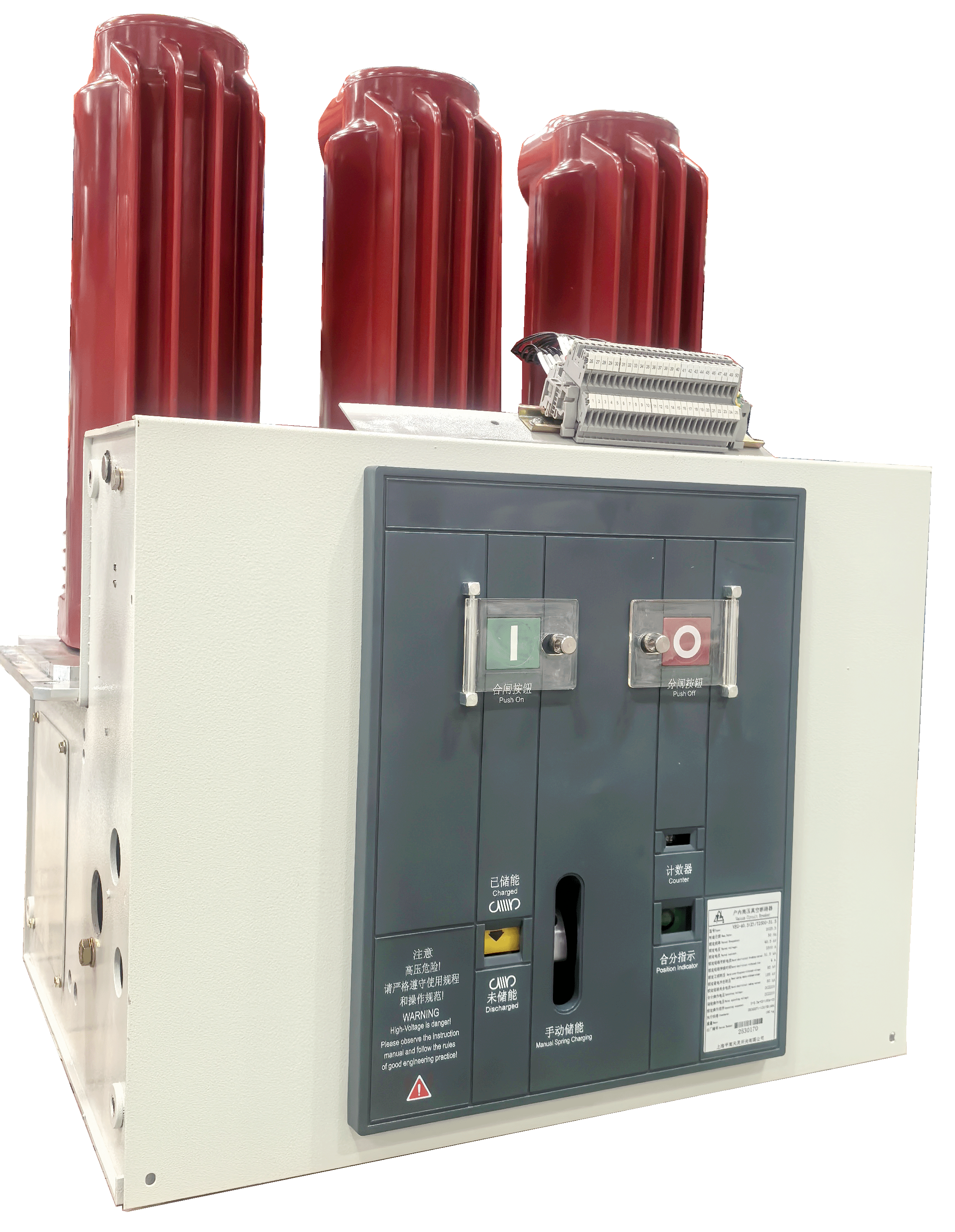
VEG-12/24/40.5 Series Vacuum Circuit Breaker
SHANGHAI PINGGAO TIANLING SWITCHGEAR CO., LTD.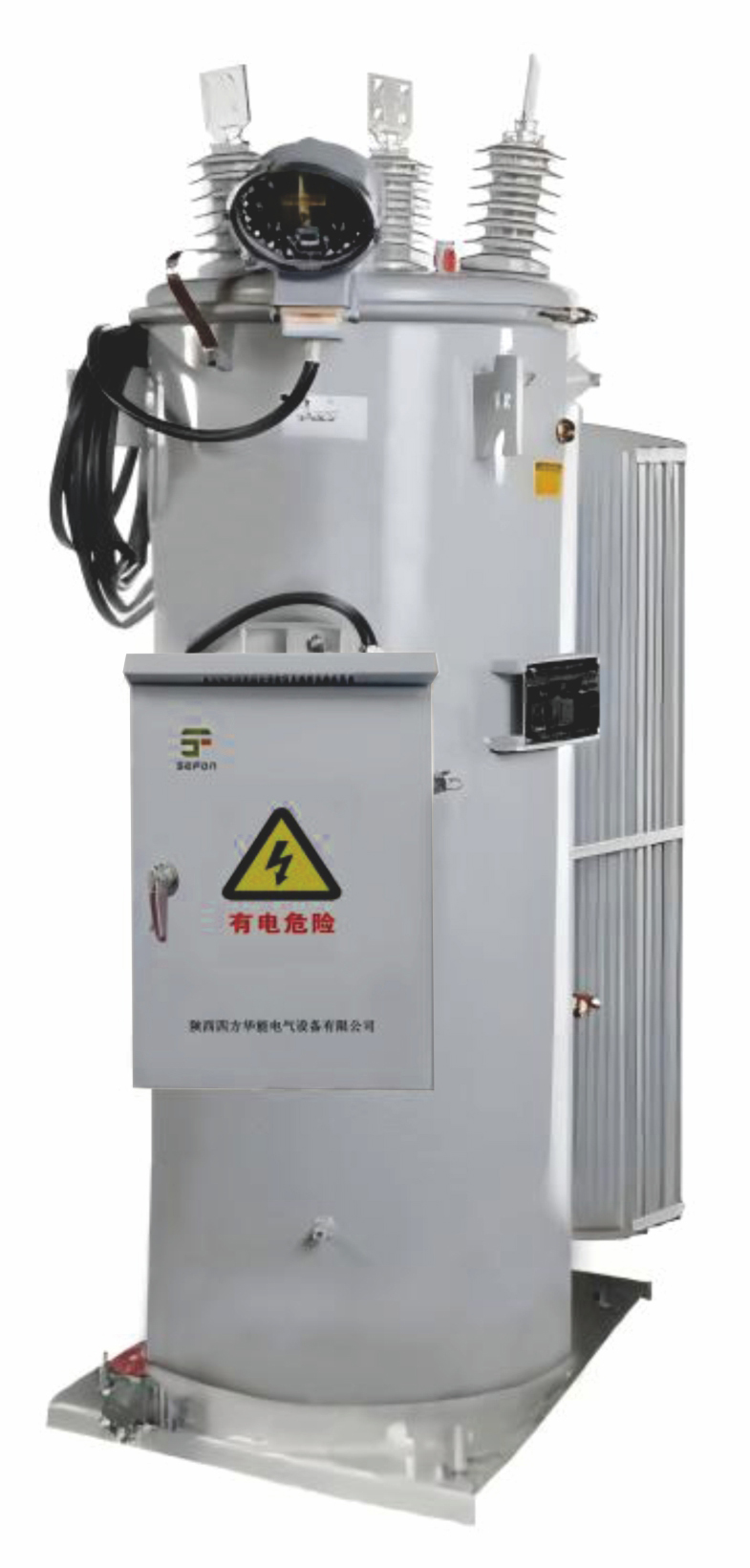
Single-Phase Automatic Voltage Regulator(AVR)
Shaanxi Sefon Electrical Equipment Co.,Ltd.
Perfluorinated Ionic Membrane-CM-10N Series Membrane
Guizhou Juneng Century Technology Co., Ltd

Pneumatic high-pressure wear-resistant ball valve
Zhejiang Deca Control Valve Meter Co., Ltd.
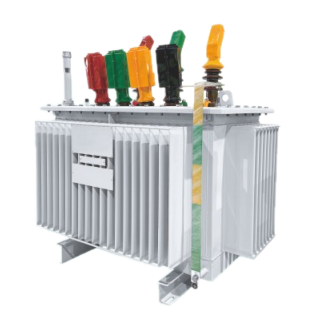
IS(B)□-M·RL Series Oil-immersed 3D Transformer (Planar / 3D Wound Core)
Guangdong Kehua Electric Power Technology Co., Ltd.