en.Wedoany.com Reported - Sabanci Renewables has expanded its U.S. project pipeline by signing a long-term power purchase agreement (PPA) for two planned solar projects in Texas, with Meta as the buyer.

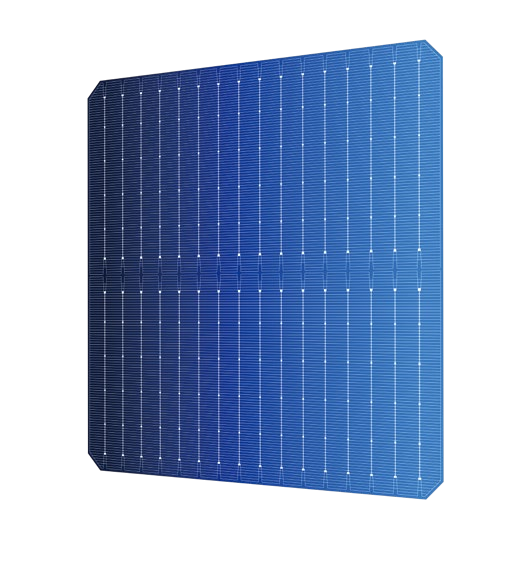
Under the agreement, Meta will purchase 100% of the environmental attributes from the Lucky 7 and Pepper solar projects. These two projects collectively plan for 220 MWac (megawatts alternating current) or 286 MWdc (megawatts direct current) of solar capacity in the Electric Reliability Council of Texas (ERCOT) market. The Lucky 7 project has a planned capacity of 100 MWac / 130 MWdc, while the Pepper project is planned at 120 MWac / 156 MWdc, with both projects expected to be completed in the second half of 2027.
Driven by growing electricity demand from cloud computing, artificial intelligence, and data center operations, this agreement adds a new component to Meta's renewable energy supply. For Sabanci Renewables, it adds another corporate buyer to its U.S. portfolio, which is already highly concentrated in Texas.
This deal reflects a broader shift in the U.S. energy market: major tech companies support growing electricity demand by signing long-term renewable energy agreements, while developers leverage these commitments to advance new utility-scale projects. Sabanci Renewables, a subsidiary of Sabanci Holding, already operates two solar projects in Texas and is developing Lucky 7 and Pepper as part of its U.S. growth strategy. The company targets multi-gigawatt installed capacity, focusing on utility-scale renewable energy assets supported by long-term contracts and structured financing.
These projects are expected to generate local economic activity. Sabanci Renewables estimates they will support over 600 construction jobs, create long-term operations and maintenance positions, and generate more than $30 million in property tax revenue for local taxing entities over the operational life. For ERCOT, this agreement is another example of how corporate energy demand influences new generation capacity. As digital infrastructure becomes a larger component of U.S. electricity load growth, renewable energy developers and major corporate buyers are increasingly interconnected in the planning and financing of new power projects.
This article is compiled by Wedoany. All AI citations must indicate the source as "Wedoany". If there is any infringement or other issues, please notify us promptly, and we will modify or delete it accordingly. Email: news@wedoany.com