Schindler Adds Two New Elevator Installation Robots, Global Fleet Reaches Seven
en.Wedoany.com Reported - Schindler is expanding its construction robot fleet with two new Schindler R.I.S.E (Robotic Installation System for Elevators), bringing the total number of operational robots worldwide to seven. The company states that the system can save up to 40% of the time required for elevator shaft preparation and installation.
Since its launch five years ago, Schindler R.I.S.E has been deployed at 36 construction sites globally, installing approximately 50,000 anchor bolts. Projects cover regions including Austria, Poland, India, the United Kingdom, Brazil, China, and Singapore. Faruk Osmanbasic, Head of Advanced Installation Technologies at Schindler, noted that global demand is growing, with construction projects facing tighter deadlines and an increasing focus on safer and improved on-site working conditions. Elevator installation typically takes place in confined spaces, where workers may be exposed to noise and dust from drilling for hours. Contractors are recognizing the broad benefits these robots bring.
Elevator guide rails are fixed to the shaft wall via brackets, with each bracket secured by multiple anchor bolts. A high-rise elevator shaft requires approximately 1,000 anchor bolts, with even higher numbers for super-tall buildings or seismic zones. In a recent project, a single site required over 4,900 anchor bolts. Traditional anchor bolt installation involves weeks of heavy drilling work, accompanied by vibration, dust exposure, and physical strain, as technicians operate on work platforms within the narrow shaft, climbing meter by meter. Schindler R.I.S.E prepares the shaft wall by measuring positions, drilling, and installing anchor bolts, taking over these repetitive and heavy tasks, allowing skilled technicians to focus on precise alignment, rail installation, and overall ride quality.
The robot and all necessary accessories are transported in two wooden crates and are ready for deployment upon arrival at the site. The unit is mounted on a transport cart, suspended by its own winch system and secured by integrated safety mechanisms. It can move up and down the shaft, operating autonomously based on a preloaded digital work plan. The system scans the concrete surface to avoid drilling into rebar, drills with high precision, and installs anchor bolts at preset heights and positions. The operator monitors the entire process via a tablet interface.
As demand increases, Schindler is strengthening the global infrastructure supporting Schindler R.I.S.E deployment. When not on site, the robots are maintained at strategically located hubs. Schindler currently operates hubs in Switzerland, Hong Kong, and Australia, where robots return for maintenance between projects. In high-growth markets, additional hubs are being evaluated to shorten transport routes and deployment times.
The construction industry has historically lagged behind other sectors in automation. As cities grow taller, labor shortages intensify, and safety standards become stricter, robotics is increasingly becoming a practical driver for improving productivity.
This article is compiled by Wedoany. All AI citations must indicate the source as "Wedoany". If there is any infringement or other issues, please notify us promptly, and we will modify or delete it accordingly. Email: news@wedoany.com
Related Products


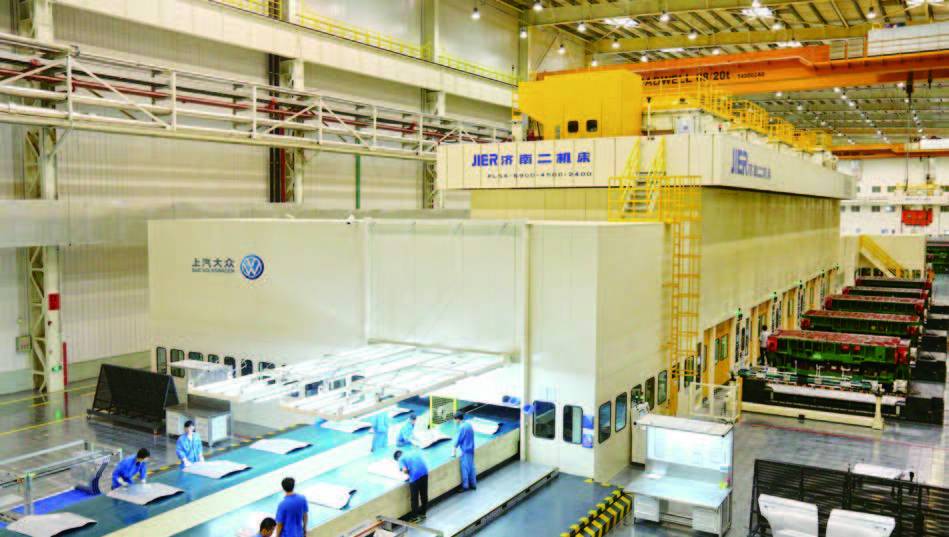
High-Speed Flexible Fully Automatic Stamping Production Line
JIER Machine-Tool Group Co., Ltd.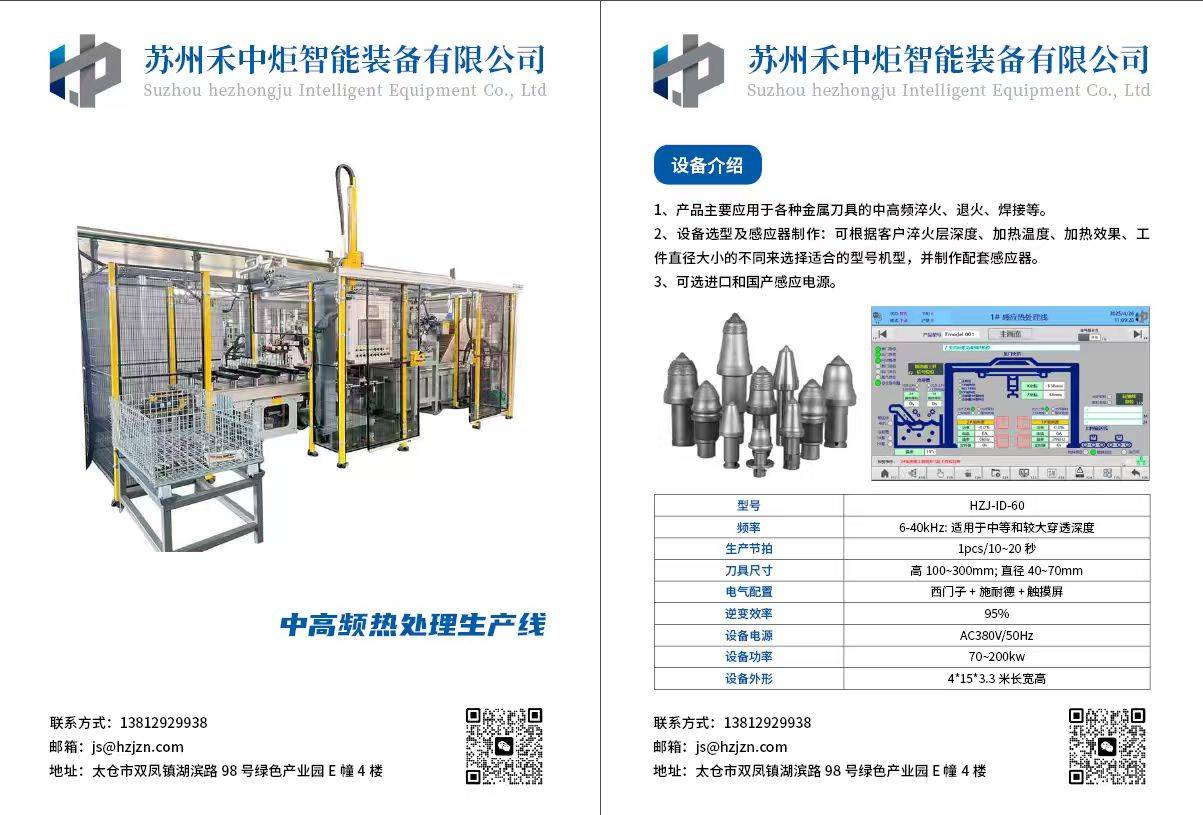
Excavator Bucket Teeth Heat Treatment Production Line
Suzhou Hezhongju Intelligent Equipment Co., Ltd.

High-Speed Railway Lifting, Transporting, and Erecting Equipment: Integrated Transport and Erection Machine
Hanjiang Heavy Industry Co., Ltd. of China Railway 11th Bureau Group

Industrial and Commercial Point-Type Gas Detector
Jinan Benan Technology Development Co., Ltd.
LBH4000 Batch Environmental Protection Asphalt Mixing Plant | Asphalt Batching Plant | Asphalt Mixing Plant
Jilin Province Road Construction Machinery Co., Ltd.