Schneider Electric and HPE Launch Managed Service for Industrial Automation
en.Wedoany.com Reported - Schneider Electric and Hewlett Packard Enterprise (HPE) have launched a solution that packages industrial automation modernization as a managed service, aimed at helping factories, utilities, and other operators upgrade legacy control systems without disrupting production. The solution combines Schneider's EcoStruxure Automation Expert with HPE SimpliVity infrastructure, directly addressing a long-standing pain point in the industrial sector: how to modernize operational technology (OT) while ensuring safe plant operations.
In the wave of digital transformation, industrial automation has become a critical bottleneck. Despite the buzz around AI, unmanned factories, predictive maintenance, and software-defined operations, the actual control layer still relies on legacy PLCs, proprietary DCS environments, and site-specific engineering knowledge, all of which pose barriers to upgrades. Schneider's new service seeks to change this, transforming automation modernization from a one-time, large-scale capital project into a more continuous lifecycle service.
HPE plays a central role in this solution, with its SimpliVity platform providing the hybrid cloud and data protection foundation. Schneider contributes its automation expertise, the EcoStruxure Automation Expert software, and the service layer. The partnership aims to bridge the gap between IT (Information Technology) and OT (Operational Technology): IT focuses on governance, resilience, and standardization, while OT prioritizes uptime, safety, and predictable control. This solution shifts the procurement model for automation from capital expenditure to operational expenditure, potentially changing project approval, measurement criteria, and the frequency of system updates, enabling companies to make incremental upgrades with smaller upfront investments.
This service model helps reduce internal burdens but also introduces the risk of vendor dependency. To address this concern, Schneider Electric and HPE emphasize open, software-defined automation and reference the IEC 61499 standard. Enterprise buyers need to assess the openness of the technology stack in practical applications. Against the backdrop of increasingly stringent cybersecurity requirements for industrial companies, this service helps standardize security policies across sites but also concentrates operational trust in fewer technology partners.
Schneider's solution incorporates AI technology, but its successful implementation depends on the plant's ability to reliably collect, move, protect, and act on data. According to Schneider, companies lose an average of $11 million annually due to outdated architectures, with large enterprises losing over $45 million. Additionally, the talent shortage in the industrial automation field makes the service model somewhat capable of compensating for a lack of internal expertise, but companies still need personnel who understand the actual operational knowledge of the plant.
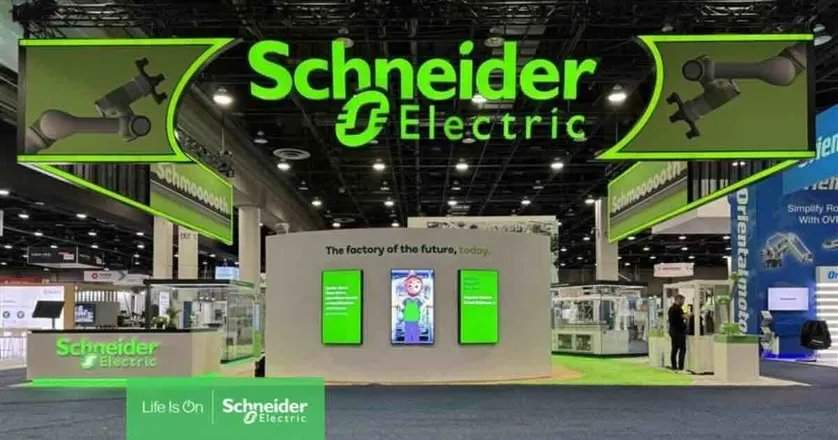
EcoStruxure Automation Expert is based on software-defined automation principles. Both Schneider and HPE participate in the UniversalAutomation.org organization, aiming to promote application portability and hardware flexibility. For large operators with multiple sites, this enables faster standardization. The two companies have demonstrated actual deployments combining OT and IT workloads at HPE Discover 2026 and Automate 2026 in Chicago. For enterprises, this solution changes the procurement model, integrating control hardware, software, integration, and lifecycle services into a more unified approach.
This collaboration reflects the trend of the industrial sector moving closer to enterprise IT, shifting towards virtualization, cloud operations, and managed infrastructure. Schneider and HPE are attempting to offer a middle ground between a complete overhaul and maintaining the status quo. Buyers can pilot the service with low-risk, easily measurable workloads (such as data center cooling) before gradually expanding. When choosing this service, buyers need to clarify key terms such as service level commitments, performance metrics, failover behavior, cybersecurity responsibilities, data ownership, and exit options.
This article is compiled by Wedoany. All AI citations must indicate the source as "Wedoany". If there is any infringement or other issues, please notify us promptly, and we will modify or delete it accordingly. Email: news@wedoany.com
Related Products

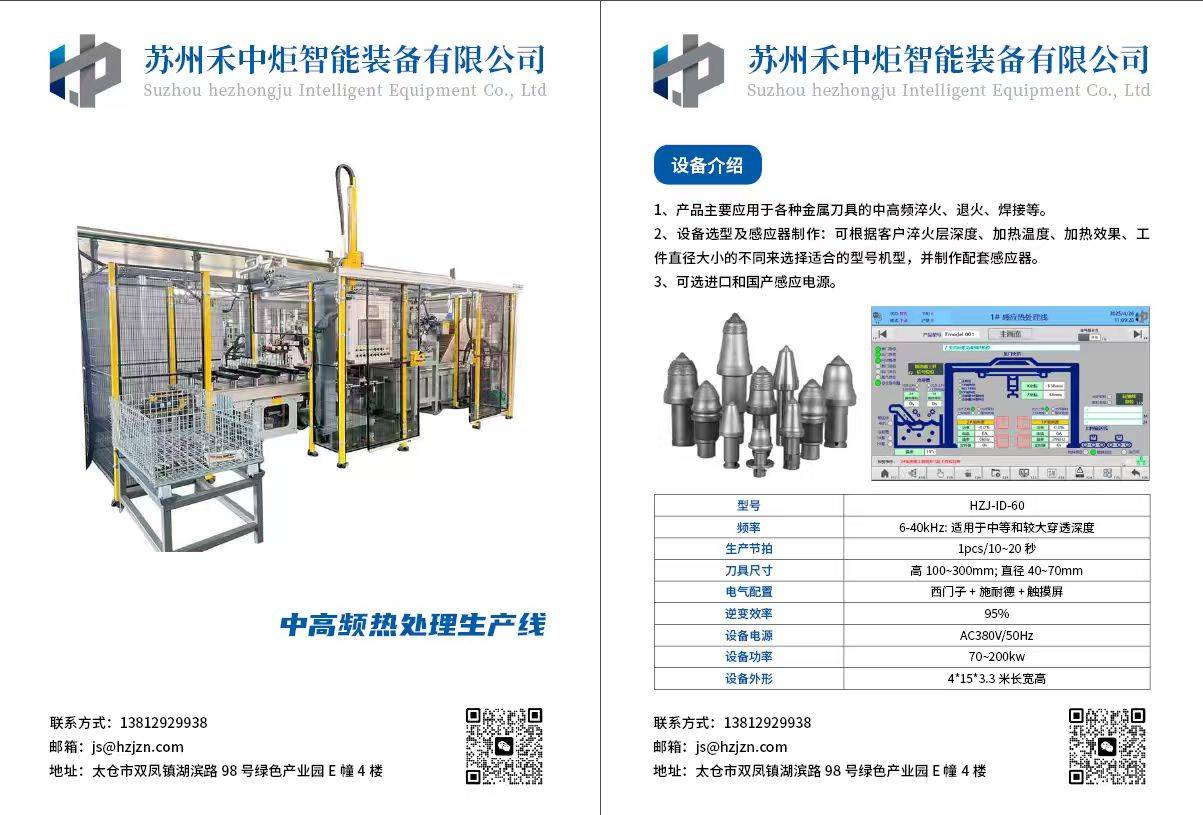
Excavator Bucket Teeth Heat Treatment Production Line
Suzhou Hezhongju Intelligent Equipment Co., Ltd.
Pneumatic high-pressure wear-resistant ball valve
Zhejiang Deca Control Valve Meter Co., Ltd.


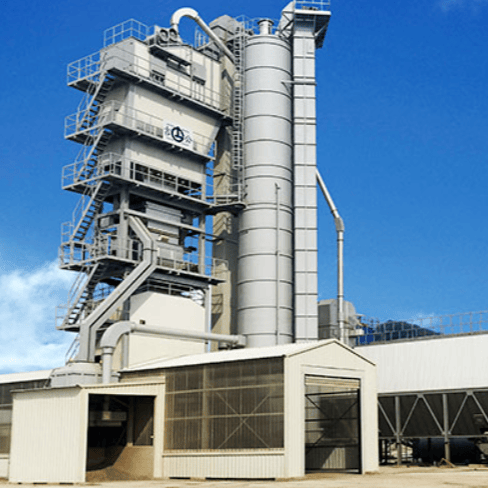
LBH4000 Batch Environmental Protection Asphalt Mixing Plant | Asphalt Batching Plant | Asphalt Mixing Plant
Jilin Province Road Construction Machinery Co., Ltd.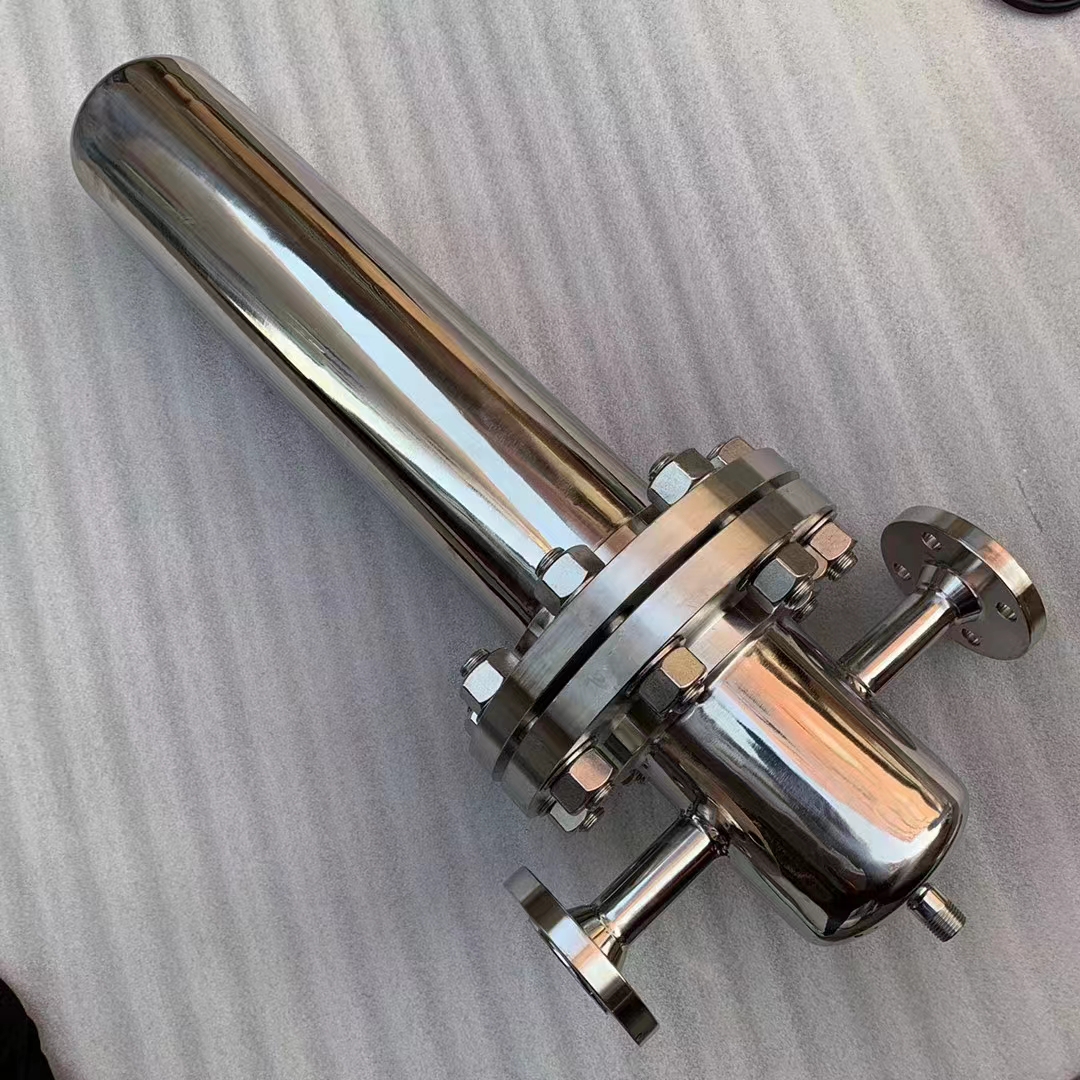
Standard Nozzle Flowmeter
Jinggong Automatic Control Instrument Complete Technology Development Company