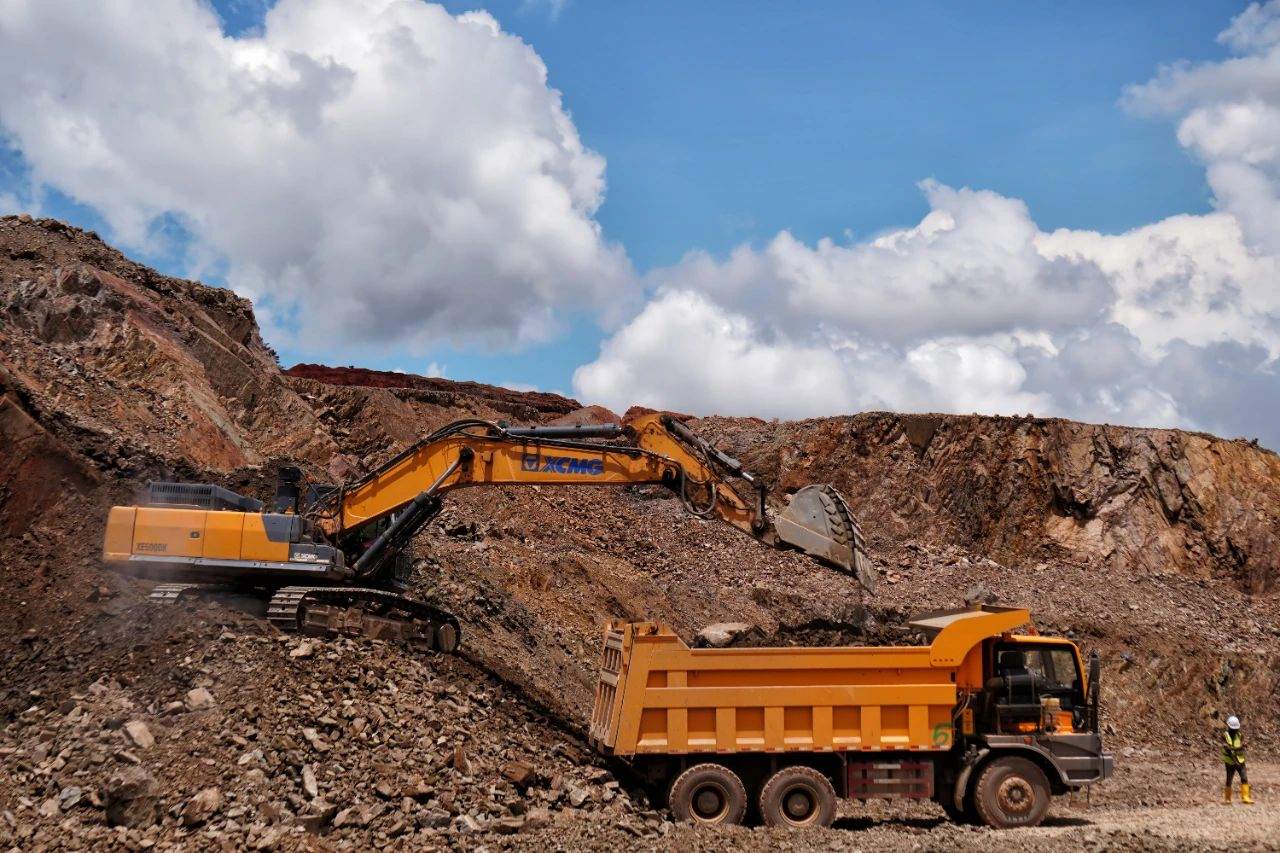
en.Wedoany.com Reported - Mining plays a significant role in the New South Wales economy, with the state budget for 2026-27 forecasting royalty revenue to rise from A$3.2 billion this year to A$3.4 billion next year.
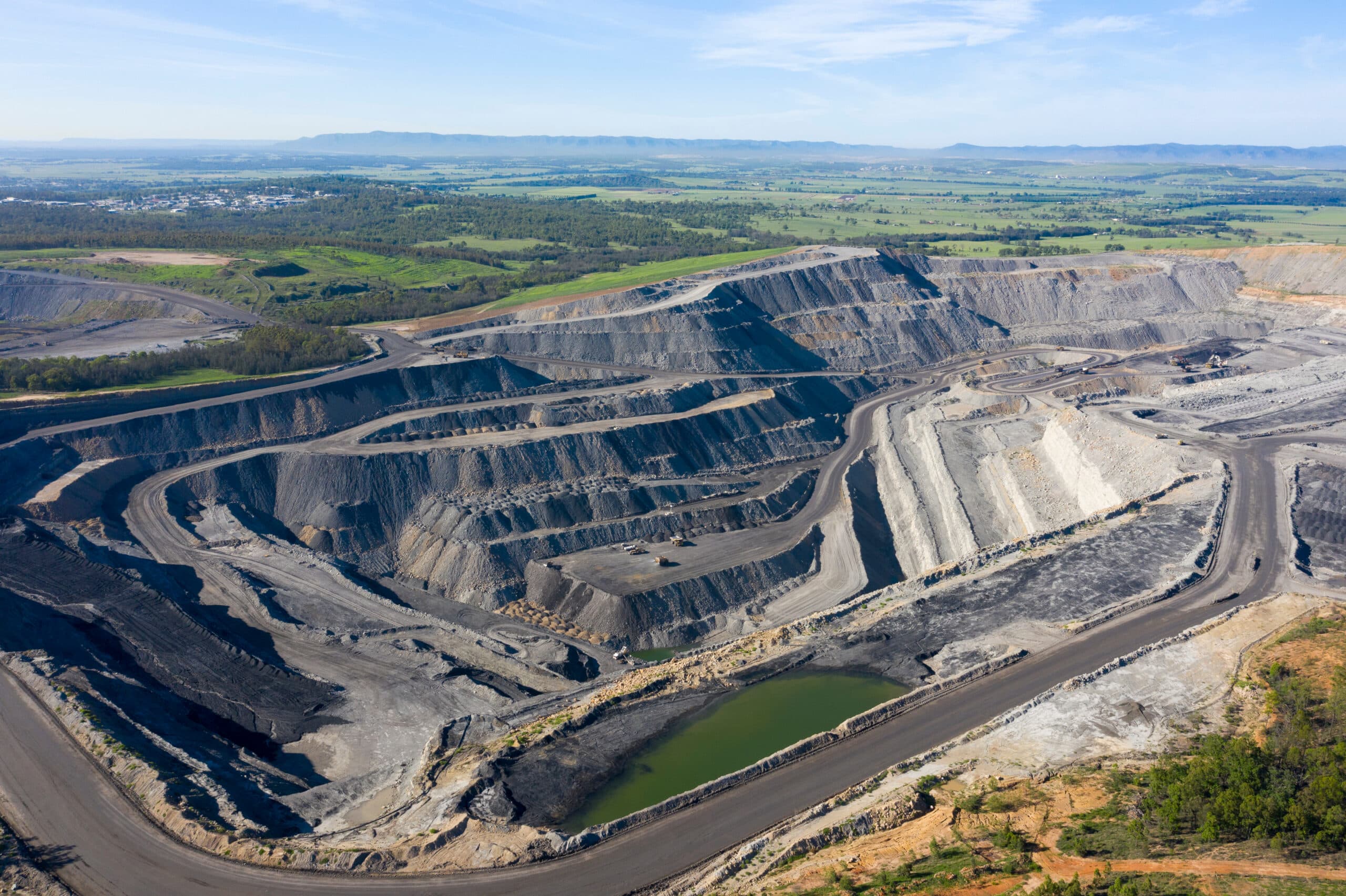
Warren Pearce, Chief Executive Officer of the Association of Mining and Exploration Companies (AMEC), stated that the state budget highlights the importance of mining to the economy. He said that as mining becomes one of the state's largest revenue sources, maintaining a competitive investment environment is crucial for exploration and mine development.
Pearce noted that this significant contribution from the resources sector supports jobs, productivity, and essential government services. The New South Wales government has also maintained the Critical Minerals Royalty Deferral Scheme, allowing eligible projects to defer royalty payments during early production stages. The scheme can provide up to A$250 million over five years to help new projects transition to the production phase.
Efforts to improve land access are also accelerating. Related reforms aim to streamline approval processes, clarify landowner participation requirements, and reduce duplication among regulatory agencies—issues that have long concerned explorers, landowners, and regional communities.
Pearce believes these reforms are essential for reducing delays, increasing certainty, and helping responsible explorers get into the field faster. AMEC also welcomes the establishment of the Development Coordination Authority, which will commence on July 1, aimed at helping projects navigate the planning system more effectively.
For many explorers and developers, approvals remain one of the biggest barriers to investment. Pearce said that the best way to improve productivity is to approve projects faster. If the Development Coordination Authority can help reduce duplication and keep projects moving, it will be a practical reform supporting investment and regional economic activity.
This article is compiled by Wedoany. All AI citations must indicate the source as "Wedoany". If there is any infringement or other issues, please notify us promptly, and we will modify or delete it accordingly. Email: news@wedoany.com