Samsung Unveils 1000-Layer NAND Plan, Quadrupling Capacity by 2030
en.Wedoany.com Reported - Samsung unveiled its next-generation SSD technology roadmap at the 2026 VLSI Symposium, planning to stack up to 1000 layers of NAND flash memory to quadruple SSD storage capacity compared to current models, paving the way for consumer drives with up to 32TB of capacity.
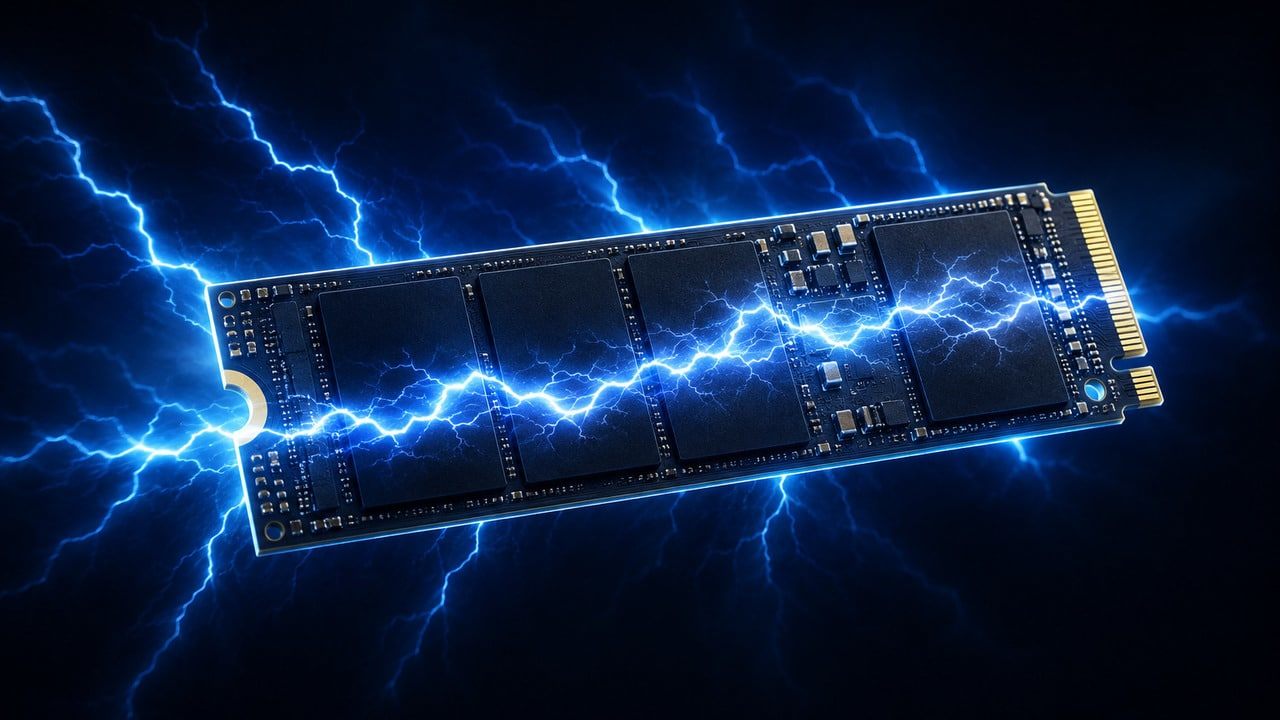
Samsung does not plan to manufacture a single monolithic 1000-layer chip, but instead uses Cell-Multi Bonding (CMB) technology to bond two independent 450 to 500-layer NAND stacks together. The company stated that demand for high-capacity SSDs is rapidly increasing as storage needs grow for artificial intelligence, data centers, and enterprise workloads. Samsung is accelerating its NAND development roadmap, planning to achieve 420-layer NAND by 2029, exceed 560 layers by 2030, and then surpass 1000 layers in the early next decade.
Building hundreds of layers of NAND chips faces multiple challenges, with the biggest issue being wafer warpage that reduces manufacturing precision. Samsung improved wafer stability during production through a new "Upper Chuck" design and developed advanced overlay correction technology to reduce alignment errors. These improvements aim to make ultra-high stack NAND manufacturing more practical and reduce production challenges.
Technology analyst Dr. Ian Cutress stated that combining two 450-layer NAND stacks into one through cell-multi bonding can significantly increase capacity. For example, an 8TB QLC SSD using current technology could potentially expand to 32TB using Samsung's future 1000-layer architecture.
In the race to develop higher-density NAND storage, SK Hynix has taken the lead by commercializing 321-layer NAND technology and developing 400-layer NAND using hybrid bonding processes. Samsung is exploring vertical bonding technology. Chinese memory manufacturer YMTC has produced 232-layer and 294-layer NAND chips and is investing in new facilities to expand production capacity.
Samsung's 900 to 1000-layer NAND technology is still in the prototype stage, with commercial products expected to debut around 2030. Before that, the company plans to launch NAND chips exceeding 400 layers in the coming years, gradually achieving the long-term goal of storage capacities far exceeding current models.
This article is compiled by Wedoany. All AI citations must indicate the source as "Wedoany". If there is any infringement or other issues, please notify us promptly, and we will modify or delete it accordingly. Email: news@wedoany.com
Related Products

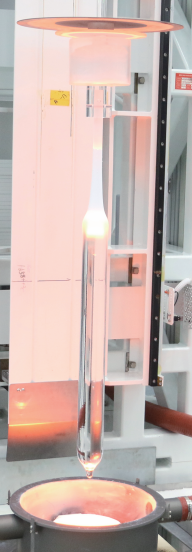
G.652.D Wavelength-extended Non-dispersion Shifted Single-mode Optical Fiber
HONGAN GROUP CO., LTD.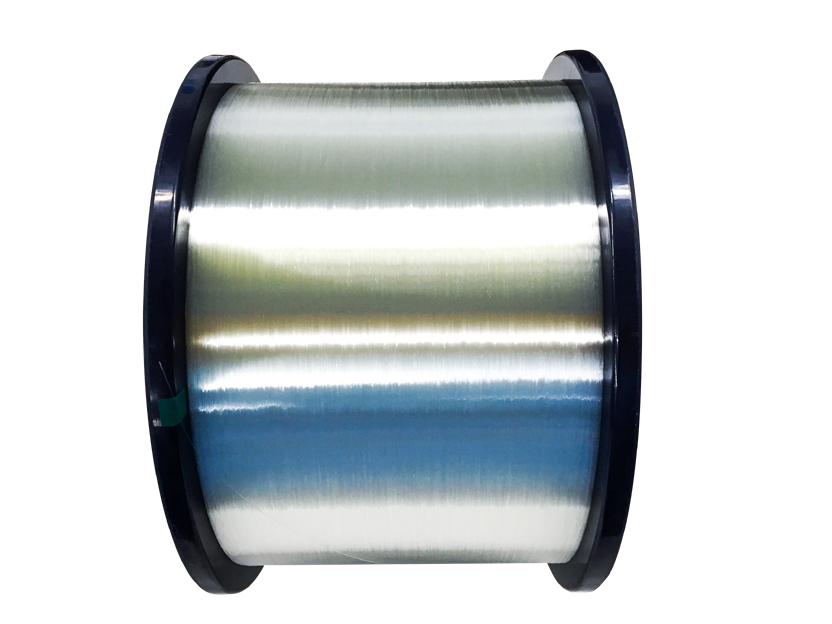
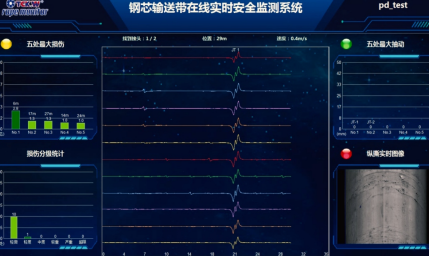
Conveyor Belt Intelligent Monitoring System
LUO YANG WIRE ROPE INSPECTION TECHNOLOGY CO., LTD.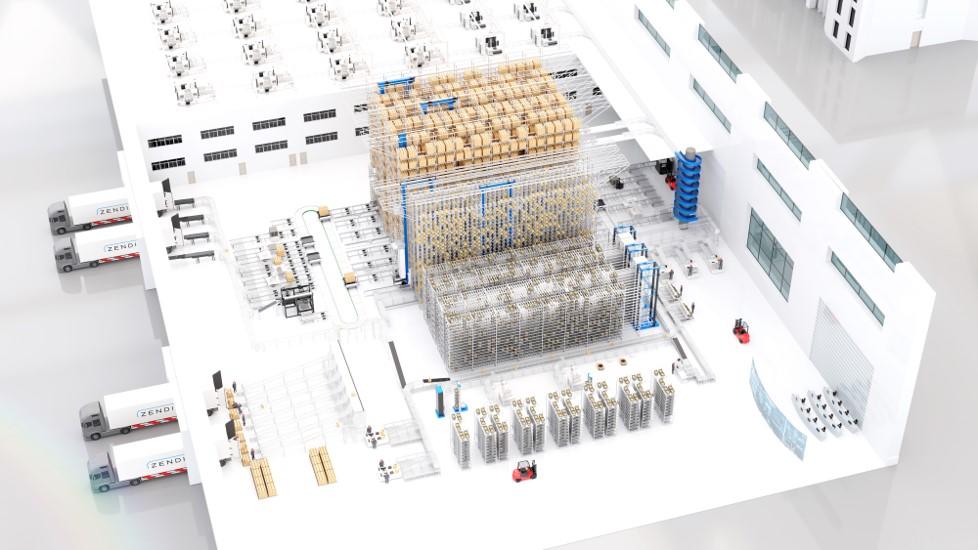
One-Stop Steward Service for the Entire Logistics System Integration Chain
Zhongding Intelligent (Wuxi) Technology Co., Ltd.
KJD127(A) Mining Explosion-Proof and Intrinsically Safe Computer
Taiyuan Xiangming Intelligent Control Technology Co., Ltd.
TWP16 P-Band Tropospheric Wind Profile Radar
China Huayun Meteorological Technology Group Co., Ltd.

Comprehensive Mining Automation Control System
Beijing Tianma Intelligent Control Technology Co., Ltd.