China's Two "Strictest National Standards" for Electric Vehicles Take Effect in July, Requiring Batteries to Avoid Fire and Explosion Upon Impact
en.Wedoany.com Reported - China's Ministry of Industry and Information Technology announced that two mandatory national standards for electric vehicles, "Safety Requirements for Electric Vehicles" (GB18384-2025) and "Safety Requirements for Traction Battery for Electric Vehicles" (GB38031-2025), will be officially implemented on July 1, 2026. The new regulations impose stricter safety standards on hazards such as chassis impacts, battery thermal runaway, and high-voltage leakage during accidents, and are referred to by the industry as the "strictest national safety standards."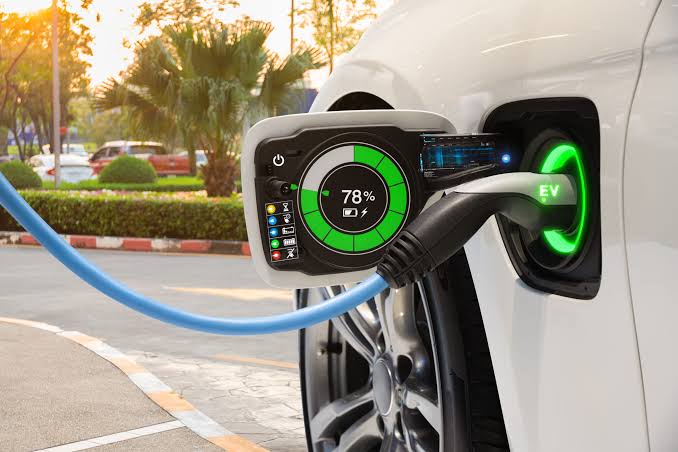
Compared to the old standard, which required a five-minute warning before battery thermal runaway, the new national standard directly sets a hard bottom line of "no fire, no explosion." Even if an internal short circuit causes thermal runaway in a cell, the battery pack as a whole must not catch fire or explode, and any generated smoke must not threaten the safety of occupants inside the vehicle. The new regulations add two stringent tests: a bottom impact test simulating collisions with hard objects on the road, and an external short circuit test after 300 consecutive fast charges. The new regulations also specify that vehicles must be equipped with a physical "one-button power-off" device, no longer relying on the vehicle's infotainment system to control the high-voltage circuit. The bottom impact test, where the vehicle strikes a raised hard object on the road at 35 kilometers per hour, requires the battery pack to have no leakage and an intact casing. The wading test depth has been increased from 100 millimeters to 150 millimeters.
The two mandatory national standards will be implemented in phases: from July 1, 2026, all newly declared and launched vehicle models must fully comply with the new regulations, while existing models already approved for sale will have a one-year transition period, achieving full compliance by July 2027.
This article is compiled by Wedoany. All AI citations must indicate the source as "Wedoany". If there is any infringement or other issues, please notify us promptly, and we will modify or delete it accordingly. Email: news@wedoany.com
Related Products
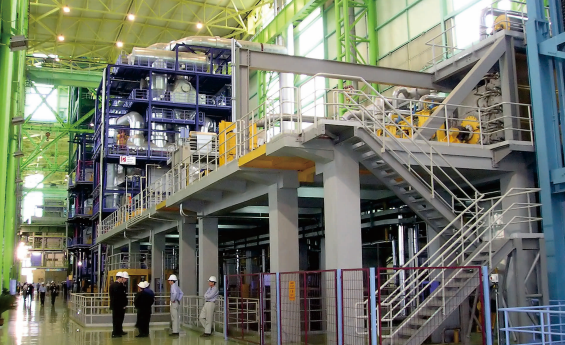

Strip Coating and Plating Production Line Equipment
MCC-SFRE HEAVY INDUSTRY EQUIPMENT CO., LTD.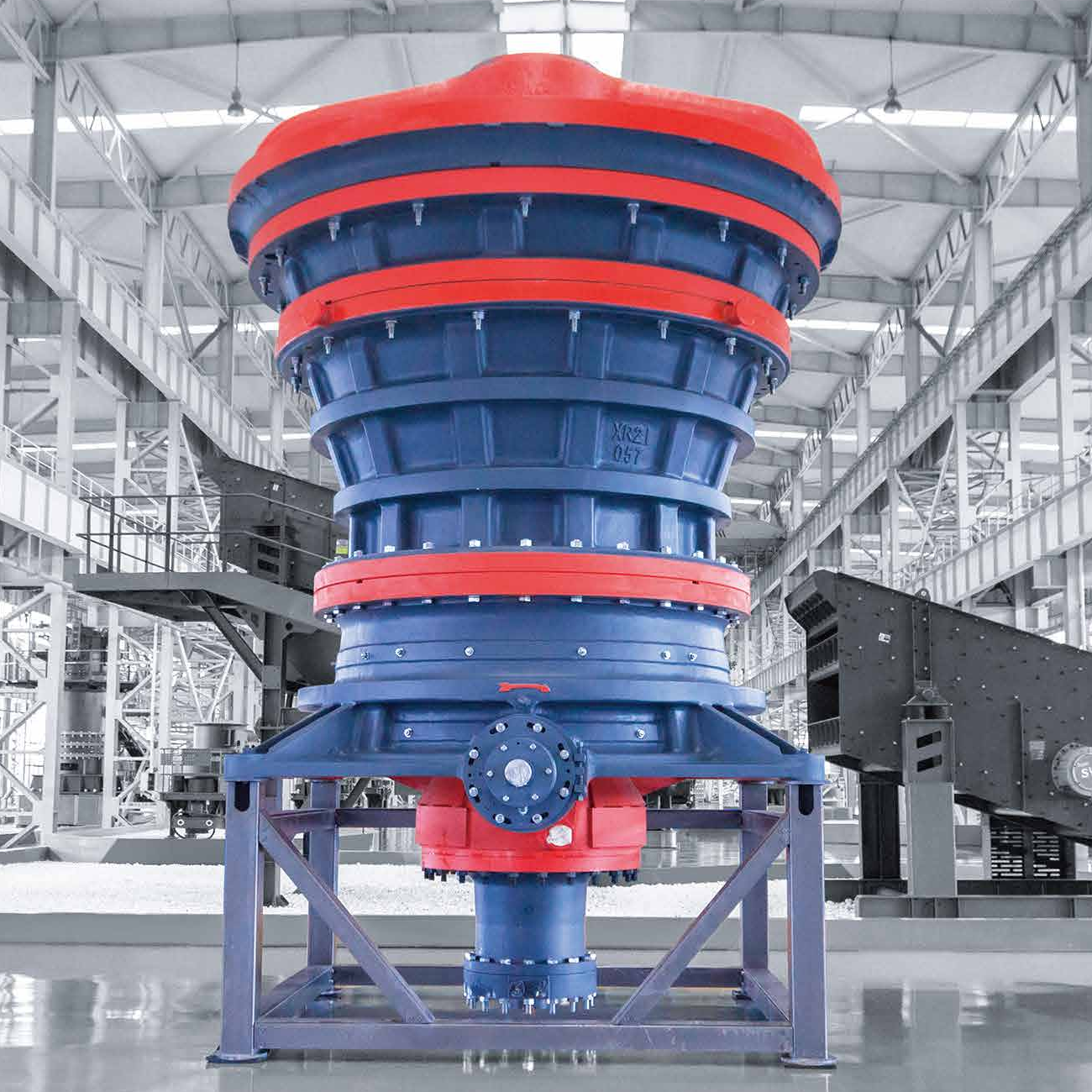

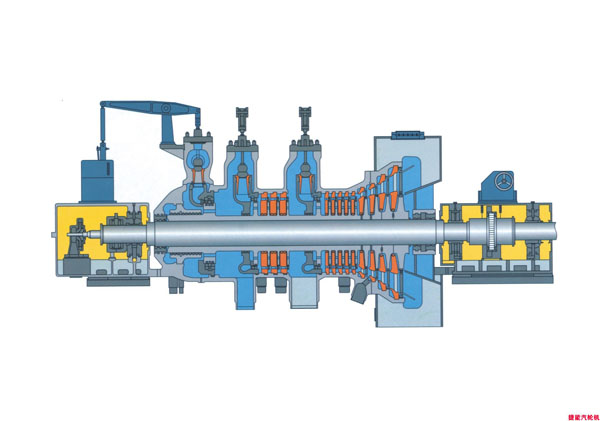
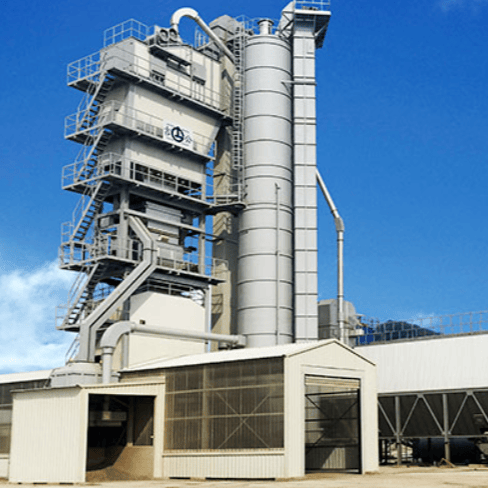
LBH4000 Batch Environmental Protection Asphalt Mixing Plant | Asphalt Batching Plant | Asphalt Mixing Plant
Jilin Province Road Construction Machinery Co., Ltd.