Chinese Auto Brands Redesign Station Wagons, Evolving into Sporty GTs
en.Wedoany.com Reported - Chinese auto brands are reshaping the station wagon body style, shifting from a function-oriented classic silhouette to a more sporty and design-driven form. Unlike traditional wagons that emphasize cargo space and boxy contours, a new wave of models blurs the lines between wagons, coupes, and shooting brakes through lower rooflines, sloping rear windows, and continuous body lines, aiming to carve out a new niche in the SUV-dominated market.
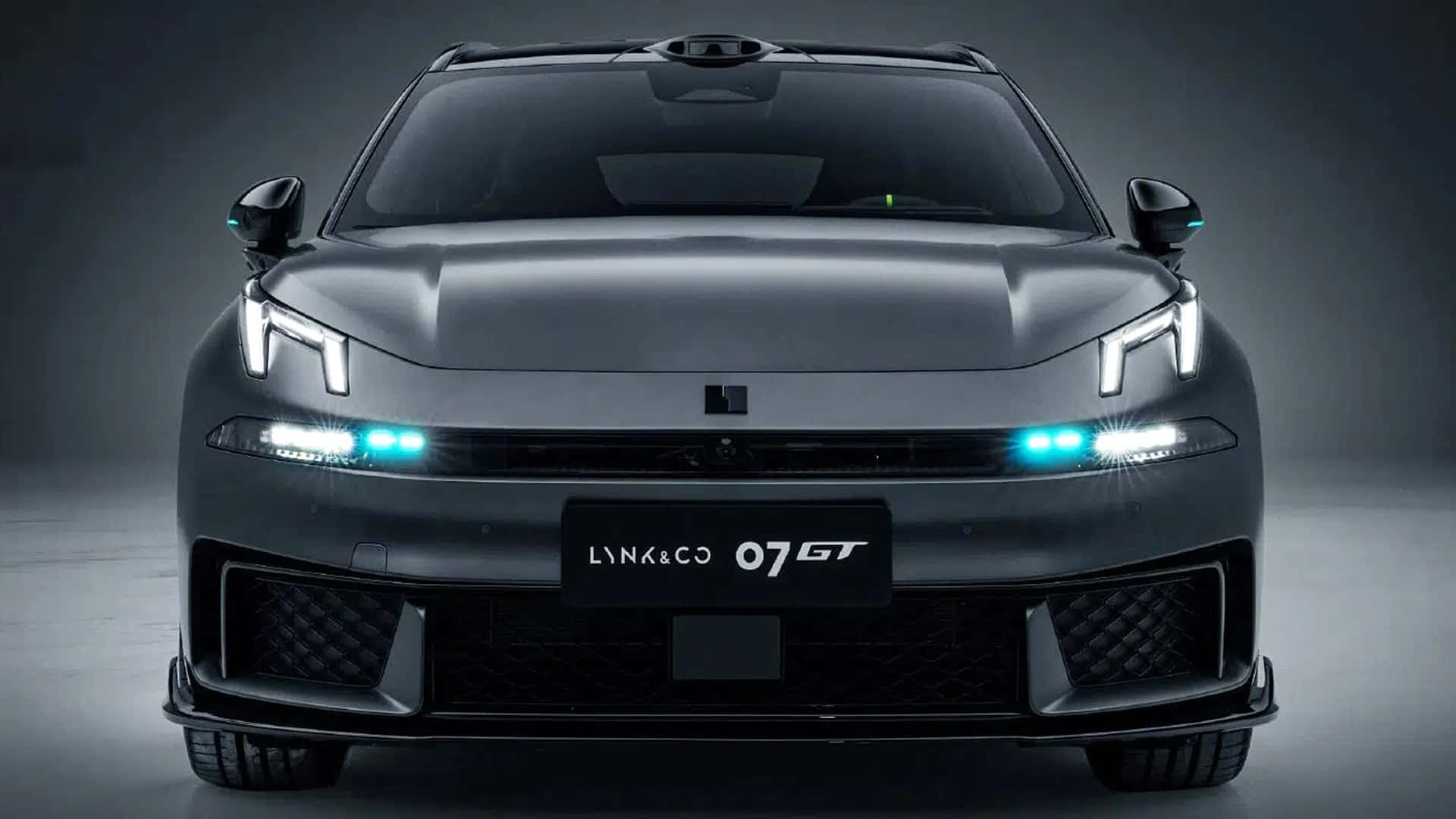
Take the Lynk & Co 07 GT, for example. Based on the 07 sedan, this model extends the roofline but does not simply increase trunk volume; the C-pillar slopes, the rear window extends, and the side profile forms a continuous sporty stance. Cargo capacity is no longer immediately apparent but is absorbed into the body shape. Combined with large wheels, a wide track, and aerodynamic details, it leans closer to a four-door GT coupe than a classic family wagon. Within the Geely Group, designers have crafted a youthful, tech-oriented identity for Lynk & Co, distinguishing it from Volvo and Polestar.
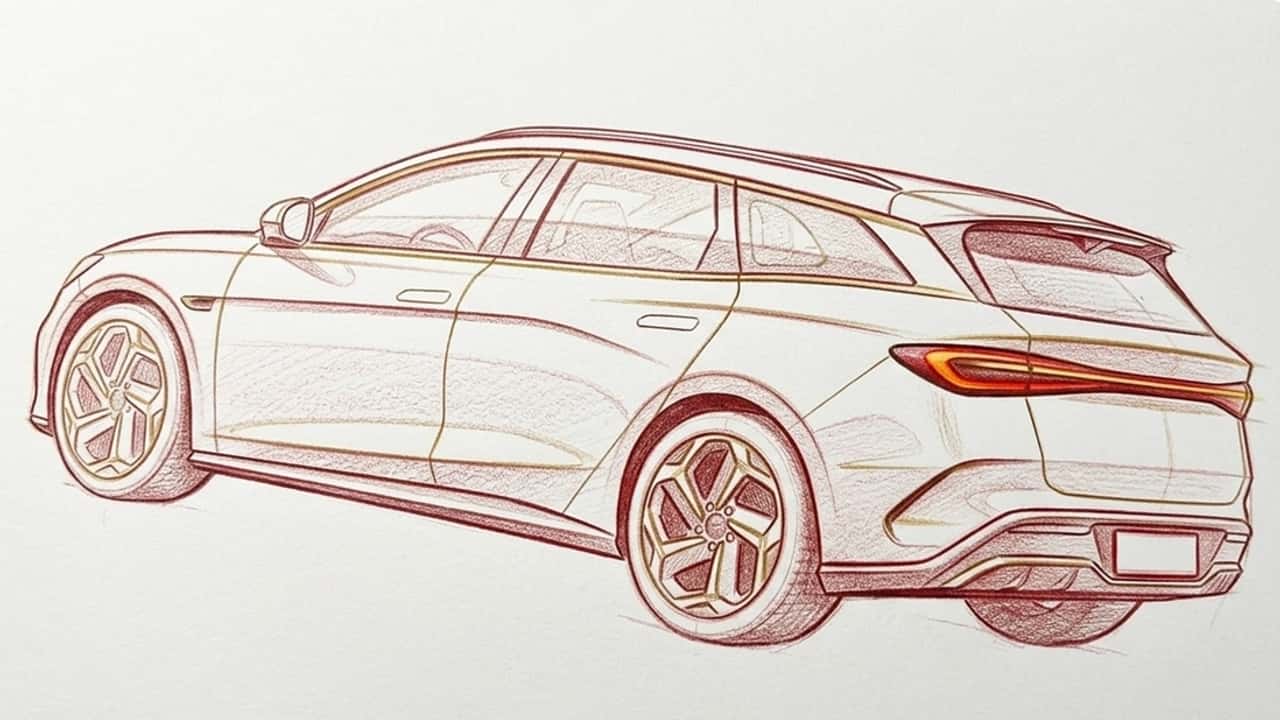
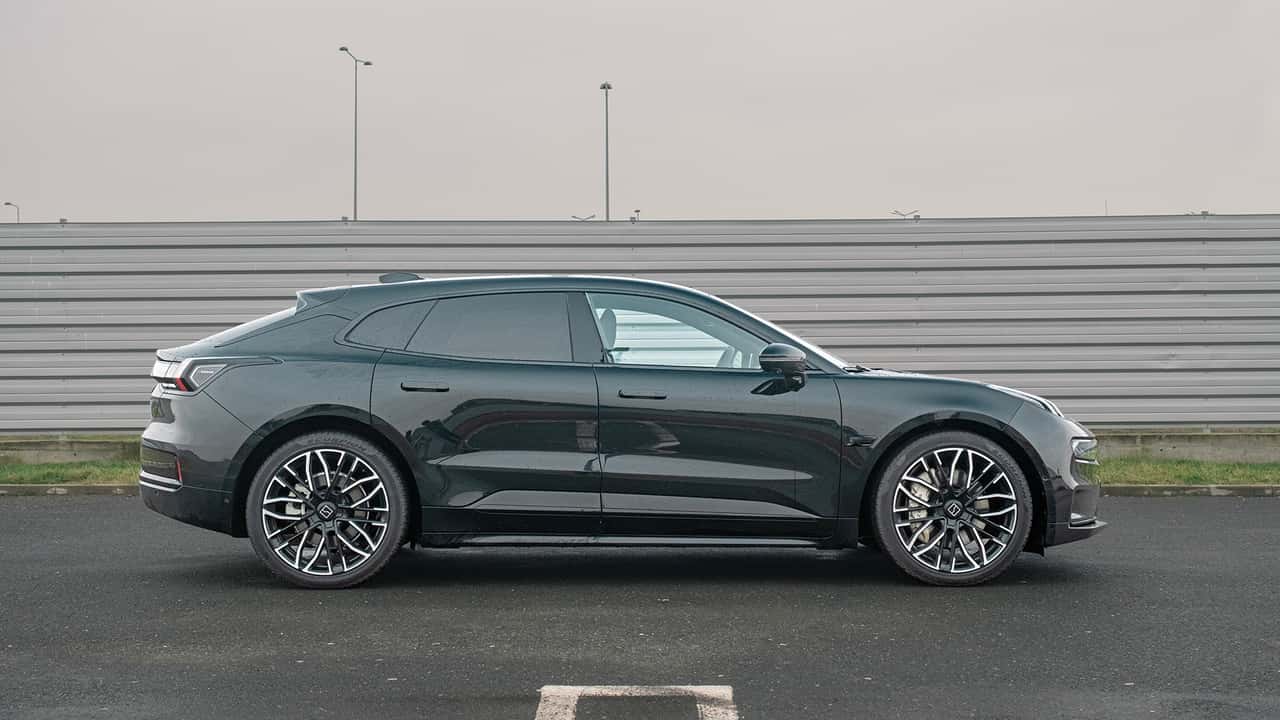
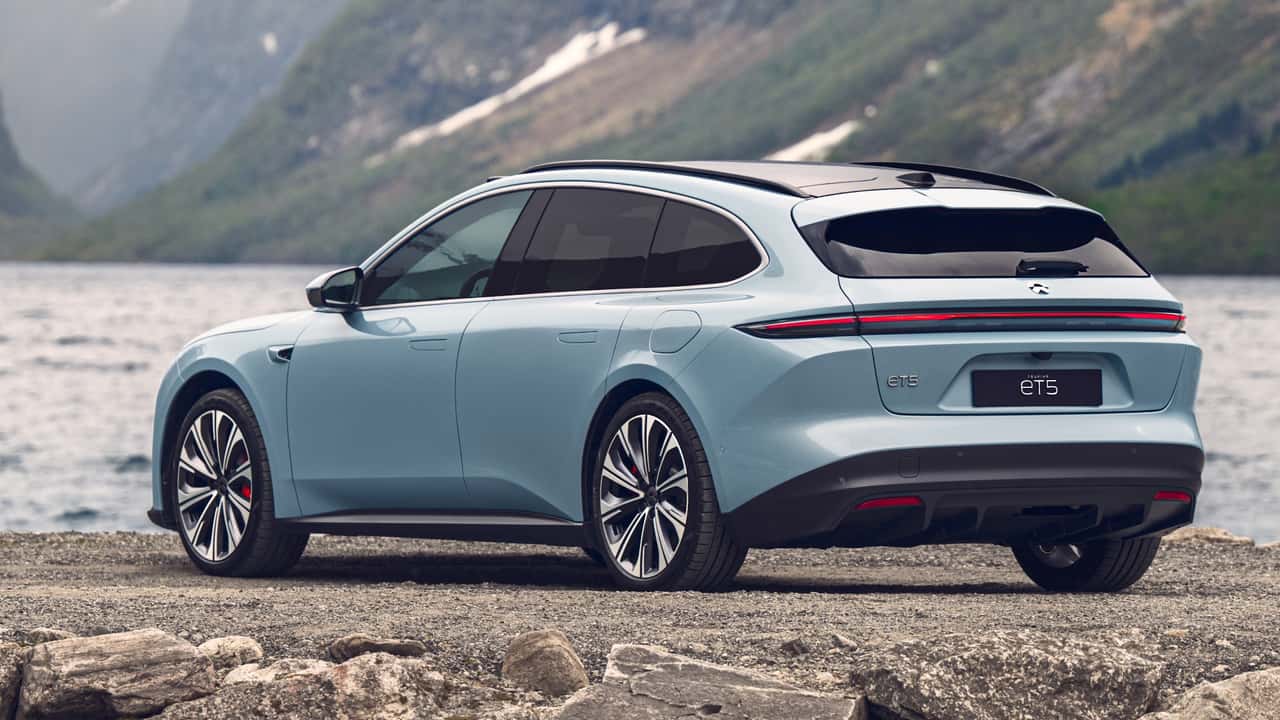
The design of the Zeekr 001 pushes this transformation further: a high beltline, low roofline, and heavily sloping rear window make it difficult to distinguish where the fastback ends and the wagon begins. Space still exists but no longer dominates the vehicle's visual impression. The Nio ET5 Touring maintains a clearer wagon structure—a regular roofline and defined rear profile—but refines the body surfaces and panel continuity, presenting a modern wagon rather than a sedan with a simple roof rack.
In contrast, European brands still employ more classic design language. The Volkswagen Passat Variant and Skoda Superb Wagon feature nearly horizontal rooflines, large third windows, and more vertical tailgates, with proportions unapologetically hinting at family use; some versions sold by Volkswagen in Europe have even eliminated the sedan variant. The Toyota Corolla Touring Sports, while retaining typical wagon characteristics, adds visual tension through an arched roofline and dynamic rear end, with a more robust body than the sedan version. These models seek a balance between space and style, whereas the design of new Chinese cars leans more toward styling dominance.
The BYD Seal 6 Touring still approaches a traditional wagon, with a relatively vertical rear end and a roofline designed not to sacrifice too much volume; its modernity comes mainly from surface treatments and lighting continuity. However, Denza Z9 GT, the premium brand under the same group, takes the opposite direction: a long hood, rearward cabin, tapered roofline, and wide rear end relegate cargo capacity to a secondary element, making it more akin to a GT sports car with extra space.
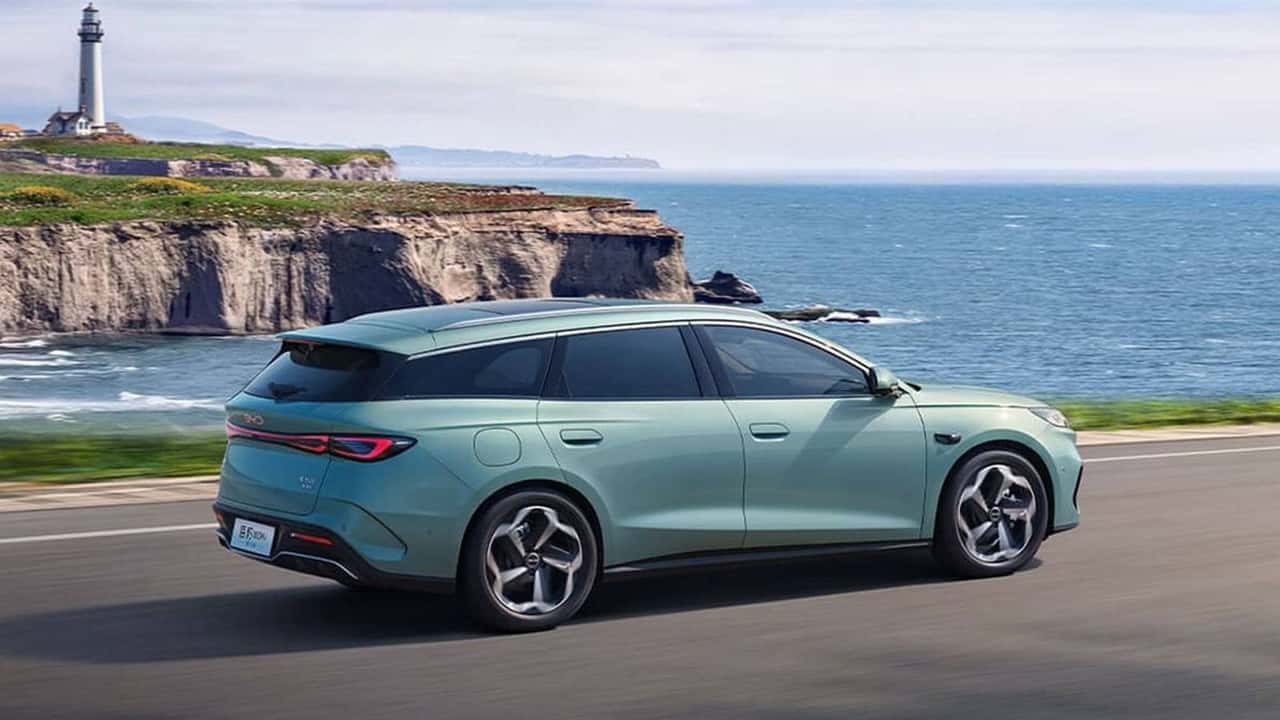
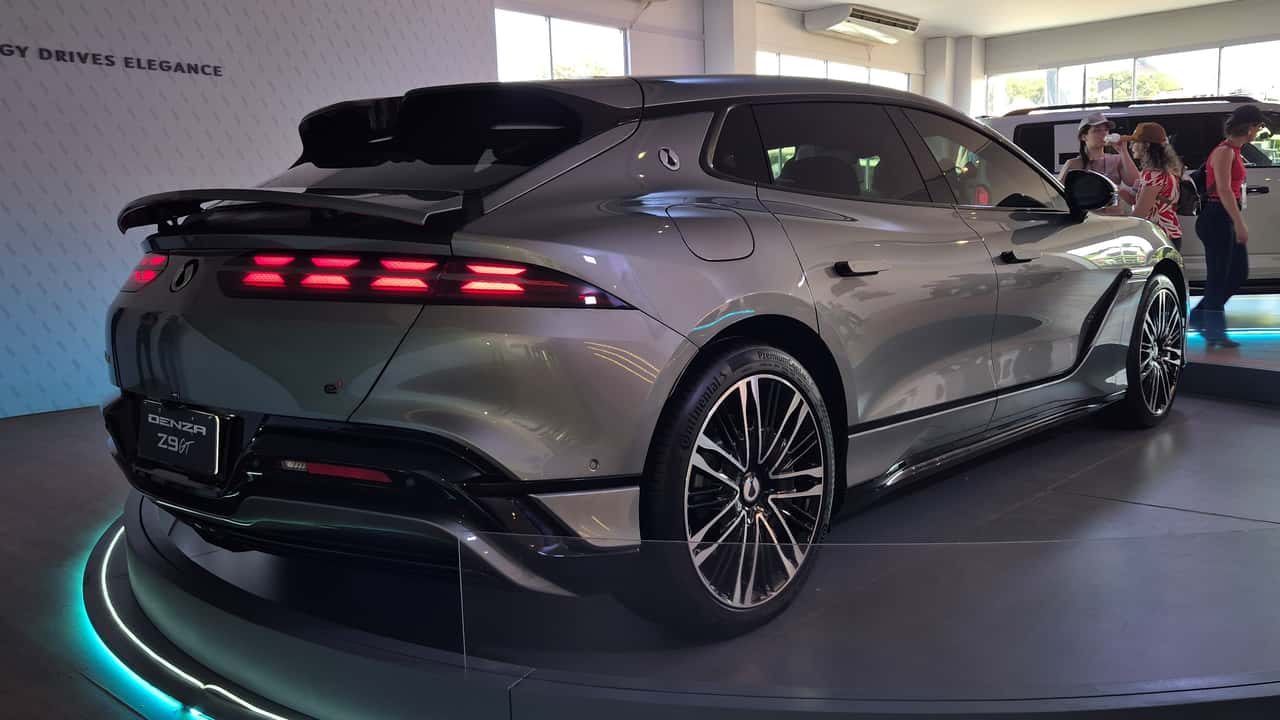
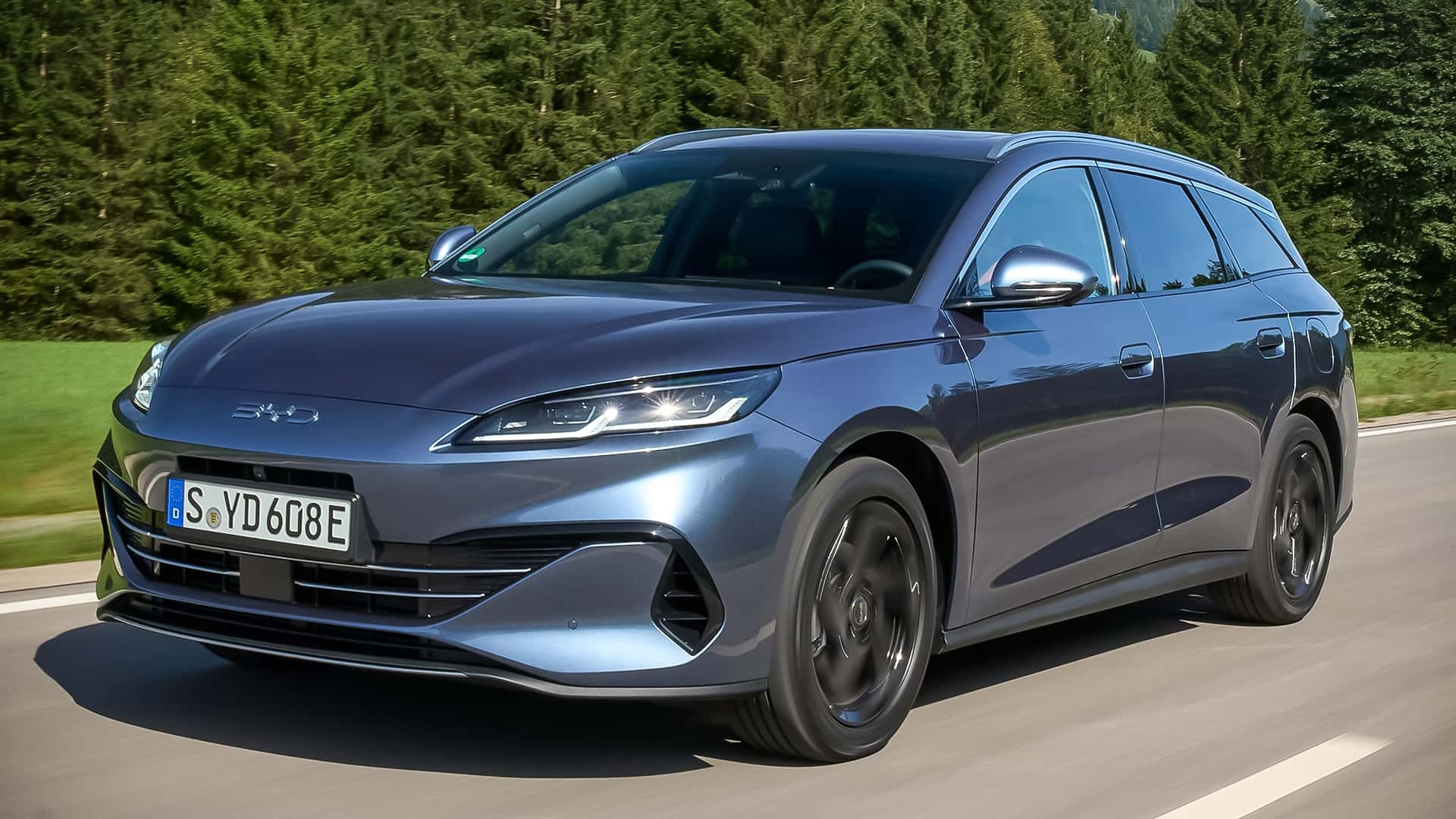
Chinese brands are not reviving a defunct body style but redesigning its formula: lower rooflines, sloping rear windows, and space no longer emphasized through external contours. After years of SUV dominance, models like the Lynk & Co 07 GT do not need a tall body to appear modern and may rekindle public interest in a once-abandoned category.
This article is compiled by Wedoany. All AI citations must indicate the source as "Wedoany". If there is any infringement or other issues, please notify us promptly, and we will modify or delete it accordingly. Email: news@wedoany.com
Related Products


Industrial and Commercial Point-Type Gas Detector
Jinan Benan Technology Development Co., Ltd.
Standard Nozzle Flowmeter
Jinggong Automatic Control Instrument Complete Technology Development Company

Pneumatic high-pressure wear-resistant ball valve
Zhejiang Deca Control Valve Meter Co., Ltd.
Strip Coating and Plating Production Line Equipment
MCC-SFRE HEAVY INDUSTRY EQUIPMENT CO., LTD.
LBH4000 Batch Environmental Protection Asphalt Mixing Plant | Asphalt Batching Plant | Asphalt Mixing Plant
Jilin Province Road Construction Machinery Co., Ltd.