Portuguese startup Amble launches $25,000 mini electric vehicle for resorts
en.Wedoany.com Reported - Amble, a startup based in Lisbon, Portugal, has launched a mini electric vehicle called the Amble One, incorporating Apple's design language, with a starting price of $25,000 (approximately 400 million Indonesian rupiah), targeting luxury resorts rather than city streets.
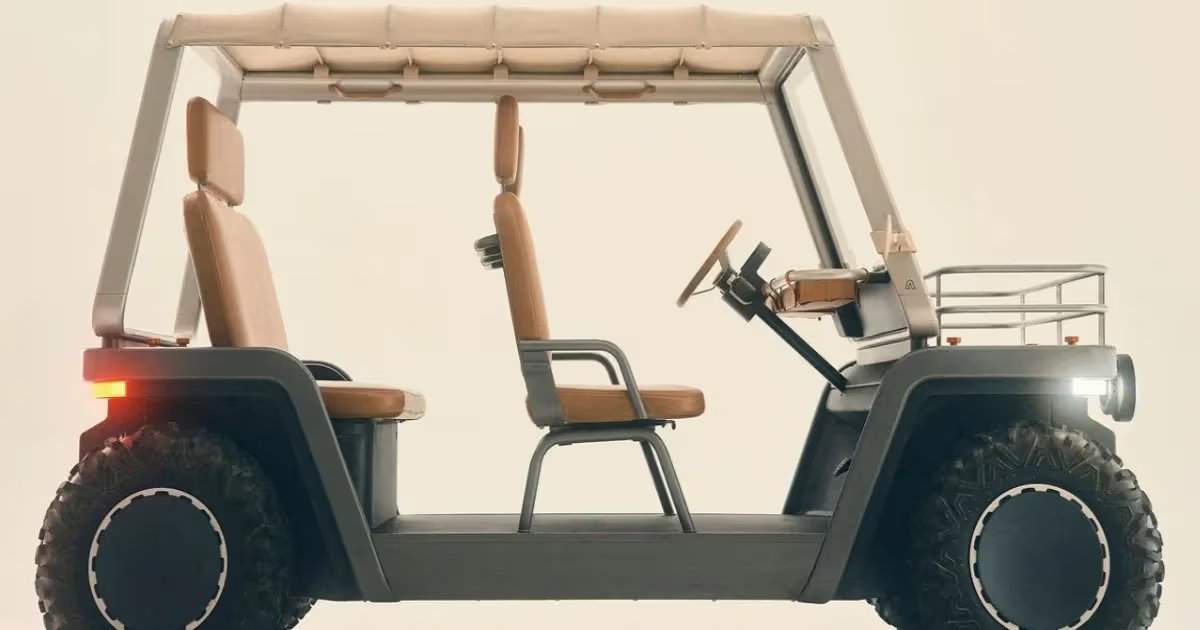
The Amble One, created by a team that previously worked on Apple's canceled autonomous car project, offers a lightweight vehicle concept designed for short-distance travel. Its open, doorless design and lightweight body are key selling points for the high-end hospitality industry.
Adrien Roose, CEO and co-founder of Amble, previously founded the high-end electric bike brand Cowboy. Design lead Julian Hoenig spent years at Audi before joining Apple's design team, contributing to the design of the Apple Watch, Vision Pro, and the Project Titan car project. Hoenig stated that no elements from the canceled Apple car project were directly incorporated into the Amble One, but the design philosophy from Cupertino remains—choosing materials suited to the function, with the final form determined by the manufacturing process.
"I've always loved the lunar rover. It's wonderful and not complicated—four wheels and a skateboard chassis," Hoenig told WIRED magazine, directly referencing NASA's Lunar Roving Vehicle.
Weighing less than 450 kilograms, the Amble One complies with European L7e vehicle standards, allowing it to be driven on public roads. It has a range of over 60 miles, a top speed of 40 mph, and a charging time of 5 hours using a standard household outlet. The open, doorless design is not just an aesthetic choice but also a strategy to meet strict weight targets. "If you take a car and just shrink it, it doesn't work," Roose explained.
Materials used include aluminum, leather, cotton, and cork. The flat front windshield "unapologetically" mimics the style of the classic Mercedes-Benz G-Wagon. The interior dashboard crossbar has the same diameter as a motorcycle handlebar, allowing standard bicycle accessories to be mounted directly. Large orange screws throughout the body mark all removable or reconfigurable parts. The electric platform is deliberately exposed, similar to the $38 million NASA lunar rover. "You can see the skateboard chassis," Hoenig said. "Then we add stuff on top."
The rear seats fold completely flat, a waterproof canvas roof option is coming soon, and a lockable front storage compartment will replace standard baskets. Hard doors are not planned, but a second platform, codenamed "Amble Two," is in development, scheduled for release in 2029, which will be closer to a traditional car with removable doors, a lower roofline, and a hardtop. This model aims to replace a family's second car.
"Most families don't need two $50,000 BYDs or Teslas," Roose said. "A family's second car can be designed for a specific purpose, for short trips—and it can be simpler, more fun, more open, and more affordable." This market has also attracted the attention of major automakers, with the Citroen Ami (28 mph top speed, 46-mile range) being a typical example. Stellantis, owner of Citroen, recently announced plans to expand production capacity for its ultra-mini electric vehicles. Roose commented, "This is the beginning of a turning point."
Amble says it has 12 signed clients with orders for over 500 vehicles, representing contract revenue exceeding 10 million euros. Orders have been placed by luxury properties including Amangiri in Utah, Mustique Island, Six Senses Les Bordes in the Loire Valley, and Na Praia in Comporta. The first deliveries of the Amble One to the hospitality industry will begin in mid-2027. Meanwhile, pre-orders for consumers in Europe and the United States are open, with deliveries starting in 2028 at a starting price of $25,000.
"Many micro-mobility companies started in the urban market, trying to compete with everyone, and we all know that hasn't been successful so far," Hoenig said. "We took a different approach: building the brand as a premium brand, then gradually entering the urban market." This top-down approach differs from other small EV startups that directly target the mass market. By partnering with luxury hotel clients, Amble builds credibility and a premium image before entering the personal consumer market.
In terms of specifications, the Amble One may seem simple, but its design execution and material quality set it apart from competitors like the electric Moke. From the orange screws to the motorcycle-style dashboard crossbar, every detail reflects a mature design approach. Could this car be the option that makes people give up their second gasoline car? With a price comparable to urban EVs, a unique design, and a clear target market, it offers an attractive proposition. For tech and design enthusiasts, the Amble One demonstrates how Apple's design approach can be applied to the automotive industry, and the team's experience at big tech companies proves it can foster cross-industry innovation. A strong founding team, solid early orders, and a clear market strategy are valuable assets for Amble, but challenges of mass production and competition from giants like Stellantis remain to be addressed. The Amble One is more than just a luxury golf cart; it heralds a future where electric mobility can be more personalized, more fun, and more thoughtfully designed, much like products from Cupertino.
This article is compiled by Wedoany. All AI citations must indicate the source as "Wedoany". If there is any infringement or other issues, please notify us promptly, and we will modify or delete it accordingly. Email: news@wedoany.com
Related Products
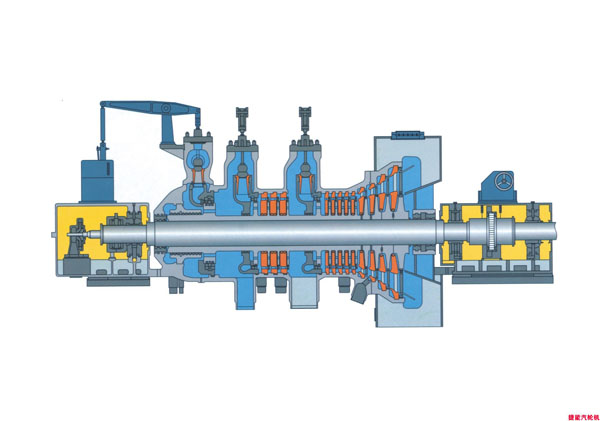




Industrial and Commercial Point-Type Gas Detector
Jinan Benan Technology Development Co., Ltd.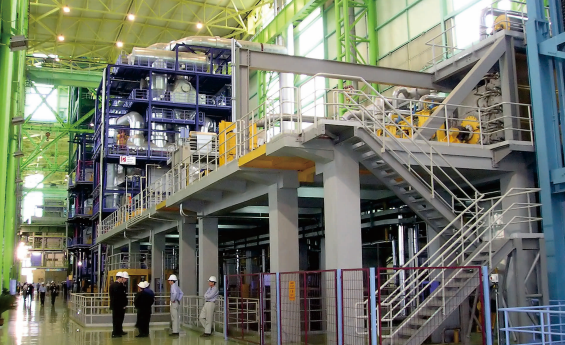
Strip Coating and Plating Production Line Equipment
MCC-SFRE HEAVY INDUSTRY EQUIPMENT CO., LTD.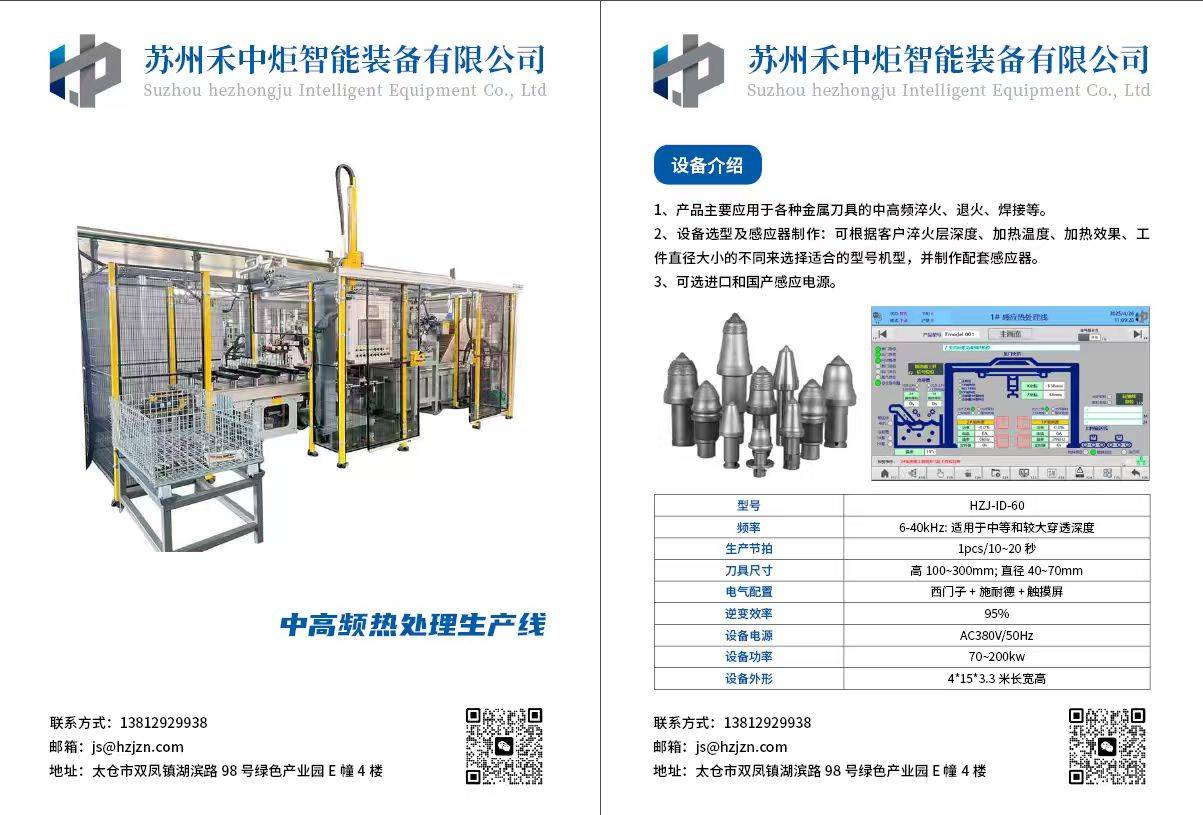
Excavator Bucket Teeth Heat Treatment Production Line
Suzhou Hezhongju Intelligent Equipment Co., Ltd.
High-Speed Railway Lifting, Transporting, and Erecting Equipment: Integrated Transport and Erection Machine
Hanjiang Heavy Industry Co., Ltd. of China Railway 11th Bureau Group
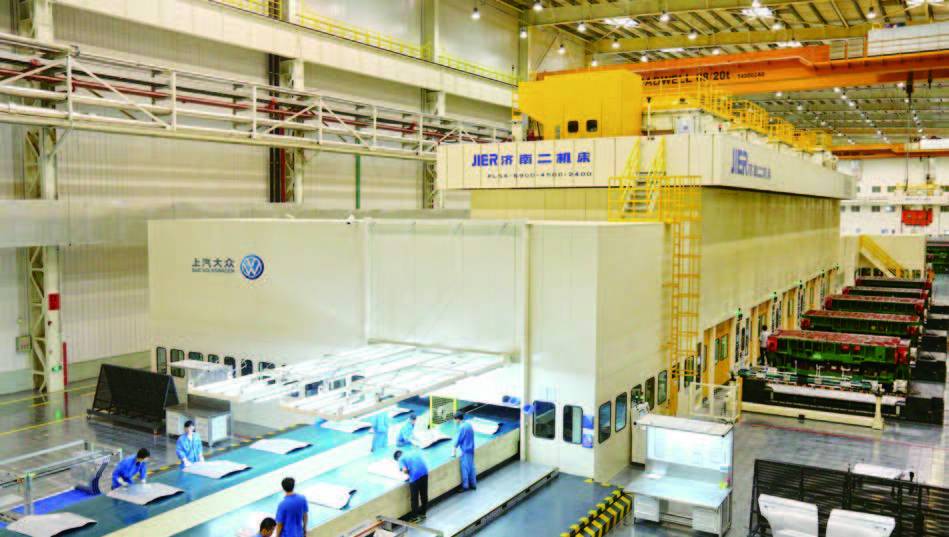
High-Speed Flexible Fully Automatic Stamping Production Line
JIER Machine-Tool Group Co., Ltd.