Novgorod State University Develops New Fuel Tank for "Volga" Cars with Triple Wall Thickness
en.Wedoany.com Reported - Novgorod State University has developed a new enlarged fuel tank for the "Volga" series of cars (GAZ-24 — GAZ-31105), manufactured using aluminum, making it stronger, lighter, and more corrosion-resistant compared to standard factory tanks.

One of the project authors, Alexander Kube, told TASS that the standard fuel tank for the "Volga" model is made of thin steel sheet, which is prone to rust and heavy in weight during use. The new tank switches to aluminum, effectively reducing weight and completely solving the corrosion problem. Engineers also redesigned the tank's shape to maximize the use of space under the vehicle chassis, increasing capacity without significantly altering the vehicle's structure. The wall thickness of the new tank is approximately three times that of the standard tank, which developers believe will significantly enhance impact resistance and reduce the risk of fuel leakage due to collision damage.
This development is primarily aimed at owners who use classic "Volga" models for long-distance driving, travel, and participation in retro events. Currently, the standard fuel tank capacity for the GAZ-24 model is about 55 liters of fuel, which may sometimes be insufficient for long journeys. The developers have not yet disclosed the specific increased capacity of the new tank.
The first prototype sample has been manufactured and installed on a test vehicle, passing preliminary verification, including fuel filling and functional checks. To maintain compatibility with production vehicles, the new tank retains the standard filler neck with a rubber hose and features an interface for the check valve system. Next, the team plans to conduct tests at a closed proving ground to verify the tank's reliability and safety under various operating conditions. Subsequently, the developers need to complete the registration of structural changes with the State Traffic Safety Inspectorate (GIBDD). Only after all these steps are completed can the tank enter mass production.
This article is compiled by Wedoany. All AI citations must indicate the source as "Wedoany". If there is any infringement or other issues, please notify us promptly, and we will modify or delete it accordingly. Email: news@wedoany.com
Related Products



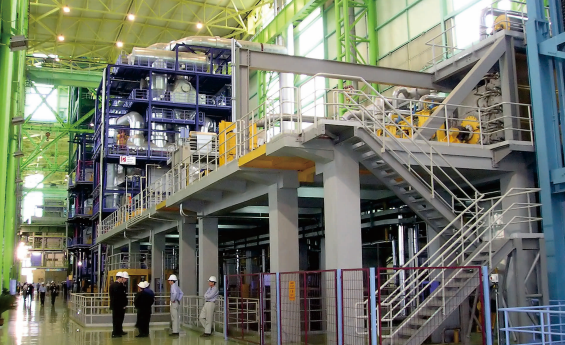
Strip Coating and Plating Production Line Equipment
MCC-SFRE HEAVY INDUSTRY EQUIPMENT CO., LTD.
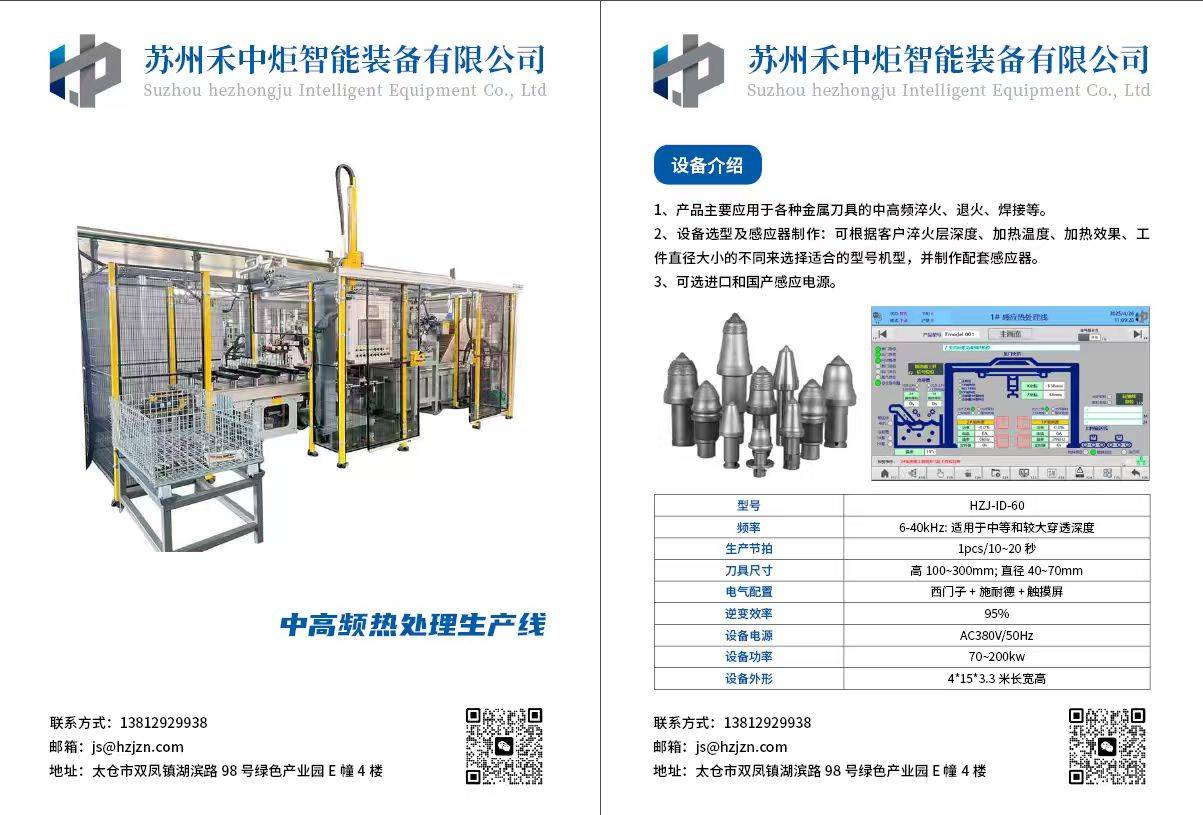
Excavator Bucket Teeth Heat Treatment Production Line
Suzhou Hezhongju Intelligent Equipment Co., Ltd.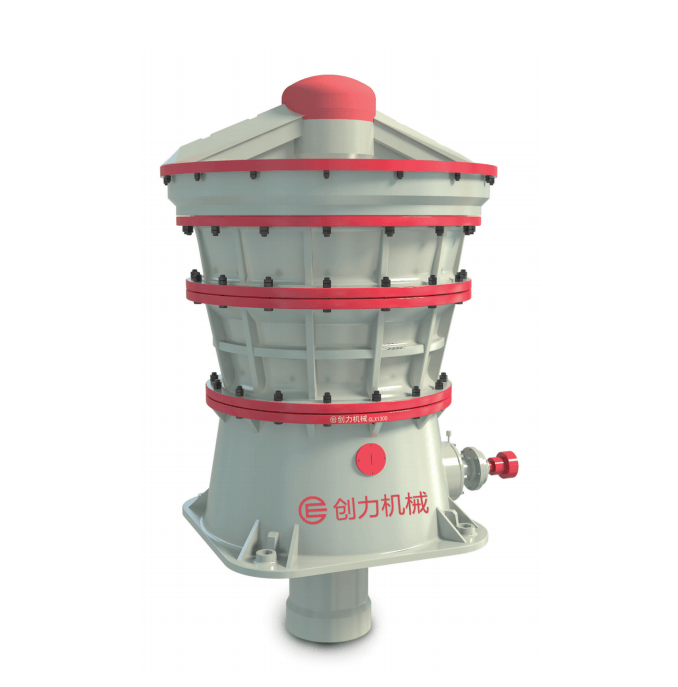
CLX Series Intelligent Hydraulic Gyratory Crusher
Guangdong CHUANGLI intelligent machinery Equipment Co., LTD

Industrial and Commercial Point-Type Gas Detector
Jinan Benan Technology Development Co., Ltd.

CAP1400 main feedwater flow nozzle flowmeter.
Jiangsu Hongda Instrument Technology Co., LTD.