ADB Approves $63.44 Million for Cambodia's 500 MWh Energy Storage Project
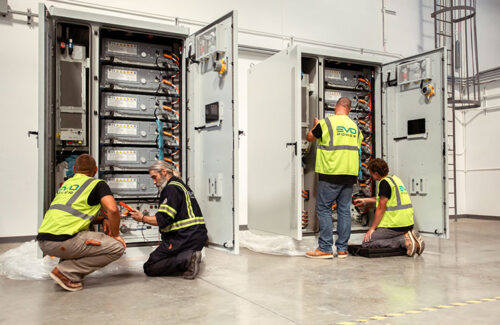
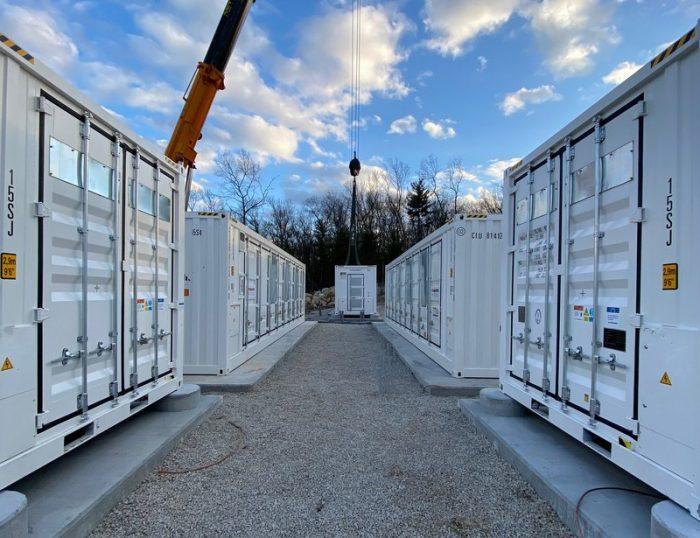
en.Wedoany.com Reported - The Asian Development Bank (ADB) has approved the Royal Government of Cambodia's request for financial support for a 250 MW/500 MWh battery energy storage project. The multilateral development financial institution announced on June 24 the approval of a $63.44 million funding package for the construction of a battery energy storage system at the Takeo substation in southern Cambodia.
The financing includes a $40 million concessional loan and a $5 million Asian Development Fund grant, along with $18.44 million in co-financing from the Global Green Climate Fund (GCF) and the UK government through the ASEAN Catalytic Green Finance Facility (ACGF). According to BloombergNEF data, the global average cost of a 2-hour turnkey battery energy storage system in 2025 is $124/kWh, and the ADB funding could cover most of the project's costs. The ASEAN Catalytic Green Finance Facility (ACGF) is an initiative launched by the ASEAN Infrastructure Fund in 2019 to accelerate green infrastructure investment across the Association of Southeast Asian Nations (ASEAN) member states.
The ADB and the state-owned utility Electricité du Cambodge (EDC) issued a tender invitation on June 22 for the project's design and construction, which will be equipped with grid-forming inverter capabilities. The primary application of the project is to integrate variable renewable energy into the power grids serving industrial zones, agricultural processing facilities, and urban areas. Additionally, the project will facilitate cross-border electricity trading with Vietnam under the ASEAN Power Grid initiative, with grid-forming functionality enabling the asset to participate in frequency control to stabilize the grid—a service historically provided by the rotational inertia of thermal and hydro turbine generators.
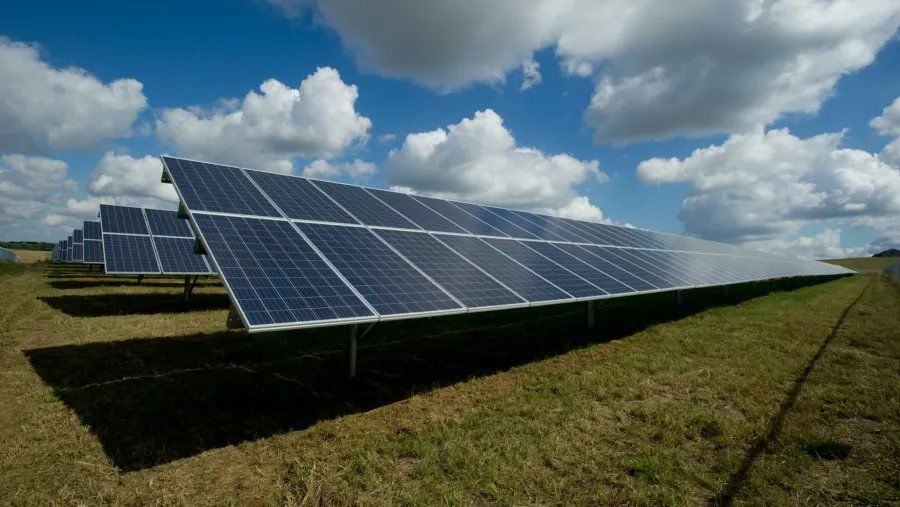
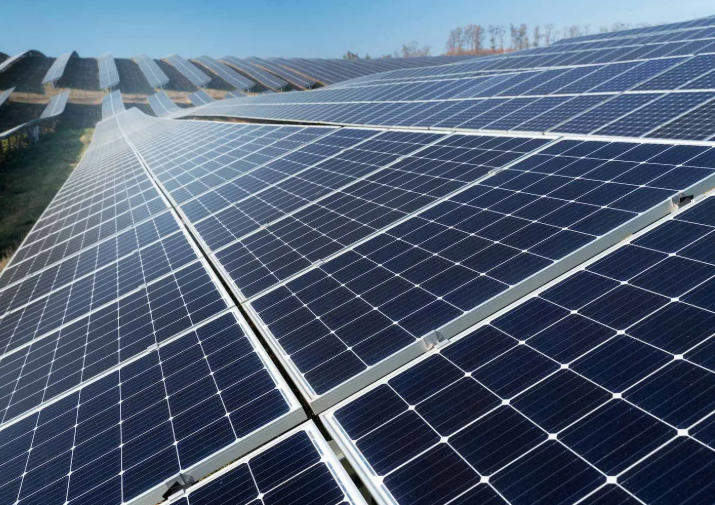
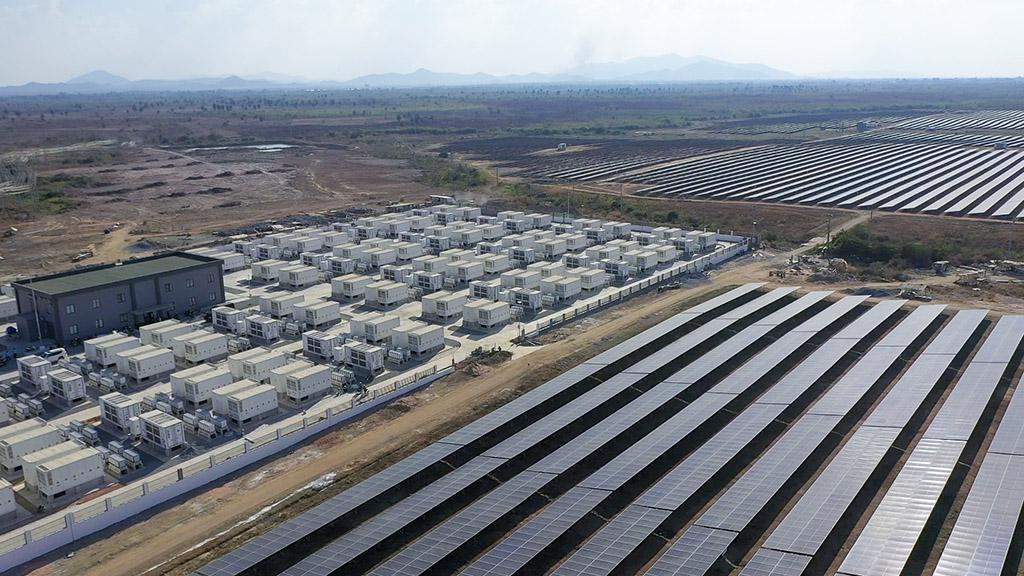
In March of this year, Cambodia's first grid-forming battery energy storage system project commenced operations—a 500 MW/1000 MWh asset co-located with a large-scale solar photovoltaic installation in Pursat Province, western Cambodia.
The open competitive tender will follow the ADB's single-stage, single-envelope bidding procedure. The deadline for bid submission is 10:00 AM (Cambodia local time) on August 20, 2026, and the works must be completed within 12 months from the contract effective date. Bid conditions include: providing a supply record equivalent to at least 75% of the total value of previous battery energy storage system contracts within three years from the bid submission date; completing or implementing at least 2 GWh of grid-connected or microgrid battery energy storage system projects as a main contractor, joint venture member, or supplier within the past five years; and participating as a contractor, joint venture partner, supplier, or subcontractor in at least two successfully completed battery energy storage system projects (each with a contract capacity exceeding 100 MWh and performing frequency control) within the past five years, with each project having been fully operational for at least one year and a cumulative contract value exceeding $13 million. Bidder net asset and annual turnover conditions require an average annual turnover of at least $83 million over the past five years and current contractual financial obligations of at least $13.7 million.
The ADB stated that the project will help reduce Cambodia's energy sector dependence on expensive and polluting imported fossil fuels and support the adoption of renewable energy. Cambodia's Power Development Master Plan 2022-2040 targets a 70% share of renewable energy in installed capacity by 2030. The country's power generation mix already comprises 63% renewable energy, largely due to abundant hydropower resources. Minister of Mines and Energy Keo Rottanak stated in March that the country is on track to achieve this target, placing it well ahead of the ASEAN goal of 35% renewable energy by 2030. However, Cambodia's imported fossil fuels remain vulnerable to price volatility.
Yasmin Siddiqi, ADB Country Director for Cambodia, stated that amid the global energy crisis, this project further strengthens Cambodia's commitment to the clean energy transition. By utilizing advanced battery storage to reinforce the grid, it is helping the country unlock more renewable energy while ensuring that households, farmers, and businesses benefit from secure, stable, and affordable electricity. An initial environmental assessment published in December 2025 and a social safeguard due diligence report released in January of this year provide further details on the planned project.
This article is compiled by Wedoany. All AI citations must indicate the source as "Wedoany". If there is any infringement or other issues, please notify us promptly, and we will modify or delete it accordingly. Email: news@wedoany.com