WindEurope Releases Policy Paper on Physical Security of Offshore Wind
en.Wedoany.com Reported - WindEurope has released a new policy paper on the physical security of offshore wind energy infrastructure, emphasizing that the protection of offshore wind farms must be considered an integral part of energy security. Currently, energy infrastructure in European waters is increasingly facing risks of sabotage, disruption, and hybrid activities.
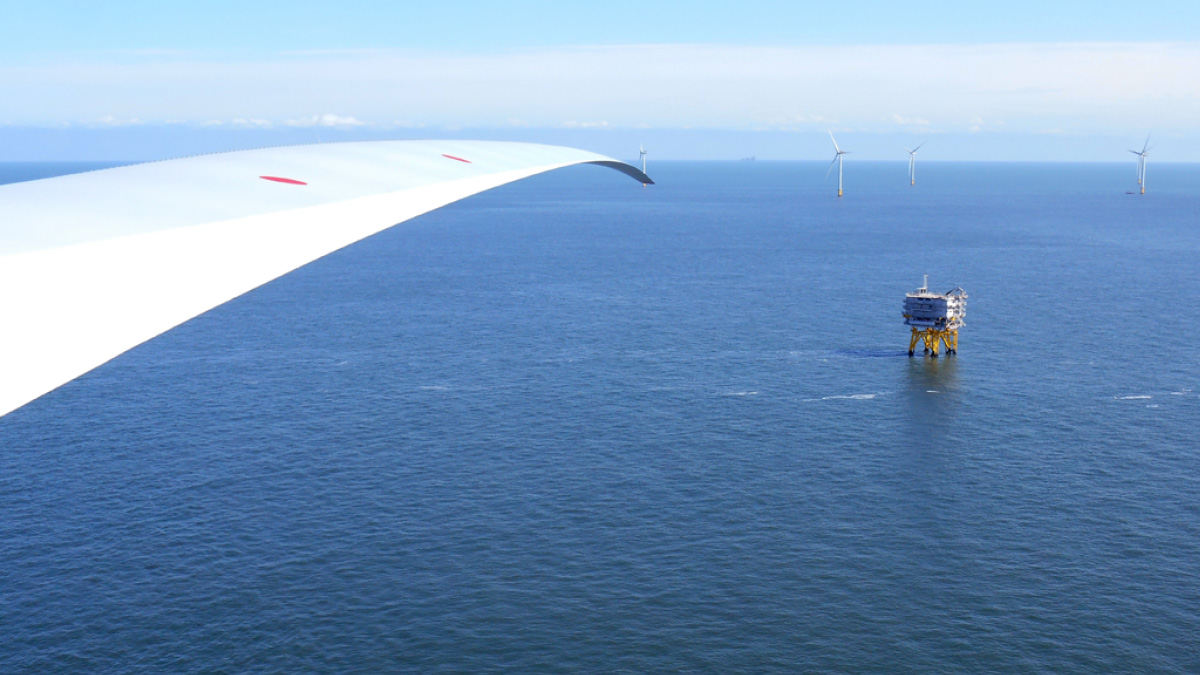
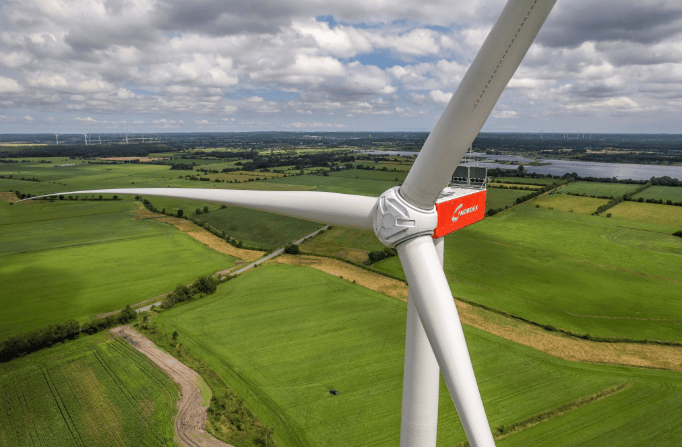
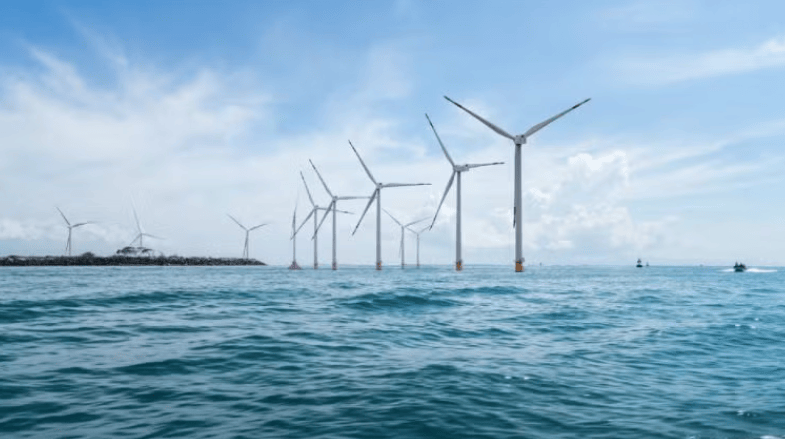
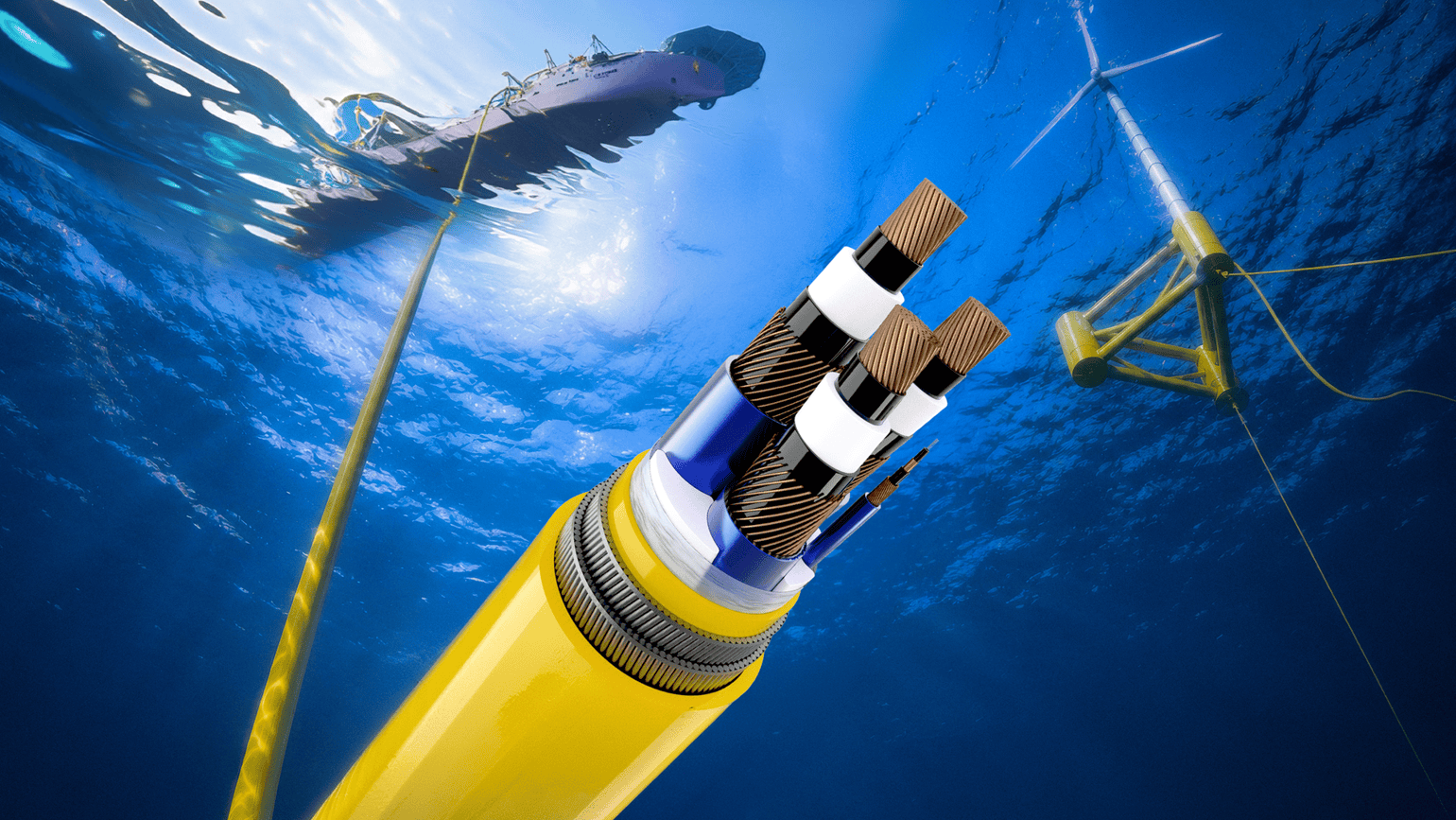
Offshore wind assets, including export cables, substations, and wind turbines, are distributed across vast maritime areas and are inherently difficult to protect. Any disruption would impact the power grid, industrial users, and households. At the Hamburg North Sea Summit, governments have reached a consensus: protecting offshore wind farms is a shared European responsibility, requiring coordinated governance, situational awareness, and a clear funding framework.
WindEurope CEO Tina van der Straeten stated that through this policy paper, the European wind industry emphasizes that the physical security of wind turbines must be risk-based, with costs proportionally shared and responsibilities clearly delineated between governments and the industry. She noted that wind turbines are critical energy infrastructure.
The paper proposes a civilian, proportionate, and risk-based approach to physical security. The physical security of wind energy infrastructure should be integrated into the early design of projects, implemented through stable regulatory and permitting frameworks, rather than addressed through auctions. Security is a prerequisite, not a competitive space. Offshore wind farms, as civilian assets, should not be militarized. Offshore wind operators are not security actors. States remain responsible for defense, response, and law enforcement. Offshore wind developers are responsible for asset-level protection, and when security measures also support broader national security, they may receive public co-funding. The developer's role is to detect, record, and report anomalous activities. Uncoordinated regulatory changes would have a critical impact on the bankability of offshore wind.
The key to protecting European wind turbines lies in deterrence through detection, adopting risk-based measures, and clear coordination with public authorities. Being risk-based means relying on transparent, site-specific threat and risk assessments, defined early in the project lifecycle, to enhance resilience without compromising competitiveness, bankability, or deployment speed.
Wind energy is strategic and critical infrastructure. Its physical protection is a prerequisite for energy security. In an increasingly uncertain world, Europe can only keep the lights on through early planning, clear governance, and close cooperation between the industry and public authorities.
Read the policy paper
Offshore wind reliably provides large amounts of indigenous electricity, reducing Europe's dependence on imported fossil fuels. Offshore wind turbines currently account for 4% of Europe's electricity generation, a share that will grow rapidly. North Sea countries alone have committed to 300 GW of offshore wind capacity by 2050, up from the current 39 GW. In the Baltic Sea, Poland is actively preparing to become a new offshore wind leader, with the first operational wind turbines already in the water. Floating wind is expected to enable Spain, the host country of the WindEurope annual conference, and other Southern European countries to develop their offshore wind potential.
This article is compiled by Wedoany. All AI citations must indicate the source as "Wedoany". If there is any infringement or other issues, please notify us promptly, and we will modify or delete it accordingly. Email: news@wedoany.com
Related Products

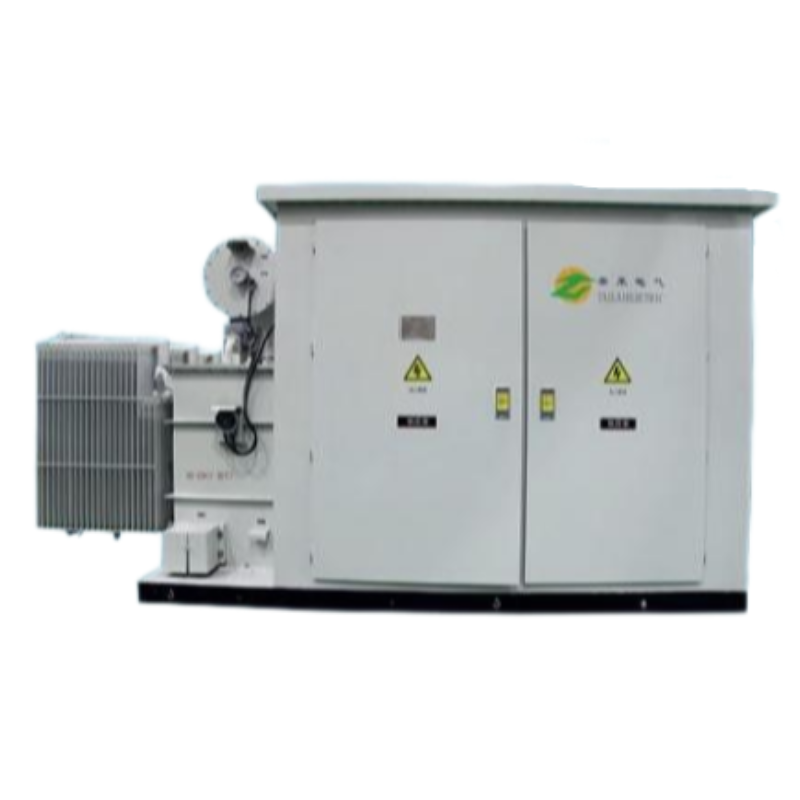
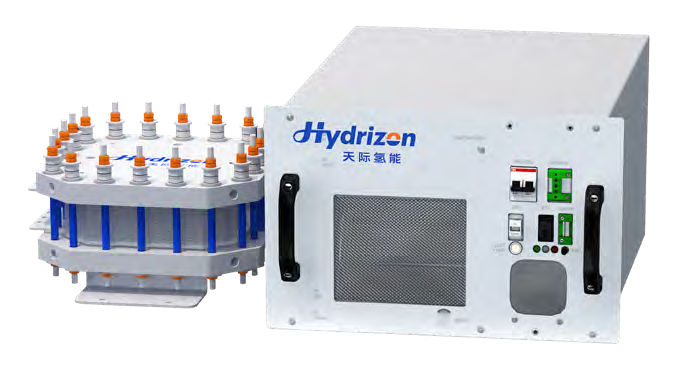
HI-Pro Green Hydrogen High-efficiency Production System-HI-PRO-AEM
Hydrizon Technology (Beijing) Co., Ltd.

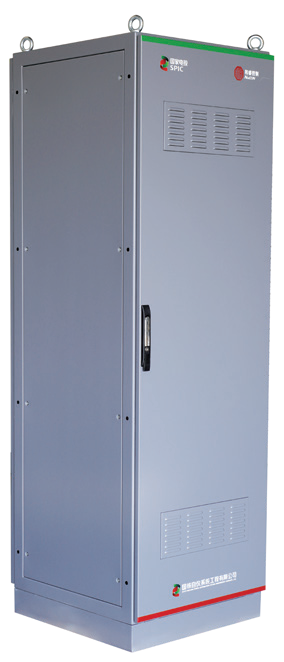

Hydrogen production and hydrogenation charging refueling gas integrated energy station
Shenzhen Kohodo Hydrogen Energy Co., Ltd.
1000kV Jin Southeast-Nanyang-Jingmen UHV AC Transmission and Transformation Pilot Demonstration Project
Anhui Hongyuan Steel Tower Co., Ltd.