en.Wedoany.com Reported - The U.S. has approximately 26 GW of excess generation capacity, providing an additional buffer beyond planned reserves.
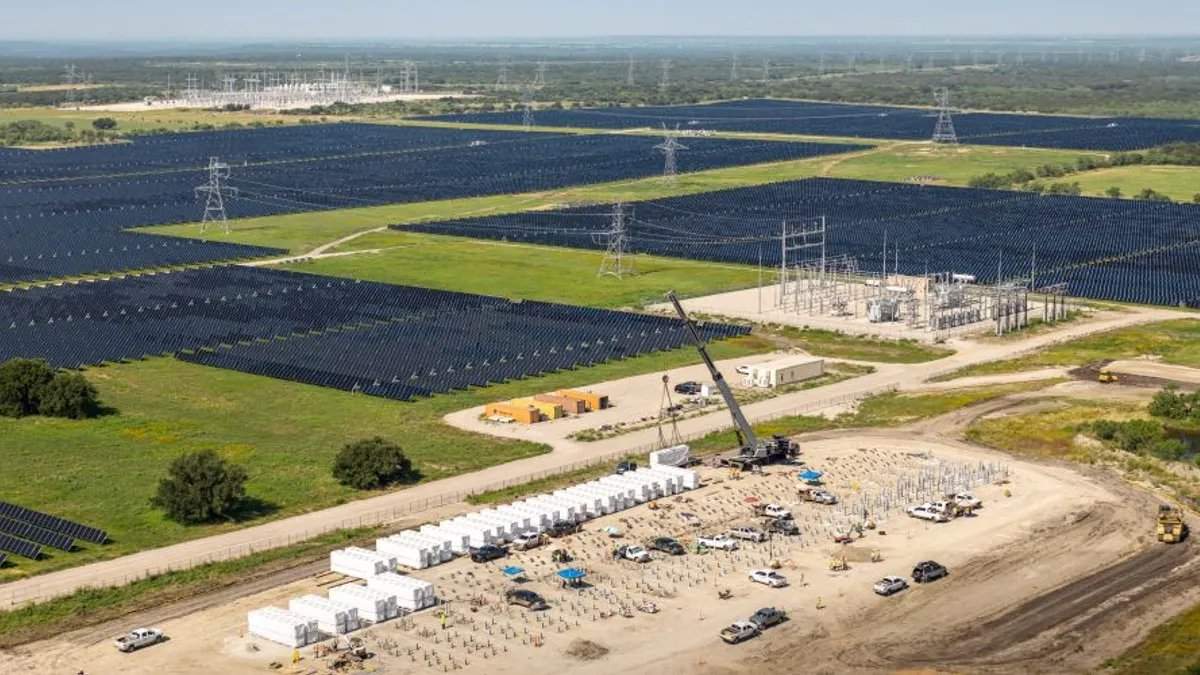
However, ICF analysts point out that electricity supply and demand conditions vary across regions and within regions.
Taking PJM Interconnection as an example, the consulting firm expects its demand to surge 43% by 2035 compared to 2026 levels. In contrast, demand in the area served by the New York Independent System Operator will grow by only 14% over the same period.
ICF analysts say that in high-growth regions, there is little to no spare capacity to absorb new demand. As a result, some new large-load connections are being delayed until sufficient infrastructure is built and reliable power supply is ensured.
The report notes that PJM Interconnection and the Electric Reliability Council of Texas have no reserve capacity to support demand growth beyond next year. ICF analysts say the Southeast and New York regions may face similar constraints in a few years.
ICF analysts state that generation facilities are under construction to meet demand growth, but timing and scale are critical.
Analysts expect 68 GW of generation capacity to come online this year, 76 GW in 2027, and approximately 100 GW annually for the following three years.
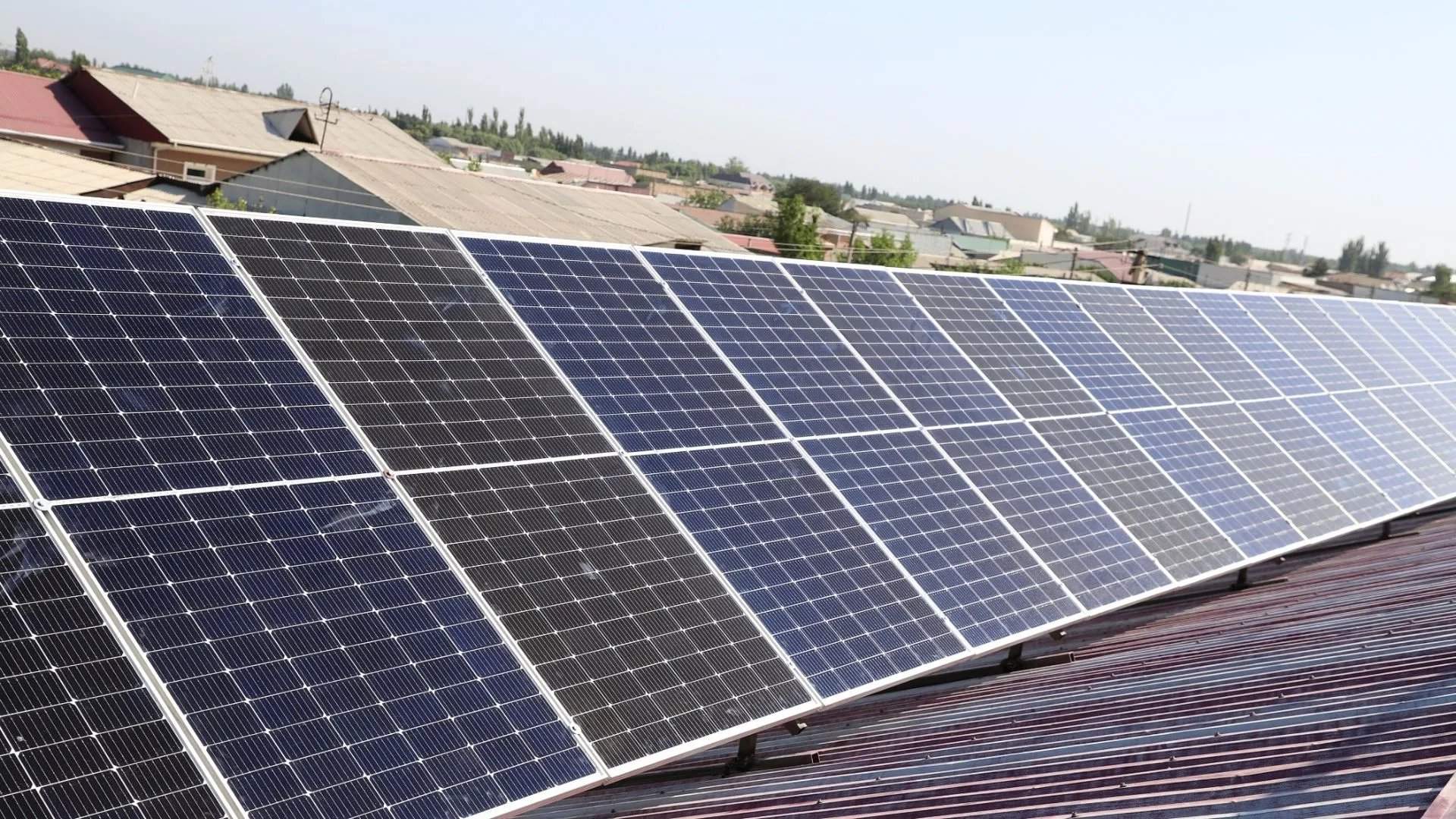
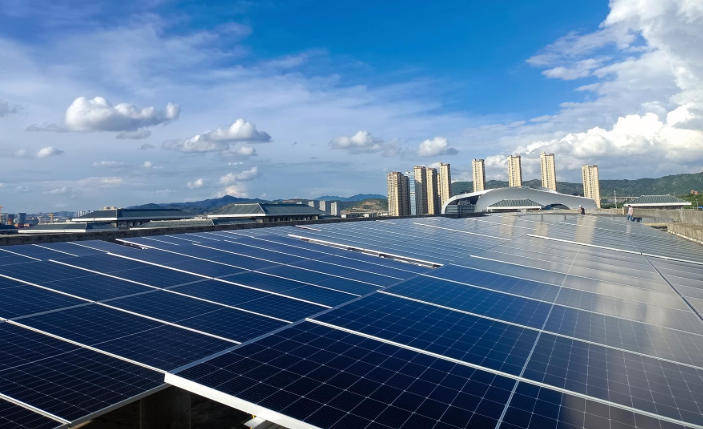
By 2030, ICF expects new installed capacity to include: 177 GW of solar, 120 GW of battery storage, 77 GW of front-of-the-meter gas generation, and 62 GW of onshore wind.
ICF notes that, depending on market and operating conditions, 1 GW of solar can generate 1 to 3 terawatt-hours per year, while 1 GW of combined-cycle gas can generate 6 to 8 terawatt-hours per year.
The report says existing resources may affect the ability to respond to emerging loads in the short term.
ICF analysts indicate that in some regions, strategies such as repowering, delaying retirements, extending lifespans, co-locating resources, or behind-the-meter generation may help manage timing risks while new infrastructure is developed. While these options do not eliminate the need for investment in new generation, transmission, and distribution, they can influence where and how quickly new loads are served.
This article is compiled by Wedoany. All AI citations must indicate the source as "Wedoany". If there is any infringement or other issues, please notify us promptly, and we will modify or delete it accordingly. Email: news@wedoany.com
Related Products





Forest and Grassland Heat Source Infrared Monitor
China Huayun Meteorological Technology Group Co., Ltd.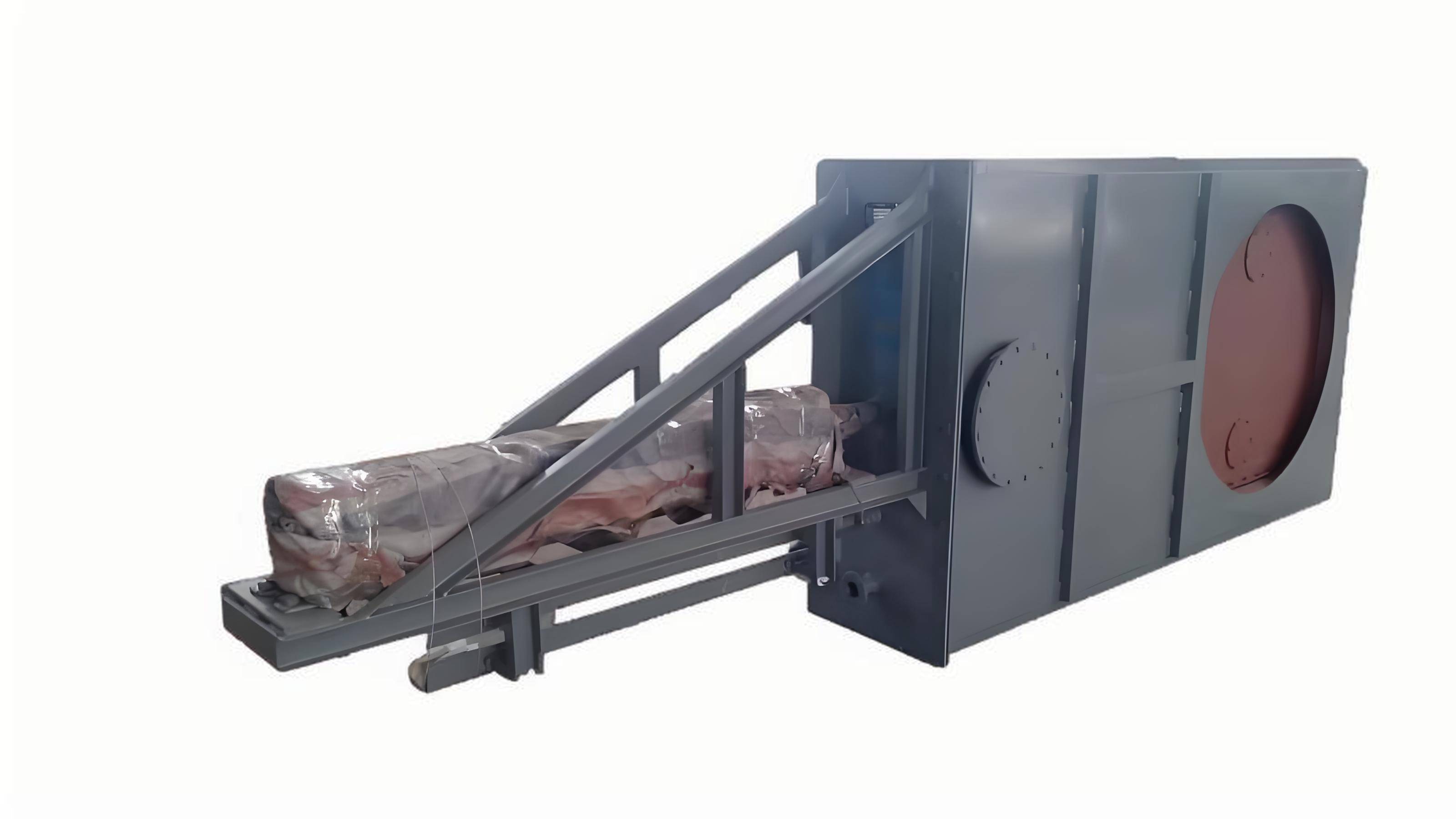
Double-slide Triple-sealed Hot Air Isolation Door
Xi'an Yingchuan Electric Power Equipment Co., Ltd.
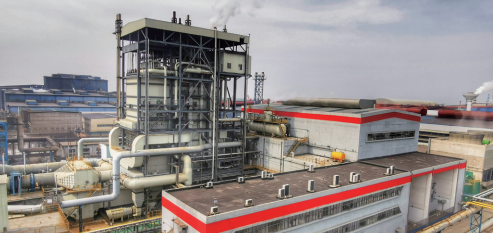
Jiujiang Pinggang 125MW Subcritical Gas Power Generation Project
Capital Engineering & Research Incorporation Limited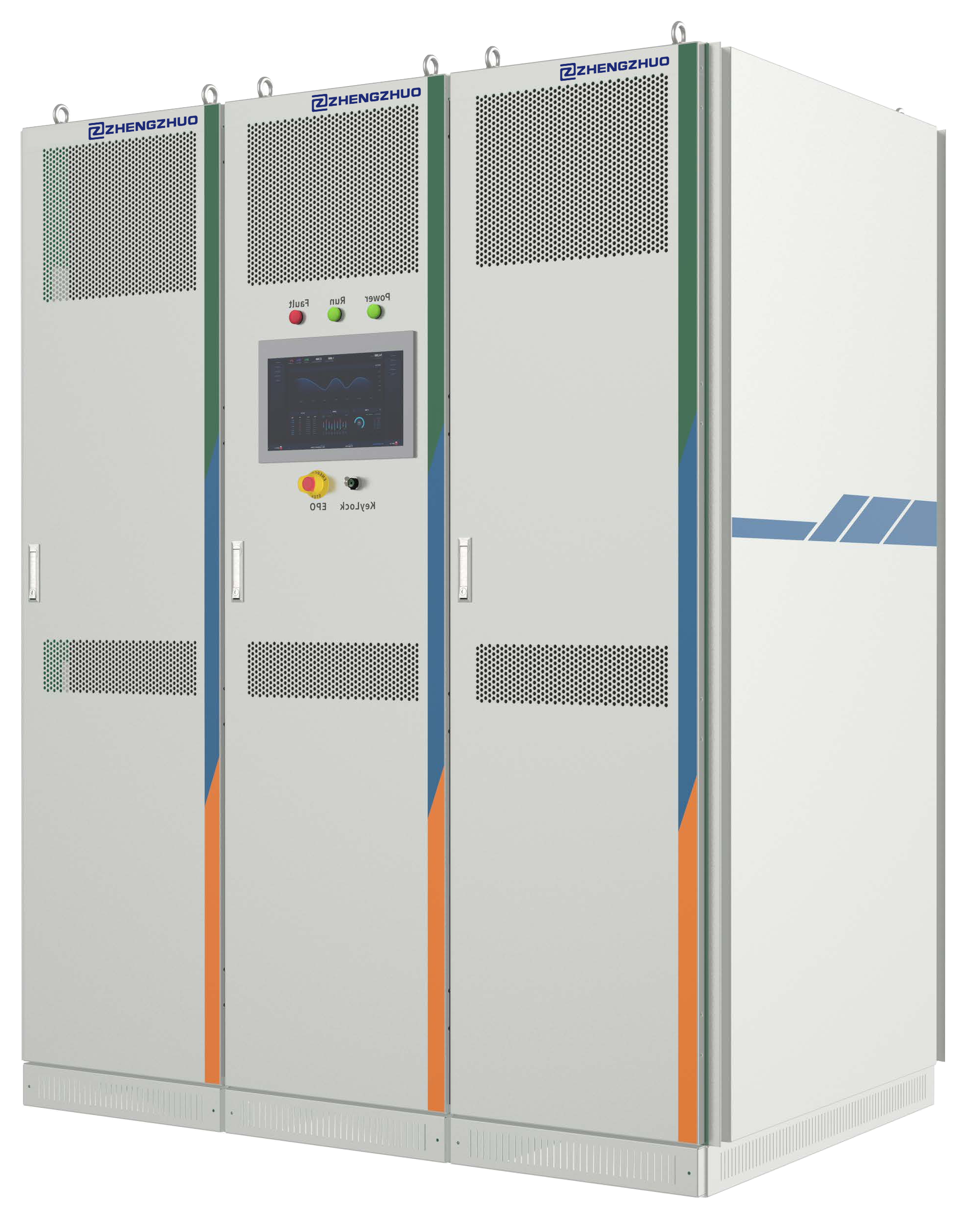
IGBT Hydrogen Production Power Supply - High Power Air Cooling
Beijing Zhengzhuo Engineering Technology Co., Ltd.