Germany and Austria Adopt IPD Partnership Model for Tunnel Project Delivery
en.Wedoany.com Reported - Germany and Austria are increasingly adopting innovative partnership-based models such as Integrated Project Delivery (IPD) to address the limitations of traditional delivery models for large-scale complex infrastructure projects like tunnel construction. These models aim to mitigate conflicts, claims, and inefficiencies often triggered by traditional bill-of-quantities and price-oriented tendering processes, managing complex risk profiles, long durations, and high uncertainty in cost and schedule forecasts through collaborative approaches.
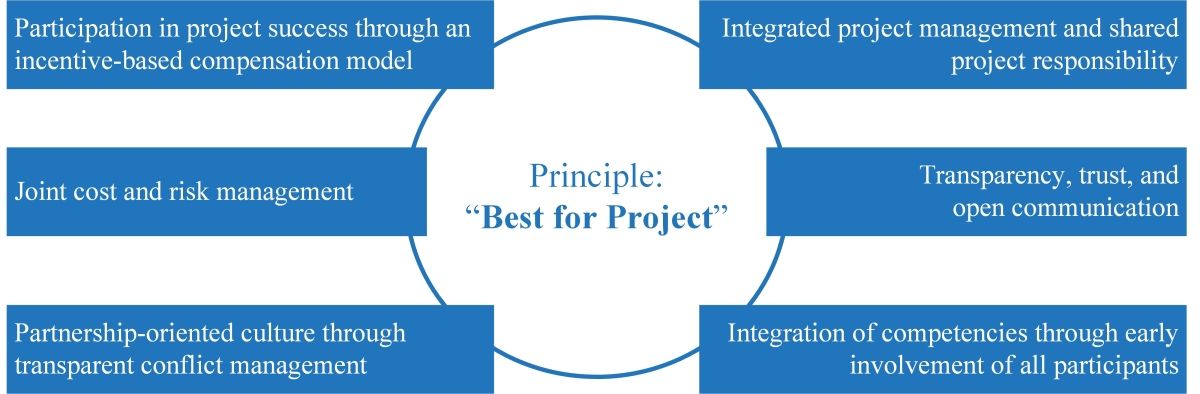
The IPD model and its variants, such as Collaborative Project Delivery (CPD) or the "Alliance Model" commonly used in Austria, despite differing names (e.g., "PM Railway" for Deutsche Bahn, "Progressive Partnership Contract Civil Engineering (PPT)" for Amprion GmbH, and "IPD Compact Model" in Bavaria), all adhere to the core guiding principle of "best for project," where project success takes precedence over individual interests. The goal is to foster cost-effectiveness, quality, and schedule adherence through collaborative, transparent, and results-oriented teamwork.
Implementation of the IPD model is based on several key principles: aligning the economic interests of clients and contractors through an incentive-based compensation model including shared target costs, open books, and reward/penalty provisions; implementing joint cost and risk management using probabilistic simulations to establish realistic target costs; fostering a cooperation-oriented culture through transparent conflict management; practicing integrated project management and shared project responsibility with joint decision-making by all participants; emphasizing transparency, trust, and open communication; and integrating capabilities through early involvement of key stakeholders. International experience, as well as completed IPD and alliance projects in Austria, indicates that this model helps improve cost and schedule reliability, reduce project risks, decrease contractual disputes, and enhance innovation, execution quality, and team culture.
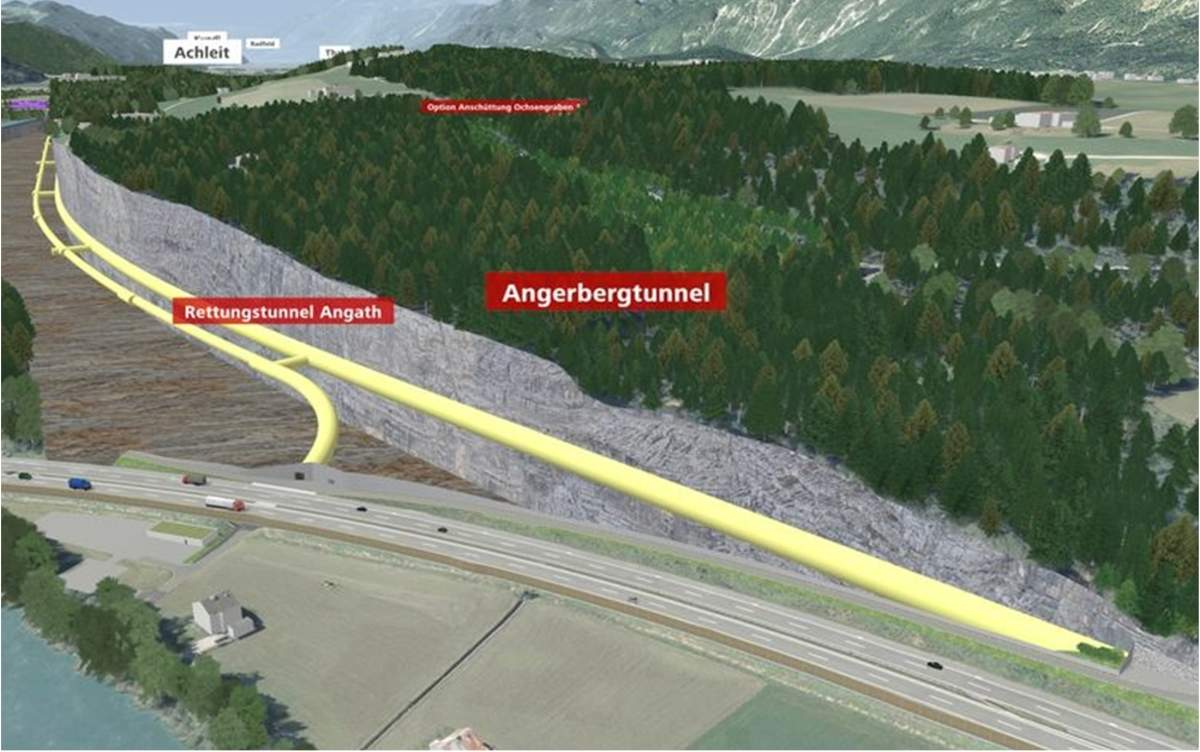
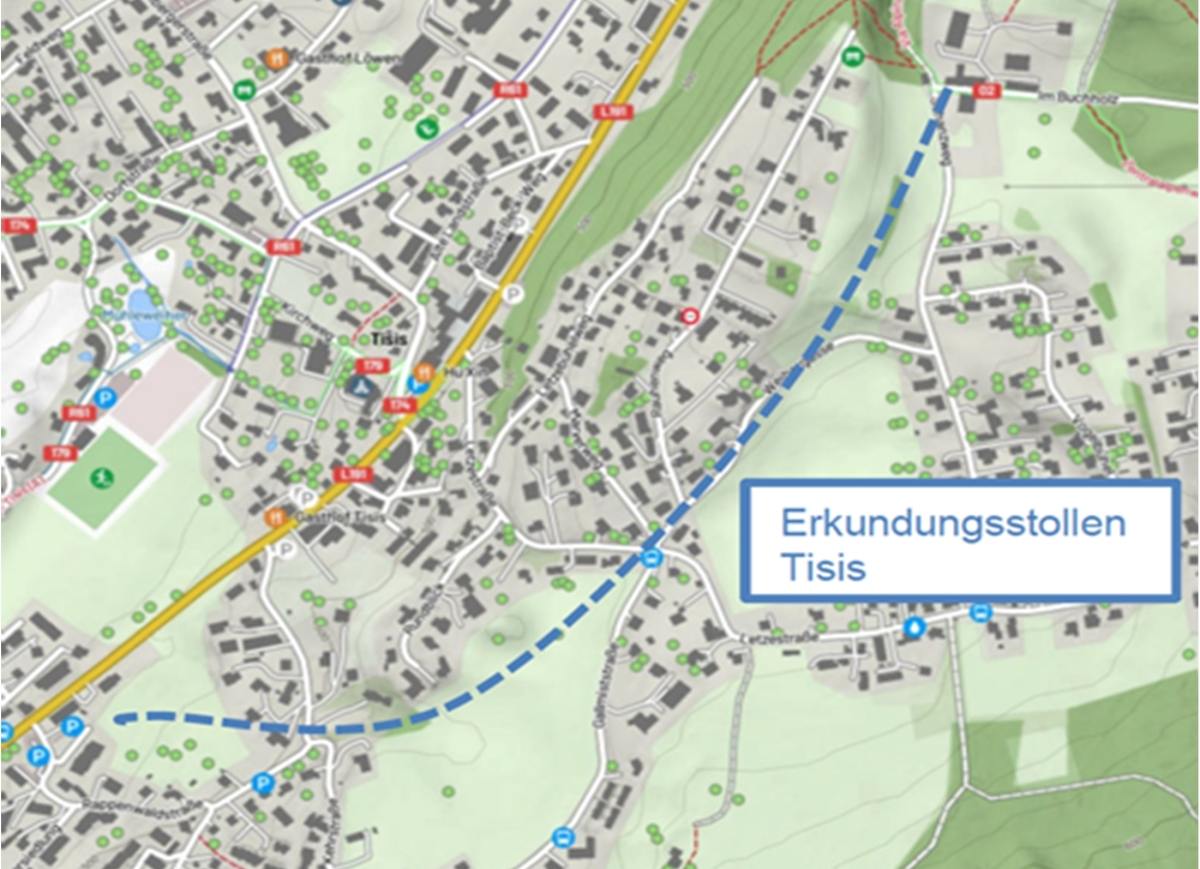
In Germany and Austria, numerous infrastructure projects are currently being delivered using IPD principles, with tunnel projects being particularly prominent. Successful examples in Austria include the Angath structure tunnel as part of the Brenner North Portal project, the Tisis exploration and rescue tunnel for the Feldkirch city tunnel, and the Schmitten tunnel rescue tunnel implemented under a "light" alliance model. Other planned or ongoing projects include the Landeck tunnel on the A12 motorway, the renovation of the Tauern and Katschberg tunnels on the A10 motorway, among others. In Germany, projects such as the Munich Second S-Bahn main line section VE734, the Pfaffensteig tunnel expansion on the Gäubahn Nord, the Fehmarn Belt crossing, and the Rhine and Elbe crossings by Amprion GmbH are also being planned or implemented.
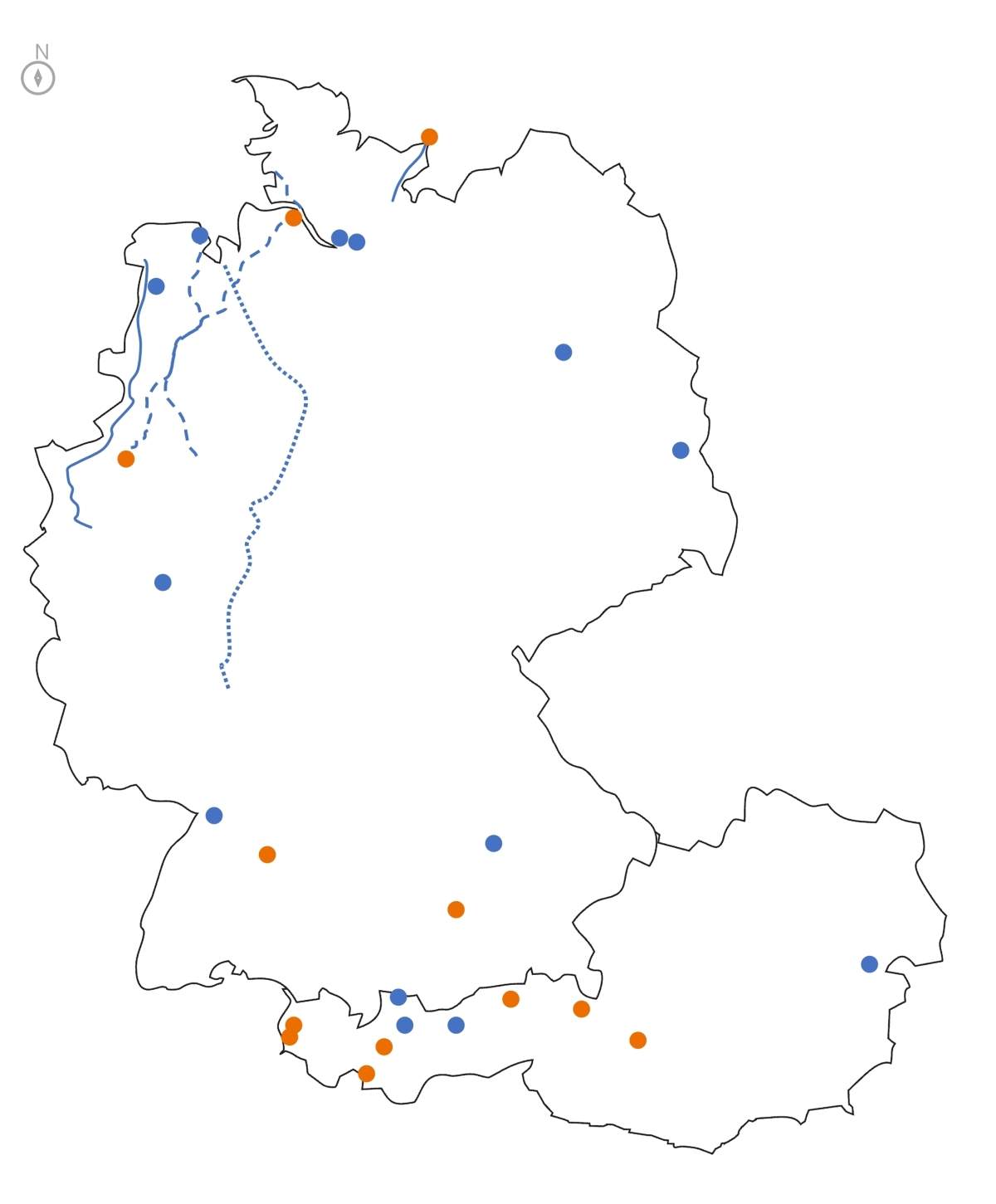
The effectiveness of these models has been validated. A study by the University of the Bundeswehr Munich (UniBw M) on the Gemeinschaftkraftwerk Inn (GKI), Austria's first tunnel project using an alliance contract, confirmed that the collaborative and proactive risk management under the alliance contract shortened construction time compared to unit-price contracts. These research findings and related experiences are systematically compiled by the IPD Innovation Hub (website www.ipd-hub.de) at the University of the Bundeswehr Munich. This platform, dedicated to collaborative construction project management, has systematically evaluated research results from over 20 domestic and international projects employing various collaborative models.
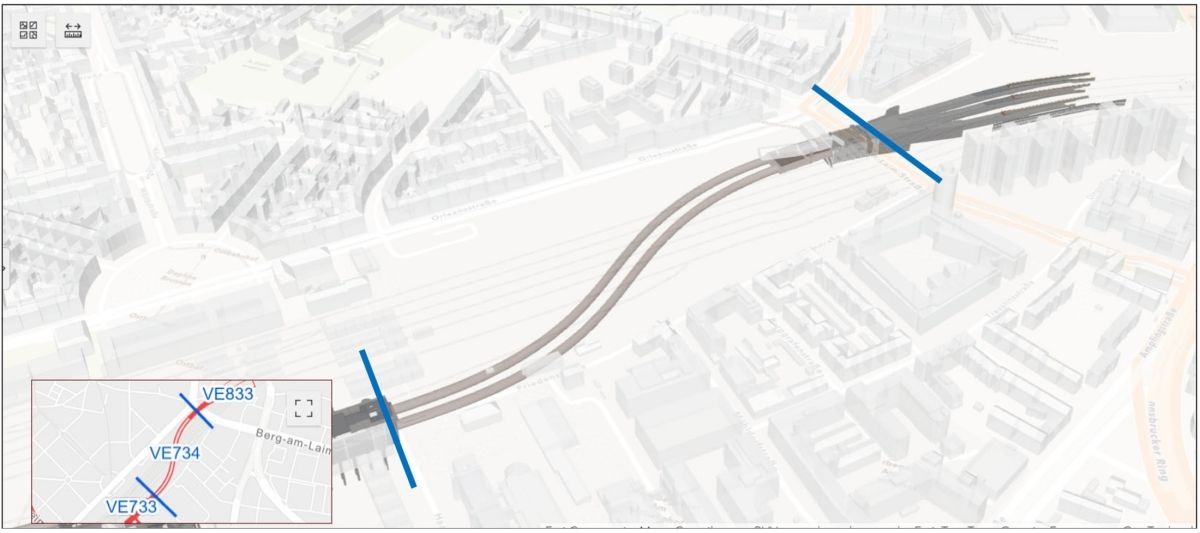
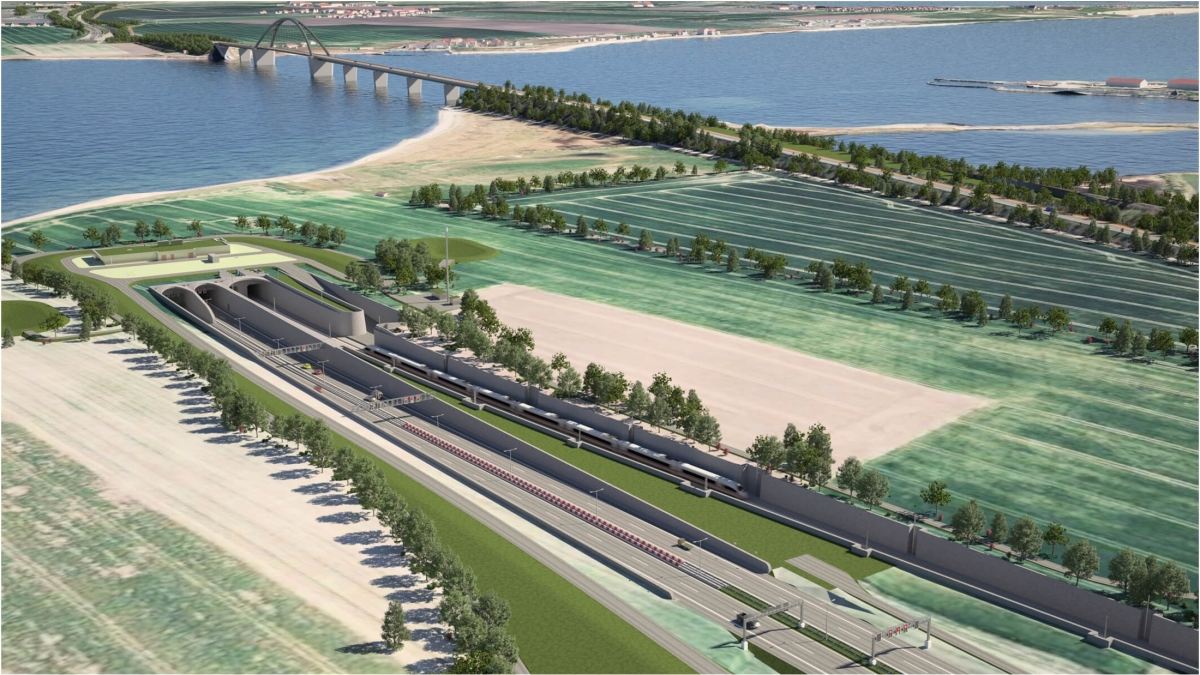
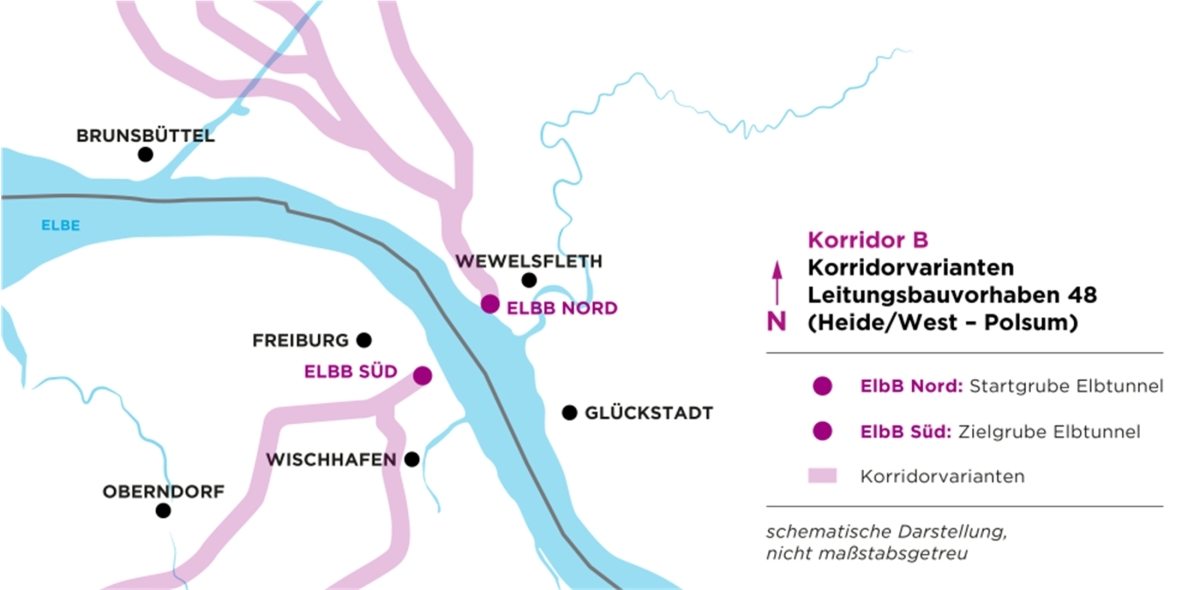
This series of publications aims to further present experiences and projects in IPD application, focusing on project delivery models, key success factors, and actionable insights. The next article will describe the model initiation process based on the Progressive Partnership Framework, including preliminary preparation, model development, and contract design. Information sources include research published by P. Sander et al. in the journal Tunnel (2022), M. Spiegl et al. in Geomechanics and Tunnelling (2024, doi: 10.1002/geot.202400050), and J. Koch et al. in THIS – Tiefbau, Hochbau, Ingenieurbau, Straßenbau (2024).
This article is compiled by Wedoany. All AI citations must indicate the source as "Wedoany". If there is any infringement or other issues, please notify us promptly, and we will modify or delete it accordingly. Email: news@wedoany.com
Related Products

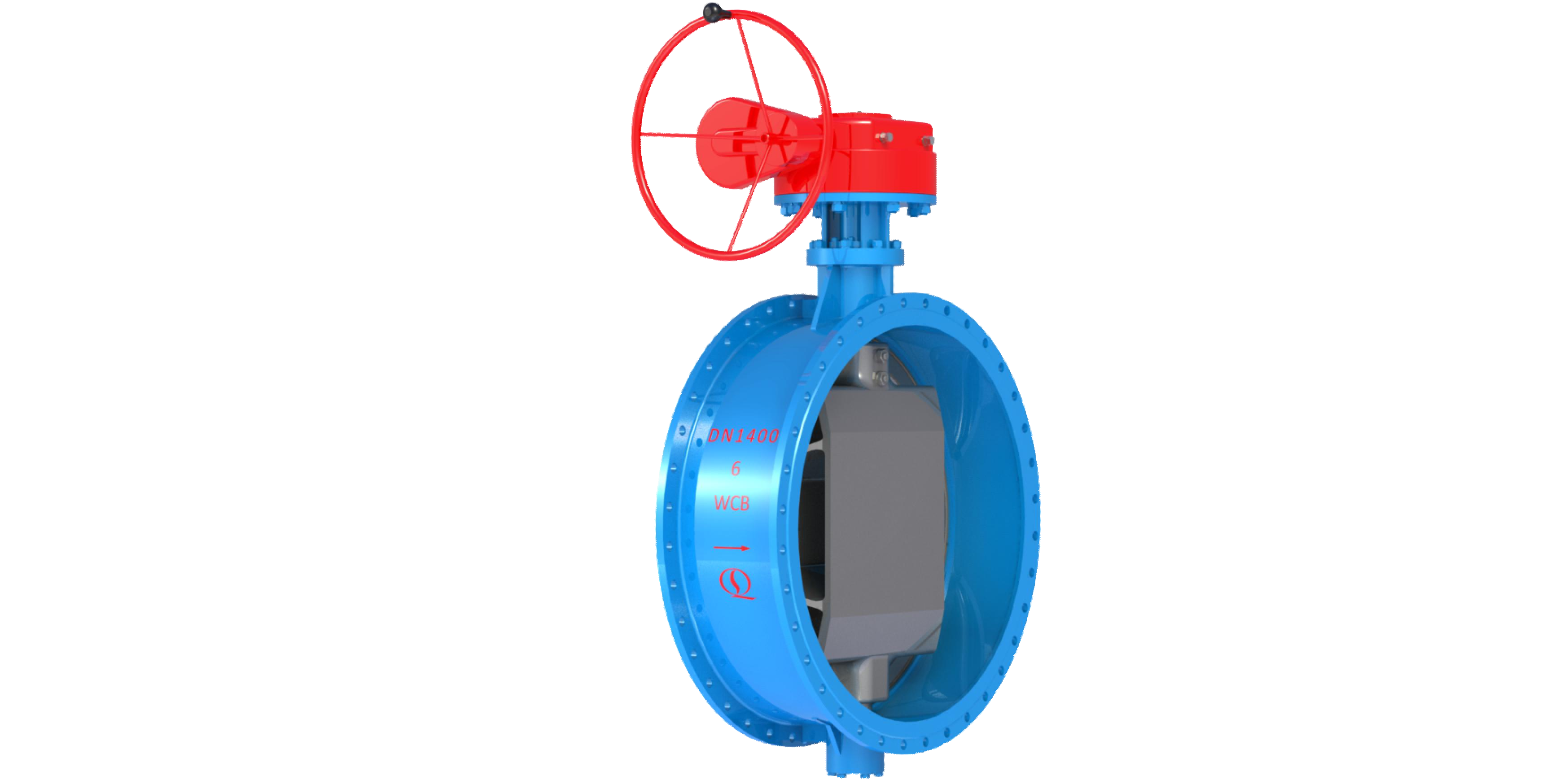
Bidirectional Metal Hard Sealed Seawater Butterfly Valve
Henan Quanshun Flow Control Science & Technology Co., Ltd.

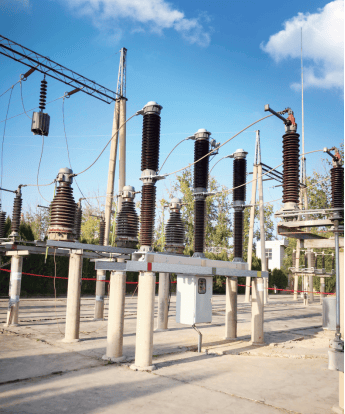
145kV Porcelain Column Type Sulfur Hexafluoride Circuit Breaker
TBEA ZONFA Shanghai High Voltage Switchgear Co., Ltd.
ERW Welded Pipe (Black Pipe and Hot-dip Galvanized Steel Pipe)
Handan Zhengda Steel Pipe Co., Ltd.