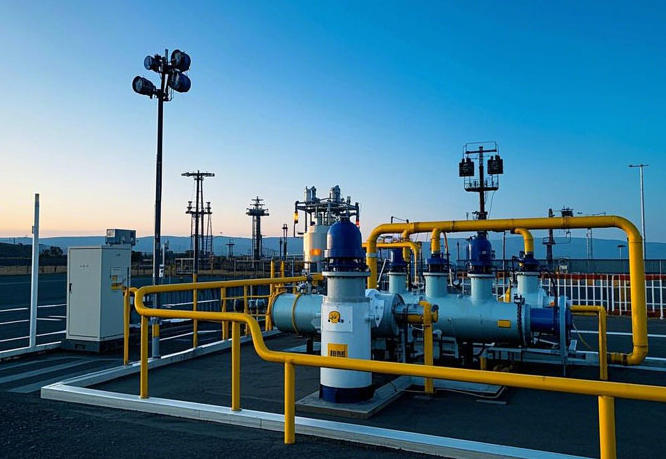
en.Wedoany.com Reported - The American Petroleum Institute (API) this week released a roadmap called the American Energy Security Framework, proposing a more flexible energy system based on secure supply, modernized infrastructure, and resilience. One of the key recommendations of the framework is to upgrade the Strategic Petroleum Reserve (SPR) to enhance its delivery capacity, operational flexibility, and emergency preparedness.
The Strategic Petroleum Reserve was established after the 1975 Arab oil embargo. That embargo led to soaring fuel prices, supply shortages, and widespread economic damage, prompting policymakers to seek ways to prevent future energy shocks. The SPR is currently the world's largest known emergency crude oil stockpile, with a design capacity of 714 million barrels. The reserve is located at four sites along the Gulf Coast, a region that is the heart of the U.S. refining system and close to crude oil import hubs.
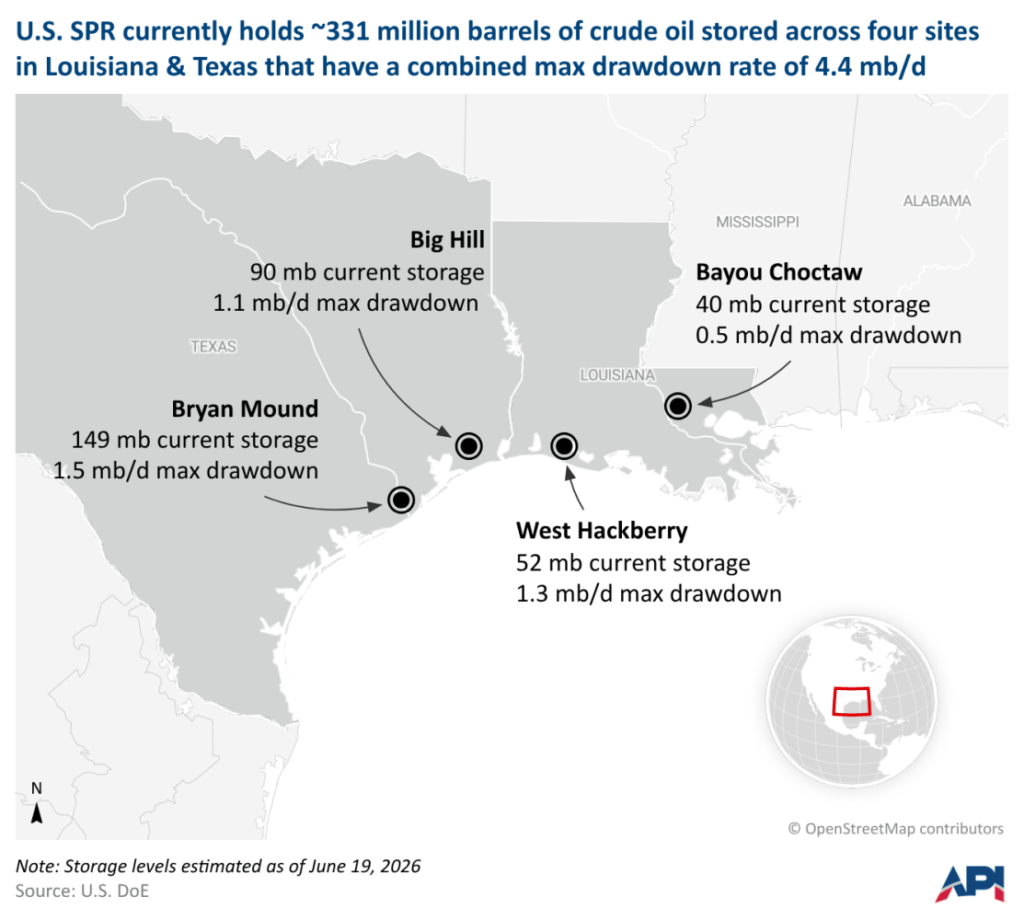
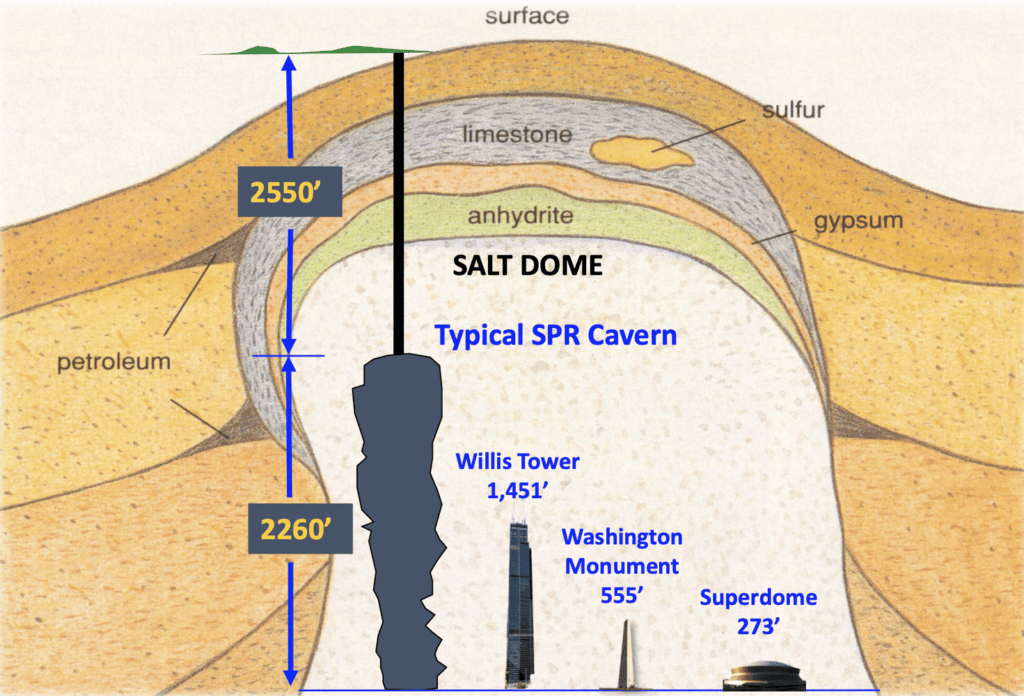
In the SPR, crude oil is stored deep underground in massive salt caverns. A typical SPR salt cavern is deeper than the height of the Washington Monument. The reserve is used to supply crude oil to the market during major disruptions, such as hurricanes. When the federal government releases oil, crude is drawn from the salt caverns through a sale or exchange process and transported via pipelines or marine terminals to refineries, where it is converted into products such as gasoline, diesel, and jet fuel.
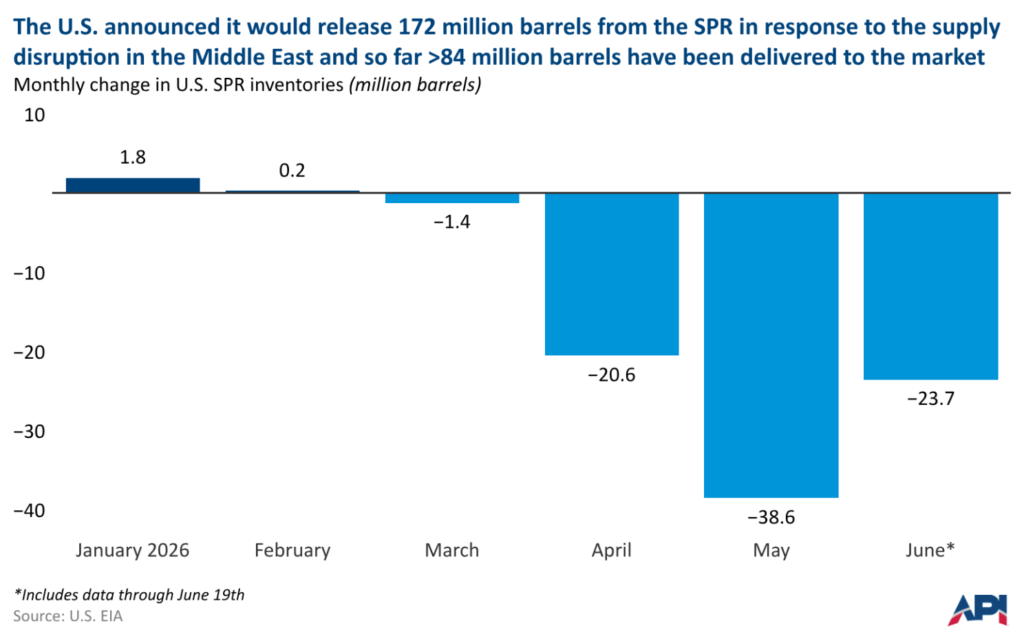
During this year's Middle East turmoil, the U.S. announced an exchange of 172 million barrels of oil from the SPR as part of a coordinated effort with other countries to help maintain crude oil market supply and ease fuel price pressures.
The SPR was built in an era when the U.S. was more dependent on overseas oil imports. Today, the U.S. is the world's largest oil producer and one of the largest exporters, but the SPR has not fully adapted to the flow of crude oil in the modern energy system. The report argues that reconfiguring the SPR according to current supply flows requires investment in more robust pipelines and marine connections to key refining hubs. Additionally, the release rate of the reserve during disruptions is a challenge. The SPR's nominal release rate is 4.4 million barrels per day, but the actual fastest rate has only reached 1.4 million barrels per day within a week. Upgrading the SPR requires improving operational flexibility and upgrading aging infrastructure to ensure the reserve can handle the various disruption scenarios most likely to occur in modern markets.
The American Petroleum Institute noted that upgrading the Strategic Petroleum Reserve will help ensure this key component of U.S. energy security architecture is built for the current system, not the one from 50 years ago.
This article is compiled by Wedoany. All AI citations must indicate the source as "Wedoany". If there is any infringement or other issues, please notify us promptly, and we will modify or delete it accordingly. Email: news@wedoany.com