China, Japan, and South Korea Drive Asian Thermal Coal Imports to Potentially Reach 77.37 Million Tons in June
en.Wedoany.com Reported - Asia's seaborne thermal coal imports are rebounding, driven primarily by China, Japan, and South Korea. China is increasing purchases due to weak domestic production, while Japan and South Korea seek energy security amid geopolitical tensions.
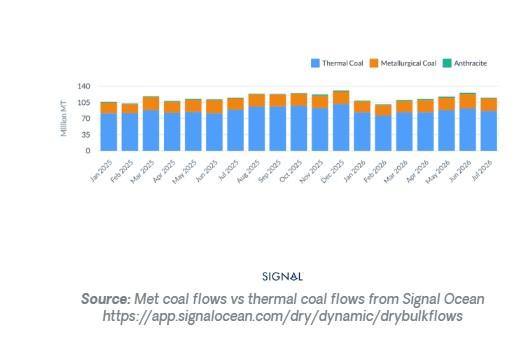
Data compiled by commodity analytics firm Kpler shows that seaborne thermal coal imports into the region are expected to reach 77.37 million tons in June, the highest in six months, up from 68.39 million tons in May. The June figure represents a 22.3% increase from 63.24 million tons in the same period last year.
The growth is mainly from Japan and South Korea, two developed economies with the strongest capability to switch between coal and liquefied natural gas (LNG). After the US and Israel attacked Iran, Tehran effectively closed the Strait of Hormuz, disrupting LNG supply from Qatar, which accounts for 20% of global supply. Spot LNG prices surged after February 28. The price of spot LNG delivered to North Asia (LNG-AS) was $10.40 per million British thermal units in the week ending February 27, soaring to a high of $25.30 by March 20, a 143% increase. Since then, prices have retreated to $15.30 per million British thermal units in the week ending June 19, but remain 47% higher than pre-war levels.
Seaborne thermal coal prices have also risen. High-grade coal prices at Australia's Newcastle port increased 30% from $115.96 per ton at the start of the conflict to a mid-June high of $150.25. This grade of coal is favored by utility companies in Japan and South Korea. globalCOAL assessed this grade at $134.09 per ton on Wednesday, 15.7% higher than pre-war levels. Since the start of the Iran war, thermal coal has been cheaper relative to LNG, a price relationship reflected in trade flows.
Kpler data shows that Japan, the world's third-largest coal importer, is expected to receive 7.82 million tons of thermal coal in June, rising for the third consecutive month and up 33% from 5.89 million tons in the same period last year. South Korea's thermal coal imports in June are expected to be 7.3 million tons, the highest since January, up 41% from 5.16 million tons a year earlier.
Purchases by China, the world's largest coal importer, have also increased. Kpler forecasts China's seaborne thermal coal arrivals in June will reach 27.65 million tons, the highest in six months, up 48% from 18.62 million tons in the same period last year. China's import growth is driven more by domestic market dynamics than the Iran conflict: stronger thermal power demand combined with weaker coal production. Official data shows China's thermal power generation in May (mostly from coal, with a small amount from natural gas) rose 2.1% year-on-year, with a 3.4% increase in the first five months. During the same period, coal production in May fell 1.7% year-on-year to 397.22 million tons, and output in the first five months dropped 0.3% to 1.98 billion tons. A mining accident that killed 82 people triggered nationwide safety inspections, leading to lower output and higher domestic prices. The price of Qinhuangdao thermal coal, assessed by consultancy SteelHome, rose this week to 860 yuan per ton ($126.28), the highest since October 2024. At this price, low-grade Indonesian coal and mid-grade Australian coal are competitive relative to China's domestic supply, encouraging utilities to increase seaborne imports.
India, the world's second-largest coal importer, has not increased purchases. Seaborne thermal coal arrivals in June are expected to be 12.32 million tons, roughly flat with May's 12.27 million tons but lower than 14.14 million tons a year earlier. Higher prices may have dampened purchasing intentions among Indian power generators, despite sluggish domestic production growth so far this year. India has instead drawn on coal inventories and increased renewable energy generation, which rose 29.3% year-on-year in May, accounting for 17.9% of the country's total power generation, a record high.
This article is compiled by Wedoany. All AI citations must indicate the source as "Wedoany". If there is any infringement or other issues, please notify us promptly, and we will modify or delete it accordingly. Email: news@wedoany.com
Related Products
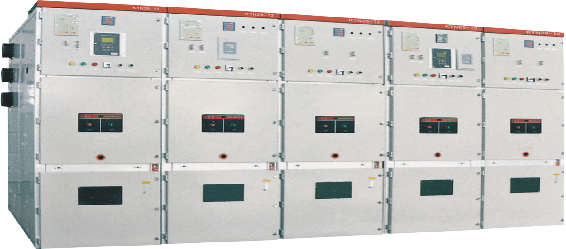

KYN28-12/24 Indoor High-Voltage Metal-Clad Removable Switchgear
Shenzhen Zhaoyang Hui Technology Co., Ltd.
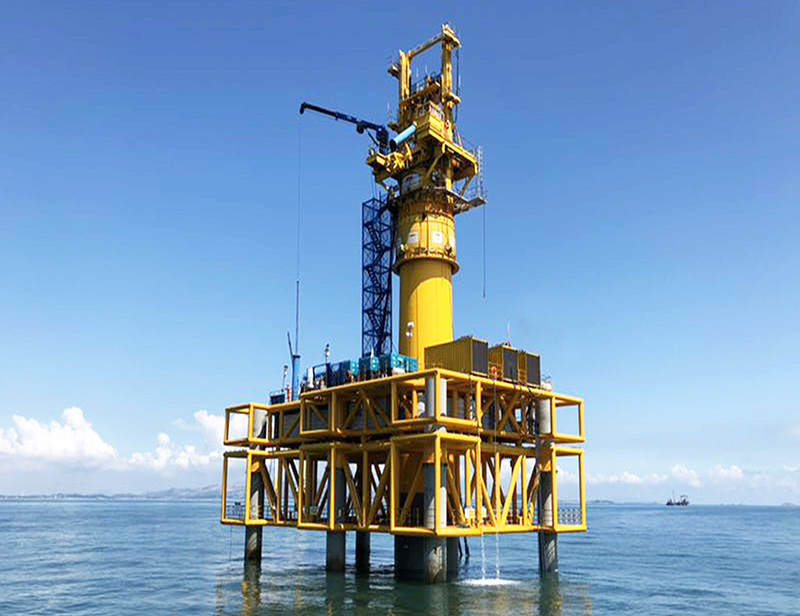
CITIC Heavy Industries Offshore Wind Power Equipment Hydraulic Pile Hammer
CITIC Heavy Industries Co., Ltd.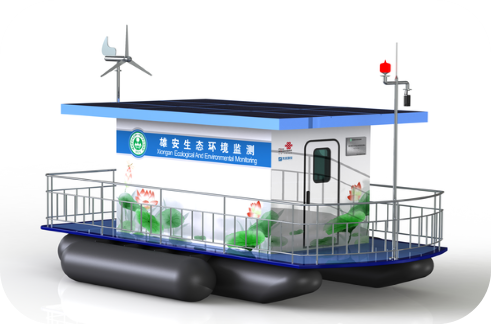
Floating Boat Water Quality Automatic Monitoring System
Hebei Sailhero Environmental Protection High-tech Co., Ltd.
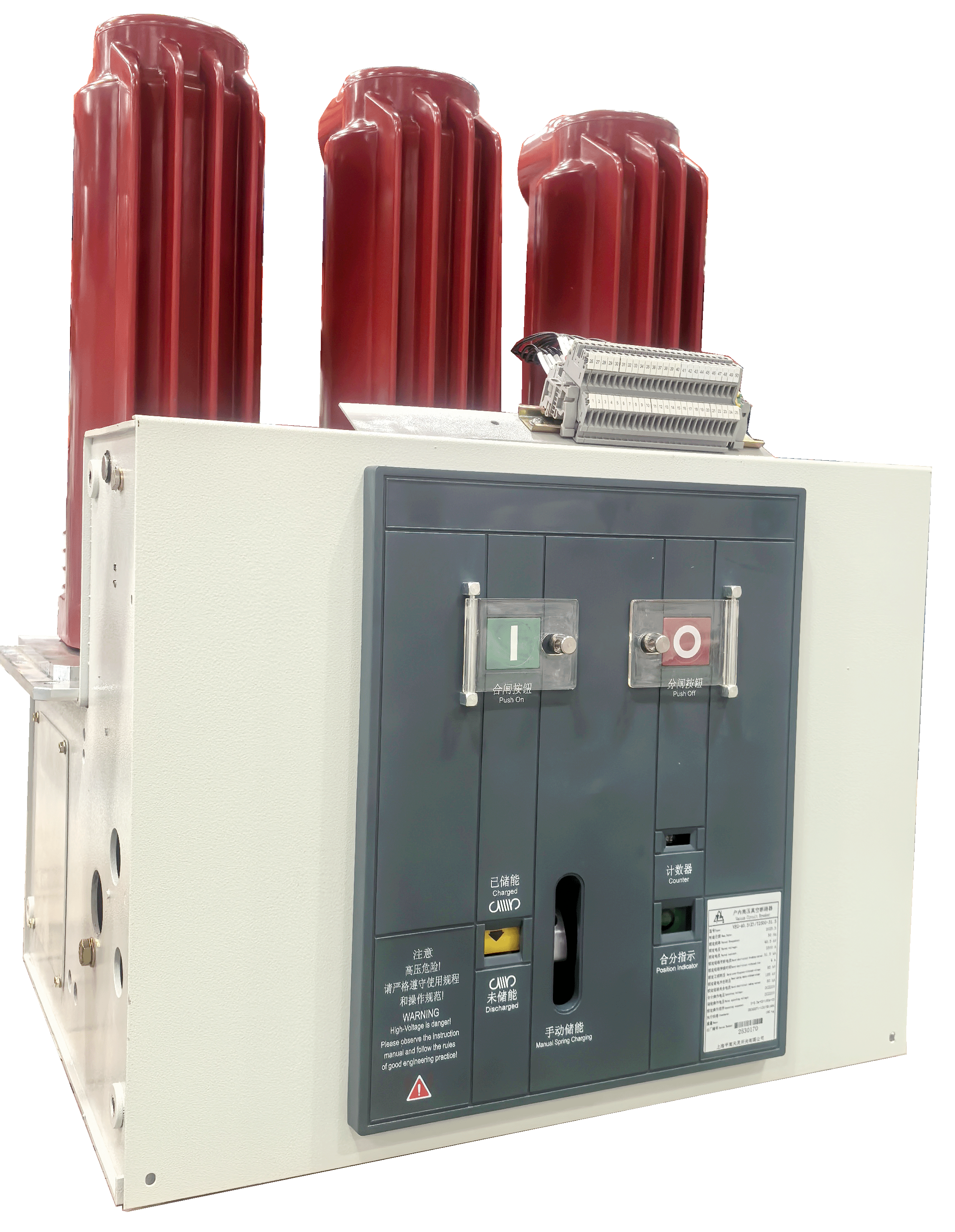
VEG-12/24/40.5 Series Vacuum Circuit Breaker
SHANGHAI PINGGAO TIANLING SWITCHGEAR CO., LTD.
714CD Series C-Band Weather Radar
Chengdu Zhongdian Jinjiang Information Industry Co., Ltd.