America's Largest Renewable Energy Project SunZia Fully Operational with 3.65GW Capacity
en.Wedoany.com Reported - United Nations Secretary-General António Guterres placed methane at the top of the agenda on the opening day of Climate Action Week in London, calling for action from oil and gas companies, artificial intelligence enterprises, and governments.
Methane does not always make headlines in climate discussions, but it has become one of the most pressing issues. In his speech, Guterres noted that methane accounts for about one-third of global warming and is approximately 80 times more potent than carbon dioxide. He added that methane remains in the atmosphere for only one to two decades, meaning aggressive emission reductions could deliver perceptible temperature relief within a generation.
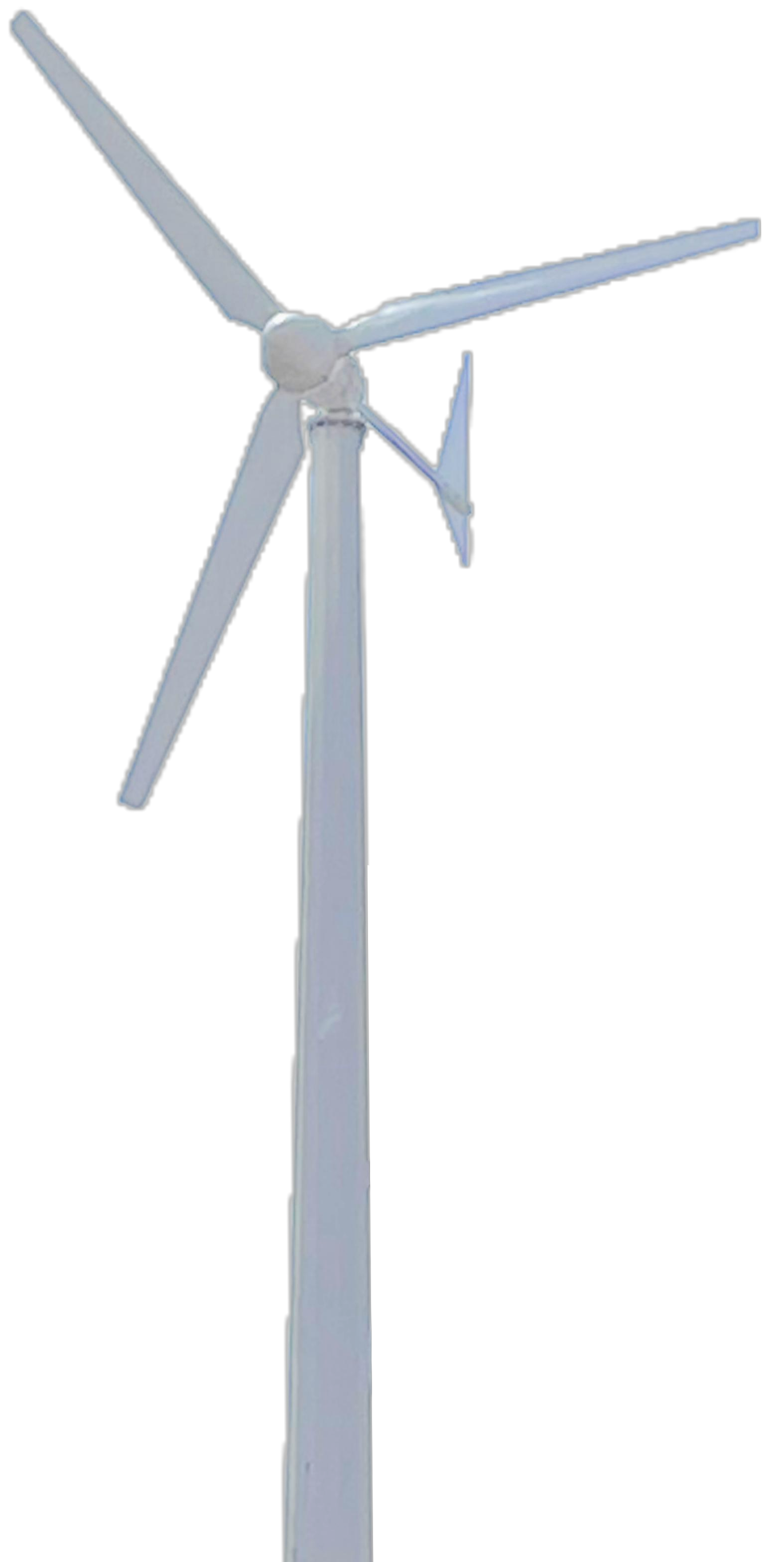
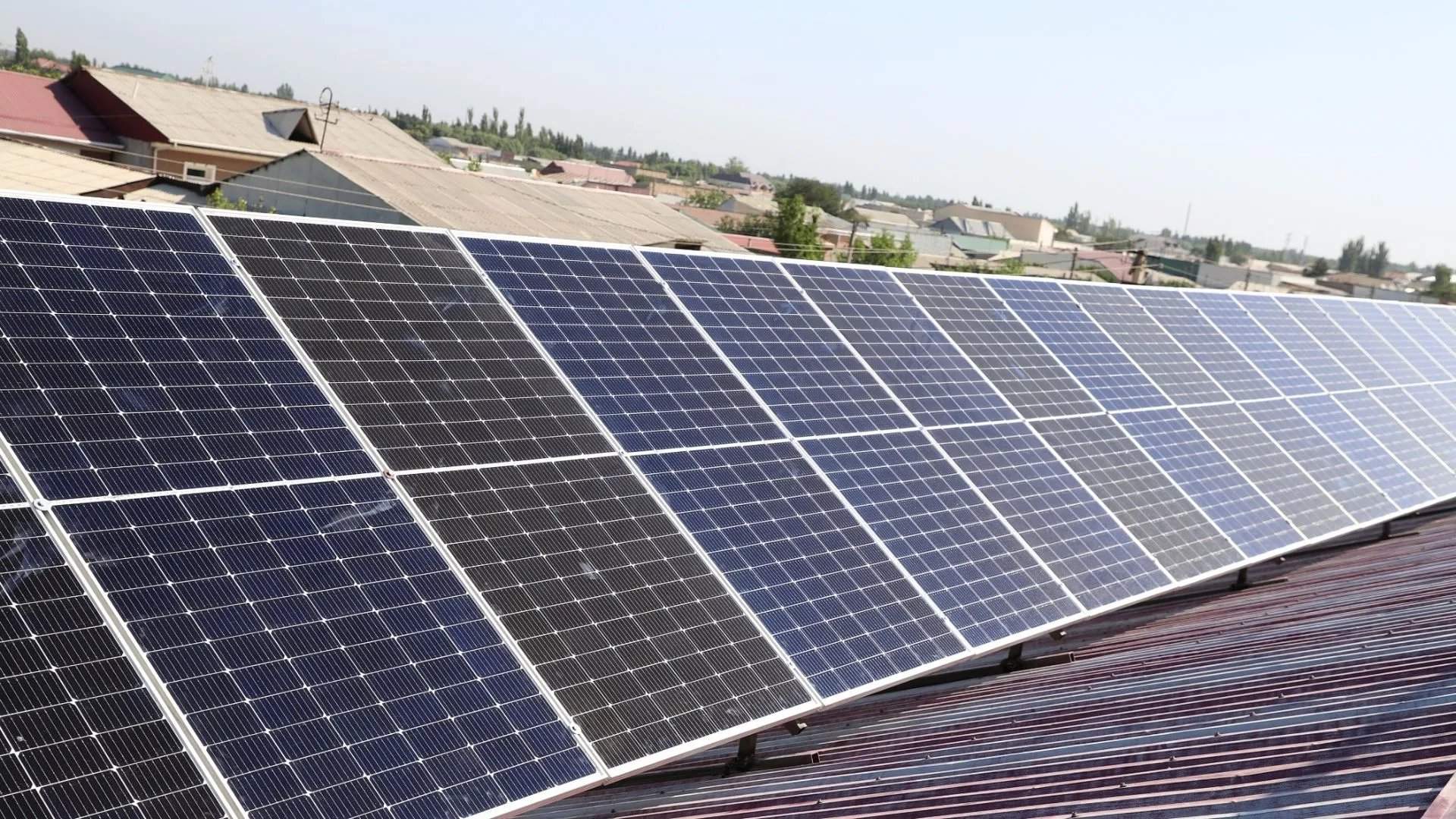
SunZia, the largest renewable energy infrastructure project in U.S. history, is now fully operational. Built by Pattern Energy, the project includes a wind farm of approximately 3.65GW and a 550-mile high-voltage direct current transmission line with a designed capacity exceeding that of the Hoover Dam. At full capacity, SunZia is expected to generate enough electricity annually to power about one million American homes. Construction began in September 2023, but the project's roots go back much further. U.S. Senator Martin Heinrich of New Mexico stated at the launch ceremony that SunZia is a milestone over 18 years in the making and a goal he has pursued since entering Congress, now giving New Mexico one of the largest energy infrastructure projects in the Western Hemisphere.
Électricité de France (EDF) and Holtec International have submitted a joint proposal to the UK government to build small modular reactors on the site of a coal-fired power plant that has been decommissioned for seven years in Cottham, Nottinghamshire. The proposal indicates that the brownfield site can accommodate four Holtec SMR-300 units. According to Carbon Brief, these units would have a combined capacity of approximately 1.3GW, equivalent to about 3% of the UK's energy demand. The two companies have also signed a letter of intent to form a joint venture. Simone Rossi, CEO of EDF UK, considers Cottham an ideal location for a nuclear power plant, stating that the project supports the government's goal of expanding nuclear capacity and will drive redevelopment of the area based on its coal heritage.
Chevron and Microsoft have signed a 20-year power purchase agreement to build a dedicated gas-fired power facility named Kirby in West Texas. The project, with a capacity of 2.67GW, will be built and operated by Chevron's subsidiary Energy Forge One, aiming to directly power Microsoft's data centers and reduce reliance on the regional grid. Chevron is also partnering with investment firm Engine No. 1 on the project, which pushed ExxonMobil to set emission reduction targets in 2021. Jeff Gustavson, President of Chevron New Energies, stated that Chevron leverages its natural gas resources in the Permian Basin and proven execution capabilities to deliver power to customers with certainty, speed, and competitive costs, connecting the company's traditional strengths with the emerging demand driven by artificial intelligence.
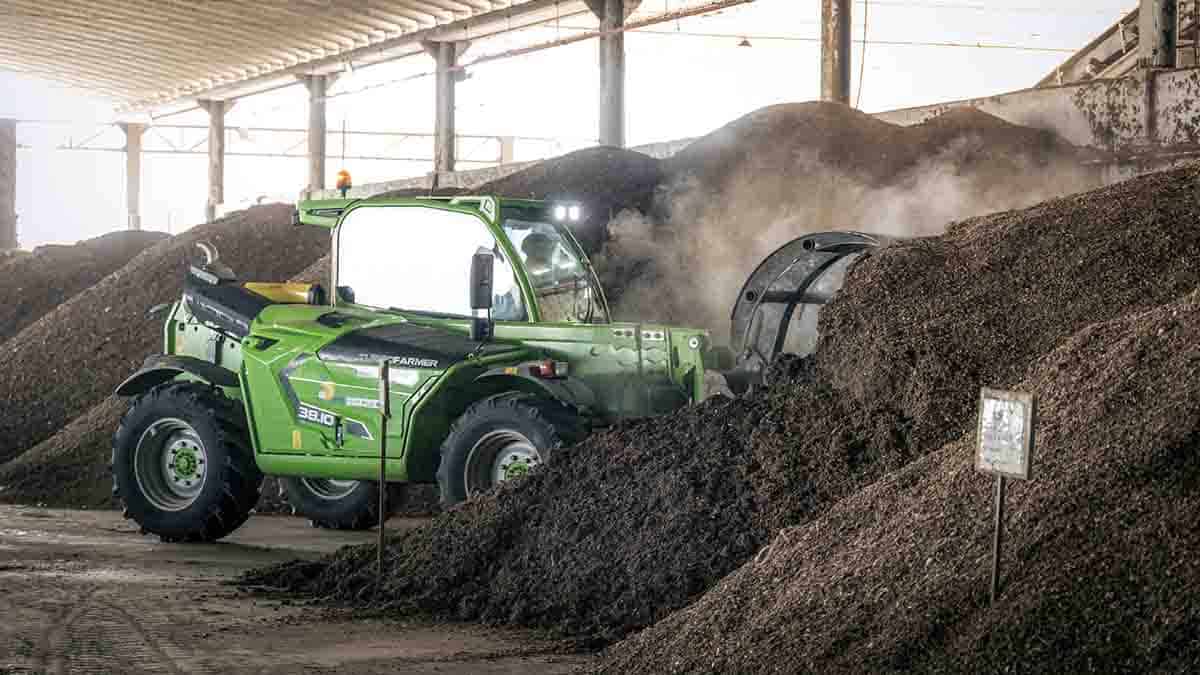
A report jointly released by the Green Gas Taskforce and SGN shows that Scotland could produce enough biomethane by 2050 to meet about half of its current natural gas demand. The report indicates that Scotland has sufficient sustainable feedstock to generate 8TWh by 2030 and up to 19TWh by mid-century, enough to heat 76% of homes while meeting industrial, transportation, and power generation needs. Using biomethane that can be directly injected into the natural gas grid means no need to remove boilers and also reduces pressure on the electricity grid. The taskforce and SGN stated that with sufficient expansion, the industry could contribute £10 billion (approximately $13.6 billion) to the Scottish economy and support about 8,000 jobs. The report also notes that for every £1 invested in biomethane, 85 pence stays within the UK economy, the highest domestic content ratio among all renewable or low-carbon technologies.
This article is compiled by Wedoany. All AI citations must indicate the source as "Wedoany". If there is any infringement or other issues, please notify us promptly, and we will modify or delete it accordingly. Email: news@wedoany.com
Related Products
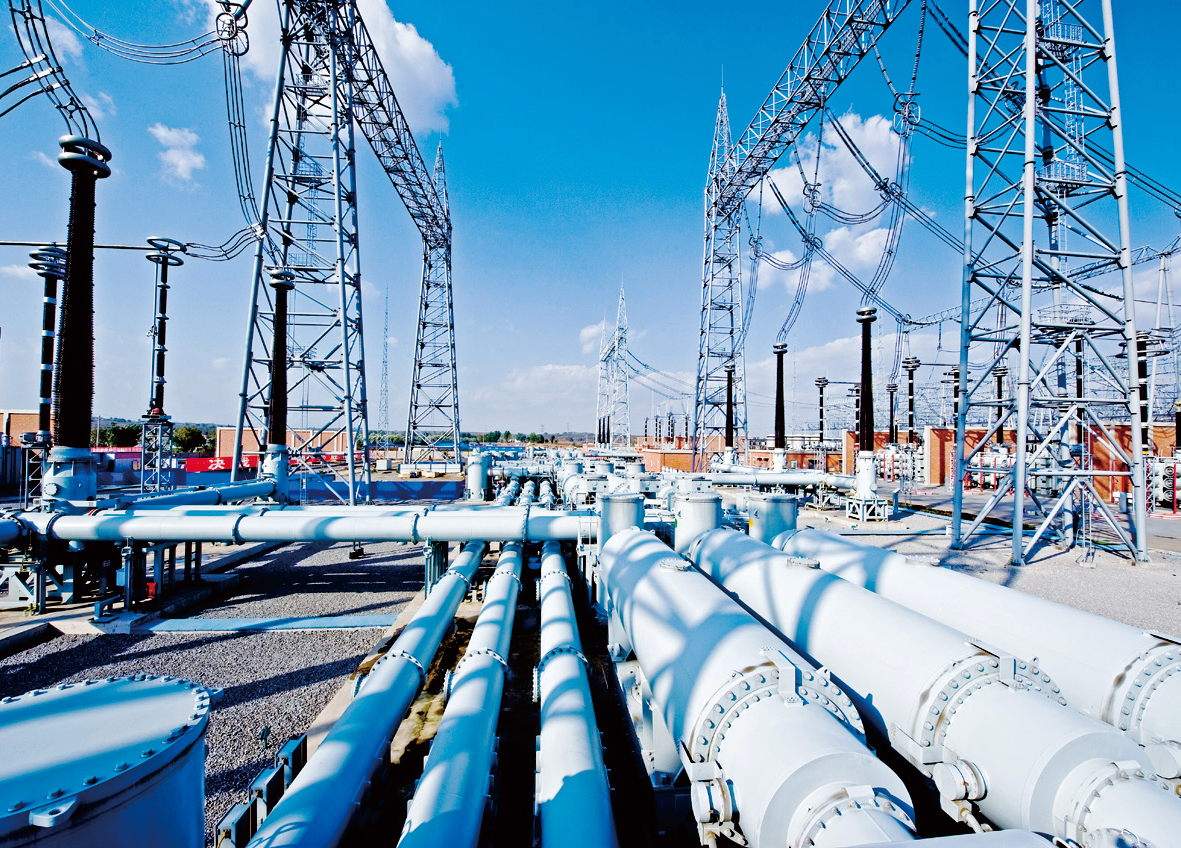

40.5kV-1100kV Gas Insulated Metal-Enclosed Switchgear (GIS)
Henan Pinggao Electric Co., Ltd.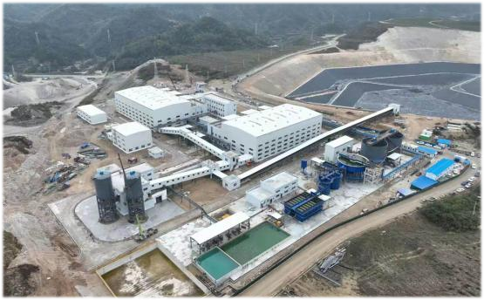
Yingping Mining Section Open-pit Tailings Backfill Treatment of Goaf Ecological Restoration EPC Project
China Bluestar Lehigh Engineering Corporation
G.652.D Wavelength-extended Non-dispersion Shifted Single-mode Optical Fiber
HONGAN GROUP CO., LTD.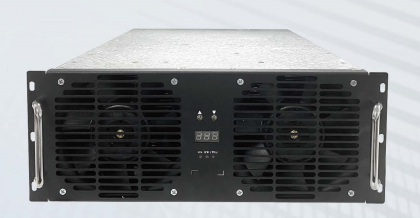
80kW Megawatt Supercharging Module TH80F10030C9
Shijiazhuang Tonhe Electronics Technologies Co., Ltd.
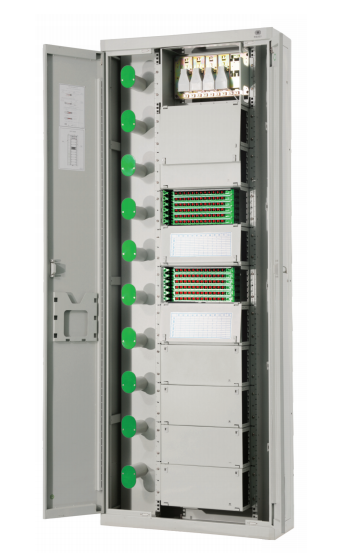
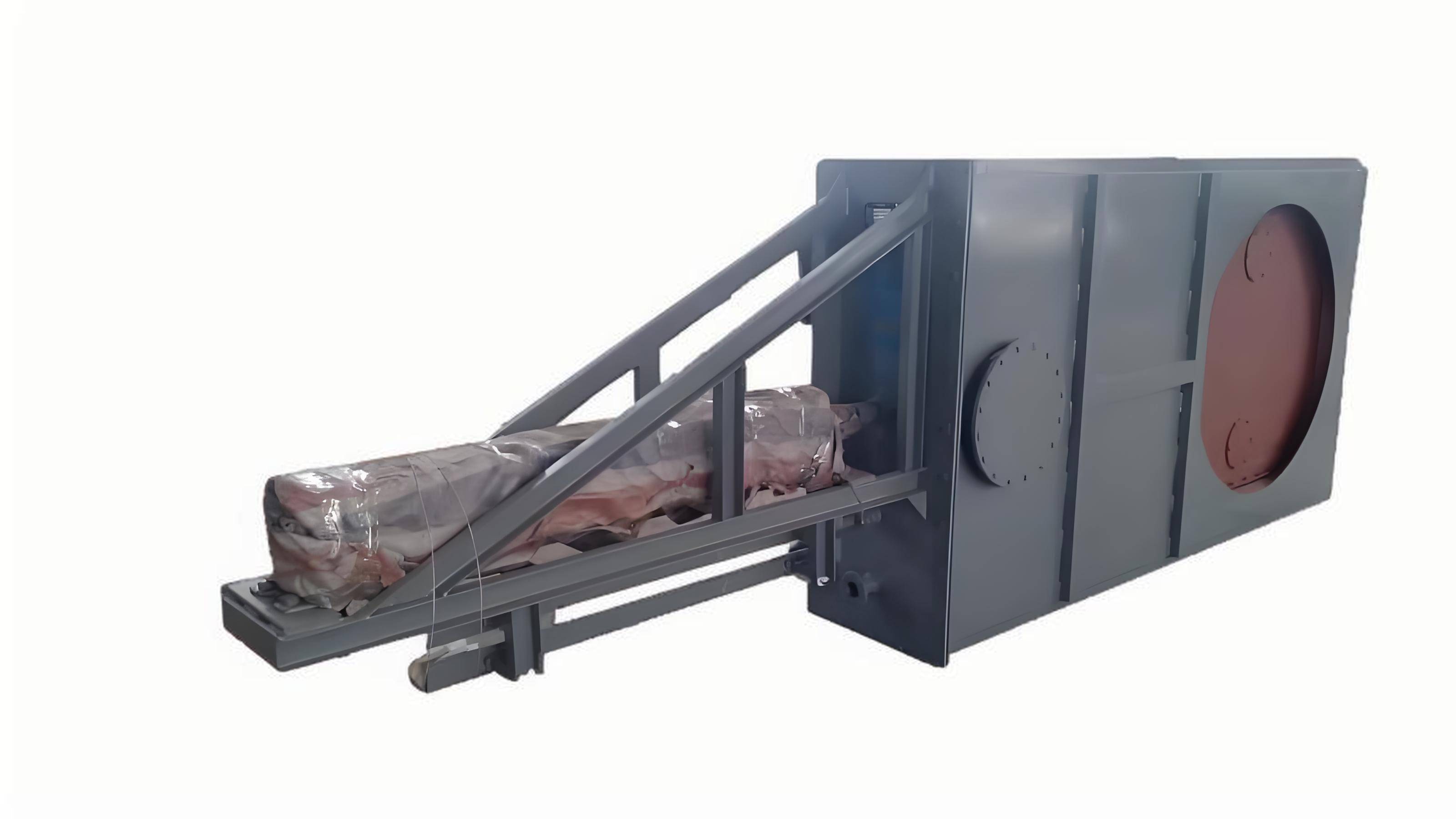
Double-slide Triple-sealed Hot Air Isolation Door
Xi'an Yingchuan Electric Power Equipment Co., Ltd.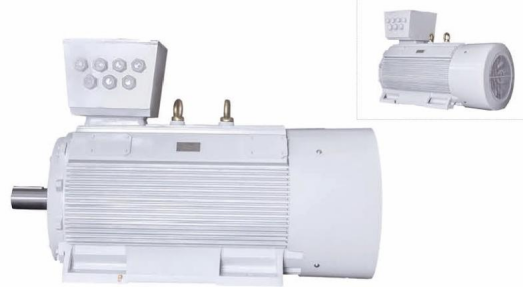
YE3 Series Low Voltage High Power Three-Phase Asynchronous Motor
Shandong Lijiu Electrical Machinery Co., Ltd.