South Korea's LG and other companies invest in innovative R&D of plastic materials for smartphones
en.Wedoany.com Reported - Since Alexander Graham Bell obtained the U.S. patent for the telephone (Patent No. 174,465) in 1876, its internal and external components have evolved from traditional materials such as wood and metal to engineering thermoplastics, liquid crystals, and polymer adhesives. This has made devices smaller and more portable, transforming them from simple sound transmission devices into handheld communication computers.
A significant shift in telephone materials occurred between the late 1920s and early 1930s, when Bakelite began to replace traditional metal housings. This material, made from phenol and formaldehyde, made telephones lighter, more design-oriented, while shortening production cycles and reducing costs. Subsequently, the combined use of Bakelite, polymethacrylate, and polyethylene facilitated the proliferation of payphones. These outdoor devices utilized various plastics to protect internal components, while polyvinyl chloride and thermoplastic elastomers served as cable sheathing, providing necessary flexibility and durability.
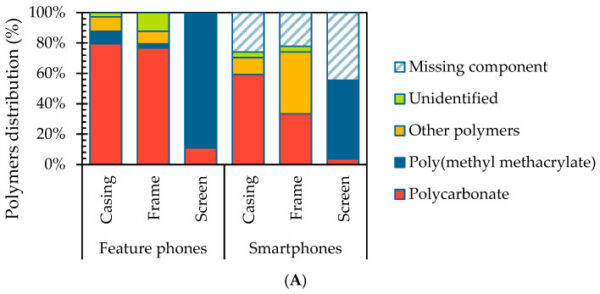
The rise of mobile phones changed the demand for plastic applications. Feature phones, due to basic functions like calling and texting, required fewer types of plastics; whereas smartphones, incorporating complex components such as cameras and touchscreens, demanded more specialized plastics. Currently, smartphone housings commonly use general-purpose plastics like acrylonitrile-butadiene-styrene copolymer (ABS) and high-impact polystyrene (HIPS), while structural frames and screen components employ engineering thermoplastics such as polymethyl methacrylate (PMMA), polycarbonate (PC), and polyamide (PA).
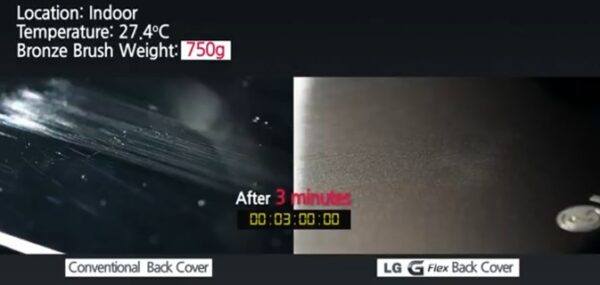
Current industry research is focusing on advanced coating and film materials to meet new performance requirements for smartphones and video calling technology. Affiliated companies of South Korea's LG Group have made significant investments in this area, pouring substantial funds into ultra-durable and flexible films, self-healing screens, and superhydrophobic coatings. The commercialized product, LG Chem's G Flex phone, features a self-healing coating on its back cover. Additionally, major manufacturers such as Samsung Electronics, BOE Technology Group, and Motorola are collaborating with materials science companies like NEI Corporation, Covestro, and Autonomic Materials to advance the commercialization of new materials, including microcapsule coatings and foldable film polymers.
This article is compiled by Wedoany. All AI citations must indicate the source as "Wedoany". If there is any infringement or other issues, please notify us promptly, and we will modify or delete it accordingly. Email: news@wedoany.com
Related Products

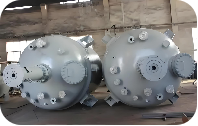
Hongxing Steel Chemical Pressure Vessel Steel Plate
Gansu JISCO Group Hongxing Iron and Steel Co., Ltd.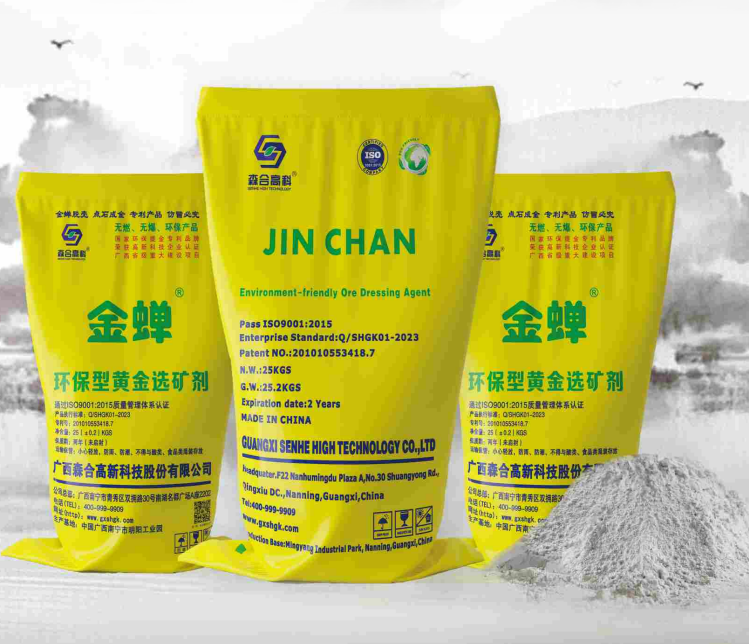
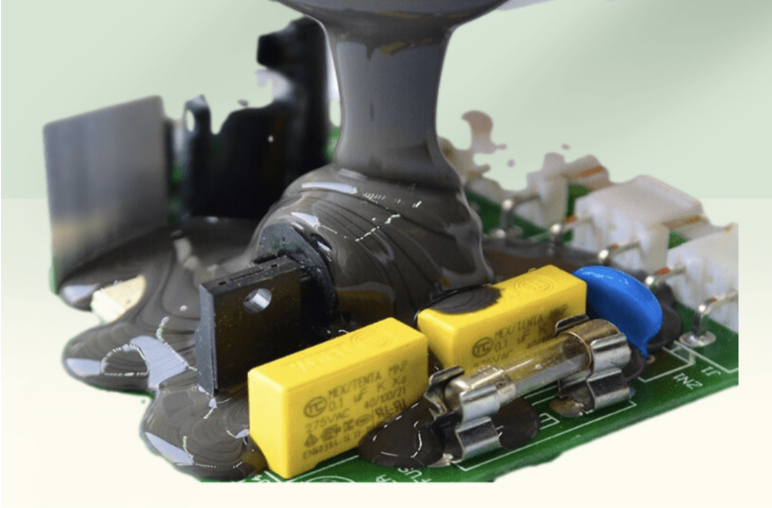
High Thermal Conductivity Encapsulating Resin
Nantong BESALL Sealing Technology Company.,Limited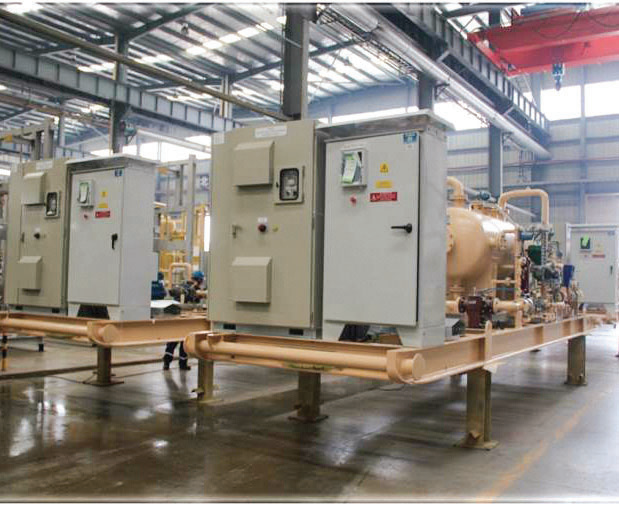
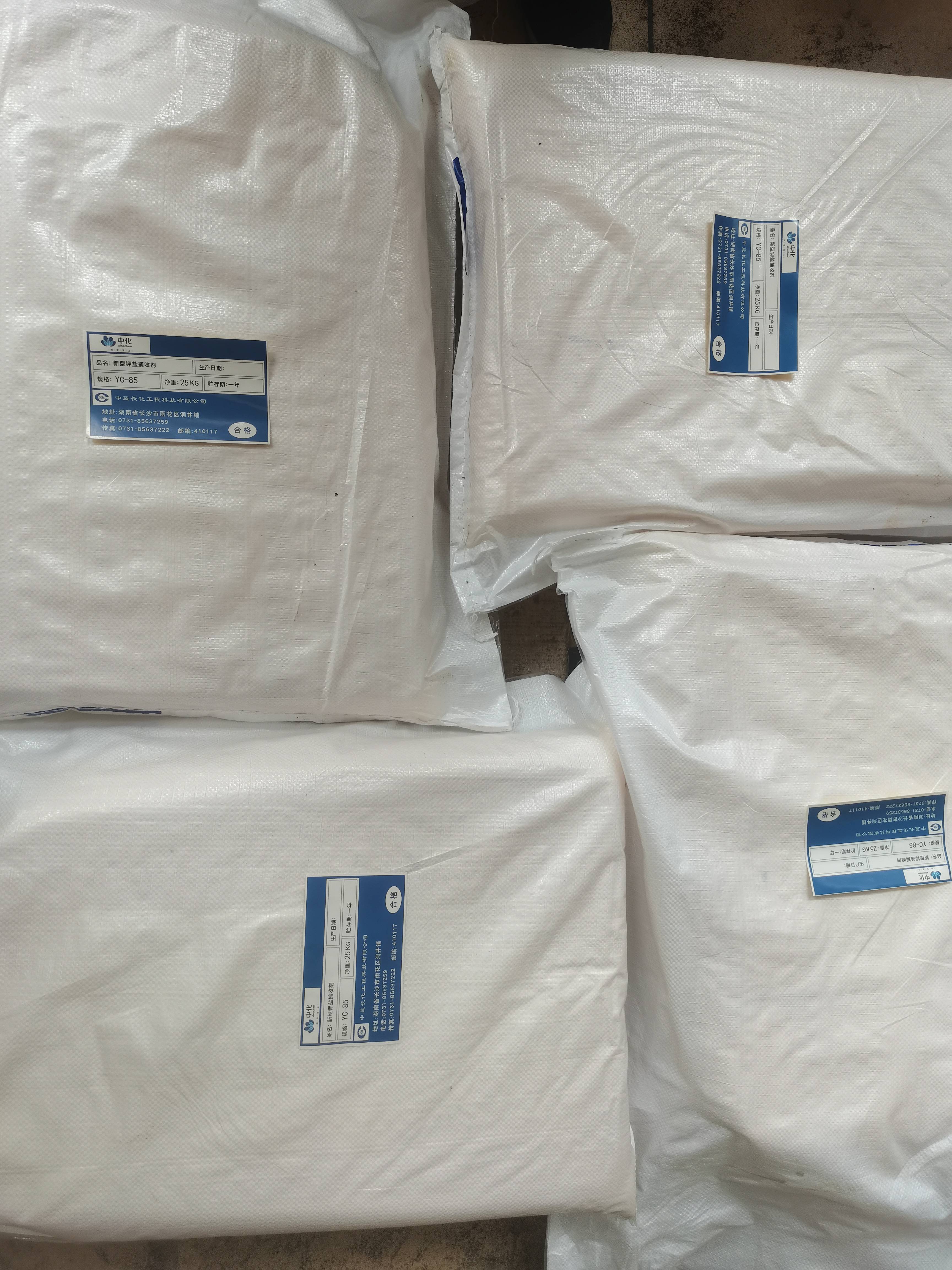
New Environmentally Friendly Green Potassium Salt Collector
Chonfar Engineering and Technology Co., Ltd.
Nitrogen Export, Nitrogen Manufacturer, High-purity Nitrogen Supplier
Foshan Yuexin Industrial Gas Co., Ltd.
Steel Pipes for Refining and Coal Chemical Industries
YANGZHOU LONTRIN ENERGY EQUIPMENT CO.,LTD.

Industrial and Commercial Point-Type Gas Detector
Jinan Benan Technology Development Co., Ltd.