Kyushu University Develops Self-Healing Film That Indicates Food Freshness
en.Wedoany.com Reported - Researchers at Kyushu University in Japan have developed a flexible film embedded with natural plant pigments that changes color when food spoils, allowing consumers to assess food condition without opening the packaging. The film can also self-repair cuts, preventing bacteria from entering during transportation and handling.
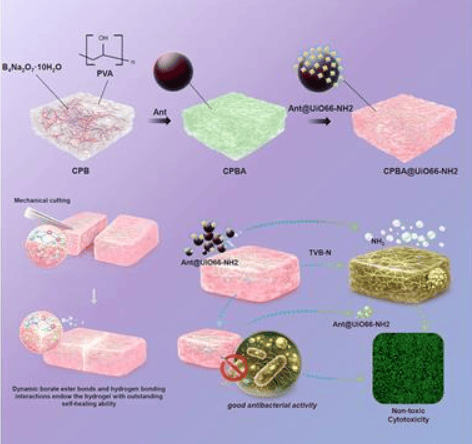
The findings were published in the Chemical Engineering Journal. The film utilizes anthocyanins—natural pigments derived from purple sweet potatoes and red cabbage—to monitor changes in the chemical characteristics of foods such as meat. When food spoils and pH levels rise, anthocyanins shift from purple-red to yellow-green. Its natural origin makes the material safe for food contact.
Anthocyanins are sensitive to light and heat, which can interfere with the color reaction and cause misreadings, making them unsuitable for direct use as long-term indicators. The research team selected UiO66-NH₂—a metal-organic framework (MOF) known for its thermal and chemical stability—to immobilize the anthocyanins. Xirui Yan, corresponding author of the paper and a JSPS research fellow at Kyushu University's Faculty of Agriculture, noted that MOFs have attracted widespread attention due to their unique porous structure and diverse functionalities, and he was curious whether such materials could be applied to more everyday scenarios, such as food preservation.
Anthocyanin molecules adsorb onto the MOF surface through multiple chemical interactions, remaining sensitive to pH while being shielded from oxygen, light, and heat. In tests on pork samples, the protected pigment responded continuously: as the meat spoiled and alkaline gases accumulated, the material shifted progressively from purple-red to yellow-green, providing readable signals at each stage.
The research team incorporated the anthocyanin-loaded MOF into a hydrogel to create a soft, moldable film. Largely plant-derived and biodegradable, the film extended the shelf life of pork by approximately 12 hours compared to untreated samples in tests.
The film also possesses self-healing capabilities. After being cut and pressed back together, the damage becomes nearly invisible within minutes, and tensile strength recovers to 99% within two hours. Fumihiko Tanaka, a professor at Kyushu University's Faculty of Agriculture, pointed out that once a crack forms in conventional packaging, it is permanent damage and becomes a pathway for bacterial entry; this material can bond itself, and its protective capacity is restored once the wound heals, making it more durable and reliable in practical use.
The team is currently developing a companion smartphone application, with plans to provide manufacturers, logistics companies, and shoppers with an objective, real-time means of assessing food quality.
In terms of similar products, Vitsab International launched the Freshtag Flight Label in May, which changes color based on temperature exposure to reduce food waste in perishable airline meals. The label indicates product integrity through a "traffic light" color-change technology: green signifies a safe state, yellow a moderate state, and red indicates exposure to unsuitable temperatures.
Altopack launched resealable zipper packaging for pasta this month, allowing consumers to reseal the package after each use to maintain product freshness and prevent external contamination. The company stated that the packaging was developed specifically for pasta and is also available in a bundled version, with each 100-gram portion wrapped in food-grade paper tape.
Related Products


Gasification Furnace Series: Freely Combinable Aerospace Furnace
CHANGZHENG ENGLINEERING CO., LTD.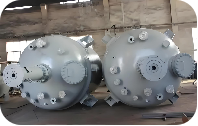
Steel Plates for Chemical Pressure Equipment
Gansu JISCO Group Hongxing Iron and Steel Co., Ltd.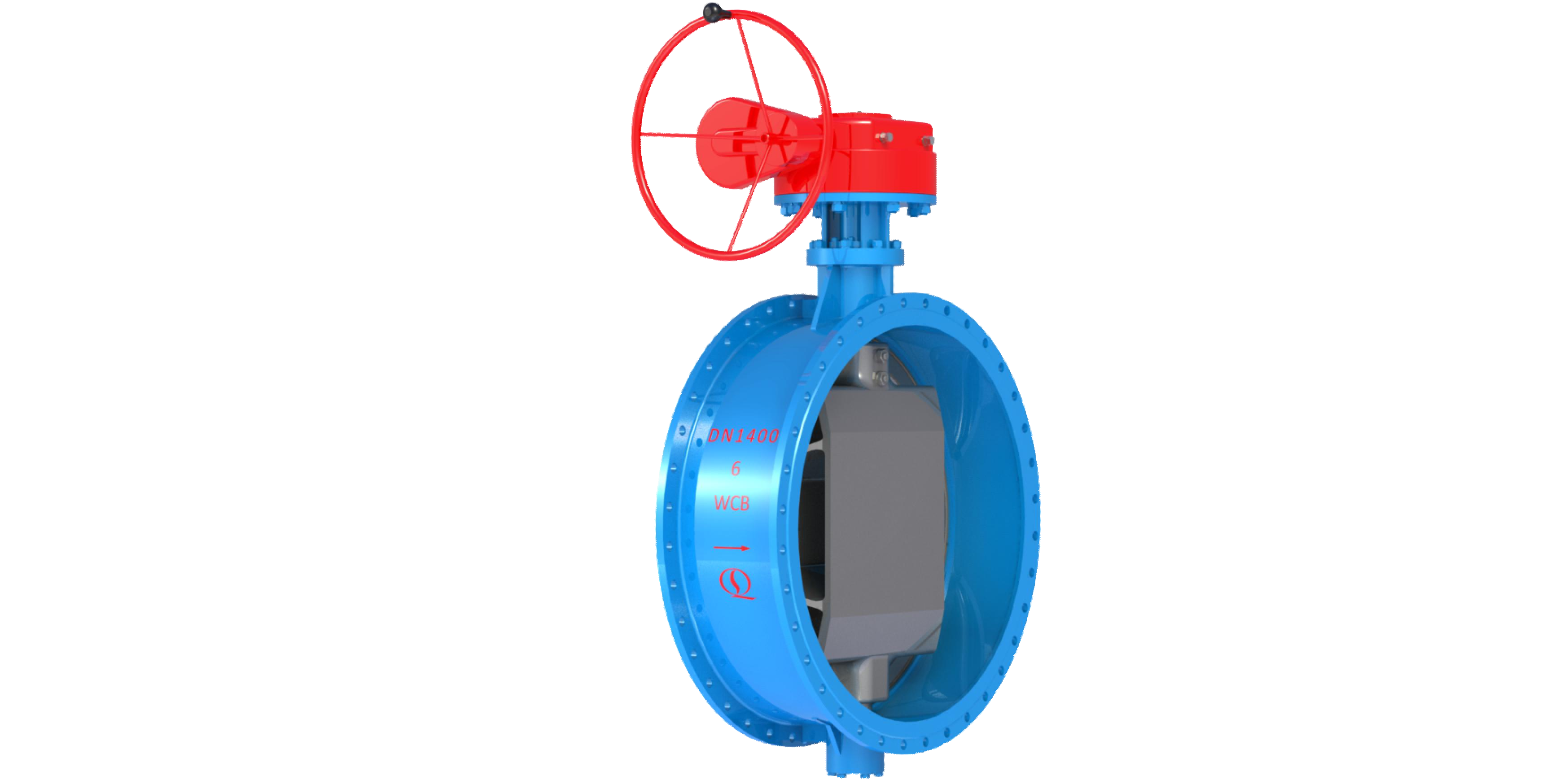
Bidirectional Metal Hard Sealed Seawater Butterfly Valve
Henan Quanshun Flow Control Science & Technology Co., Ltd.
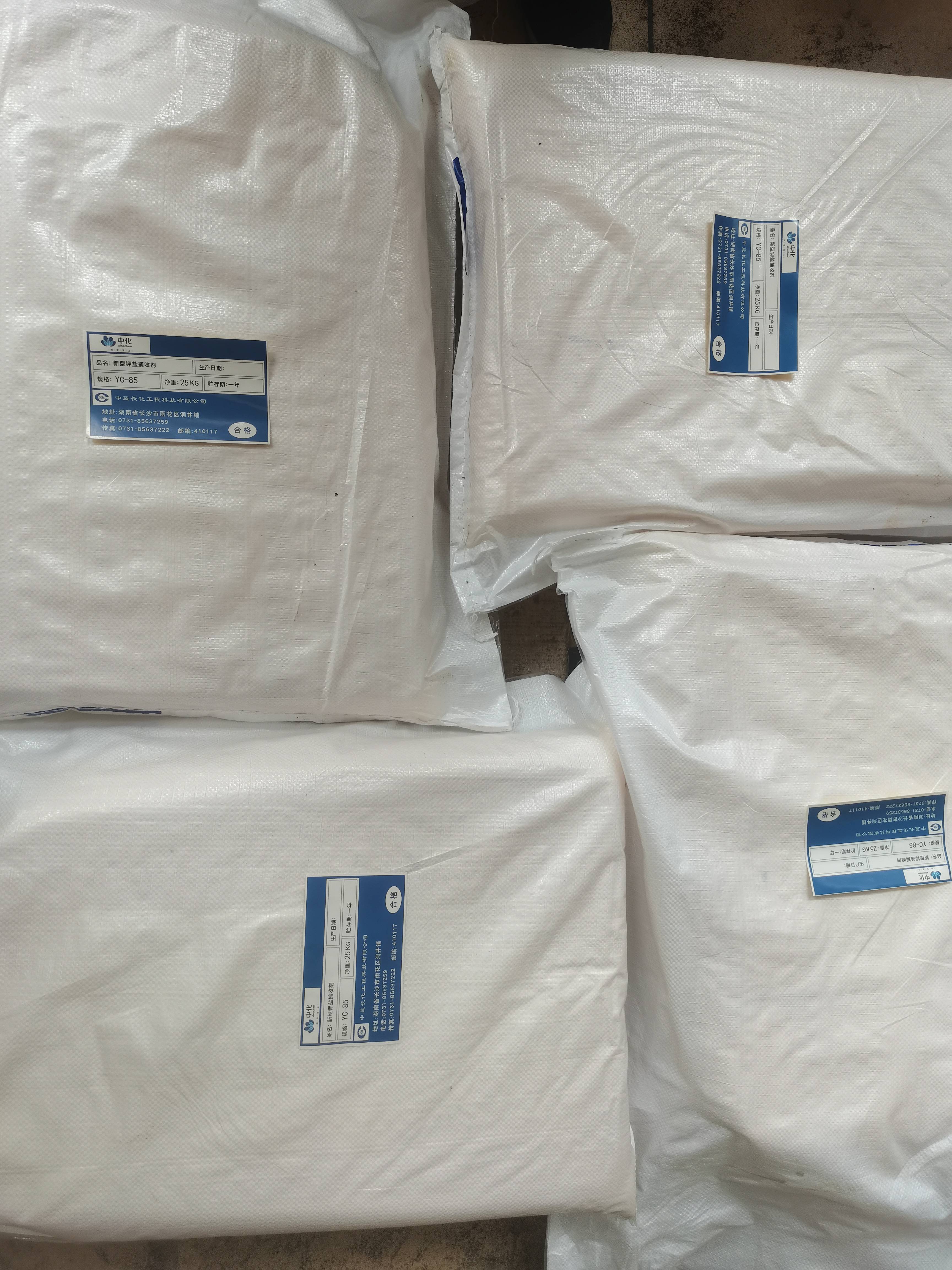
New Environmentally Friendly Green Potassium Salt Collector
Chonfar Engineering and Technology Co., Ltd.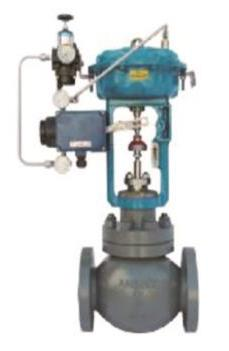
Quick-Change Single-Seat Control Valve / Quick-Change High-Pressure Single-Seat Control Valve
Beijing Consen Automation Technology Co., Ltd.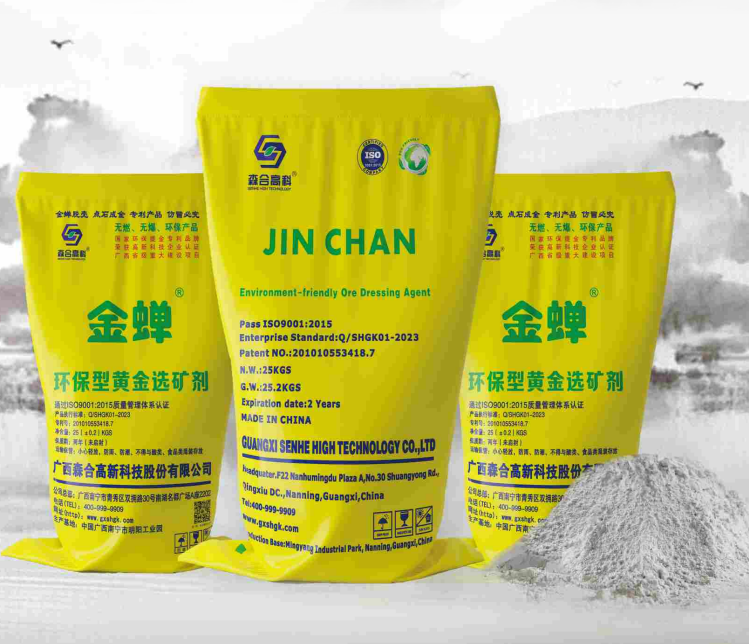
PVC Impact-Modified Chlorinated Polyethylene
Gansu Jinchuan Hengxin Polymer Technology Co., Ltd.