Samsung Electro-Mechanics Signs 453.9 Billion Won AI Server MLCC Supply Contract
en.Wedoany.com Reported - On June 30, Samsung Electro-Mechanics announced that it has signed a contract to supply multilayer ceramic capacitors (MLCCs) for AI servers with a global major technology company, with a contract value of 453.9948 billion won. The contract execution period runs from January 1, 2027, to December 31, 2027, lasting one year. Samsung Electro-Mechanics did not disclose the client's name. According to South Korean media reports, the contract counterparty has not been disclosed due to trade secrets, and the market generally links this to the AI data center investments of major North American cloud service providers. This amount accounts for approximately 4% of Samsung Electro-Mechanics' consolidated sales in 2025.
This order falls within the key component segment of the AI server industry chain. MLCCs are used to stabilize current, suppress noise, and support power supply. After AI servers are equipped with high-power semiconductors such as GPUs, HBM, and CPUs, the demand for high-capacity, high-reliability MLCCs has rapidly increased.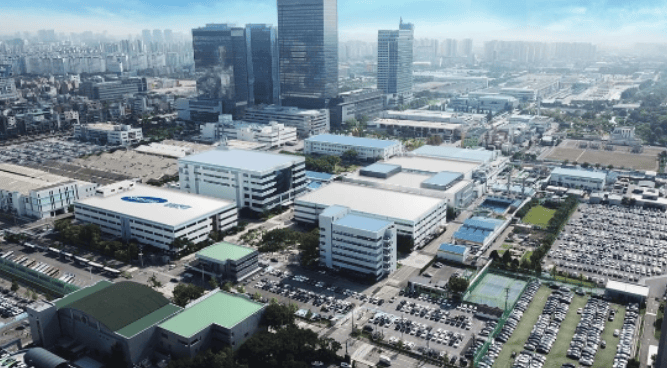
Samsung Electro-Mechanics has long been one of the world's major MLCC suppliers, with products covering IT equipment, automotive electronics, servers, and industrial electronics. AI servers have high power density, with more frequent voltage fluctuations and transient load changes, requiring capacitors to provide stronger stable power supply capabilities within limited space. South Korean media reports indicate that compared to ordinary server products, MLCCs for AI servers show significant improvements in usage quantity, specification requirements, and unit value, and supply tightness has also enhanced the bargaining power for high-end MLCCs. The formal signing of this 453.9948 billion won contract indicates that demand for AI server components has moved from market expectations to the stage of annual supply contracts.
The contract period is locked in for the entire year of 2027, also indicating that the client is securing core passive component production capacity in advance. AI data center construction typically involves the simultaneous procurement of GPU servers, storage, networking, power supply, cooling, and rack systems. Although the unit value of MLCCs is not as high as that of GPUs, they are indispensable basic components for high-reliability operation.
In the past two days, the South Korean market had already anticipated this order. From June 28 to 29, multiple South Korean media outlets reported that Samsung Electro-Mechanics was in final negotiations with a U.S. cloud service provider for an AI server MLCC supply contract worth approximately 500 billion won, with the potential client believed to be from major CSP camps such as Google, Amazon AWS, and Meta. After the official announcement on June 30, the contract amount was finalized at 453.9948 billion won, while the client name remains confidential. Samsung Electro-Mechanics' stock price showed significant strength during the trading session that day. South Korean media stated that this order is a rare large-scale single supply contract in the MLCC industry.
Samsung Electro-Mechanics has also been strengthening its component portfolio related to AI infrastructure recently. In May, the company announced that it had signed a silicon capacitor supply contract worth approximately 1.5 trillion won with a global major enterprise, with a contract period from 2027 to 2028, for products used in the packaging of high-performance semiconductors such as AI server GPUs and HBM. The consecutive appearance of MLCC orders and silicon capacitor orders shows that Samsung Electro-Mechanics is shifting its growth focus toward AI servers, power stability, and high-performance packaging peripheral components.
After the completion of this MLCC contract, Samsung Electro-Mechanics will secure a relatively certain revenue stream from AI server components in 2027. Subsequent variables mainly include customer follow-up orders, the pace of AI server shipments, the supply-demand tightness of high-end MLCCs, and whether Samsung Electro-Mechanics can continue to secure long-term supply contracts from major CSPs.
Related Products


TWP16 P-Band Tropospheric Wind Profile Radar
China Huayun Meteorological Technology Group Co., Ltd.
One-Stop Steward Service for the Entire Logistics System Integration Chain
Zhongding Intelligent (Wuxi) Technology Co., Ltd.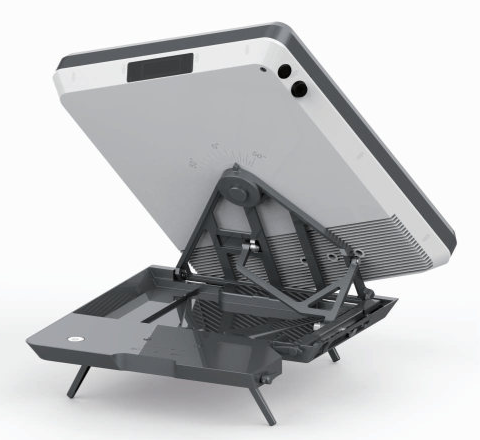
Flat Portable Satellite Terminal 0.35m Aperture Manual Portable Terminal
China Starwin Science & Technology Co., Ltd.
20 Inch 1600*900 Full HD 60Hz TFT LED Monitor with VGA and DP Interfaces for Desktop Computers-Business Use
Guangzhou Zanying Optoelectronics Technology Co., Ltd.
Comprehensive Mining Automation Control System
Beijing Tianma Intelligent Control Technology Co., Ltd.

G.652.D Wavelength-extended Non-dispersion Shifted Single-mode Optical Fiber
HONGAN GROUP CO., LTD.
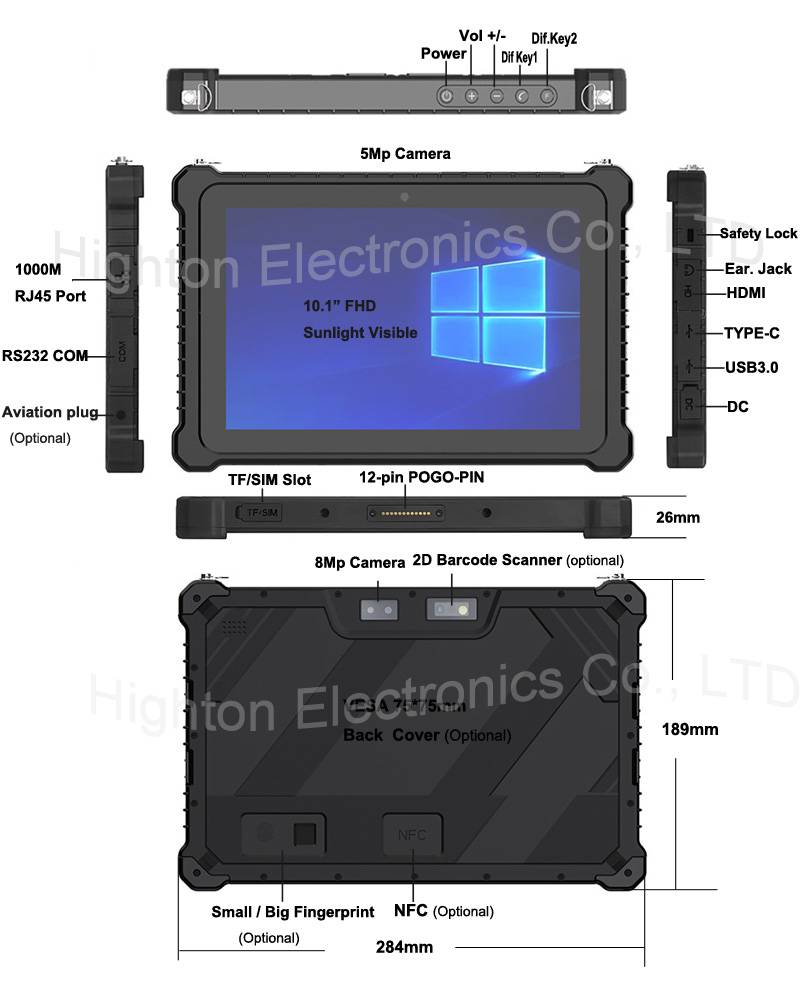
Hot Selling 10 Inch Intel N5100 I5 I7 FHD 8 +128GB 16+256GB Win10 Pro Win11 Pro 4G 5G Rugged Tablet PC Pad with NFC Barcode
Highton Electronics Co., Ltd.