Rare-Earth Supply and Magnet Recycling Will Influence Direct Drive Generator Competitiveness
en.Wedoany.com Reported - Permanent magnet direct drive generators offer advantages in shortening the drivetrain and reducing some maintenance requirements, but high-performance permanent magnets normally require rare-earth materials. As the deployment of large offshore wind turbines expands, rare-earth supply, magnet-manufacturing capacity, price volatility, and recycling systems are becoming important factors affecting equipment competitiveness.
The actual magnet requirement of a Permanent Magnet Direct Drive Generator depends on generator topology, pole structure, power density, magnet grade, and cooling capability. Engineers can reduce magnet use per unit of power by optimizing the magnetic circuit, improving the rotor structure, and increasing heat-removal capability, but material reduction should not come at the expense of efficiency, temperature control, or demagnetization resistance.
The permanent-magnet supply chain includes more than rare-earth mining. It also includes separation, refining, alloy production, magnet manufacturing, surface treatment, and precision machining. Excessive concentration of capacity at any stage can increase delivery times and create cost volatility.
Magnets must also withstand temperature, vibration, and the marine environment inside the generator. Coercivity, temperature coefficient, coating, and sealing must match the maximum operating temperature and corrosion-protection requirements of the equipment, or long-term operation may cause performance loss or irreversible demagnetization.
Technical routes for reducing rare-earth dependence include lowering magnet use, adopting different magnetic materials, using electrically excited synchronous generators, or exploring other direct drive generator concepts. These approaches should not be compared only by rare-earth consumption. Equipment mass, efficiency, cooling, maintenance, and converter requirements must also be assessed.
Recycling will become an important supplementary source of magnet materials. Permanent magnets in retired wind turbines contain recoverable materials, but removal, identification, demagnetization, separation, and remanufacturing from large generators require dedicated technology, logistics, and safety systems.
Designing the generator for disassembly can reduce future recycling difficulty. Reducing permanent bonds that cannot be removed, assigning identification numbers to magnet modules, and retaining information about material grades and production batches can improve end-of-life processing efficiency.
The future competitiveness of permanent magnet direct drive generators will depend on power-generation performance, structural reliability, and material-supply resilience. Companies that reduce material consumption per unit of power, diversify supply sources, and establish closed-loop recycling are more likely to develop a long-term advantage.
Related Products

CITIC Heavy Industries Offshore Wind Power Equipment Hydraulic Pile Hammer
CITIC Heavy Industries Co., Ltd.

Pressurized Drilling Vertical Boring Machine
CCCC Tianhe Mechanical Equipment Manufacturing Co., Ltd.
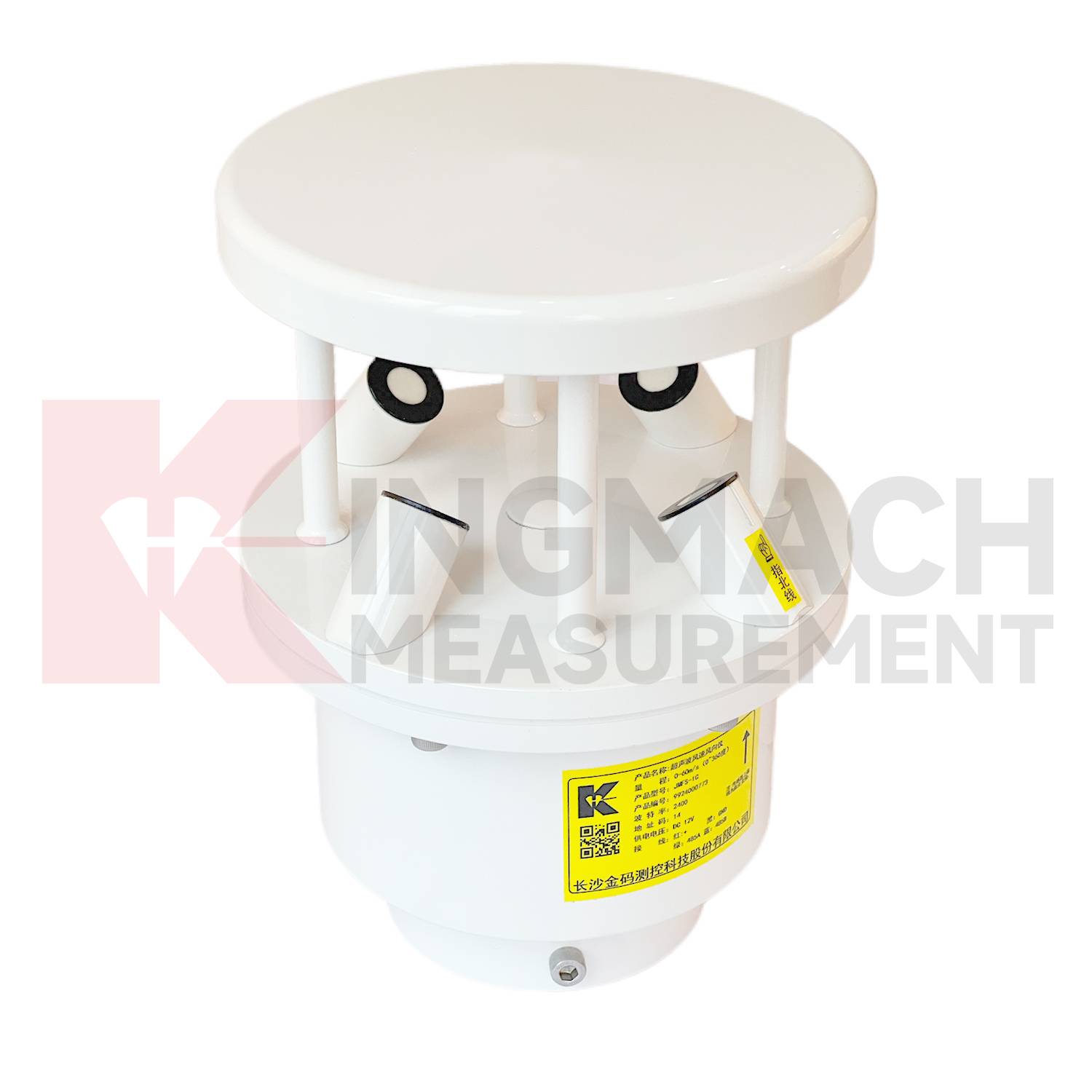
Ultrasonic Wind Speed and Direction Instrument
Kingmach Measurement & Monitoring Technology Co., Ltd.