Manufacturing and Structural Challenges of Large Permanent Magnet Direct Drive Generators
en.Wedoany.com Reported - As offshore wind turbines move toward larger rotors and higher unit ratings, permanent magnet direct drive generators must transmit greater torque at relatively low rotational speed. Scaling a generator is not a simple proportional enlargement of an existing machine. It also increases structural deformation, transportation, lifting, manufacturing-accuracy, and onsite-assembly challenges.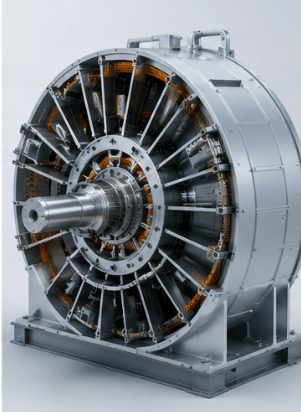
A large-diameter structure helps increase the torque capability of a Permanent Magnet Direct Drive Generator, but maintaining rotor and stator roundness becomes more difficult. Permanent magnets create continuous electromagnetic attraction between the rotor and stator. If the supporting structure deforms locally, air-gap variation can make the electromagnetic forces even more uneven and create coupled mechanical and electromagnetic problems.
Structural and electromagnetic design must be carried out together. If engineers pursue higher magnetic loading and power density without providing sufficient stiffness in the frame, bearings, and supporting components, the machine may experience greater-than-expected deformation under rated loads, extreme wind conditions, transportation, or lifting.
Segmented and modular manufacturing is an important way to overcome transportation limits for very large machines. The stator or rotor can be divided into multiple modules and assembled at a manufacturing base, port, or project site. However, segmented interfaces add work involving mechanical positioning, electrical connections, sealing, insulation, and onsite inspection.
Permanent-magnet assembly is also a high-risk process. High-performance magnets produce strong attractive forces and require specialized fixtures and safe operating procedures. Errors in magnet position, polarity, bonding, or mechanical retention can create an uneven magnetic field, torque ripple, vibration, and localized heating.
Large stator windings require consistent conductor forming, insulation, end-winding support, impregnation, and cooling passages. Offshore turbines must also account for the effects of humidity, salt, temperature cycling, and long-term vibration on the insulation system rather than relying on environmental assumptions used for ordinary indoor motors.
After manufacturing, the stator roundness, rotor runout, air-gap distribution, winding electrical performance, and cooling-system tightness must be measured. Once the equipment reaches the project site, foundation position, frame connections, and the lifting process may affect the original accuracy, making onsite verification an important part of large-turbine assembly.
The core of permanent magnet direct drive generator manufacturing capability is not simply the ability to produce a larger machine. It is the ability to continue controlling structural, air-gap, magnet, winding, and insulation quality after scaling, while ensuring reliable operation under complex long-term loads.
This article is compiled by Wedoany. All AI citations must indicate the source as "Wedoany". If there is any infringement or other issues, please notify us promptly, and we will modify or delete it accordingly. Email: news@wedoany.com
Related Products
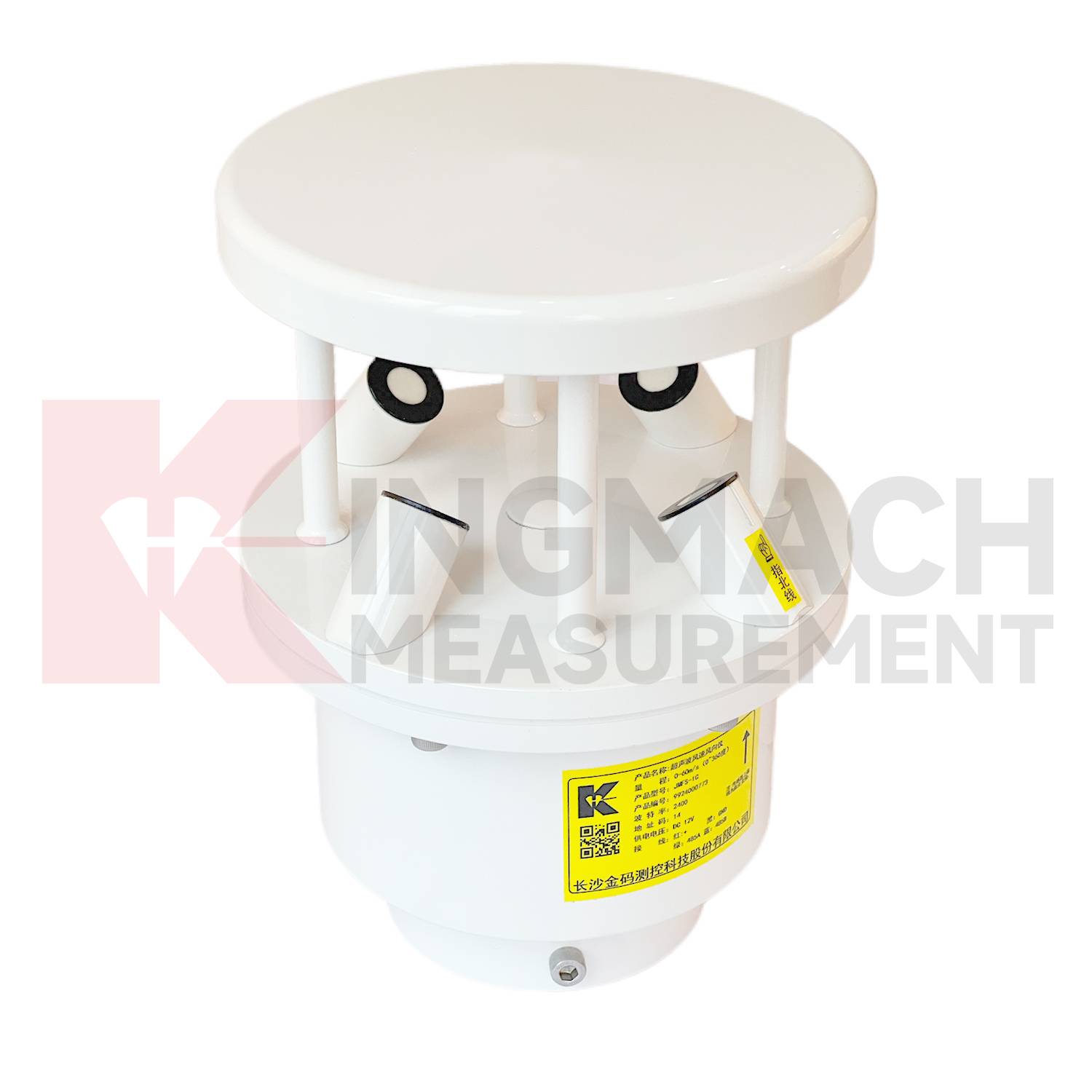

Ultrasonic Wind Speed and Direction Instrument
Kingmach Measurement & Monitoring Technology Co., Ltd.
Wind Power Tower Mold
Qinhuangdao Tianye Tolian Heavy Industry & Technology Co., Ltd.
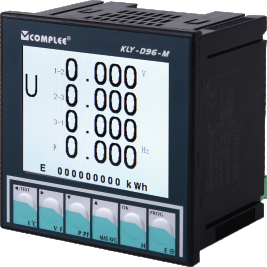
Digital Multifunctional Electrical Measuring Instrument
Shanghai Complee Instrument Co.,Ltd.
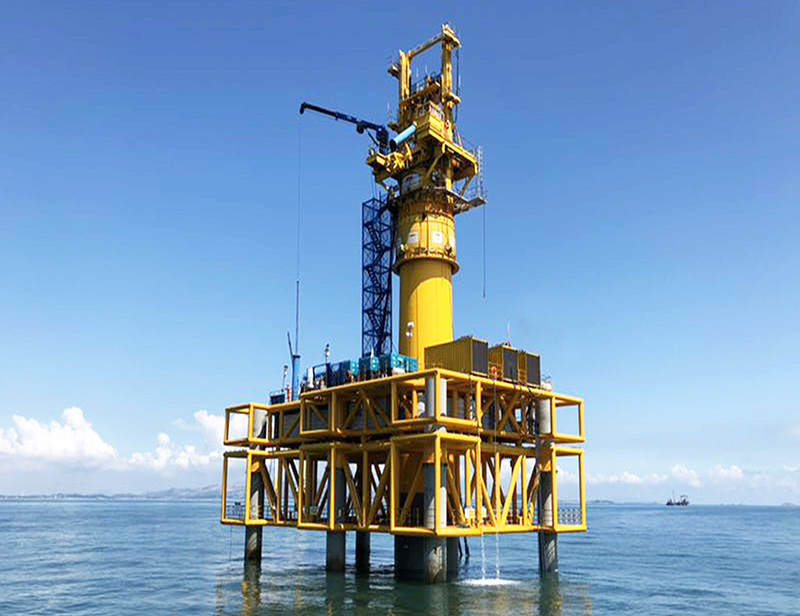
CITIC Heavy Industries Offshore Wind Power Equipment Hydraulic Pile Hammer
CITIC Heavy Industries Co., Ltd.
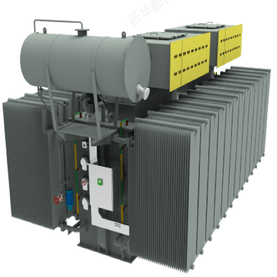
Oil-Immersed Converter Transformer for Variable Frequency Speed Control
Newonder Special Electric Co., Ltd.