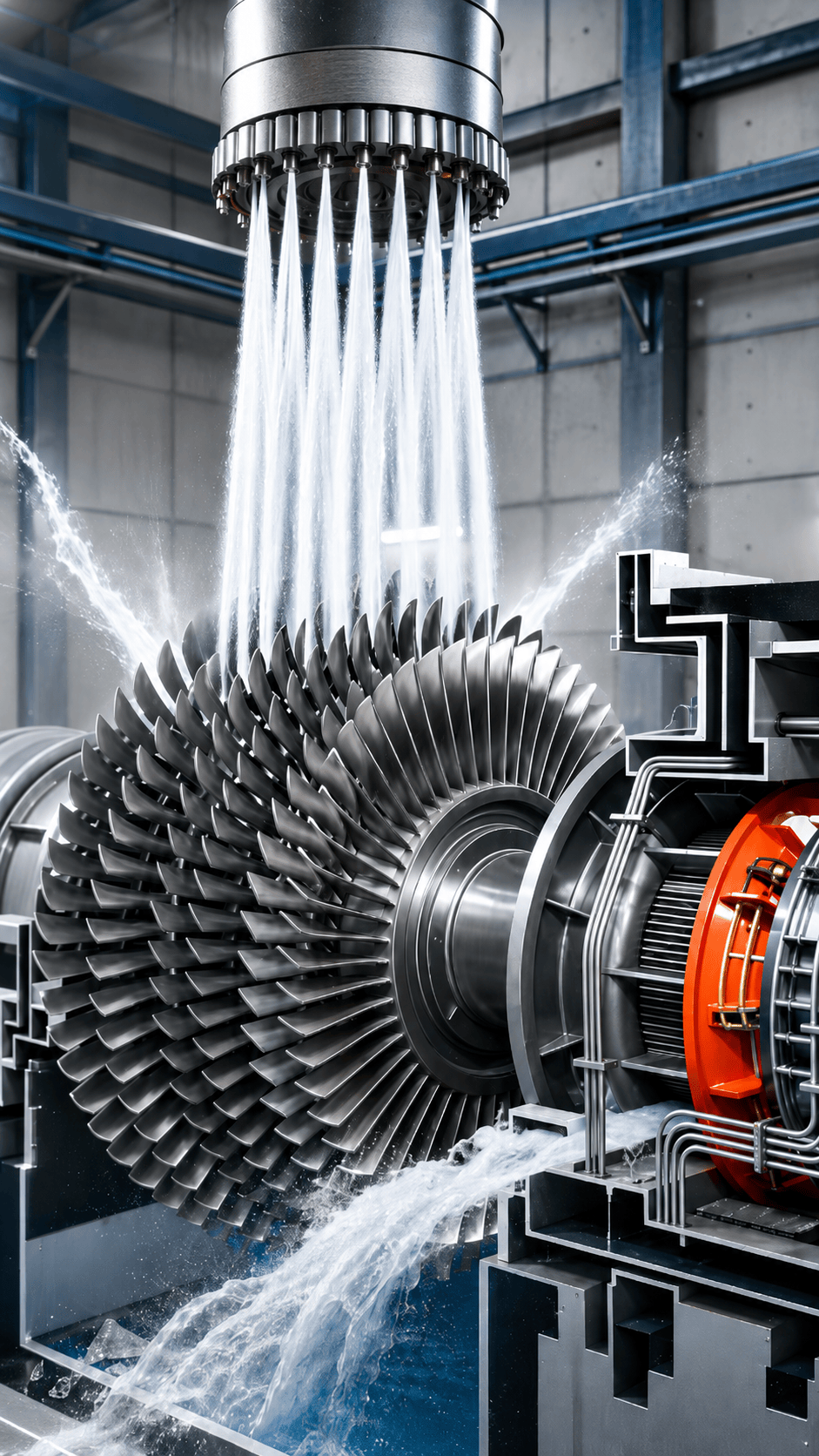
Why Permanent Magnet Direct Drive Generators Have Become Important for Large Offshore Wind Turbines
en.Wedoany.com Reported - A permanent magnet direct drive generator eliminates the conventional high-speed gearbox and allows the wind-turbine rotor shaft to drive the generator directly at a relatively low rotational speed. Its technical value is not limited to removing one mechanical component. It shortens the drivetrain and reduces maintenance associated with high-speed gears, lubrication systems, and related bearings.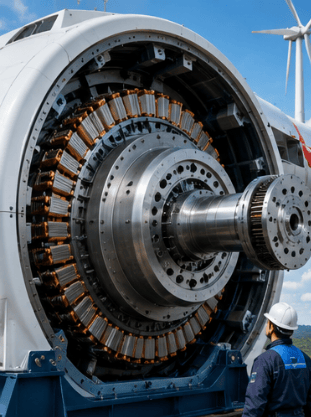
The rotor of a large wind turbine normally rotates at a low speed while transmitting very high mechanical torque. To generate sufficient electrical power under these conditions, a Permanent Magnet Direct Drive Generator commonly uses a large electromagnetic diameter, a high number of magnetic poles, and rigid rotor and stator support structures. As generator capacity increases, air-gap stability and structural-deformation control become increasingly important.
Permanent magnets establish a magnetic field without requiring continuous excitation current in the rotor. This reduces rotor excitation losses and avoids the slip rings and brushes required by some electrically excited machines. The generator is normally combined with a full-scale power converter, allowing the turbine to adjust its rotational speed according to wind conditions while supplying electricity at the required grid frequency and voltage.
Permanent magnet direct drive technology is particularly attractive in offshore wind power. Offshore turbines are located far from land, and maintenance is frequently restricted by vessels, lifting equipment, sea conditions, and weather windows. Reducing complex high-speed drivetrain components can lower some major mechanical-maintenance requirements, although it does not make the turbine maintenance-free.
The direct drive configuration also introduces new engineering challenges. Because the generator operates at low speed and high torque, its diameter, mass, and structural loads can increase significantly. The rotor, stator, main bearings, and support frame must jointly control air-gap variation and prevent uneven electromagnetic forces, vibration, and mechanical contact.
Thermal management also determines long-term generator performance. The stator windings, iron core, permanent magnets, and power converter all produce losses. Prolonged local overheating can accelerate insulation ageing and affect magnet performance. Large direct drive turbines must therefore integrate cooling-system design with electromagnetic and structural engineering.
The advantages of a permanent magnet direct drive generator are not determined by one component. Only when the generator, bearings, supporting structure, cooling system, converter, and control algorithms are properly matched can the potential benefits of gearbox elimination, lower maintenance, and high efficiency be converted into stable long-term electricity generation.
This article is compiled by Wedoany. All AI citations must indicate the source as "Wedoany". If there is any infringement or other issues, please notify us promptly, and we will modify or delete it accordingly. Email: news@wedoany.com
Related Products
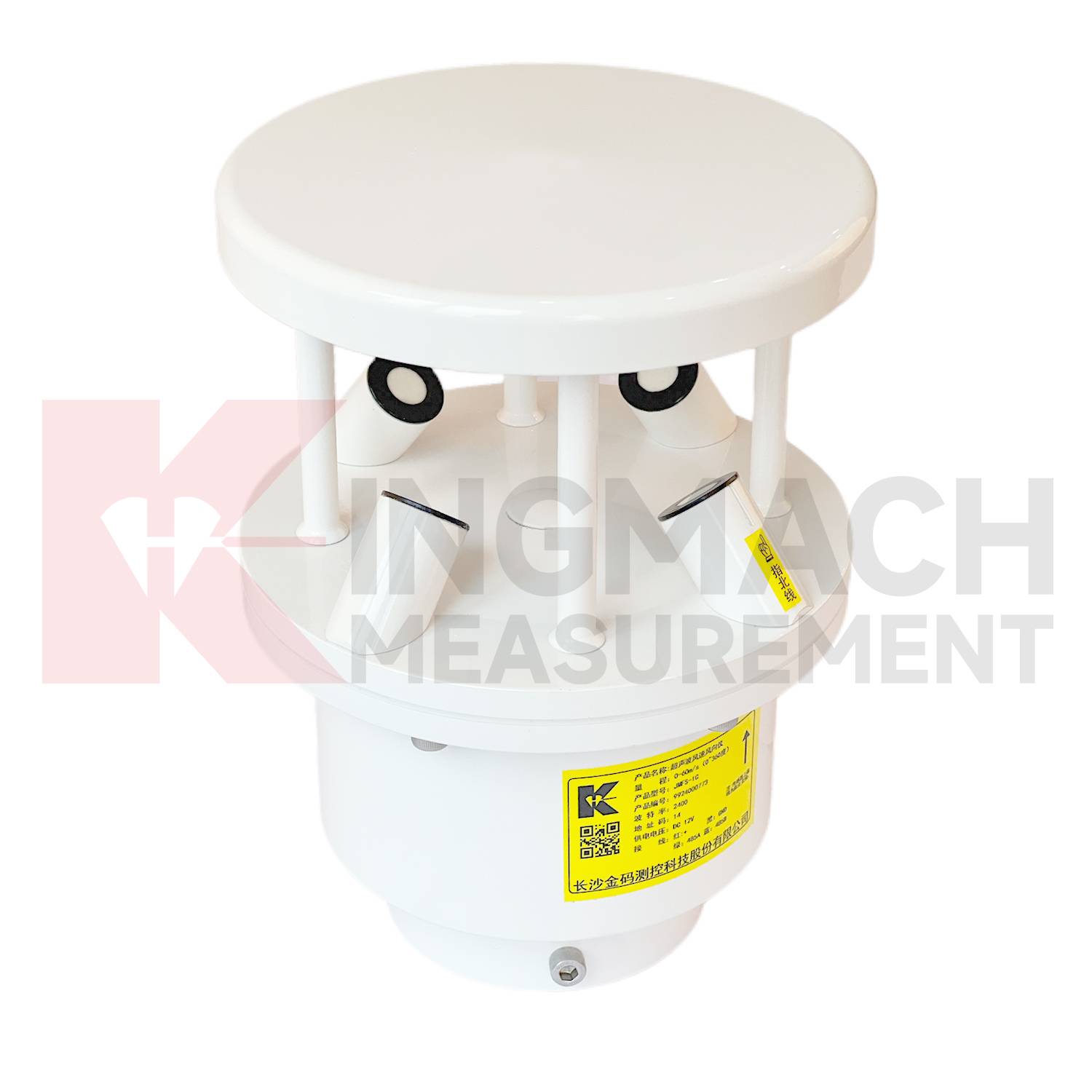

Ultrasonic Wind Speed and Direction Instrument
Kingmach Measurement & Monitoring Technology Co., Ltd.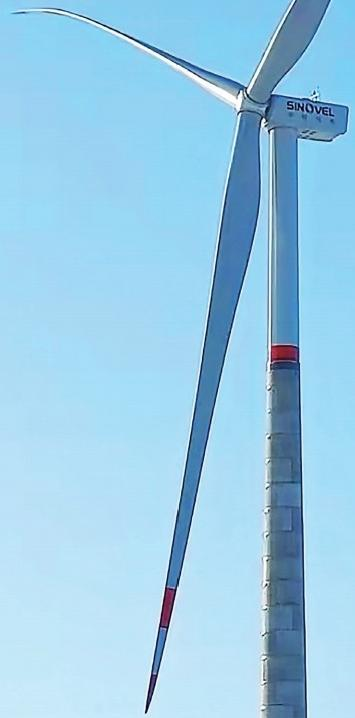
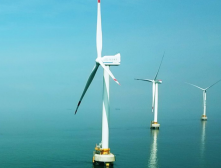
Wind Turbine Generator
Dongfang Electric Corporation Dongfang Electric Machinery Co., Ltd.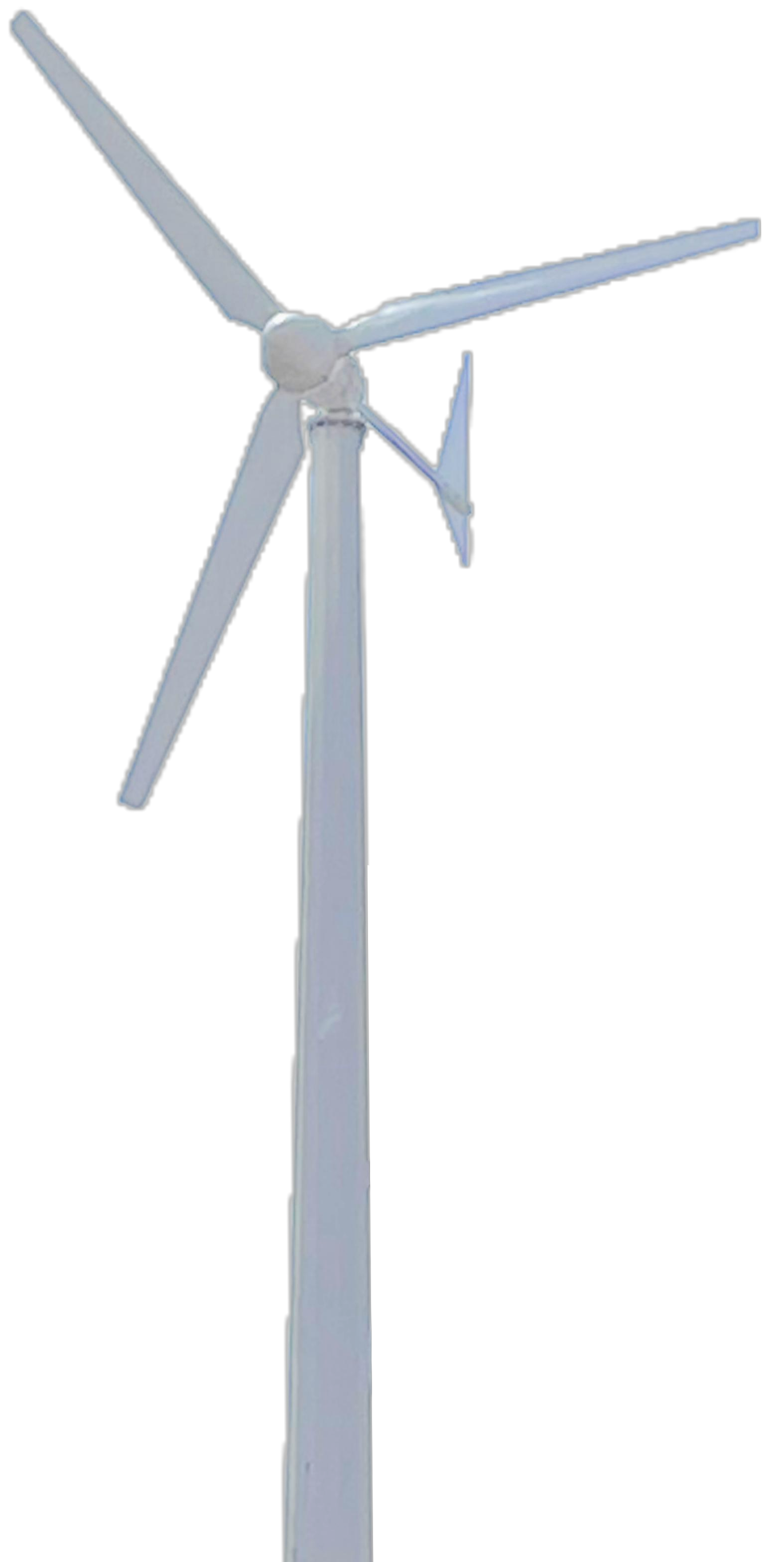
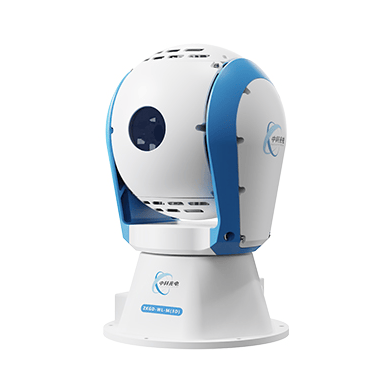
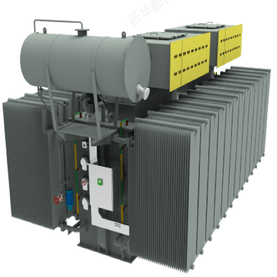
Oil-Immersed Converter Transformer for Variable Frequency Speed Control
Newonder Special Electric Co., Ltd.
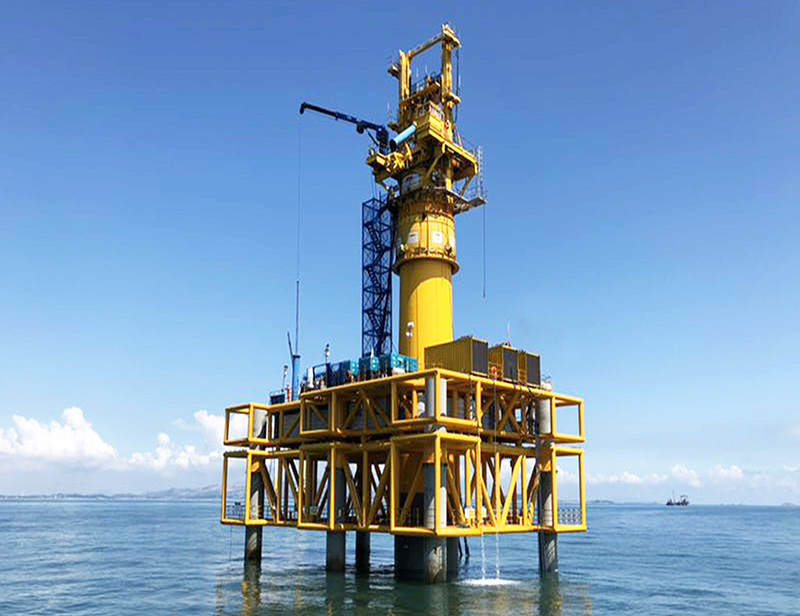
CITIC Heavy Industries Offshore Wind Power Equipment Hydraulic Pile Hammer
CITIC Heavy Industries Co., Ltd.
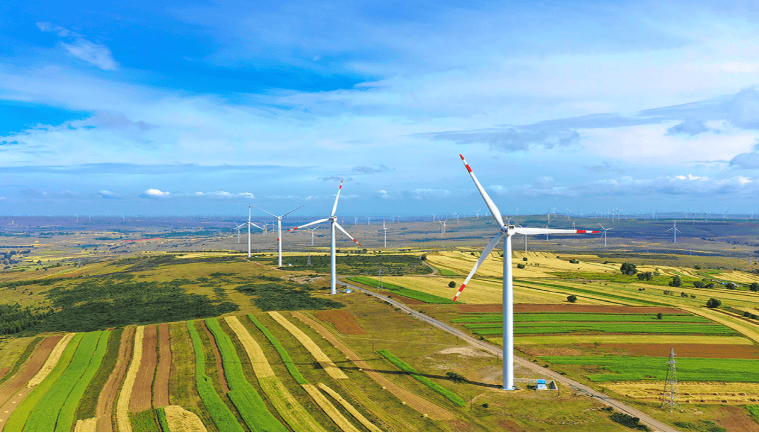
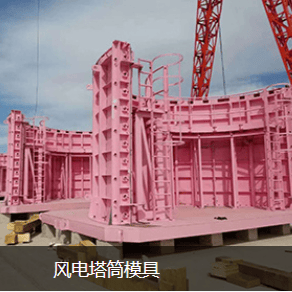
Wind Power Tower Mold
Qinhuangdao Tianye Tolian Heavy Industry & Technology Co., Ltd.