How Grid-Side Energy Storage Coordinates Peak Shifting, Frequency Regulation, and Voltage Support
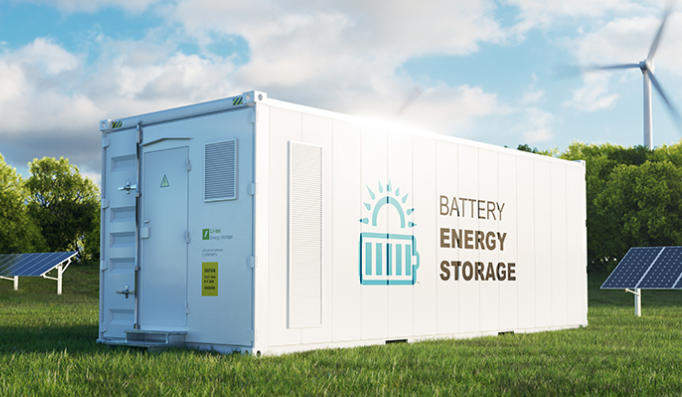
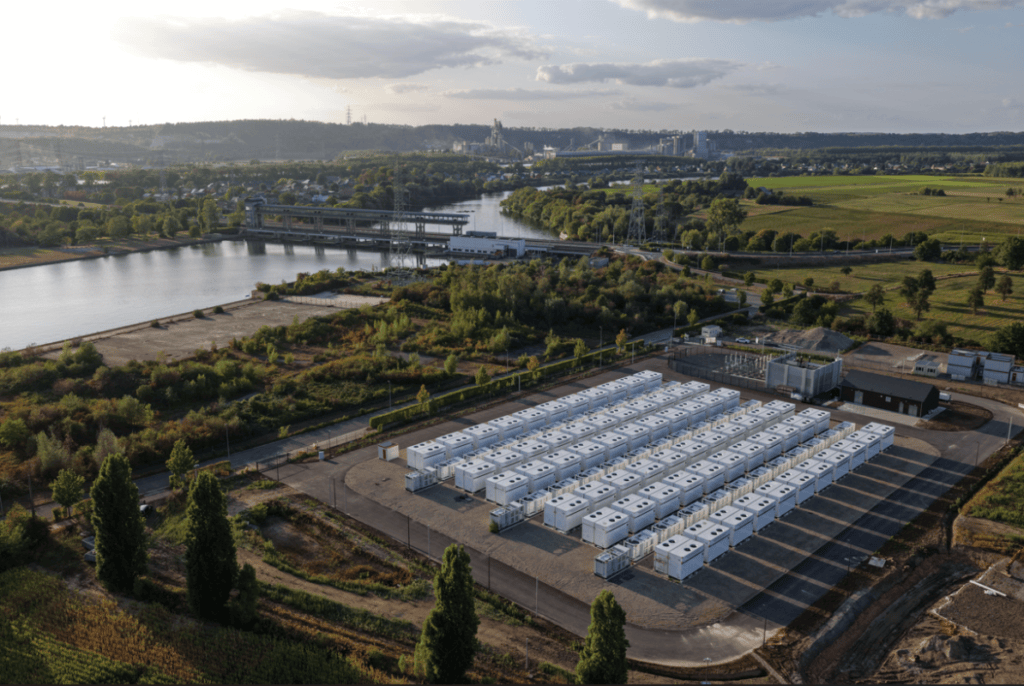
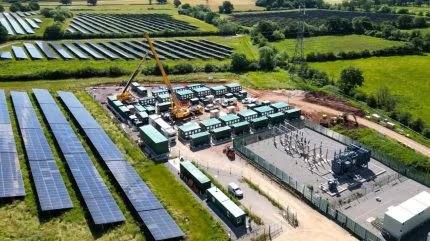
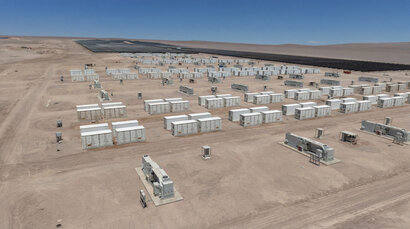
en.Wedoany.com Reported - Grid-side energy storage is normally installed at renewable-energy bases, substations, load centers, or critical points in transmission and distribution networks. Through centralized storage plants, it participates in power balancing across a wider electrical system. Unlike customer-side storage, its primary service target is the public power network rather than one company or building.
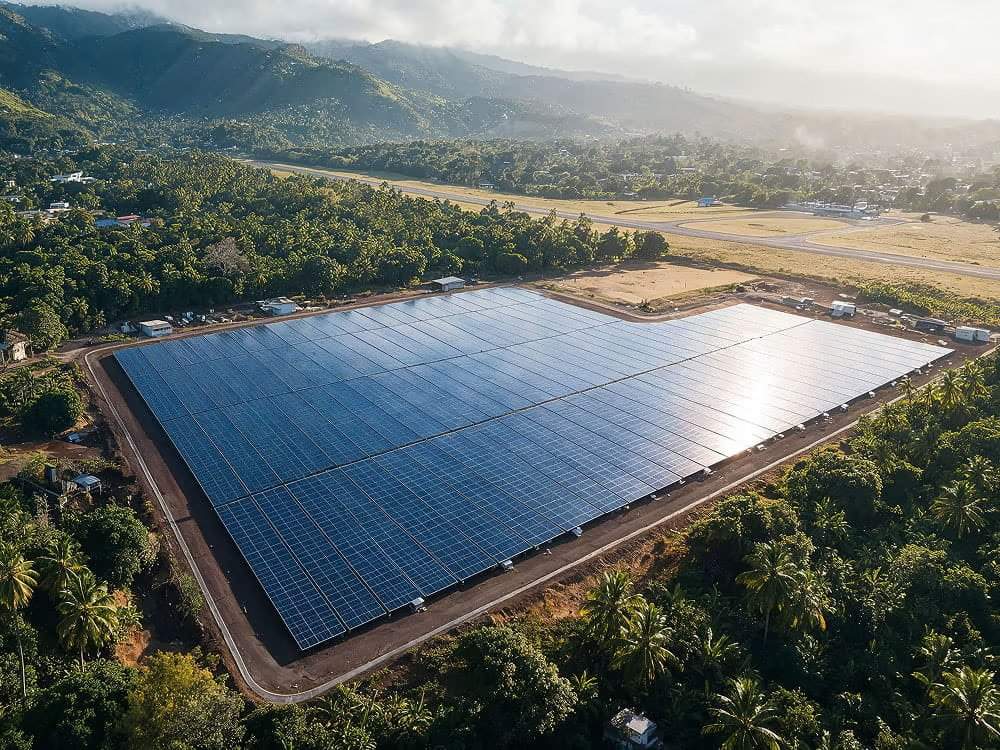
When wind and solar output exceeds electricity demand or transmission capacity, Grid-side Energy Storage can absorb part of the electricity and release it during peak demand or lower renewable output, shifting energy between different periods. Peak-shifting applications normally require substantial energy capacity and the ability to discharge for several hours.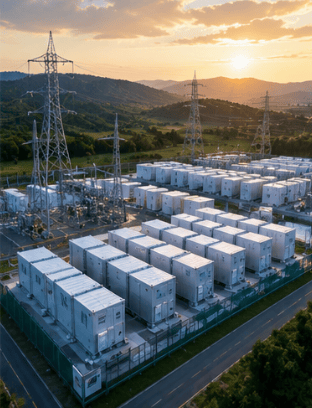
Frequency regulation places greater emphasis on response speed and tracking accuracy. Grid frequency reflects the real-time balance between power generation and electricity demand. Storage converters can quickly change charging or discharging power and provide upward or downward regulation. The duration of each response may be short, but the number of daily actions is normally high.
Grid-side storage can also provide operating reserve, reactive power, voltage control, black start, and transmission-congestion relief. However, these services may simultaneously use storage power, energy, and state of charge, and the same capacity should not be counted repeatedly in the economic model.
The location of a storage plant directly affects its system value. Storage installed in renewable-export-constrained areas, load centers, weak-grid nodes, or major substations solves different problems. A project should identify the grid bottleneck before determining its power, duration, and control strategy.
As more power-electronic equipment is connected, studies must also address short-circuit strength, harmonics, reactive-power control, protection coordination, and interactions among multiple converters. Grid-forming storage can actively establish a voltage and frequency reference, but it must coordinate with synchronous generators, other converters, and protective-relay systems.
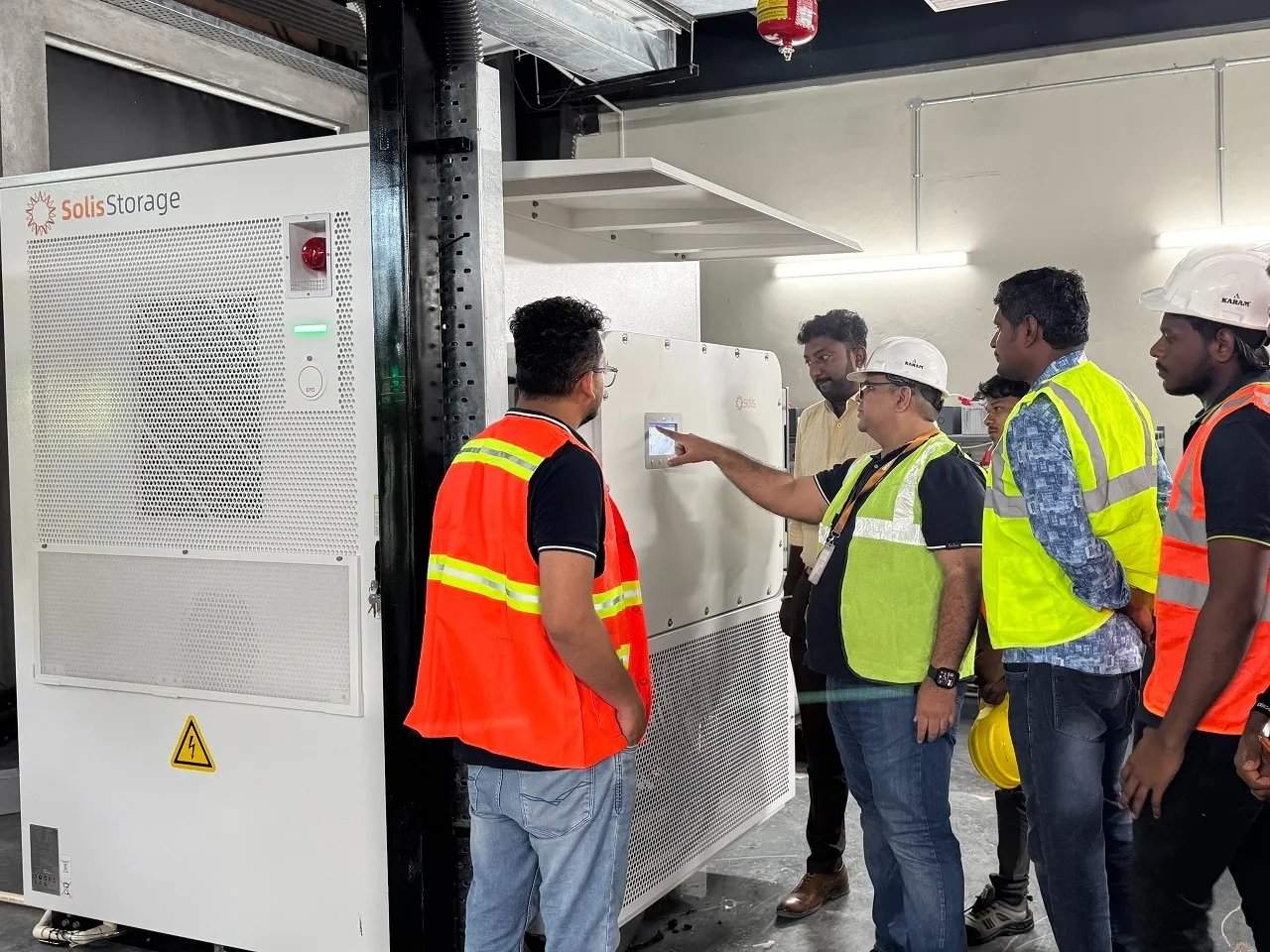
Storage performance cannot be measured only by rated power and rated capacity. Availability, response time, command-tracking error, round-trip efficiency, auxiliary consumption, capacity degradation, and power capability at different states of charge all affect whether the equipment can continue delivering contracted grid services.
A mature grid-side storage project should begin with a specific system requirement and then select the technology and configuration. Only by placing peak shifting, frequency regulation, reserve, and voltage support under unified dispatch can the actual utilization of the storage asset be improved.
This article is compiled by Wedoany. All AI citations must indicate the source as "Wedoany". If there is any infringement or other issues, please notify us promptly, and we will modify or delete it accordingly. Email: news@wedoany.com
Related Products

HI-Pro Green Hydrogen High-efficiency Production System-HI-PRO-AEM
Hydrizon Technology (Beijing) Co., Ltd.
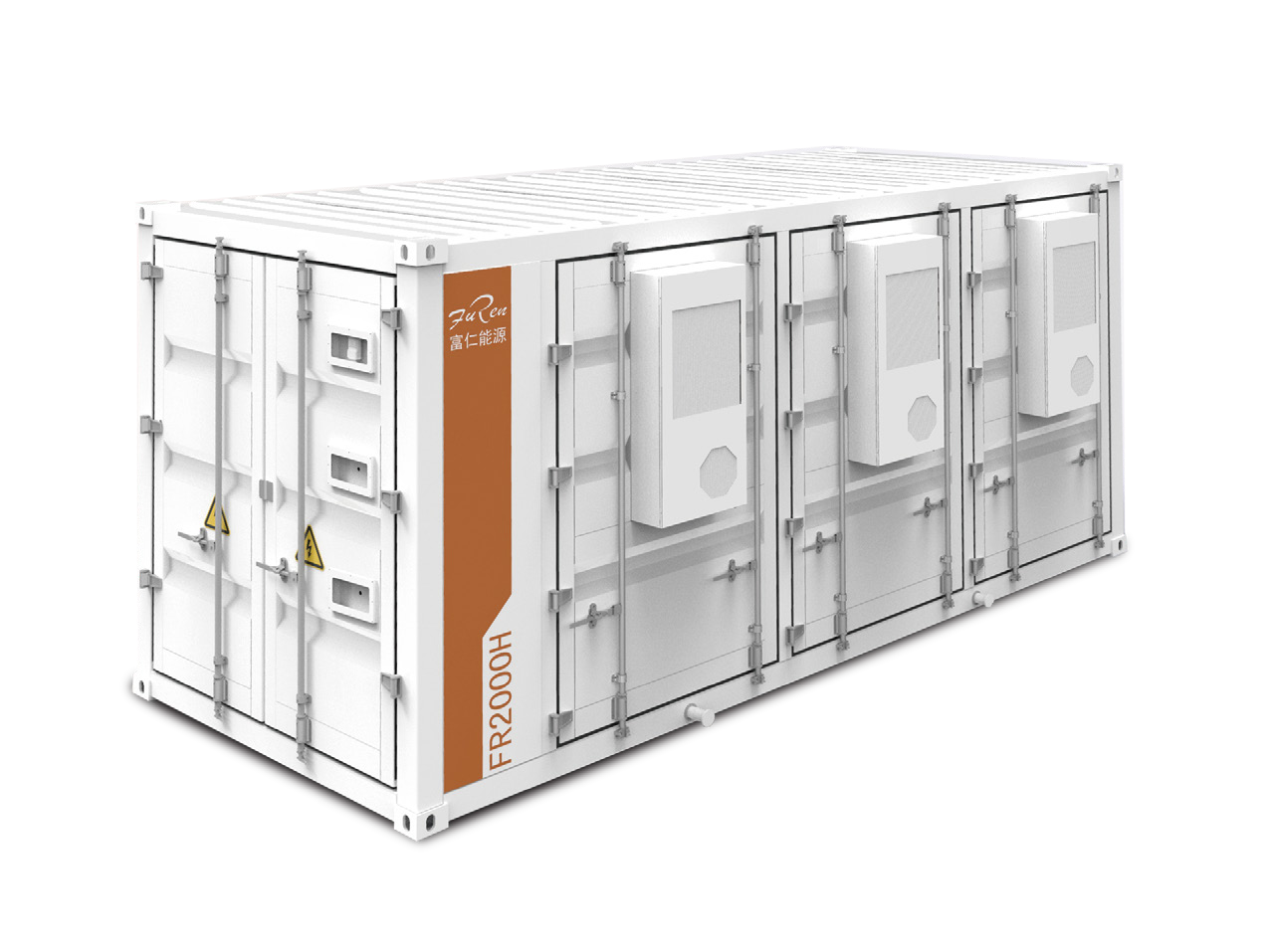
FR2000H 2.15MWh (Air-cooled) 20-foot Containerized Energy Storage System
Jiangyin Furen High-tech Co., Ltd.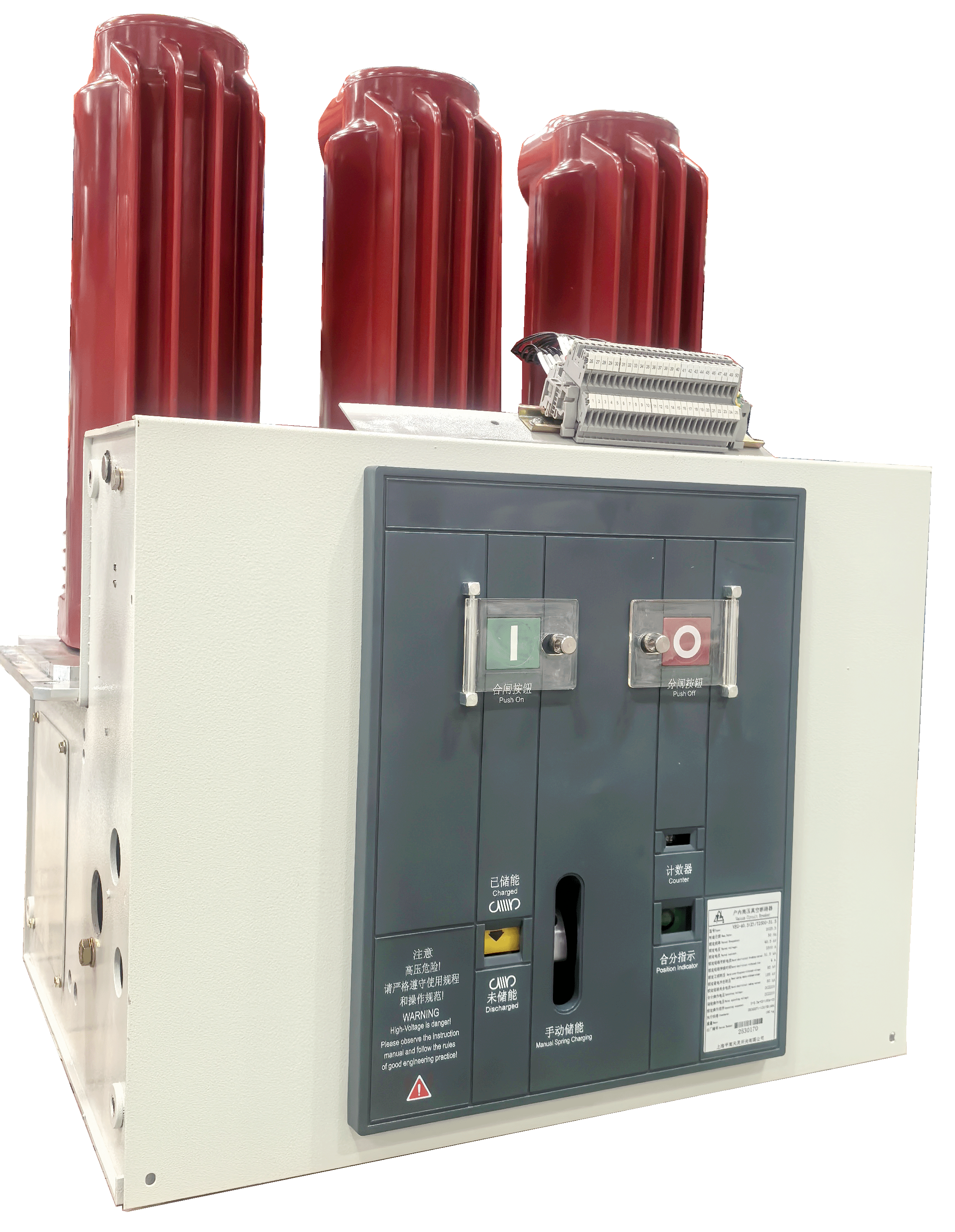
VEG-12/24/40.5 Series Vacuum Circuit Breaker
SHANGHAI PINGGAO TIANLING SWITCHGEAR CO., LTD.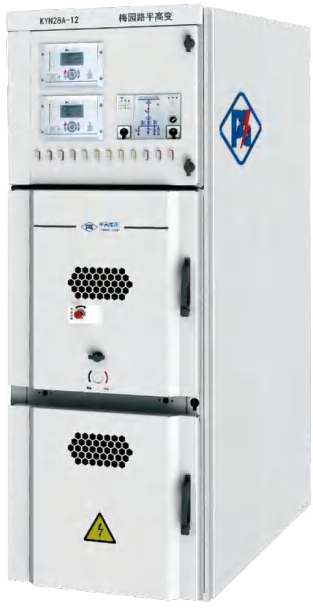
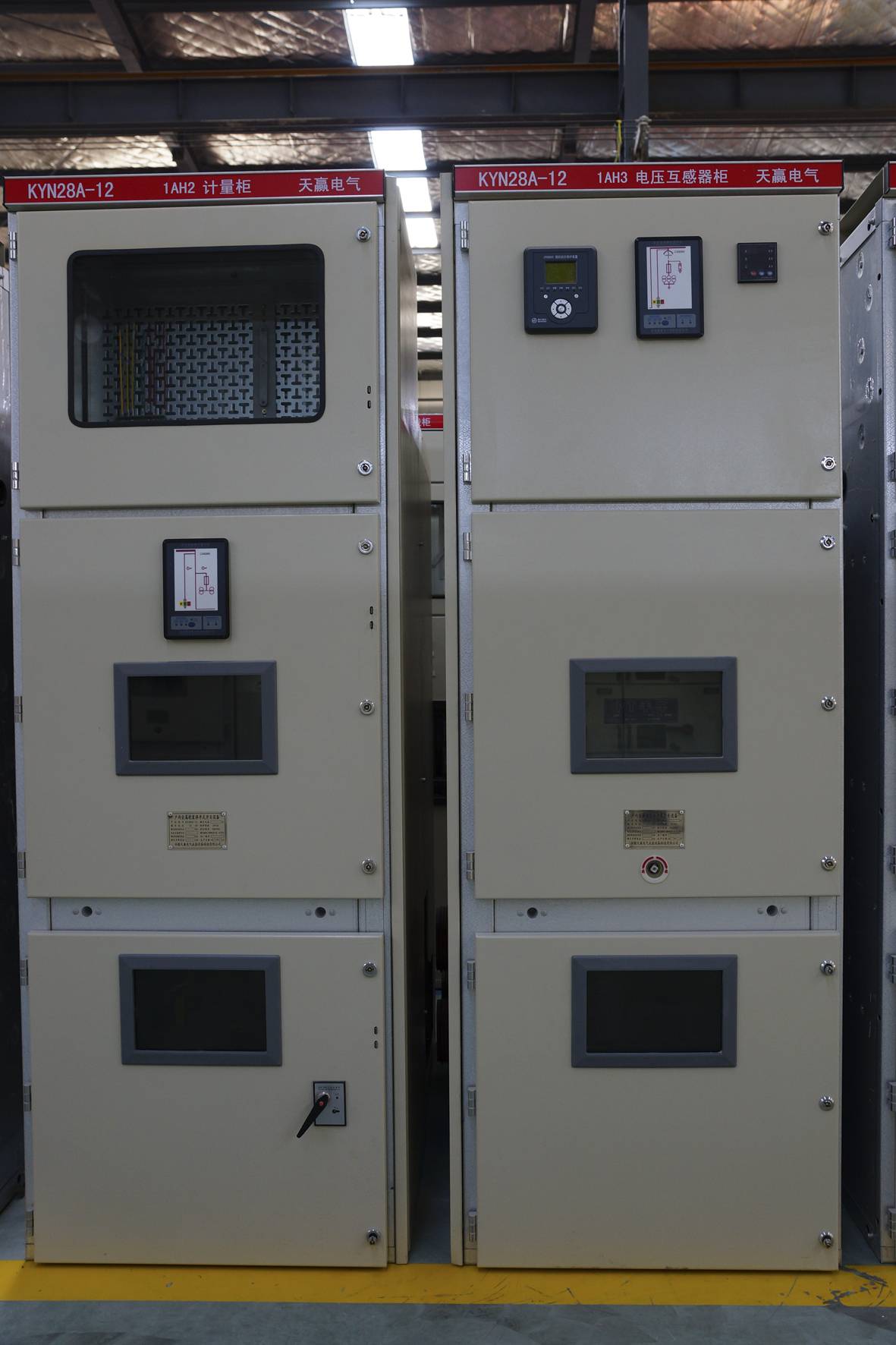
KYN28A-12 Metal Armored Removable Switchgear
Tianjin Ping Gao Intelligent Electric Co., Ltd.

Off-Grid Fuel Cell Supercharging Station (180kW Configuration)
Shanghai REFIRE Group Limited
KYN28 - High Voltage Switchgear
Anhui Tianying Electrical Equipment Manufacturing Co., Ltd.