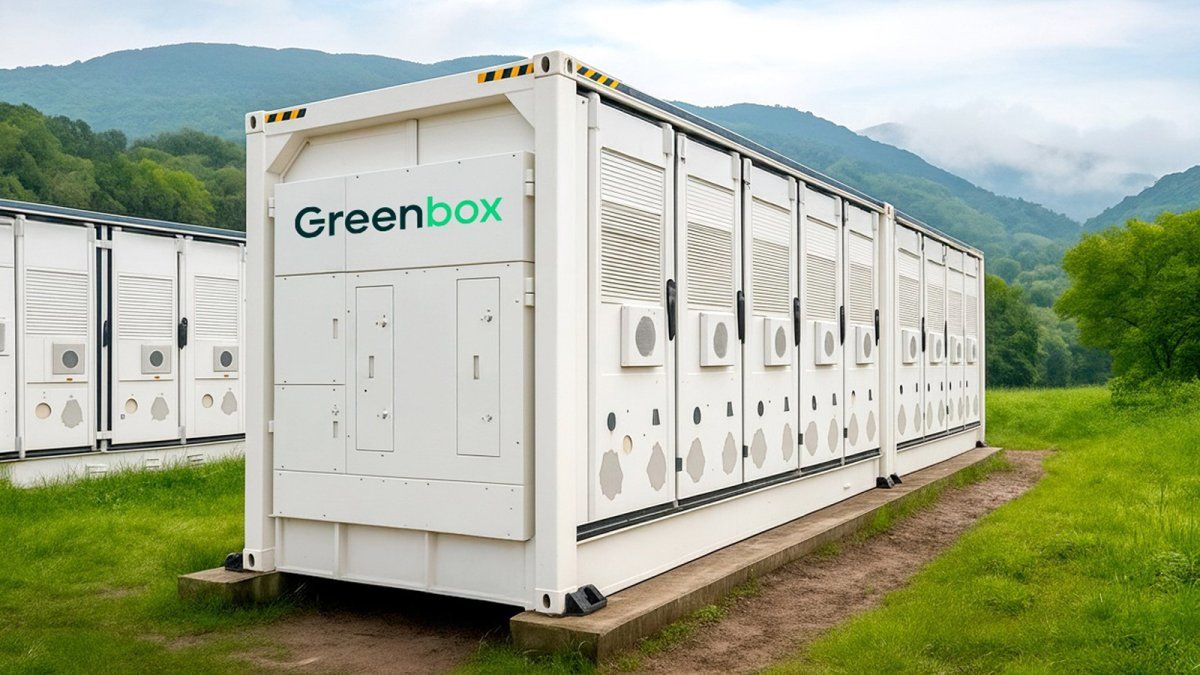
Why Grid-Side Storage Projects Must Manage Capacity Degradation and System Availability
en.Wedoany.com Reported - A grid-side storage plant that reaches its rated capacity when commissioned will not necessarily provide exactly the same power and discharge duration many years later. Battery cycling, calendar ageing, ambient temperature, state-of-charge range, and charge and discharge rates all affect usable capacity and maximum output capability.
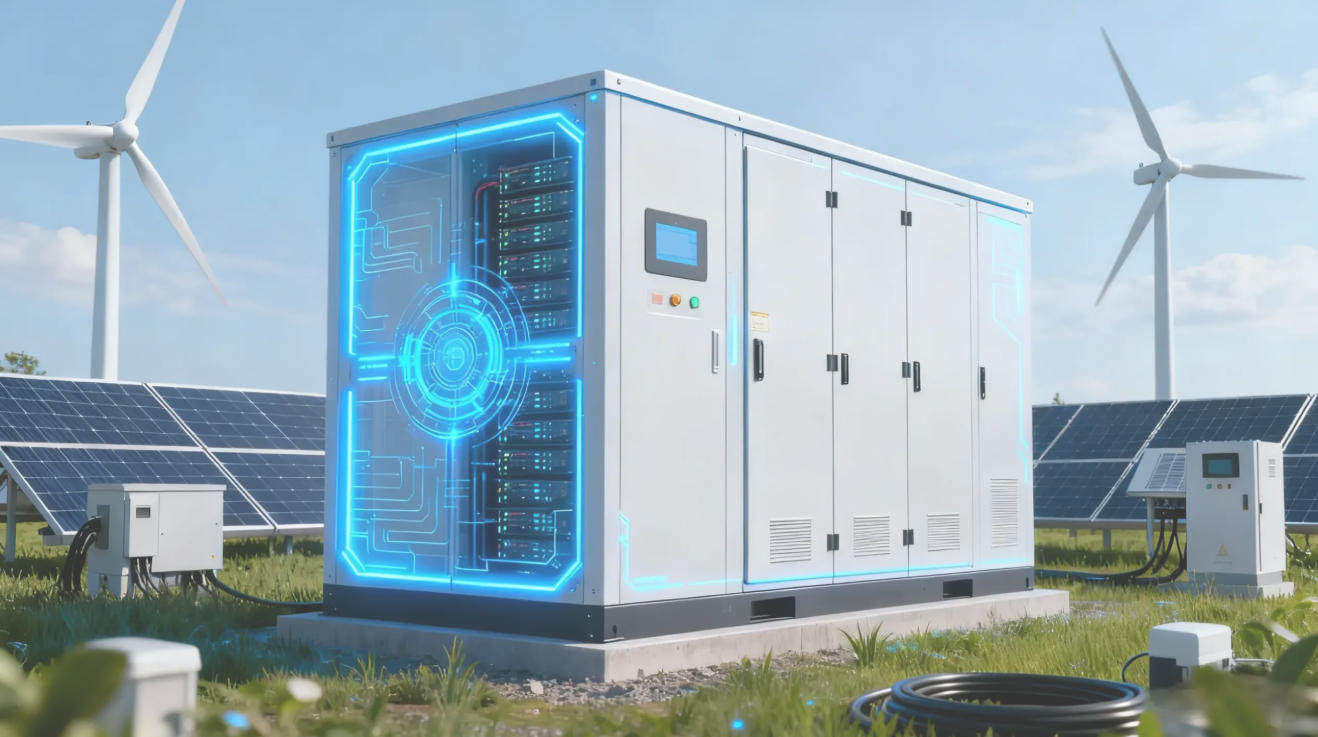
Capacity degradation directly shortens discharge duration. A Grid-side Energy Storage plant originally able to discharge at 100 megawatts for two hours may no longer maintain the full two-hour period after its usable energy declines, even if the converter can still reach 100 megawatts.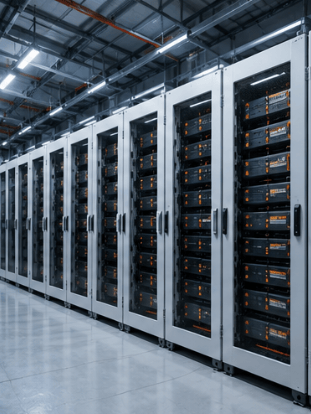
Power capability may also decrease. As battery internal resistance increases, the equipment may reach voltage or temperature limits earlier during high-power charging and discharging. Therefore, measuring capacity without evaluating power performance under different temperatures and states of charge may overestimate the actual frequency-regulation and reserve capability.
Differences among battery strings can also reduce usable system capacity. If one string reaches its maximum or minimum voltage earlier, the complete group may need to stop charging or discharging even though other strings still retain part of their energy.
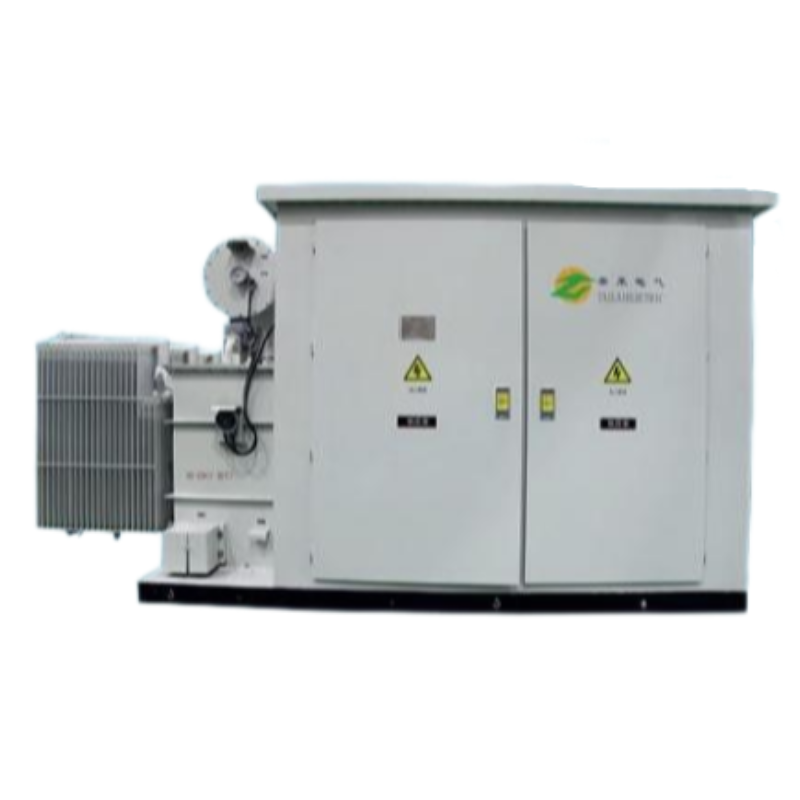
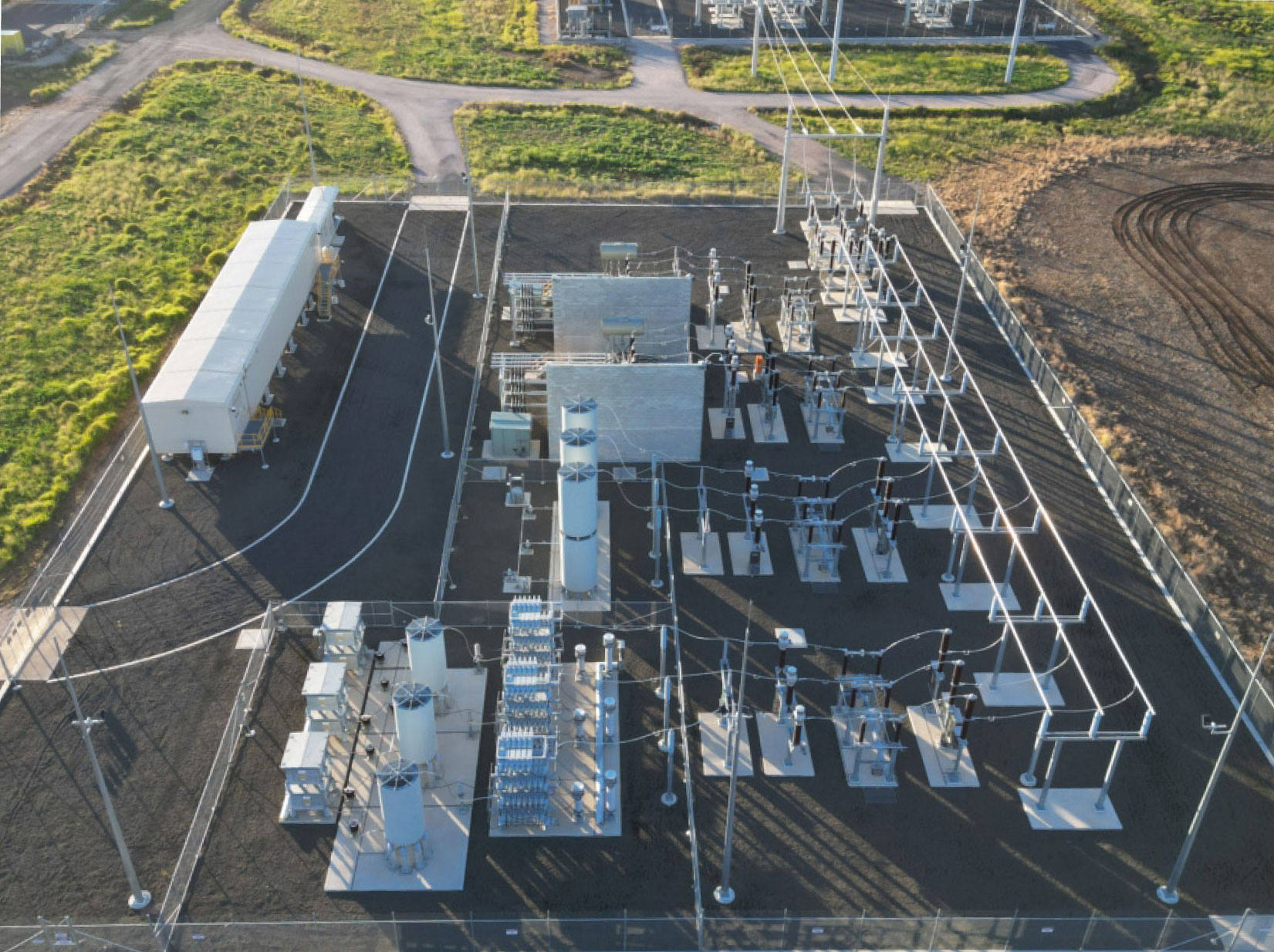
The availability of a storage plant is not determined by batteries alone. Failures in converters, transformers, switchgear, cooling systems, fire protection, communications, or the energy management system may remove part or all of the capacity from service.
Project contracts should clearly define capacity, usable energy, efficiency, and availability, and should specify how test temperature, state-of-charge range, auxiliary consumption, and equipment downtime are calculated. If these definitions are unclear, performance acceptance and responsibility allocation after commissioning can become disputed.
Augmentation should also be planned during the design stage. A project can reserve battery-container space and electrical capacity for later additions, or it can slow degradation by controlling depth of discharge and operating temperature. These approaches require comparison of initial investment, lost revenue, and maintenance complexity.
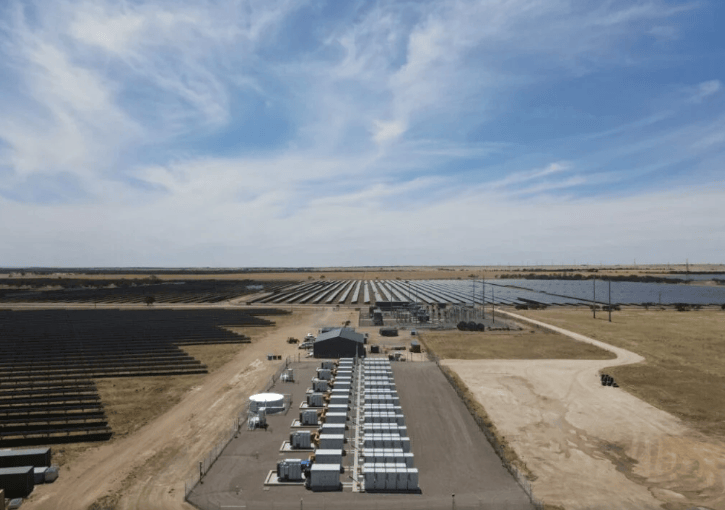
The real capability of grid-side energy storage is not the initial figure shown on the equipment nameplate. It is the power, energy, and response performance that can be delivered reliably at every stage of operation. Continuous capacity testing, condition diagnosis, and system maintenance are required to ensure that the plant continues meeting grid-dispatch requirements.
Related Products

714CD Series C-Band Weather Radar
Chengdu Zhongdian Jinjiang Information Industry Co., Ltd.
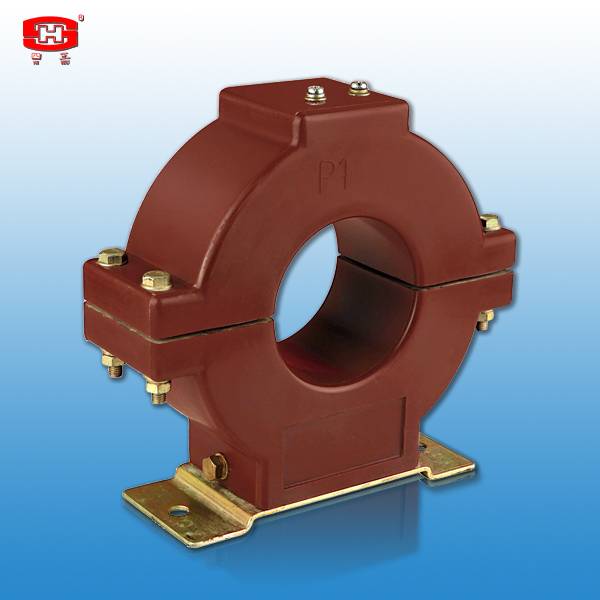
0.66kV Power Supply Instrument Transformer
Guangdong Sihui Instrument Transformer Works Co., Ltd.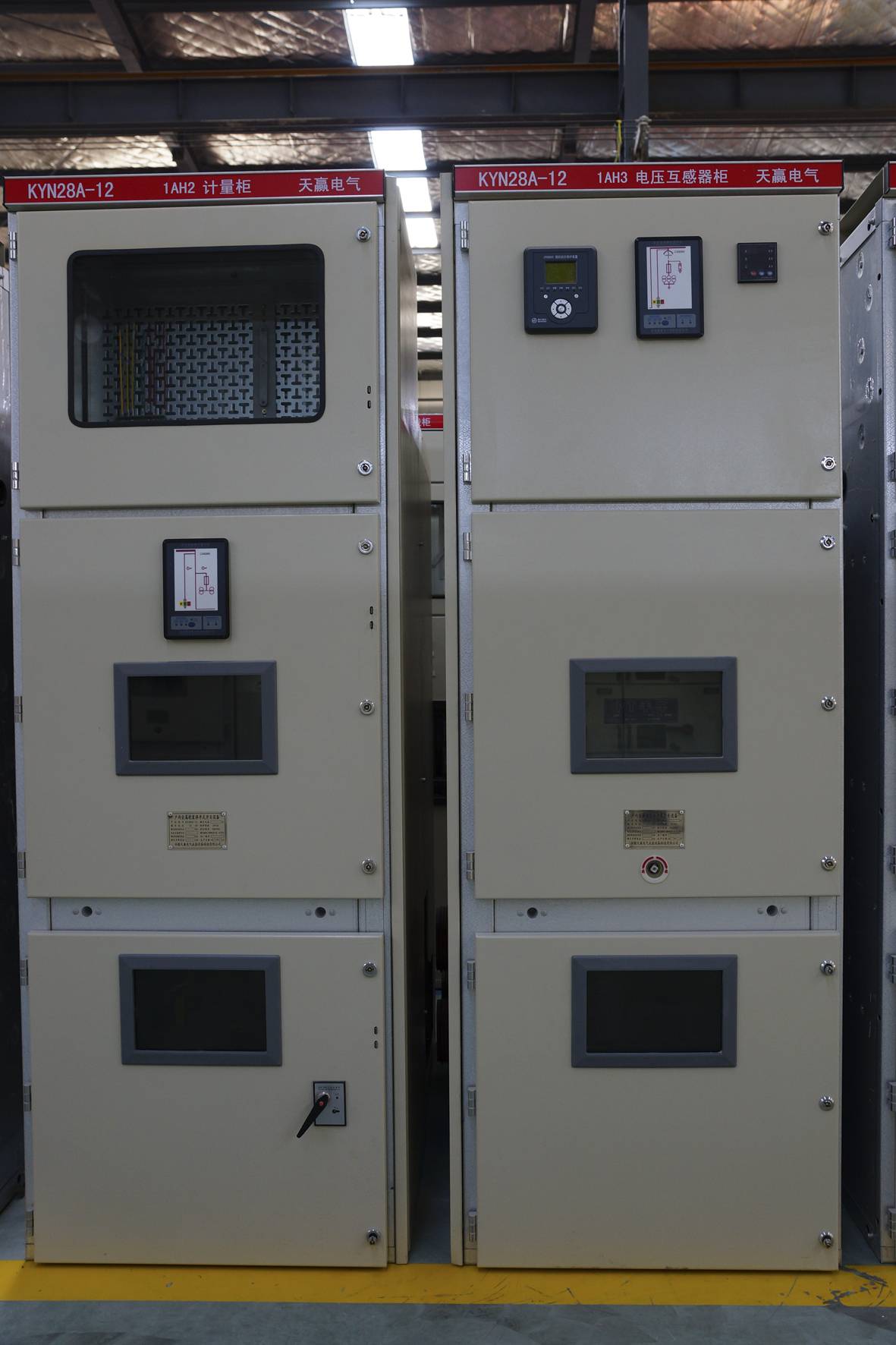
KYN28 - High Voltage Switchgear
Anhui Tianying Electrical Equipment Manufacturing Co., Ltd.
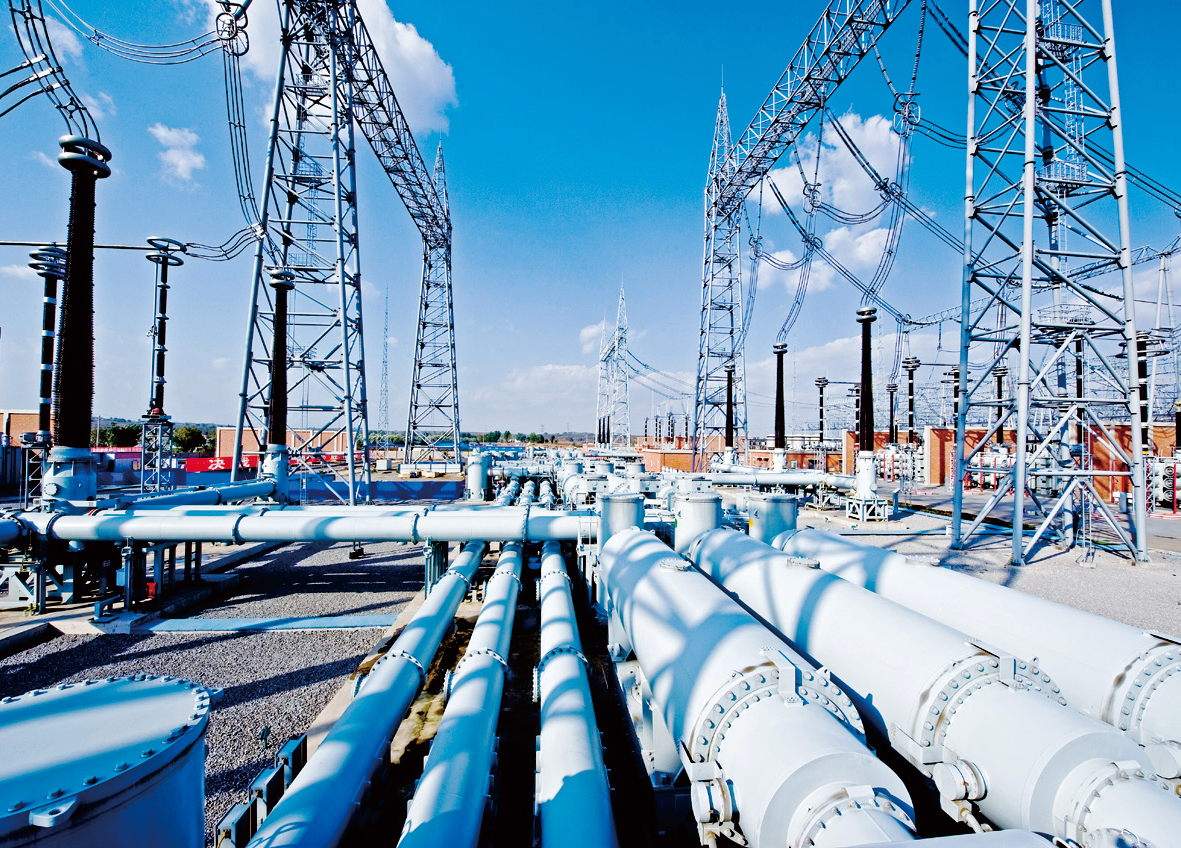
40.5kV-1100kV Gas Insulated Metal-Enclosed Switchgear (GIS)
Henan Pinggao Electric Co., Ltd.
High-voltage Direct Current (HVDC) Transmission System Research and Integrated Design
XI'AN XD POWER SYSTEMS CO., LTD.
Perfluorinated Ionic Membrane-CM-10N Series Membrane
Guizhou Juneng Century Technology Co., Ltd
PCS-901 Series Ultra (Extra) High-voltage Transmission Line Complete Protection Device
Nanjing NR Electric Co., Ltd.