Schneider Electric Partners with Southern California Edison to Deploy SF₆-Free Switchgear at U.S. Substations
en.Wedoany.com Reported - On June 30, Schneider Electric announced a partnership with Southern California Edison (SCE) to deploy sulfur hexafluoride (SF₆)-free gas-insulated switchgear at existing substations in California. This technology replaces the commonly used greenhouse gas SF₆ in traditional power equipment with pure air and vacuum, and features a compact modular design, expected to double capacity within the original site footprint.
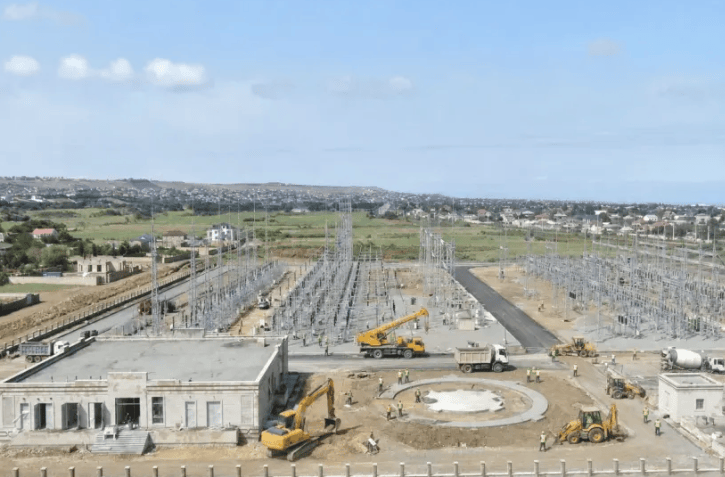
The first two projects are located at the Big Lake Substation in the Antelope Valley region of northern Los Angeles County and the Running Springs Substation in the San Bernardino Mountains east of Los Angeles, both existing facilities within SCE's grid. Installation work is scheduled to begin in 2027, supporting SCE's long-term plan to gradually promote substation modernization.
"Our customers and communities are increasingly reliant on electricity," said SCE Senior Vice President of System Planning and Engineering, Sinjin Menon. "Within our service area, electricity demand is growing at an unprecedented rate. We are committed to upgrading the grid architecture to deliver power to customers faster while keeping rates affordable. The compact switchgear has a smaller footprint, faster installation, and is inherently safe and reliable. It is also digital-ready and environmentally friendly, making it a key component of our future grid buildout."
The GMAirSeT™ switchgear provided by Schneider Electric replaces SF₆ with clean air and vacuum technology, helping to reduce emissions while maintaining the reliability of power services. The modular design allows SCE to complete upgrades without extensive reconstruction of existing facilities, shortening construction timelines, better utilizing existing space, and reducing disruption to surrounding communities.
"Utilities shouldn't have to choose between speed, cost, and clean energy," said Ruben Llanes, CEO of Digital Grid and President of North America Power & Grid at Schneider Electric. "This enables Southern California Edison to bring new capacity online faster while controlling project costs and reducing emissions."
California utilities are facing the multi-faceted task of expanding capacity, integrating new loads, and meeting environmental requirements. SF₆-free medium-voltage technology has previously been deployed in parts of Europe and Asia, but its application in U.S. power substations remains relatively limited. Such deployments demonstrate that mature alternative technologies can help utilities achieve environmental goals while maintaining performance and reliability. New York State has also enacted SF₆ phase-out regulations, with the New York Independent System Operator forecasting that electricity demand in the region will increase by approximately 1,600 megawatts to over 4,000 megawatts by 2030.
"California and New York are advancing electrification and grid modernization," said Michelle Hicks, Vice President of Strategic Customers and Segments, North America Operations at Schneider Electric. "Seizing this opportunity requires deep collaboration between utilities and technology partners. Such innovations not only expand capacity and strengthen infrastructure, but also lay the foundation for a more resilient, digital, and low-carbon energy future for the United States."