China Railway Implements New Train Operation Schedule Today
en.Wedoany.com Reported - Starting from midnight on July 1, a new train operation schedule has been implemented across the national railway network, with 12,174 scheduled passenger trains, an increase of 106 compared to the previous schedule; and 23,975 freight trains, an increase of 111 from the previous schedule.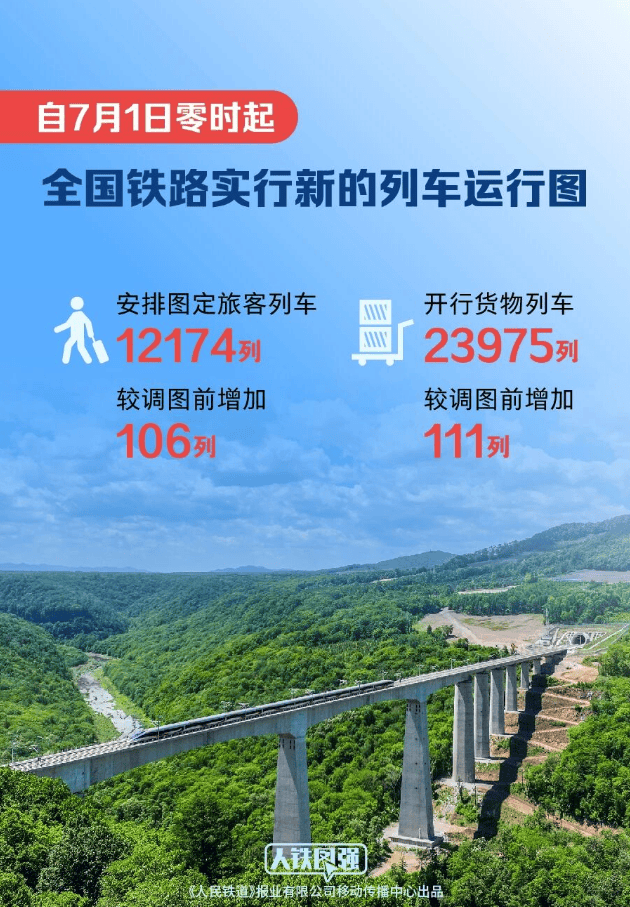
This schedule adjustment is an optimization and adjustment of the national railway train operation plan by the railway department, fully implementing the decisions and deployments of the Party Central Committee and the State Council, adhering to a people-centered development philosophy, guided by market demand, continuously deepening supply-side structural reform in transportation, coordinating the use of new lines, new stations, and other transportation resources, focusing on expanding capacity, improving quality, and enhancing efficiency in passenger and freight transport. This will further improve the overall efficiency of the railway network and continuously optimize passenger and freight transport products, injecting new momentum into convenient and efficient travel for the people, building a strong Chinese market, and promoting high-quality development of regional economies and societies.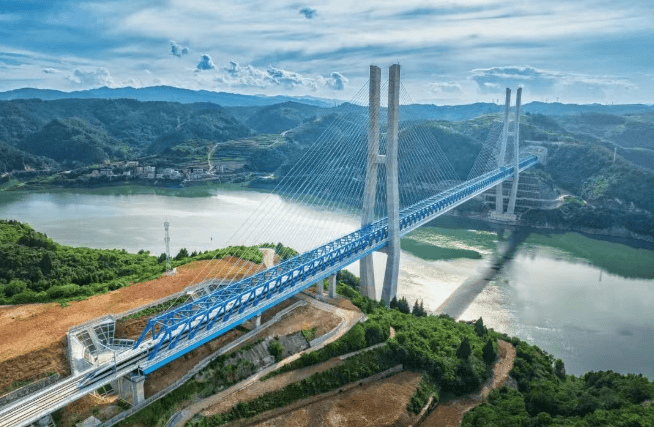
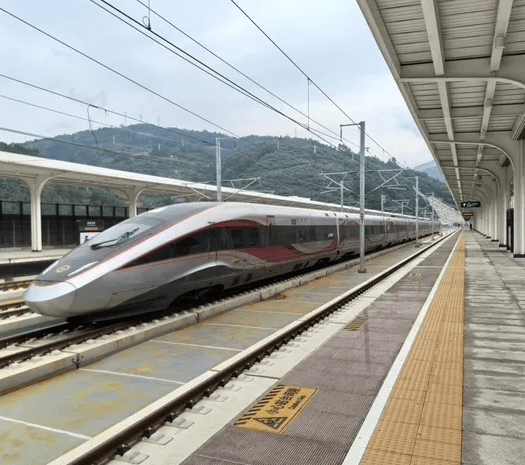
First, utilize the new line capacity of the Xi'an East to Shiyan East section of the Wuhan-Xi'an High-Speed Railway, optimize the train operation schedule for the central and western regions, and support regional economic and social development. Leveraging the Xi'an East to Shiyan East section of the Wuhan-Xi'an High-Speed Railway, which opened on June 30, optimize the train operation schedule for the central and western regions, arranging 58 EMU trains in directions such as Xi'an East (Xi'an North) to Nanyang East, Hankou, and Chongqing North, further strengthening connections between the northwestern region and the central, southern, and southwestern regions, shortening travel times. The shortest travel time from Xi'an East to Hankou Station is 2 hours and 41 minutes, a reduction of 1 hour and 1 minute compared to the previous schedule from Xi'an North via the Xuzhou-Lanzhou and Beijing-Guangzhou High-Speed Railways to Wuhan Station. The old revolutionary base area of Shangluo has entered the high-speed rail era, with the first two EMU trains from Shangluo West to Beijing West; Shaoshan South and Yan'an have launched EMU train services for the first time, connecting two major famous red tourism destinations, providing convenience for tourists' red tourism. Utilizing the newly opened Xi'an East Station, 54 EMU trains from Xi'an to Chengdu, Yan'an, and Yinchuan have been adjusted from Xi'an North Station to start and end at Xi'an East Station, and 53 conventional-speed passenger trains on the Xi'an-Ankang Railway will stop at Xi'an East Station for passenger services.
Second, coordinate the use of line capacity and equipment resources to further optimize and upgrade passenger transport products. Sixteen conventional-speed passenger trains on lines such as Beijing-Guangzhou, Beijing-Shanghai, and Longhai have been upgraded, with 14 Z- and T-series trains upgraded to D-series EMU trains. The first D-series EMU train has been launched between Beijing and Urumqi, and two T-series trains have been upgraded to Z-series direct express trains, with travel times from Chengdu East to Beijing West and Urumqi to Chongqing West reduced by 8 hours 9 minutes and 2 hours 26 minutes, respectively.Fourteen EMU trains have been added in directions such as Taiyuan South to Nanchang West and Wenling, Jinan to Xuchang East, and Guangzhou South to Yiwu, promoting personnel exchanges between cities in North China and East/Central China; eight conventional-speed passenger trains have been added, such as Hongqiqu to Xinyang and Taishan to Handan, facilitating red study tours and short-distance sightseeing trips; adapting to passenger demand in some areas, 19 conventional-speed passenger trains, such as Nanning to Tianjin and Yinchuan to Fuzhou, have been launched by changing the sections of existing trains; six conventional-speed loop trains have been arranged for the Wuhan hub, creating a distinctive urban sightseeing special tourist line. During peak morning and evening hours on some high-speed rail lines in the Beijing-Tianjin-Hebei region, the Yangtze River Delta, and the Guangdong-Hong Kong-Macao Greater Bay Area, EMU trains have been added, including two on the Beijing-Guangzhou High-Speed Railway from Beijing to Xingtai, one on the Beijing-Shanghai High-Speed Railway from Tianjin to Beijing, two on the Shanghai-Nanjing Intercity Railway from Shanghai to Suzhou, one on the Shanghai-Kunming High-Speed Railway from Yiwu to Hangzhou East, and one each from Yunan, Huaiji, and Yangjiang to Guangzhou South, providing more convenience for commuters. The operation of public welfare "slow trains" and rural revitalization trains will continue to meet the travel needs of people in remote areas.
Third, optimize the train operation plan for key hubs to enhance the comprehensive transport efficiency of the regional railway network. In the Beijing area, utilize the newly put-into-use capacity expansion project of the western section of the Beijing Suburban Sub-center Line (Beijing West to Liangxiang section), adding 14 suburban trains from Beijing West to Liangxiang, increasing the total number of suburban trains on this line to 26, with 8 each during the morning and evening peak hours; six conventional-speed passenger trains and two intercity trains have been adjusted from Beijing West Station to start and end at Beijing Fengtai Station, effectively meeting the suburban train operations at Beijing West Station. In the Nanchang area, utilize the newly put-into-use Nanchang South to Tangcun line connection, arranging 36 EMU trains between Nanchang, Nanchang East, and Nanchang West, optimizing the division of major passenger stations in Nanchang, adjusting the start and end stations of 31 EMU trains, and increasing the number of stops for EMU trains at Nanchang, Nanchang East, Nanchang West, and Nanchang South by 37 times, further improving the accessibility of the Nanchang hub. In the Guangzhou area, utilize the newly put-into-use Foshan Station, arranging 35 EMU trains on the Beijing-Guangzhou High-Speed Railway and Guangzhou-Shenzhen Railway to be extended from the Guangzhou hub to start and end at Foshan Station, further promoting the integrated development of Guangzhou and Foshan.
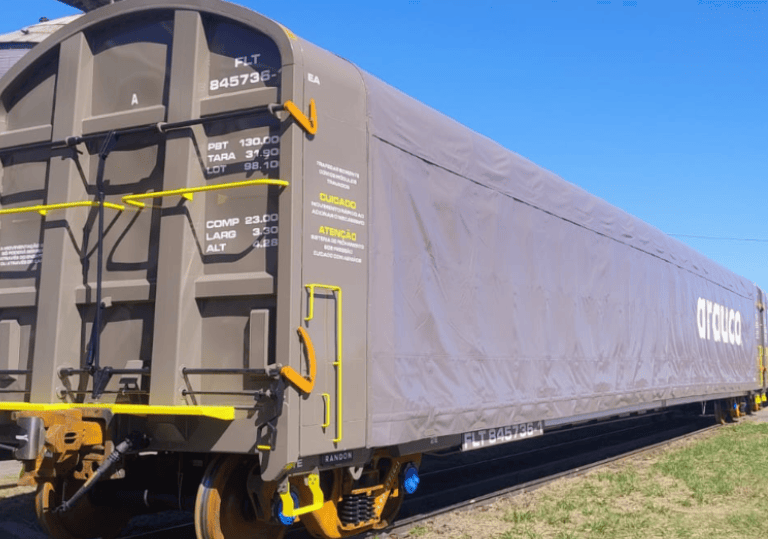
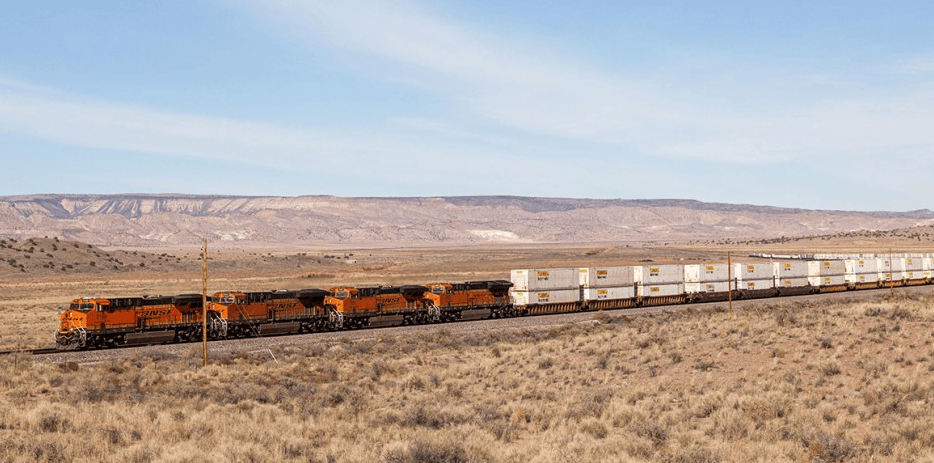
Fourth, enrich and improve the railway logistics product system to help reduce overall social logistics costs. Coordinate market demand and transport capacity, optimize the supply of railway logistics products, arranging 527 cross-railway group company freight block trains, an increase of 22 from the previous schedule. Optimize intercity block train products, arranging 8 express intercity block trains and 55 fast intercity block trains, including adding 2 fast intercity block trains such as Jiangcun to Wuxi and Korla to Xuzhou North, and 84 regular intercity block trains, including adding 3 regular intercity block trains such as Luofu to Guangyuan South, Liuzhou South to Jiangcun, and Jiangcun to Loushan; optimize multimodal transport block train products, arranging 90 fast multimodal block trains, including adding 9 fast multimodal block trains such as Zengcheng West to Linyi and Zengcheng West to Shaliang, and 129 regular multimodal block trains, including adding 16 regular multimodal block trains such as Huaihua West to Qinzhou Port East and Xi'an International Port to Wuhu East; continue to operate express logistics demonstration block trains in major economic regions such as the Beijing-Tianjin-Hebei region, the Yangtze River Delta, the Guangdong-Hong Kong-Macao Greater Bay Area, and Chengdu-Chongqing, facilitating the flow of resources and factors between regions and serving the construction of a unified national market. Optimize the organization of China-Europe (Central Asia) train transport, arranging 96 and 65 scheduled routes for China-Europe and China-Central Asia trains, respectively, an increase of 3 each from the previous schedule, ensuring the safety and smooth flow of international supply chains and industrial chains, and promoting economic and trade exchanges between Asia and Europe.
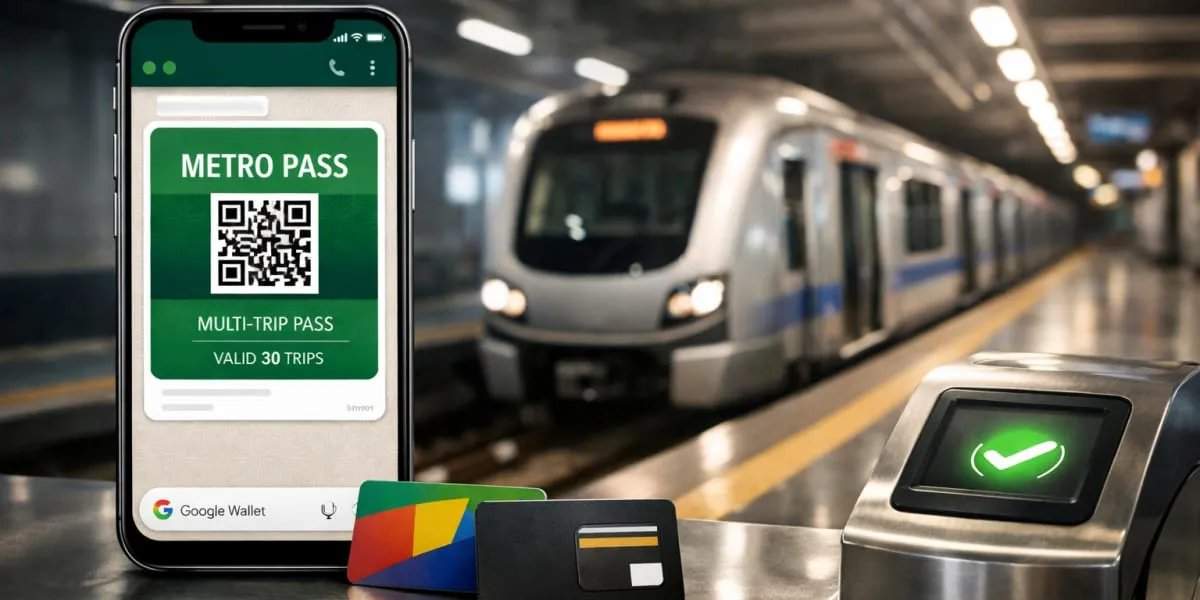
Fifth, improve the quality of passenger and freight transport services to provide a better experience for passengers and customers. Implement the new version of the "China State Railway Group Passenger Transport Regulations", continuously optimize the functions of the railway 12306 system, implement a series of convenient and beneficial measures such as free ticket refunds for mistaken purchases within a limited time and a dedicated telephone booking service for elderly passengers, continuously improve the convenience and inclusiveness of passenger travel, expand the "quiet carriage" service to over 8,000 EMU trains, expand the "Pet Travel" service to 163 high-speed rail stations and 364 EMU trains, cover 212 stations with the "Light Travel" service, provide a "Bicycle Carry-on" service at stations along the Beijing-Zhangjiakou High-Speed Railway from Beijing North to Chongli, offer online meal ordering services at 94 stations nationwide, and provide passengers with "a good boxed meal". One hundred and twenty stations nationwide have implemented convenient transfers within the station for passengers with connecting tickets, and 50 stations have implemented security check exemptions for passengers arriving by train transferring to the subway. Proactively coordinate with local cultural and tourism departments to create new "Railway+" consumption scenarios, arrange the operation of distinctive tourist trains such as family trips, study tours, red tours, and health and wellness tours, promote "trains heading towards scenic spots", actively serve diverse travel needs such as sports events, exhibitions, performances, and study tours, customize the operation of themed trains such as "Fan Special Trains", "Concert Special Trains", and "Study Tour Special Trains", attract emerging passenger flows, effectively stimulate cultural and tourism consumption along the routes, and continuously promote the integrated development of railways and tourism. Deepen railway logistics reform and innovation, accelerate the construction of a modern railway logistics system, actively expand full-process logistics packages and logistics financial services, continuously optimize and improve the functions of the 95306 platform, vigorously develop multimodal transport with "single document" and "single container" systems, promote the application of the China Railway Network Freight Logistics Platform, help reduce overall social logistics costs, and better serve the development of the real economy.
The railway department reminds that after the implementation of the new schedule, passengers and customers can obtain train operation information and service updates through the railway 12306 and 95306 websites, apps, and WeChat channels, or follow dynamic information released by local railway departments and announcements at major railway stations, to facilitate the arrangement of travel and freight transport matters.
Related Products

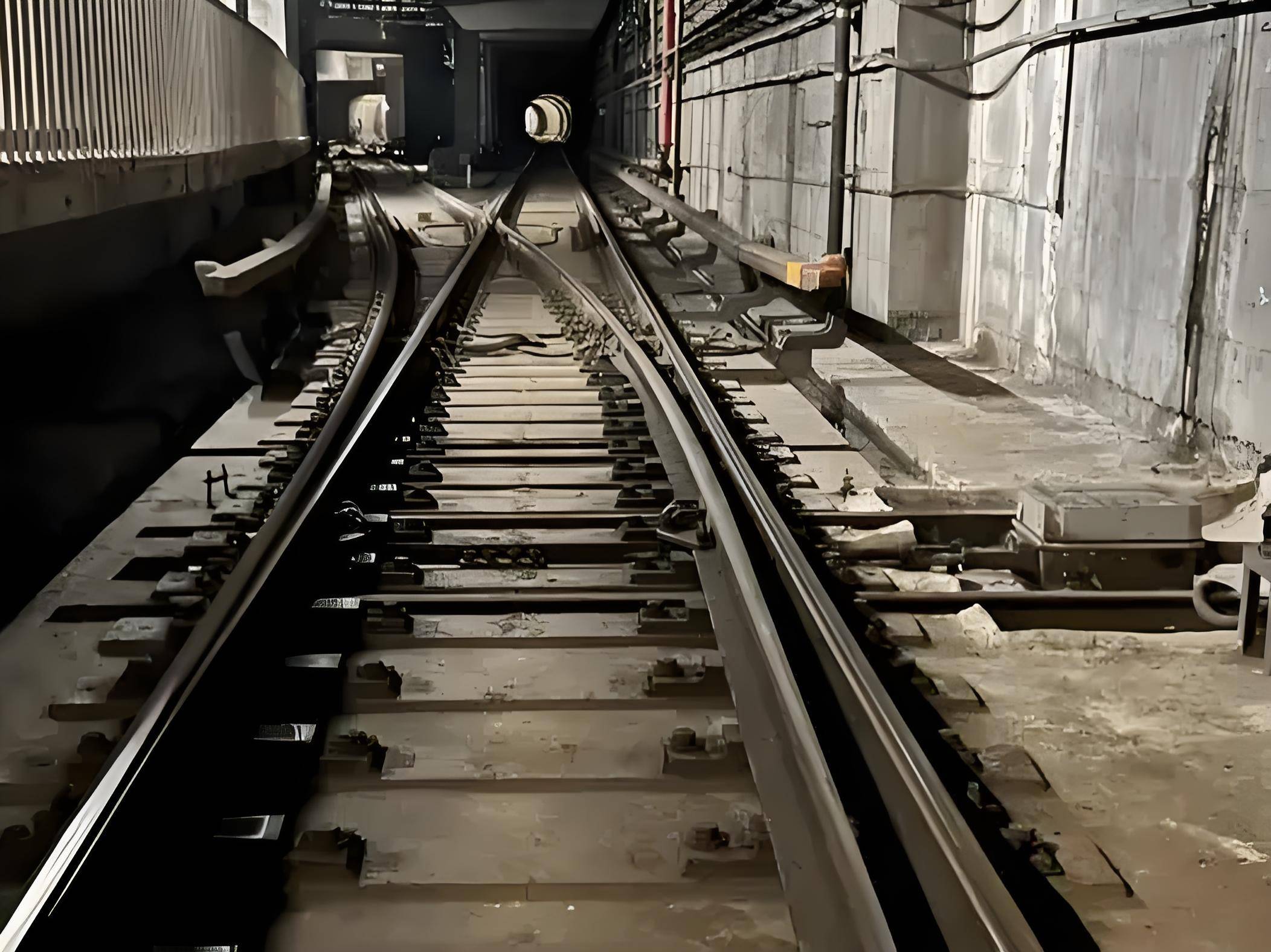
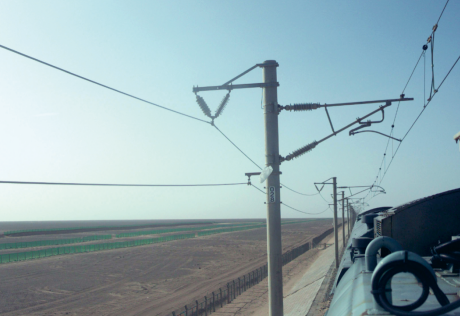
Pantograph-Catenary Comprehensive Detection Device (1C)
CHENGDU TANGYUAN ELECTRIC CO., LTD.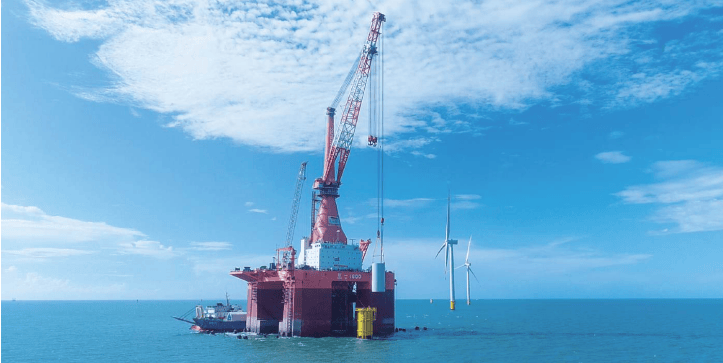
"Shunyi 1600" Deep-submerging Bottom-sitting Multi-functional Wind Power Engineering Vessel
Zhengli Offshore Engineering Co., Ltd.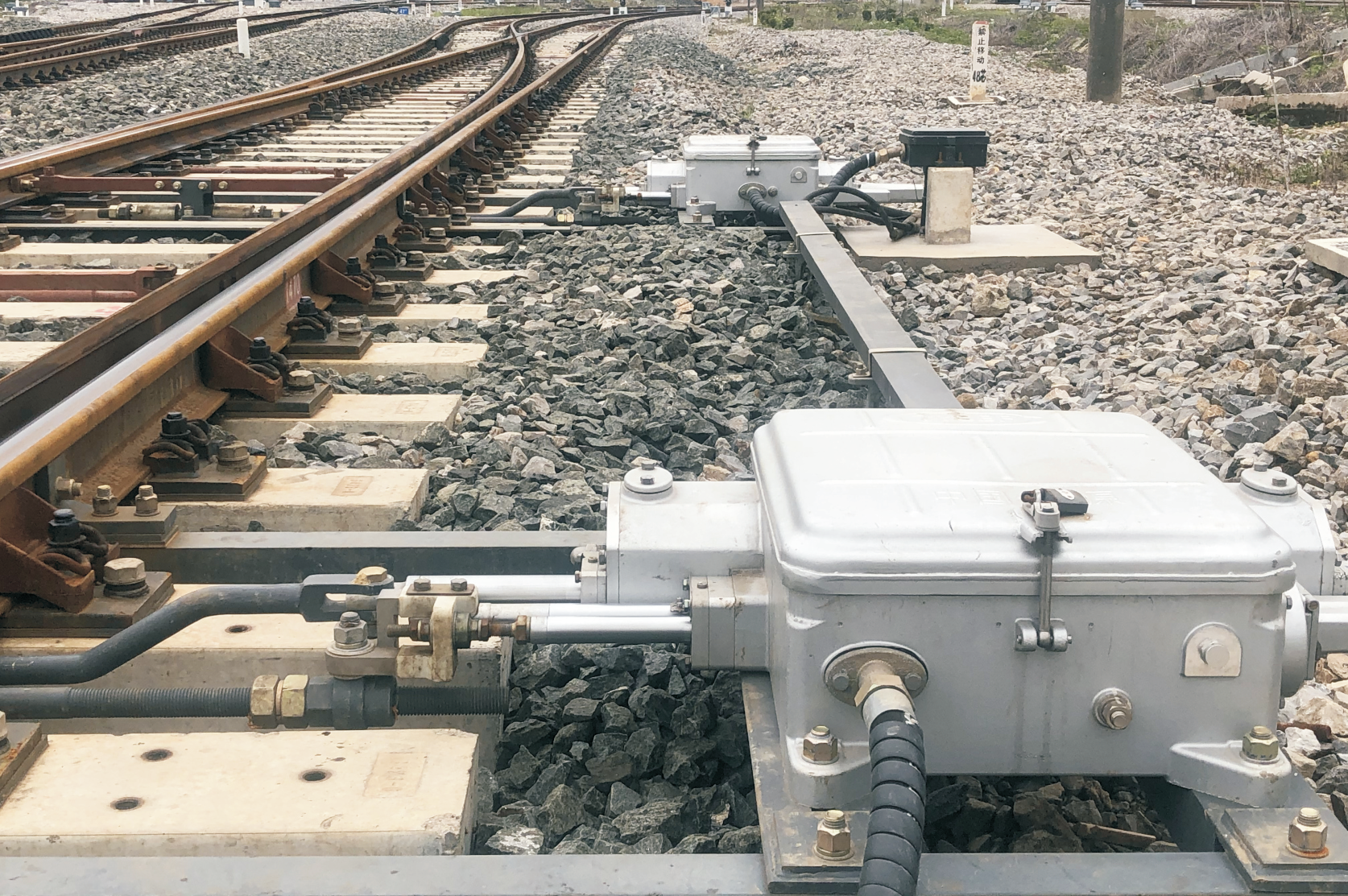
ZY(J)7(M) Sealed Type Electro-Hydraulic Turnout Machine
TAIYUAN CR JINGFENG EQUIPMENT TECHNOLOGY CO., LTD.
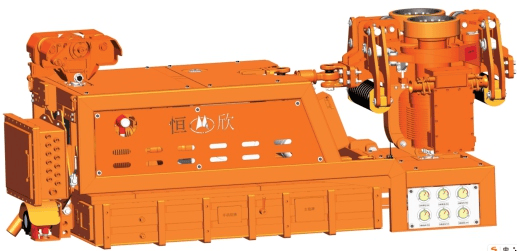
Explosion-proof lithium battery dispatching monorail crane locomotive (permanent magnet frequency conversion integrated machine)
Xiangtan Hengxin Industrial Co., Ltd.