US-based Nomerra Completes $2 Million Pre-Seed Funding
en.Wedoany.com Reported - Nomerra has completed a $2 million pre-seed funding round, led by 14Peaks Capital, with participation from Redstone Fintech and senior individuals from companies such as KKR and Intapp. The company plans to use the funds to expand its engineering team and meet the needs of asset servicers in the US and Europe, aiming to leverage AI-native automation to handle the largely manual processes in private market back-office operations.
The private market is expected to expand from $13 trillion to over $30 trillion in the coming years, yet the operational infrastructure supporting these assets has barely changed. Many teams still manually transfer data from one system to another, often repeating the process multiple times per transaction. Back offices have long relied on emails, PDF documents, and disconnected legacy systems, and this operational model is under pressure. Poor data quality costs US companies billions of dollars annually, and Gartner research highlights that organizations lose millions each year due to inaccurate or incomplete information. According to industry studies, the error rate for manual text entry per field remains between 1% and 4%, and in workflows involving multiple re-entries across dozens of fields, errors accumulate rapidly.

Nomerra's founders, as early employees at the tech-driven fund management company bunch (with a team of over 100 people), witnessed operational bottlenecks firsthand. They believe the private market lacks the connectivity that the public market considers a basic necessity. The company has built an AI-native model that, instead of taking a rip-and-replace approach, integrates with tools companies already use, including ERP systems, banking platforms, and document repositories. The system consolidates information into a single context, enabling AI agents to read documents, extract data, cross-check information, and return completed deliverables for human review. The platform is designed with auditability in mind, displaying each executed action and data source in the review interface.
The growth of the private market is amplifying operational risk exposure. The market is becoming more complex, with new investor channels, more frequent reporting cycles, semi-liquid structures, and perpetual products broadening the scope of operations. At the same time, regulatory scrutiny is tightening, and the number of qualified accountants has decreased by one-third over the past decade. These tasks are highly repetitive, voluminous, and often span multiple disconnected systems, making them prone to accumulating delays and sporadic errors. The global data entry outsourcing industry is valued at over $10 billion. The Insight Partners predicts steady growth in data entry software from 2024 to 2031, indicating that industries with complex paperwork workflows are seeking manual alternatives.
Industry observers note that this automation is entering mainstream finance. Some vendors already offer intelligent document processing or workflow automation tools, and many companies are improving data validation practices by referencing standards such as ISO 8000 or NIST guidelines. However, the document types and customized processes common in the private market create a higher level of complexity compared to traditional corporate functions. The speed at which companies adopt tools built for their specific operational environment will be a key factor in transforming their operational models.
Related Products



G.652.D Wavelength-extended Non-dispersion Shifted Single-mode Optical Fiber
HONGAN GROUP CO., LTD.
Multi-function Marine Monitoring Low-altitude Detection Radar Sea-air Boundary Ocean Dynamic Environment Measurement
Chengdu Dixin Technology Co., Ltd.

MUX Series Communication Interface Device for Security and Stability Control System
Nanjing NR Electric Co., Ltd.

20 Inch 1600*900 Full HD 60Hz TFT LED Monitor with VGA and DP Interfaces for Desktop Computers-Business Use
Guangzhou Zanying Optoelectronics Technology Co., Ltd.
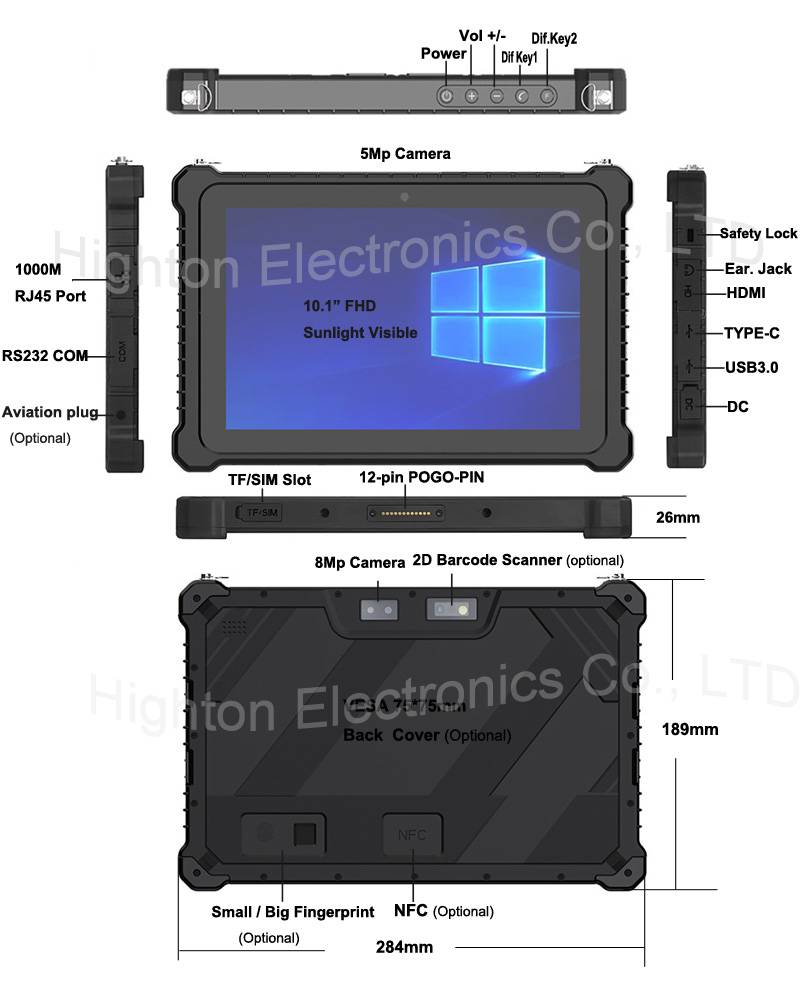
Hot Selling 10 Inch Intel N5100 I5 I7 FHD 8 +128GB 16+256GB Win10 Pro Win11 Pro 4G 5G Rugged Tablet PC Pad with NFC Barcode
Highton Electronics Co., Ltd.