Norway's Mowi sells Eastern Canada salmon business to Cooke for $158 million
en.Wedoany.com Reported - On June 30, Norwegian salmon producer Mowi signed a share purchase agreement to sell its Eastern Canada salmon farming operations to Cooke. The transaction price is CAD 225 million, approximately USD 158 million, calculated on a debt-free basis, involving a standing biomass of about 9,000 metric tons gutted weight.
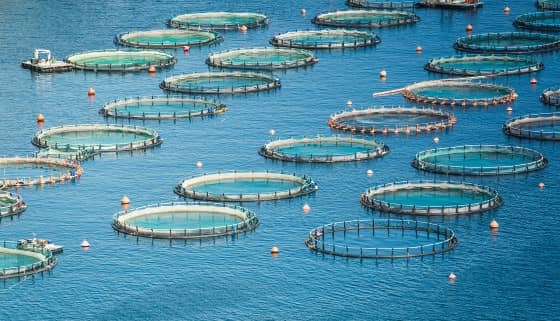
This deal directly adjusts Mowi's asset structure in its North American farming footprint. The Eastern Canada operations consist of seawater salmon farming assets, including smolt, sea cages, farm operations, biomass management, harvest planning, and processing supply chain links. For salmon producers, standing biomass is a key indicator for assessing the value of farming assets, as it relates to future harvest volumes, sales pacing, feed input, disease control, and cash flow release. The 9,000 metric tons gutted weight biomass being sold indicates that the transaction is not merely a transfer of a shell company but includes productive assets currently in the production cycle. Upon takeover, Cooke will gain more complete seawater farming capacity and regional supply capability in Eastern Canada.
According to Mowi's statement, the Eastern Canada assets will be classified as held for sale in the financial books until the transaction closes. The deal is still subject to competition approval and requires the buyer to complete confirmatory due diligence.
Mowi expects the divestiture to be completed in the second half of 2026, with closing also subject to other customary conditions. After the transaction, Mowi's global production forecast for 2026 will be adjusted from 605,000 metric tons gutted weight to 600,000 metric tons gutted weight, a reduction of approximately 5,000 metric tons. This adjustment is relatively small compared to Mowi's total global output but will change the position of its Eastern Canada operations within the group. Mowi also stated that the transaction will result in a financial impairment of approximately CAD 140 million, indicating a difference between the book value of the business and the transaction arrangement, and reflecting a reassessment of the Eastern Canada farming assets in terms of operations, capacity, and future returns.
Salmon farming in Eastern Canada holds regional supply significance. The local business typically serves the North American market, close to the U.S. East Coast consumption area, offering distance advantages in fresh product transport, cold chain distribution, and regional processing. Cooke itself is a major Canadian seafood and aquaculture company, with operations covering salmon, seafood processing, and international market sales. After acquiring Mowi's Eastern Canada assets, Cooke can further expand its domestic farming resources and strengthen control over fish supply, biomass, processing, and sales chains. For aquaculture companies, scale expansion is not just about increasing production volume; it also relates to feed procurement, disease management, farming licenses, harvest scheduling, processing plant utilization, and customer supply stability.
Mowi's decision to sell this business reflects a strategy of shrinking non-core farming regions and concentrating resources on production bases that better align with group strategy. Salmon farming is significantly affected by sea temperature, oxygen levels, diseases, regulatory permits, and environmental requirements, with production risks varying considerably across different countries and sea areas. Eastern Canada has also faced pressures from climate, sea conditions, and farming efficiency in recent years, forcing companies to reassess regional deployment, capital investment, and production stability. After the sale, Mowi's global production guidance will be slightly reduced, but the group can reduce future investment in this region and shift management focus to other core farming markets.
This transaction also shows that North American salmon farming assets continue to consolidate toward regional players. After Cooke takes over, Eastern Canada's farming resources will be more concentrated under a local operator, while Mowi further optimizes its global farming portfolio.
Related Products


714CD Series C-Band Weather Radar
Chengdu Zhongdian Jinjiang Information Industry Co., Ltd.

4HS-8 High-efficiency Peanut Inverted-laying Harvester
Hebei Yongfa Hongtian Agricultural Machinery Manufacturing Co., Ltd.
Industrial and Commercial Point-Type Gas Detector
Jinan Benan Technology Development Co., Ltd.